DbcultAccessing Vault...
Cult Review
Senior Film Conservator
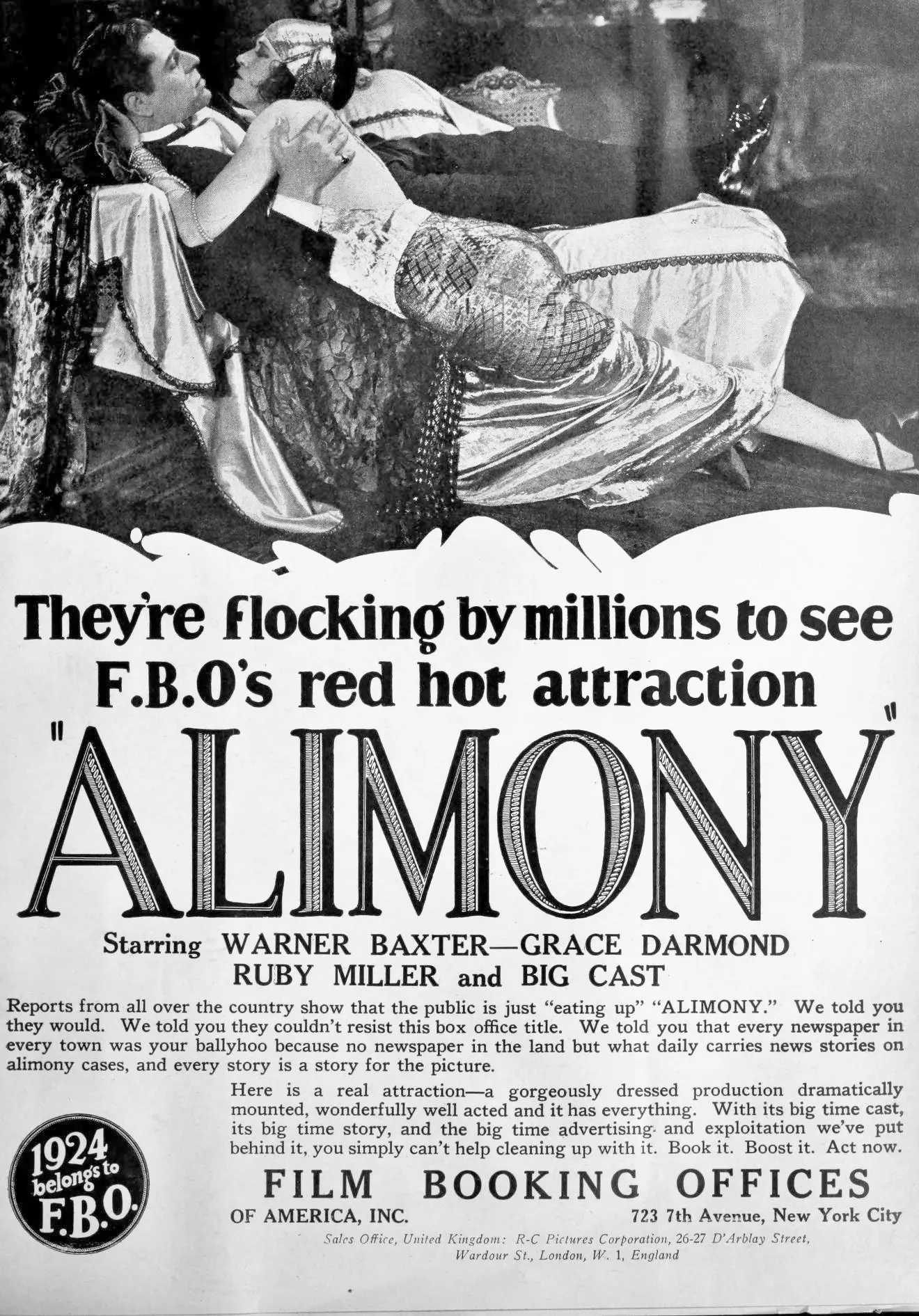
Alimony, a 1924 silent film directed by E. Magnus Ingleton, Wyndham Gittens, and Ashley T. Locke, is a poignant exploration of the intricacies of relationships and the enduring power of love and forgiveness. The film stars Ruby Miller as Marion Mason, a woman who, through her unwavering support and dedication, transforms her impoverished husband from a struggling artist to a man of means. Her loyalty and steadfast belief in their shared future are the cornerstones of their relationship, but these very qualities ultimately become the source of their greatest trials.
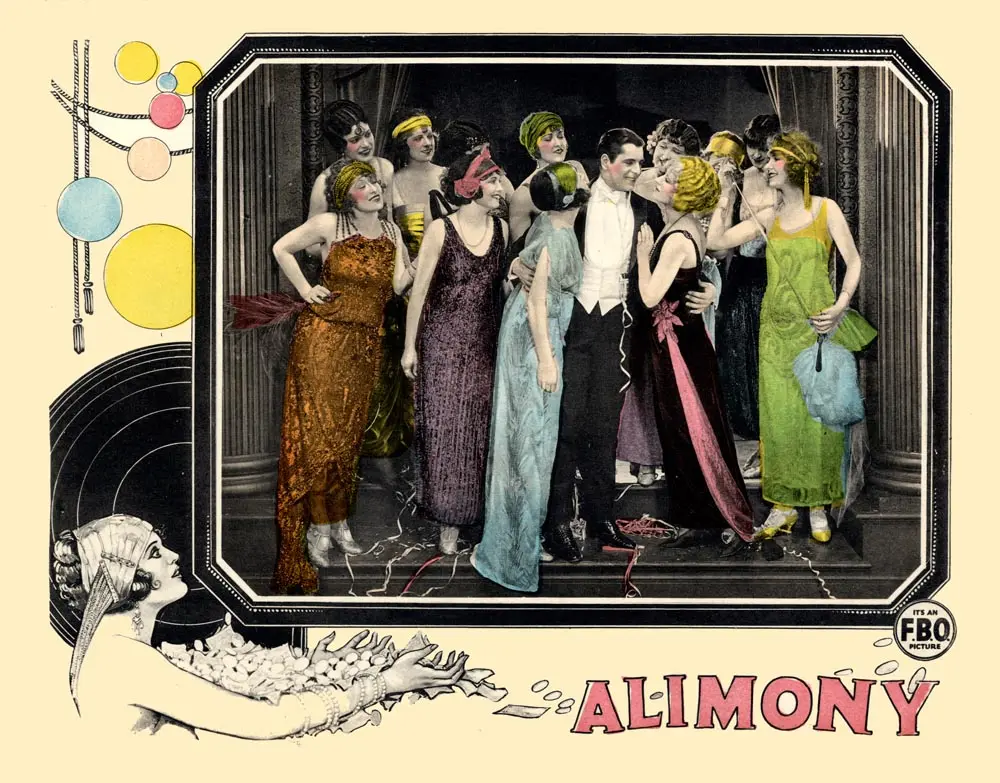
Marion’s journey begins in destitution, where she and her husband share a dream of success and prosperity. Through her unwavering support and sacrifices, she helps him navigate the early stages of his career, enabling him to achieve financial stability and recognition. However, as their fortunes rise, so does the complexity of their lives. Marion's understanding and patience are tested as her husband's success attracts the attention of other women, leading to a series of misunderstandings and betrayals.
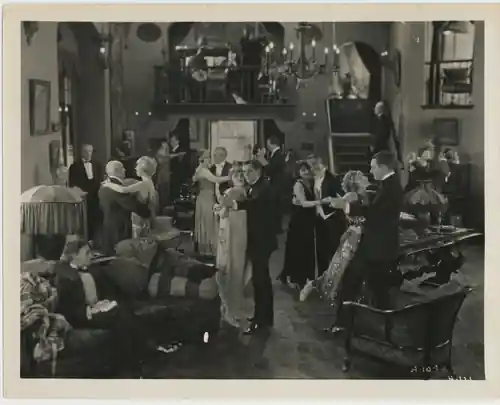
The narrative unfolds through a series of interwoven scenes that alternately depict the couple's early struggles and the subsequent misunderstandings that lead to their divorce. Marion, consumed by a deep sense of betrayal and a misguided sense of justice, demands a substantial alimony payment. This decision, while driven by a desire for financial security and a measure of revenge, also sets in motion a chain of events that will test the very core of their relationship.
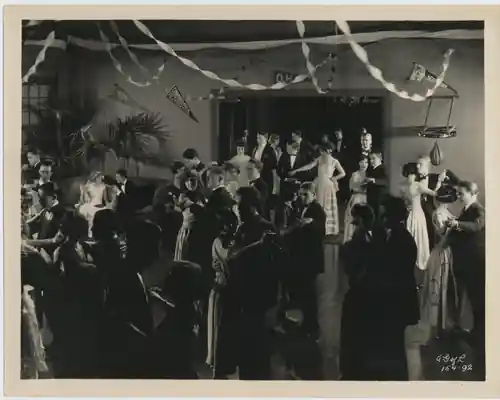
The alimony becomes a tool for Marion to exert control and influence over her ex-husband, guiding him back to financial stability when his fortune is squandered by his new love interests. This act of support, motivated by a mix of affection and a need for reconciliation, forms the crux of the film's narrative. It is a poignant reminder of the complexities of human relationships and the often blurred lines between love, duty, and personal gain.
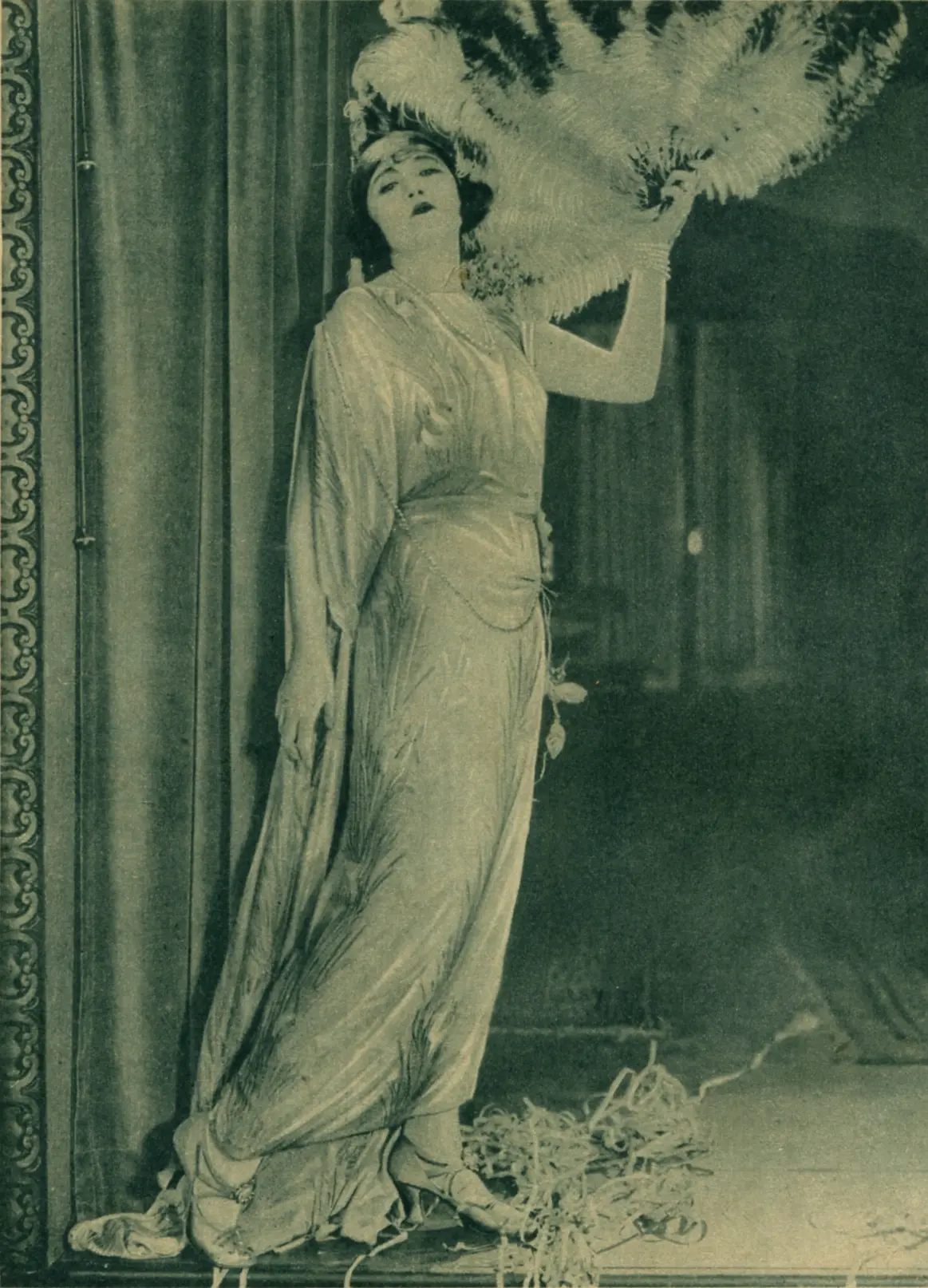
As the story reaches its climax, Marion's ex-husband seeks her forgiveness and offers to remarry her. This act of reconciliation is not simply a reunion, but a profound acknowledgment of the depths of their love and the enduring strength of their bond. It is a testament to the film's exploration of themes of forgiveness, redemption, and the resilience of true love.
The film's visual and narrative style, with its emphasis on emotion and character development, sets it apart from contemporaneous works. The performances, particularly Ruby Miller's portrayal of Marion, are nuanced and deeply moving. Miller's ability to convey a range of emotions, from determination and resilience to vulnerability and longing, is a testament to her talent as an actress. The supporting cast, including Jackie Saunders, Grace Darmond, Clyde Fillmore, Herschel Mayall, Warner Baxter, William A. Carroll, and Alton Brown, also contribute significantly to the film's emotional depth and authenticity.
is a rare gem in the annals of early Hollywood cinema. Its exploration of themes such as loyalty, forgiveness, and the complexities of human relationships makes it a timeless piece of art. While it may not have the same visual spectacle as some of its contemporaries, its emotional resonance and the depth of its characters make it a film that stands the test of time. For viewers seeking a film that delves into the intricacies of relationships and the enduring power of love, Alimony is a must-watch.
The film's influence can be seen in its portrayal of complex female characters who are not simply defined by their roles as wives or victims, but as individuals with their own desires, strengths, and vulnerabilities. This approach to character development is particularly notable in the context of early Hollywood cinema, where female characters were often reduced to stereotypes or passive roles.
Despite its age, Alimony remains relevant and resonant, offering a fresh perspective on themes that continue to be relevant in contemporary society. Its exploration of power dynamics, the complexities of relationships, and the enduring nature of love make it a film that stands the test of time. For anyone interested in early Hollywood cinema, Alimony is a must-see, offering a glimpse into a bygone era of filmmaking and a timeless tale of love and redemption.
IMDb 6.7
1929
Community
Log in to comment.