DbcultAccessing Vault...
4.3/10
Senior Film Conservator
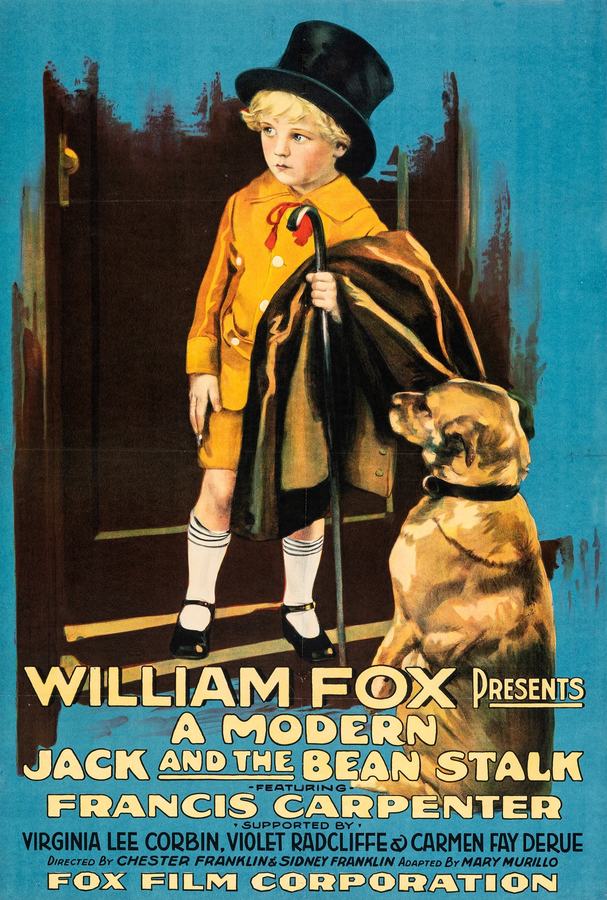
A definitive 4.3/10 rating for a film that redefined the boundaries of cult cinema. Jack and the Beanstalk remains a cornerstone of transgressive art.
To witness the 1917 iteration of Jack and the Beanstalk is to embark upon a journey through the very cradle of cinematic wonder. Directed by the visionary duo of Chester and Sidney Franklin, this production serves as a luminous artifact of the 'Fox Kiddies' era, a peculiar and fascinating chapter in early Hollywood where child actors were cast in adult roles, creating an uncanny, doll-like verisimilitude that remains haunting even a century later. While contemporary audiences might view the silent era through a lens of primitive simplicity, this film challenges such reductive notions with its ambitious set design and surprisingly nuanced narrative deviations from the traditional folklore.
The scale of the production is nothing short of Herculean for its time. In an era before the digital manipulation of pixels, the construction of the giant’s castle and the titular beanstalk required a tactile, physical commitment that is palpable in every frame. The cinematography, managed with a steady hand, captures the verticality of Jack’s ascent with a sense of genuine peril. Unlike the grounded realism found in The Money Master, the Franklins leaned heavily into the surreal possibilities of the medium. The beanstalk itself, a towering prop of staggering proportions, serves as a bridge between the mundane and the mythic, much like the imaginative leaps taken in 20,000 Leagues Under the Sea released just a year prior.
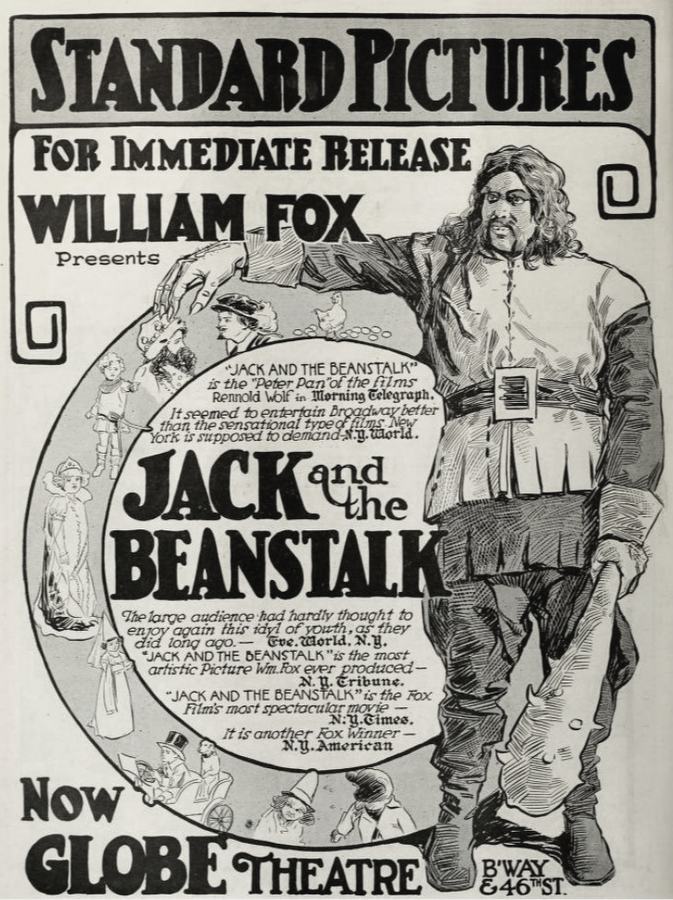
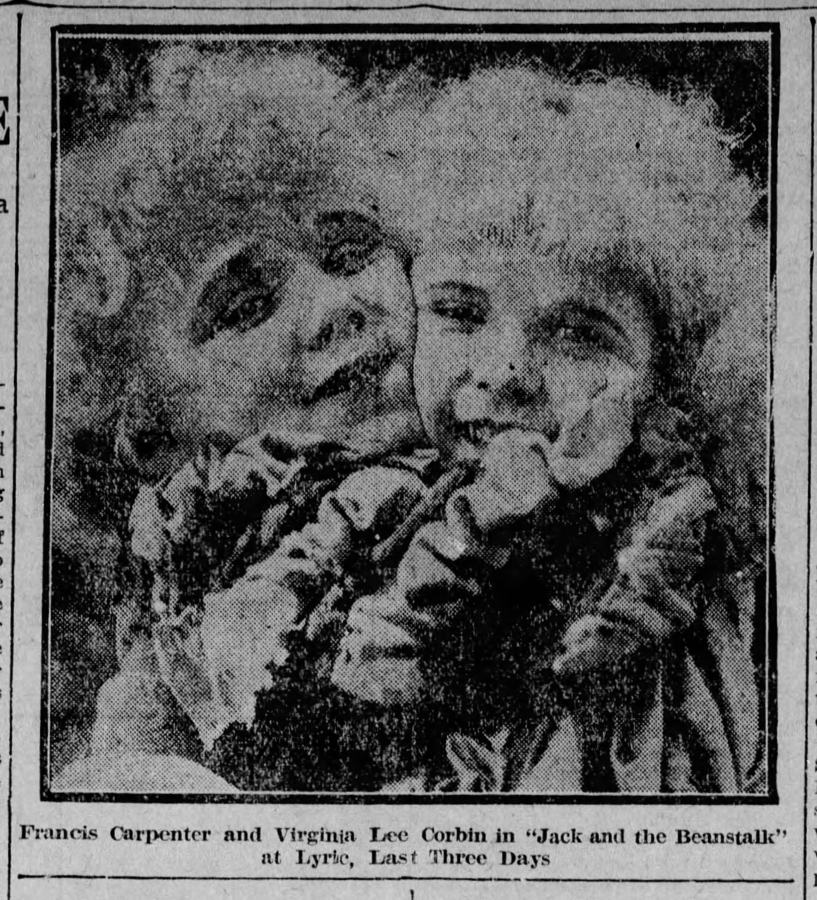
The use of Jim G. Tarver as the giant provides a visceral sense of scale that remains effective. Standing at over eight feet tall, Tarver was not merely a trick of the camera but a physical presence that dominated the screen, creating a genuine sense of awe for the young Francis Carpenter, who portrays Jack. This interaction between the diminutive protagonist and his gargantuan adversary creates a visual tension that modern CGI often struggles to replicate. The tactile nature of the sets—the oversized furniture, the massive doors, the cavernous halls—creates a sensory experience that feels lived-in and authentic, a far cry from the flat backdrops of lesser contemporary works.
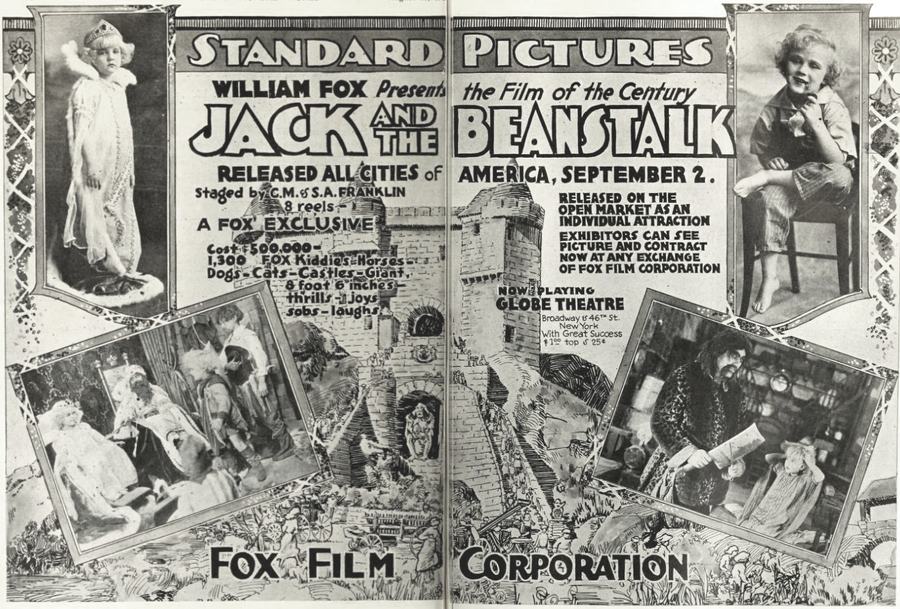
One cannot discuss this film without delving into the phenomenon of the Fox Kiddies. The casting of children like Virginia Lee Corbin and Violet Radcliffe was not merely a gimmick but a deliberate aesthetic choice by the Fox Film Corporation. These young performers brought a gravity to their roles that transcended their ages. In this version of the tale, the emotional stakes are heightened by the inherent vulnerability of the cast. When Jack bargains with the giant, it is not just a game of wits but a survivalist struggle of a child in an adult’s world, a theme that echoes through the more mature narratives of The Stolen Triumph.
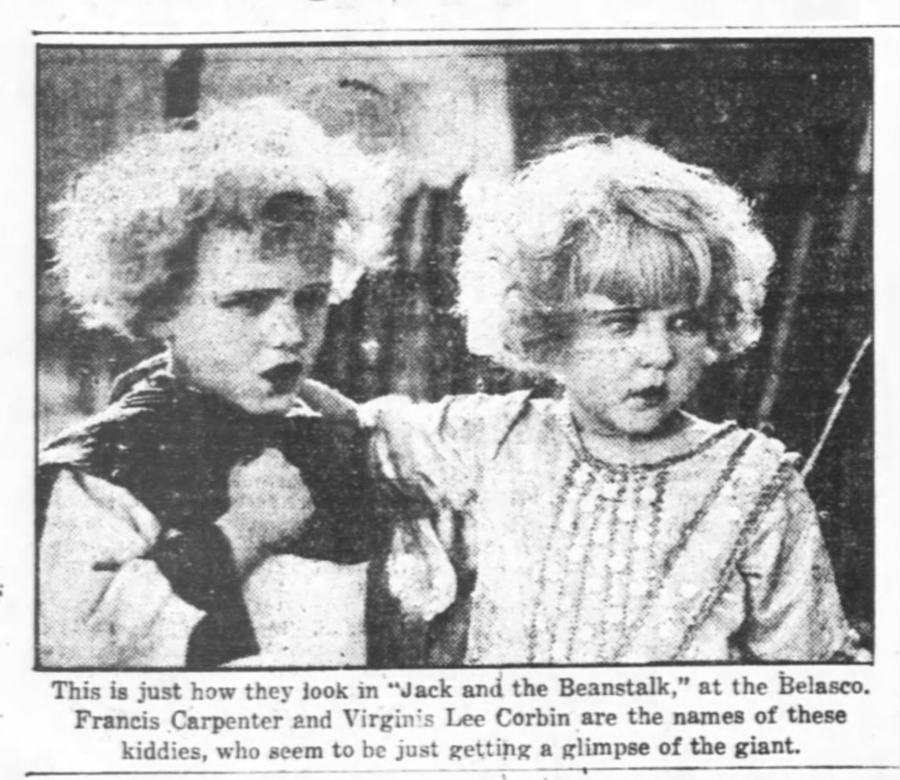
Francis Carpenter’s Jack is a revelation of silent-era pantomime. His ability to convey longing, terror, and eventual triumph without a single spoken word is a testament to the rigorous training of the era’s child stars. The chemistry between the 'Kiddies' creates a miniature society on screen, one that mirrors the complexities of the adult world. This technique of using children to mirror adult follies provides a layer of social commentary that was perhaps more sophisticated than the audiences of 1917 fully realized. It invites comparison to the multi-layered storytelling of D.W. Griffith’s Intolerance, where human struggle is presented across vast temporal divides, albeit here focused through the prism of a singular myth.
Perhaps the most striking element of this screenplay by Mary Murillo is the deviation from the source material regarding the giant’s treasure. In most versions of the folktale, Jack is essentially a thief who profits from his crimes. However, the Franklin brothers and Murillo introduce a compelling backstory: the castle and the riches were originally the property of Jack’s father. This shift transforms the story from a tale of opportunistic larceny into a saga of restorative justice. Jack is not stealing; he is reclaiming his birthright. This moral realignment gives the film a thematic weight that aligns it with the dramatic stakes of God, Man and the Devil.
The climax of the film involves a 'deal' with the giant, a diplomatic resolution that suggests a level of sophistication rarely seen in early fantasy cinema. Instead of the typical chase and murder, there is a sense of negotiation, a recognition of power dynamics that feels surprisingly modern. This nuance elevates the film above the standard fair of the time, such as the more straightforward adventures of Bushranger's Ransom, or A Ride for Life. It suggests that even in a world of giants and magic beans, the ultimate resolution comes through intelligence and the correction of historical wrongs.
Technically, Jack and the Beanstalk was at the vanguard of its time. The use of double exposure and forced perspective to create the illusion of size is handled with a finesse that rivals the work in Fruits of Desire. The lighting, often overlooked in silent film analysis, plays a crucial role here. The transition from the bright, sun-drenched pastoral scenes of Jack’s home to the moody, shadowed interiors of the giant’s castle demonstrates a keen understanding of atmospheric storytelling. The chiaroscuro effect in the castle scenes heightens the sense of dread, making the giant’s presence feel even more imposing.
The editing by the Franklin brothers is also noteworthy. They maintain a rhythmic pacing that keeps the vertical odyssey engaging. In an era where many films felt like filmed stage plays, this production utilizes the camera’s movement and the juxtaposition of shots to create a truly cinematic language. This is particularly evident in the beanstalk climbing sequences, where the intercutting between Jack’s progress and the anxiety of his mother below creates a genuine sense of narrative momentum, not unlike the tension found in The Awakening of Bess Morton.
Reflecting on the film today, one is struck by its enduring charm. It lacks the cynicism of modern reimaginings, yet it possesses a complexity that belies its status as a 'children’s film.' The performance of the 'Baby' Carmen De Rue and the other young actors provides a window into a lost style of performance—one based on pure expression and physical grace. While the film may not have the philosophical density of Kärleken segrar, its dedication to the purity of the fantasy genre is absolute.
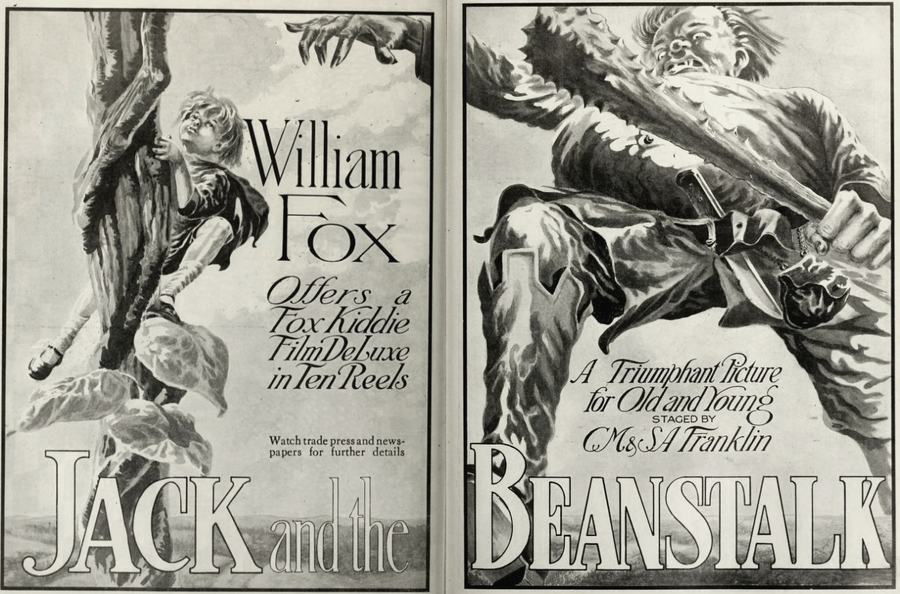
The film also serves as a historical document of the Fox Film Corporation’s early dominance. At a time when the industry was still finding its footing, productions of this scale were risky and rare. The success of Jack and the Beanstalk paved the way for more ambitious genre explorations. It stands as a bridge between the simple trick films of Méliès and the epic fantasies of the 1920s and 30s. Its influence can be seen in the way it handles the 'world-building' of the giant’s realm, a precursor to the immersive environments seen in Das Tal des Traumes.
In the final analysis, the 1917 Jack and the Beanstalk is more than just a fairy tale adaptation; it is a testament to the boundless imagination of the early pioneers. It reminds us that cinema, at its heart, is a medium of dreams and transformations. Whether it is the transformation of a cow into magic beans, or the transformation of a child into a hero of legend, the film captures the essence of metamorphosis that defines the human experience. It remains a vital piece of film history, a shimmering beanstalk of creativity reaching up from the past to remind us of the magic that can be found in the silence of the silver screen.
As we look back at the works of 1917, from the gritty realism of The Lone Star Rush to the social dramas like The Wasted Years, this film remains a beacon of pure, unadulterated escapism. It is a reminder that even in the midst of a world at war, as it was in 1917, the human spirit still sought to climb, to explore, and to reclaim what was lost in the clouds of the imagination.
IMDb 5.1
1934
Community
Log in to comment.