DbcultAccessing Vault...
6.3/10
Senior Film Conservator
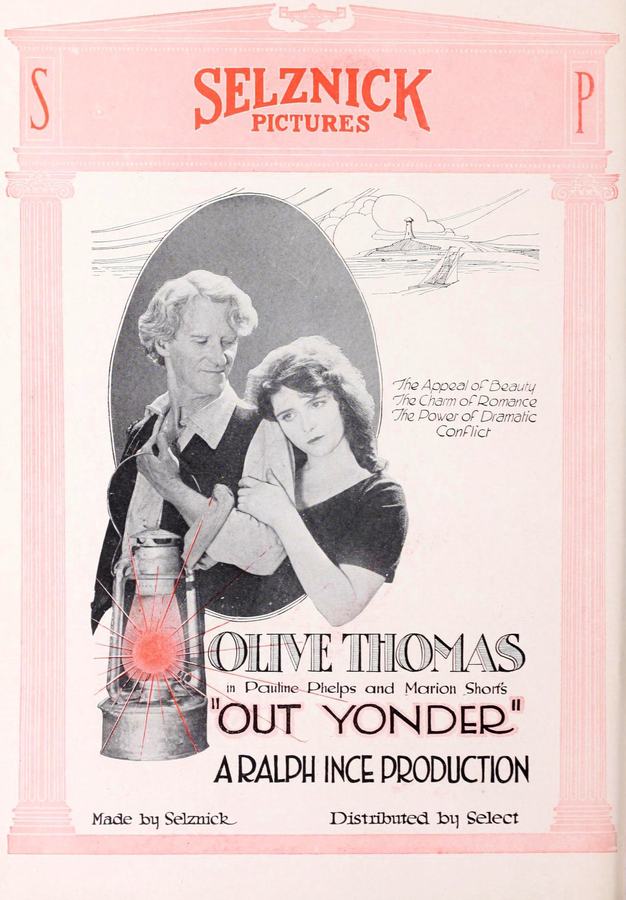
A definitive 6.3/10 rating for a film that redefined the boundaries of cult cinema. Out Yonder remains a cornerstone of transgressive art.
There's a particular magic in silent cinema, a compelling theatricality that transcends the spoken word, relying instead on the nuanced gesture, the poignant close-up, and the sweeping visual narrative. Among these treasures, the 1919 drama Out Yonder stands as a testament to the era's capacity for profound emotional storytelling, a narrative woven with threads of love, sacrifice, and the relentless pull of the sea. Directed with a keen eye for dramatic tension and featuring a captivating performance by the luminous Olive Thomas, this film plunges viewers into a world where human passions clash against the formidable backdrop of a New England lighthouse.
The narrative unfurls around Flotsam, portrayed with a remarkable blend of vulnerability and resilience by Olive Thomas. Her character is not merely an inhabitant of the rugged coastal landscape but an extension of it, her very being shaped by the untamed ocean and the stark, isolated existence of a lighthouse keeper's daughter. Flotsam’s intimate understanding of the treacherous reefs, a knowledge born of necessity and survival, becomes the fulcrum upon which the initial dramatic thrust of the film pivots. Her heroic rescue of Mrs. Elmer, played by Marie Coverdale, from the clutches of a watery demise is not just an act of bravery, but a catalyst, drawing her into the orbit of a world far removed from her humble, wave-battered existence.
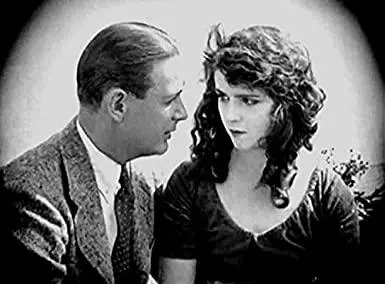
This pivotal event introduces Flotsam to Edward Elmer, brought to life by Huntley Gordon, a scion of privilege vacationing with his mother and friends. Their burgeoning romance, a delicate bloom fostered amidst the stark beauty of the New England coast, is depicted with a tender authenticity that speaks volumes without a single uttered word. The silent screen, in its profound reliance on visual cues, excels at conveying the unspoken language of affection, and the chemistry between Thomas and Gordon is palpable, drawing the audience into their innocent courtship. Their connection feels organic, a natural response to shared experiences and an undeniable attraction that transcends their disparate social strata.
However, the serene idyll of their burgeoning love is shattered by the sinister machinations of Joey Clark, a character embodied with chilling menace by John Smiley. Clark, the brutish assistant to Flotsam's adoptive father, Amos Bart (played with a weary gravitas by Edward Ellis), harbors a possessive, dark desire for Flotsam. His jealousy, a festering wound, drives him to unleash a torrent of long-buried secrets, revealing a past transgression that threatens to irrevocably sever the bond between Flotsam and Edward. The revelation that Amos Bart supposedly murdered Edward’s father years prior injects a potent dose of melodrama, a common yet effectively employed trope in silent-era narratives, reminiscent of the intricate web of deceit found in films like Tangled Fates, where destiny and hidden truths relentlessly intertwine.
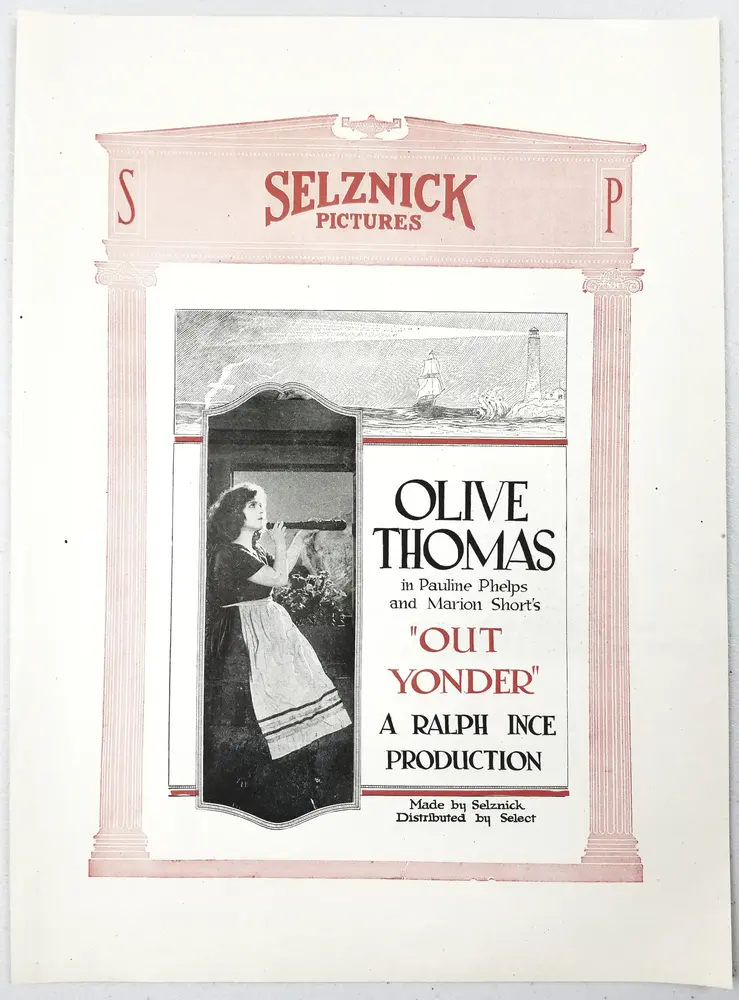
Amos’s subsequent confession is a masterclass in silent film acting, with Edward Ellis conveying profound regret and self-condemnation through his pained expressions and heavy gestures. He believes himself guilty, a perpetrator under the influence of alcohol, and in a moment of agonizing truth, he unveils an even deeper secret: Flotsam is not his biological daughter. She was entrusted to his late wife by a dying woman, making her a true 'flotsam' – a drifting soul found at sea, a poignant metaphor for her uncertain origins. This revelation adds layers of emotional complexity, questioning identity and belonging, themes explored with similar depth in narratives like The Struggle Everlasting, which often grappled with moral quandaries and the enduring human spirit in the face of profound personal crises.
The narrative then propels Flotsam into an emotional maelstrom. Urged by Amos to seek a better life with the Elmers, she attempts to leave, only to be confronted by Edward’s jealous former sweetheart, a character whose bitter resentment, though brief, serves as another cruel twist of the knife, reminding Flotsam of the murder accusation. This dramatic device, a classic silent-era contrivance, effectively amplifies the emotional stakes, ensuring that Flotsam's journey is fraught with both external dangers and internal turmoil. The use of a jealous rival, a common trope, is executed here with precision, adding another layer of personal conflict that resonates with the audience’s understanding of human frailty and envy.
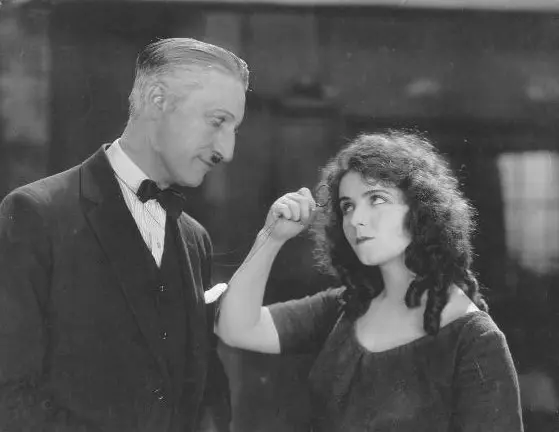
The return to the lighthouse, a beacon of both hope and despair, sets the stage for the film’s electrifying climax. The arrival of the yacht, following Flotsam, symbolizes the convergence of their two worlds, a collision course set by fate and human folly. It is here that the true villainy of Joey Clark is unveiled in its full, chilling glory. In a moment of audacious cruelty, Clark taunts Amos, confessing that he, not Amos, committed the murder of Edward’s father. This shocking twist, delivered with sadistic relish by John Smiley, reshapes the entire narrative, absolving Amos and casting Clark in a truly diabolical light. The raw intensity of this scene, conveyed through exaggerated facial expressions and frenetic body language, is a prime example of silent film's power to communicate profound dramatic shifts without a single line of dialogue.
The ensuing struggle between Amos and Clark, escalating to the dizzying heights of the lighthouse, is a masterclass in visual suspense. The lighthouse itself, a towering sentinel against the raging storm, becomes a character in its own right, its precarious height mirroring the characters’ emotional precipice. When their desperate fight causes the vital light to extinguish, plunging the surrounding waters into perilous darkness, the tension becomes almost unbearable. The flickering shadows, the close-ups of terrified faces, and the crashing waves all combine to create a deeply immersive experience, demonstrating the filmmakers' adeptness at manipulating light and shadow to heighten dramatic effect. The film's setting, much like in Miss Robinson Crusoe, where isolation and natural elements are central to the protagonist's trials, here serves as an unforgiving arena for human drama.
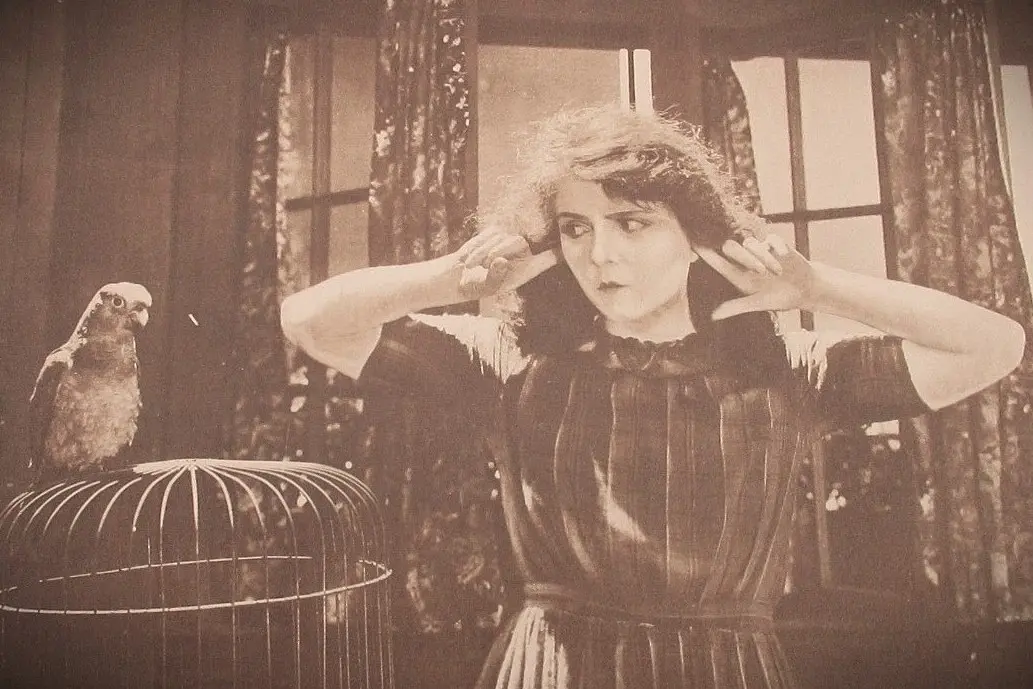
In the face of imminent disaster, with the Elmer yacht hurtling towards the jagged rocks, Flotsam emerges as the ultimate heroine. Her quick thinking and unparalleled bravery are showcased as she seizes a flaming torch, a literal beacon of hope, and carries it into the tempestuous night. This iconic image – Flotsam, a small figure silhouetted against the raging elements, a flaming torch held aloft – is one of the film's most enduring. It is a powerful symbol of resilience, of a spirit forged in adversity, and a testament to her innate connection to the sea. The visual poetry of this moment, a lone woman battling nature’s fury to save those she loves, is a cornerstone of the film’s emotional impact and a triumphant vindication of her character.
The resolution, with truth unveiled and peril averted, brings a satisfying sense of closure. Flotsam and Edward, now free from the shadows of deceit and misunderstanding, embrace a future bound by the unwavering promise of marriage. Their union is not merely the happy ending of a romance but a symbolic triumph of truth over deception, of love over malice, and of courage over despair. The film, written by the collaborative talents of Marion Short, Edward J. Montagne, and Pauline Phelps, demonstrates a keen understanding of narrative pacing and character development, building its intricate plot to a crescendo that resonates deeply with the audience.
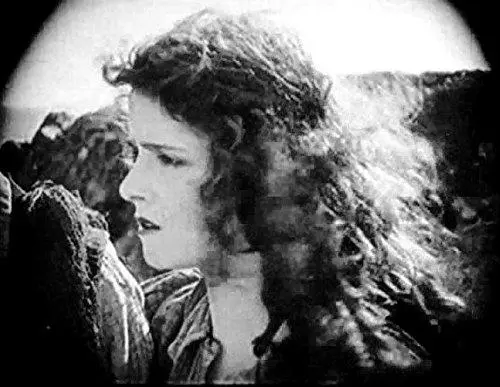
The performances across the board are commendable, showcasing the unique demands of silent acting. Louise Prussing and Cyril Chadwick, though in supporting roles, contribute effectively to the ensemble, each bringing distinct personalities to their characters through expressive physicality and nuanced facial work. Olive Thomas, however, is the undeniable star, her expressive eyes and graceful movements conveying a spectrum of emotions from tender love to fierce determination. Her ability to command the screen without uttering a single word is a testament to her skill and the power of non-verbal communication in cinema. Her portrayal of Flotsam elevates the character beyond a simple ingenue, making her a dynamic and memorable figure.
Beyond the individual performances, Out Yonder offers a fascinating glimpse into the technical and artistic capabilities of early cinema. The cinematography, particularly in the maritime sequences and the dramatic lighthouse scenes, is strikingly effective. The use of practical effects for the storm and the careful framing of the characters against the vast, unforgiving ocean create a sense of scale and immediacy that remains impressive even today. The film's ability to create such a palpable atmosphere, evoking both the beauty and brutality of the New England coast, speaks volumes about the ingenuity of filmmakers working without the sophisticated tools available to contemporary productions.
The thematic richness of Out Yonder also deserves particular attention. It explores the enduring power of love to overcome societal barriers and personal tragedy. It delves into the nature of truth and deception, illustrating how long-held secrets can fester and ultimately erupt with devastating consequences. The film also subtly touches upon themes of class disparity, with the stark contrast between the humble lighthouse life and the opulent world of the Elmer family, yet ultimately suggesting that genuine human connection transcends such superficial divisions. This blend of personal drama with broader social commentary elevates the film beyond a simple romantic melodrama.
In comparing Out Yonder to other films of its era, one can see its strengths clearly. While it shares the melodramatic sensibilities of many contemporary productions, its unique setting and the compelling performance of Olive Thomas give it a distinct flavor. Films like The Redhead or The Inspirations of Harry Larrabee, while entertaining, often focused on more urban or comedic settings. Out Yonder, by contrast, grounds its drama in the raw, elemental power of nature, making the human struggles feel all the more visceral and immediate. It stands as a powerful example of how silent films could craft narratives that were both deeply personal and grand in scope, utilizing their visual language to its fullest potential.
The enduring appeal of Out Yonder lies not just in its historical significance as a product of the silent era, but in its timeless exploration of universal human experiences. The yearning for love, the pain of betrayal, the triumph of courage, and the search for truth are themes that resonate across generations and cinematic styles. The film’s ability to evoke such strong emotions through purely visual means is a powerful reminder of the artistry inherent in early filmmaking. It's a poignant piece that showcases the narrative prowess of a bygone era, proving that a story well-told needs no spoken dialogue to capture the heart and imagination.
Ultimately, Out Yonder is more than just a historical curiosity; it is a vibrant, compelling drama that holds its own even a century after its release. It invites viewers to immerse themselves in a world where every gesture, every expression, and every visual cue carries immense narrative weight. For those seeking to understand the power and beauty of silent cinema, or simply to enjoy a gripping tale of love and heroism against a dramatic backdrop, this film is an absolute must-see. It's a powerful reminder that some stories are so fundamental to the human experience that they transcend the limitations of technology and time, shining as brightly as the lighthouse beam itself.

IMDb 4.7
1921
Community
Log in to comment.