DbcultAccessing Vault...
5.2/10
Senior Film Conservator
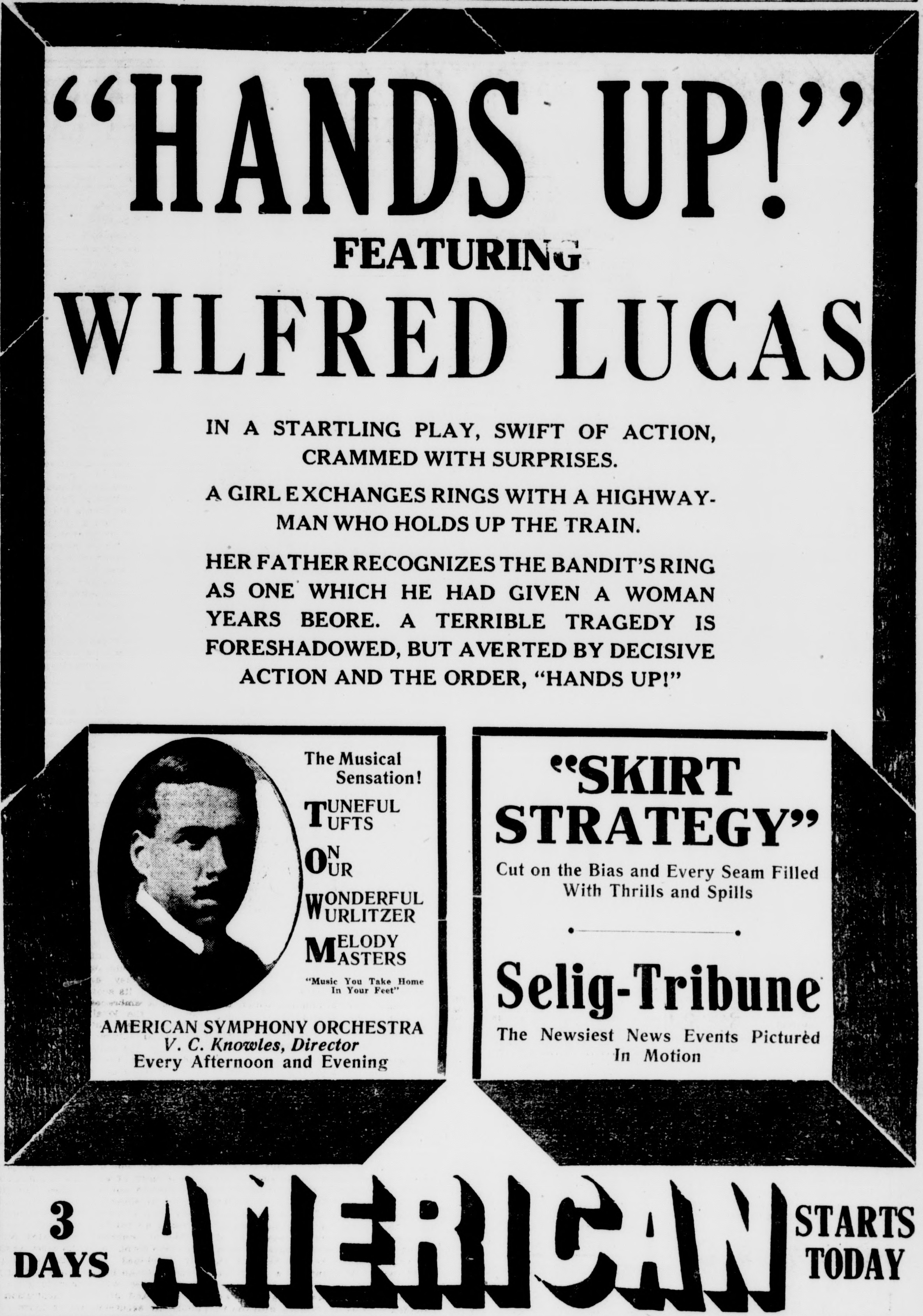
A definitive 5.2/10 rating for a film that redefined the boundaries of cult cinema. Hands Up! remains a cornerstone of transgressive art.
Step back in time to an era when cinema spoke through grand gestures, evocative intertitles, and the raw power of unspoken emotion. In the vast panorama of early 20th-century filmmaking, the Western genre often served as a canvas for exploring the dramatic clashes between civilization and the untamed, law and lawlessness, and the complex human heart caught between them. Among these gems, the 1922 silent film Hands Up! emerges as a compelling, albeit often overlooked, entry that transcends simple genre tropes to delve into themes of identity, illusion, and the brutal awakening to reality. Directed by Wilfred Lucas and written by Lucas himself alongside Al J. Jennings, this picture offers a fascinating glimpse into the societal anxieties and romantic yearnings of its period, all wrapped in a narrative that twists and turns with a startling audacity.
At its core, Hands Up! is a cautionary tale about the intoxicating allure of the forbidden, specifically as experienced by Marjorie Houston, portrayed with captivating naiveté by the luminous Colleen Moore. Marjorie is introduced as the archetypal railroad heiress – sheltered, privileged, and undeniably bored by the predictable trajectory of her gilded existence. Her father, John Houston (Wilfred Lucas), a powerful railroad president, embodies the very establishment Marjorie subconsciously yearns to escape. It's during a routine train journey, accompanied by Houston and his fiancée, Elinor Craig (Beatrice Van), that destiny, or perhaps misfortune, intervenes with a dramatic flourish: a brazen train robbery orchestrated by a gang of outlaws. This sudden eruption of chaos into her orderly world is precisely the catalyst Marjorie’s romantic imagination has craved. Enter Dan Tracy (Monte Blue), the magnetic outlaw who, in the heat of the moment, becomes the embodiment of everything Marjorie perceives as thrillingly dangerous and authentically alive.
Moore’s portrayal of Marjorie is particularly poignant. She doesn't merely play a damsel in distress; she portrays a young woman actively seeking a narrative for her life that is grander and more passionate than the one prescribed for her. Her initial attraction to Tracy isn't just physical; it's an intellectual and emotional rebellion against the confines of her class. She sees in him not a criminal, but a Byronic hero, a figure of untamed freedom. This romanticized vision, so prevalent in the popular literature of the time, blinds her to the stark realities of Tracy’s profession. Their impulsive exchange of rings, followed by clandestine meetings in the bustling anonymity of the city, serves as a powerful symbol of her commitment to this self-fashioned fantasy. It’s a classic trope, certainly, one that we see echoed in various forms throughout cinema history, where societal boundaries are tested by the powerful pull of illicit love. Think of the societal condemnation faced by characters in films like The Coquette, where a woman's choices in love are scrutinized and judged, though Marjorie's rebellion here is far more dramatic and dangerous.
Marjorie’s secret liaison, however, cannot remain hidden indefinitely. John Houston, a man of considerable power and influence, is understandably alarmed when he discovers his daughter's new suitor is a notorious outlaw. His paternal concern quickly morphs into a desperate quest for answers, prompting him to hire a detective. This decision sets in motion the film's most intricate and emotionally resonant plot thread: the agonizing revelation of mistaken identity and familial secrets. The detective’s investigation yields a bombshell: Dan Tracy is identified as Houston's long-lost son from a previous marriage. This twist is a masterstroke of melodrama, plunging Houston into a moral abyss. The man he sought to bring to justice, the man threatening his daughter's future, is potentially his own flesh and blood. The internal conflict here is palpable, a silent scream of a father torn between societal duty, personal vengeance, and an unexpected, horrifying paternal instinct. The film doesn't shy away from the profound implications of this discovery, showcasing Houston's mortification and his desperate, albeit misguided, decision to allow Tracy to escape.
This narrative device, where a character is revealed to be someone entirely unexpected, or where past secrets violently intrude upon the present, is a potent tool in early cinema. It speaks to a societal fascination with hidden lineages and the dramatic consequences of suppressed truths. While not a direct comparison, the thematic resonance can be found in films that explore the darker side of human nature and the unraveling of moral certainties, much like the profound moral quandaries explored in a film like Unto the Darkness, where characters grapple with their own complicity and the shadows of their past. Here, Houston's decision to aid Tracy is a complex blend of fear, a glimmer of hope for a lost son, and perhaps a desperate attempt to mitigate a perceived family scandal. It’s a moment that highlights the fragility of identity and the devastating power of assumption.
Buoyed by Houston's unexpected leniency, Tracy, ever the opportunist, persuades Marjorie to elope. For Marjorie, this is the ultimate romantic fantasy realized – running away with her outlaw lover to a life unburdened by societal expectations. However, the film masterfully pivots here, delivering a brutal dose of reality. Tracy takes her to his secluded shack in the hills, a far cry from the opulent world she left behind. It is within these rustic, unforgiving confines that Marjorie's carefully constructed romantic illusions begin to crumble, piece by painful piece. The harshness of outlaw life, the squalor, the constant threat, and the sheer lack of gentility rudely awaken her. Monte Blue's portrayal of Tracy shifts subtly here; the charming rogue gives way to a more pragmatic, perhaps even crude, individual. He is no longer the idealized figure of her dreams but a man shaped by his environment, a man for whom survival is paramount, not romantic gestures.
This transition from starry-eyed romance to stark disillusionment is one of the film's most compelling aspects. It echoes a theme often explored in narratives about venturing beyond one's comfort zone, where the imagined freedom of an alternative life clashes violently with its gritty truth. Marjorie’s journey from societal belle to a prisoner of her own romantic folly is a powerful statement on the dangers of idealization. She discovers that the "wild freedom" she coveted is, in fact, a different kind of cage, one far more desolate than her father's mansion. This sudden jolt of reality is reminiscent of stories where characters embark on a Love's Pilgrimage to America, only to find the new land is not the utopian dream they envisioned, but a place of new challenges and stark realities. The film brilliantly uses Marjorie's physical surroundings to reflect her internal turmoil; the picturesque "hills" she envisioned become a symbol of her entrapment, far from the bustling city that once offered clandestine thrills.
As Marjorie grapples with her new, grim reality, her father, John Houston, is relentlessly pursuing her. His journey to save his daughter is fraught with desperation, a desperate bid to undo his previous, misguided compassion. The climax of Hands Up! is a whirlwind of action, vengeance, and a final, shattering revelation. The character of Rosanne (Rhea Haines) emerges as a pivotal force, a woman betrayed by Dan Tracy. Her presence introduces a layer of raw, personal vendetta into the narrative, a force of nature driven by scorned love and a thirst for justice that transcends the law. It is Rosanne, not the lawmen or the concerned father, who ultimately brings about Tracy's demise. Her act of violence is a visceral, powerful moment, underscoring the brutal consequences of Tracy's choices and the unforgiving nature of the world he inhabited. This element of personal revenge, carried out by a wronged woman, adds a dramatic weight that elevates the film beyond a simple Western shootout; it hints at the complex moral landscape of the frontier, where personal justice often held sway. The intensity of Rosanne's retribution could draw a thematic parallel with the raw emotional power found in a film centered on personal vengeance, such as Vendetta (1914).
The ultimate revelation, however, is the one that truly seals the film's tragic irony: Dan Tracy was not John Houston's son. The detective’s investigation, so confidently presented earlier, proves to be fatally flawed. Tracy was, in fact, the offspring of Houston's former wife and *another* outlaw. This final twist recontextualizes everything that came before it. Houston's agonizing moral dilemma, his decision to allow Tracy to escape, Marjorie's romanticized rebellion – all were built upon a foundation of false identity. It’s a devastating blow, highlighting the destructive power of misinformation and the ease with which appearances can deceive. The film ends not with a neat resolution, but with the lingering taste of bitter irony and the profound weight of what might have been. The "happy ending" for Marjorie is tinged with the trauma of her experience and the realization of her own misguided judgment. The untamed frontier, with its promises of freedom and romance, ultimately delivered only harsh lessons and irreparable loss, leaving a lasting impression that transcends the typical hero-vs-villain dynamic of many contemporary Westerns. This unraveling of identity and the profound impact of hidden truths resonate with the themes of a film like The Love Mask, where concealed identities drive the central conflict and character motivations.
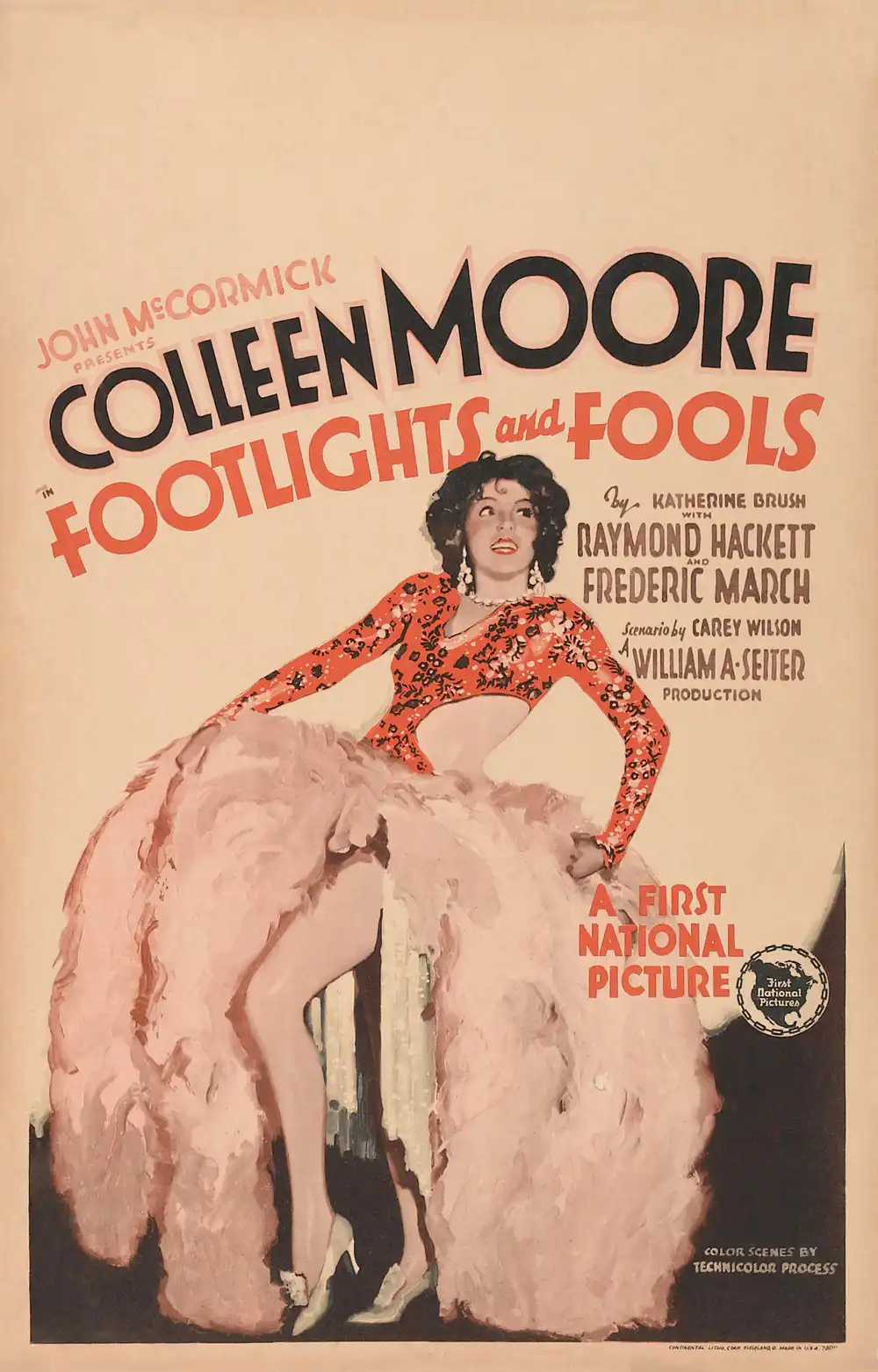
The success of Hands Up! largely rests on the shoulders of its cast, particularly Colleen Moore and Monte Blue. Moore, already a rising star, brings a vibrant energy to Marjorie, making her initial naiveté believable and her subsequent disillusionment heartbreaking. Her expressive eyes and animated gestures, crucial for silent film acting, convey a wide range of emotions, from girlish excitement to profound despair. Blue, as Dan Tracy, perfectly embodies the dual nature of his character – charismatic yet dangerous, alluring yet ultimately brutal. He navigates the transformation from romantic lead to a more menacing figure with subtle shifts in posture and gaze, ensuring that Tracy remains a complex antagonist rather than a one-dimensional villain. Wilfred Lucas, pulling double duty as director and actor (John Houston), delivers a performance steeped in patriarchal authority and later, anguish. His portrayal of a man grappling with a potentially devastating family secret is understated but effective, conveying the internal turmoil without excessive melodrama.
The direction by Wilfred Lucas, while not groundbreaking, is competent and effective, particularly in its pacing and ability to build suspense. The train robbery sequence, a staple of the Western genre, is executed with a brisk energy that immediately captures the audience's attention. Lucas understands the visual language of silent cinema, utilizing close-ups to emphasize emotional states and wider shots to establish the vast, often isolating, landscapes of the American West. The writing by Lucas and Al J. Jennings is ambitious, weaving a complex tapestry of mistaken identity, forbidden love, and familial secrets into a relatively straightforward Western framework. They manage to maintain a sense of intrigue throughout, with the final reveal being genuinely impactful, avoiding an overly simplistic resolution. The film's strength lies in its willingness to complicate its characters and its plot, moving beyond the black-and-white morality often found in early Westerns to explore shades of grey, much like the more nuanced character studies found in films that delve into the psyche of The Criminal, showing the motivations behind their actions.
Beyond its thrilling plot, Hands Up! masterfully explores several enduring themes. The most prominent is the stark dichotomy between illusion and reality. Marjorie's romanticized view of outlaw life is painstakingly deconstructed, serving as a powerful metaphor for the dangers of youthful idealism untempered by experience. Her journey is a rude awakening, a cinematic coming-of-age where she learns that true freedom is not found in escaping one's social class for a perceived "wilder" existence, but in understanding the consequences of one's choices. This theme resonates deeply, reminding us that appearances can be deceiving, and that the grass is not always greener on the other side. The film also touches upon the rigid social strata of the era. The vast chasm between the railroad president's daughter and the rough-and-tumble outlaw is not merely geographical; it's a profound societal divide that the film suggests is almost impossible to bridge without dire consequences. The idea of "home" is also subtly explored; Marjorie's initial desire to flee her luxurious but stifling home for adventure ultimately leads her to a shack that is anything but Home, Sweet Home.
Familial secrets and the weight of the past are another critical thematic pillar. The mistaken identity of Dan Tracy as Houston's son highlights the profound impact of past relationships and the lingering shadows they cast. It underscores the idea that our personal histories, no matter how deeply buried, inevitably surface, often with devastating effects. This theme of a hidden past dramatically influencing the present can be seen in many melodramas of the era, where inherited burdens or forgotten transgressions shape the destinies of protagonists. The film's exploration of vengeance, personified by Rosanne, also adds a layer of raw, primal justice to the narrative, contrasting sharply with the more structured legal system embodied by John Houston's initial pursuit of Tracy. It suggests that on the fringes of society, personal codes of conduct and retribution often take precedence, making for a morally ambiguous landscape where true justice is often elusive and messy. This complex interplay of personal and societal justice, alongside the unraveling of a carefully constructed reality, makes Hands Up! a far richer experience than its simple Western premise might initially suggest.
In conclusion, Hands Up! stands as a compelling testament to the narrative sophistication possible within the silent film era. It's a film that deftly combines the thrilling action of a Western with the emotional depth of a melodrama, all while exploring complex themes of identity, societal expectations, and the often-painful transition from youthful fantasy to adult reality. Colleen Moore and Monte Blue deliver memorable performances, imbuing their characters with a humanity that transcends the limitations of silent dialogue. While it may not possess the grand scale or revolutionary techniques of some of its more celebrated contemporaries, its tightly woven plot and impactful thematic explorations ensure its place as a significant, if often understated, piece of cinematic history.
For those interested in the evolution of the Western, the development of early film narrative, or simply a gripping story of love, deception, and disillusionment, Hands Up! offers a rewarding viewing experience. It reminds us that even a century ago, filmmakers were challenging audiences with nuanced portrayals of human nature and the complex interplay between individual desire and societal constraint. It’s a film that, despite its age, still holds its cards close, revealing its truths with a dramatic flourish that resonates long after the final fade to black. The emotional journey of Marjorie, from her initial romantic fervor to her stark confrontation with reality, remains a powerful narrative, demonstrating that the human heart, when captivated by an ideal, can sometimes lead us down the most perilous paths. The film’s quiet power lies in its ability to strip away the glamour of the outlaw life, presenting it not as a grand adventure, but as a harsh, unforgiving existence, a truth that many a romantic idealist has had to learn the hard way. Its legacy is not just in its thrilling plot, but in its poignant exploration of the human condition against the backdrop of a wild, untamed frontier.
IMDb —
1917
Community
Log in to comment.