DbcultAccessing Vault...
Cult Review
Senior Film Conservator
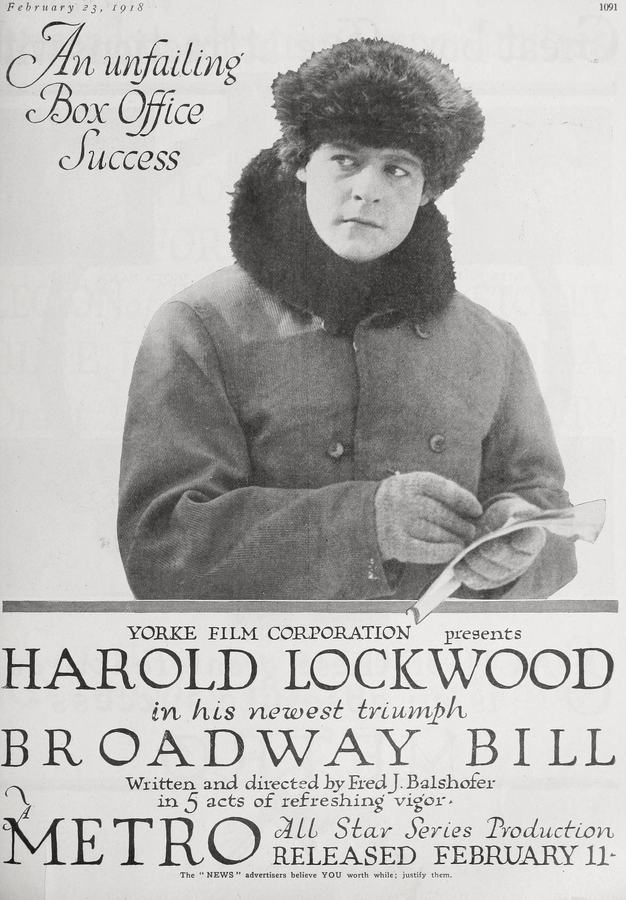
In the annals of early cinema, where narratives often painted in broad strokes yet resonated with profound human truths, Fred J. Balshofer's Broadway Bill emerges as a surprisingly nuanced exploration of transformation and the arduous journey towards self-reckoning. This isn't merely a tale of a dissolute playboy finding his footing; it's a profound cinematic testament to the human capacity for change, a struggle against both external adversaries and internal demons. The film, perhaps more prescient than it initially appears, delves into themes of addiction, betrayal, and the redemptive power of love and honest labor, all set against the stark, unforgiving backdrop of the Maine wilderness.
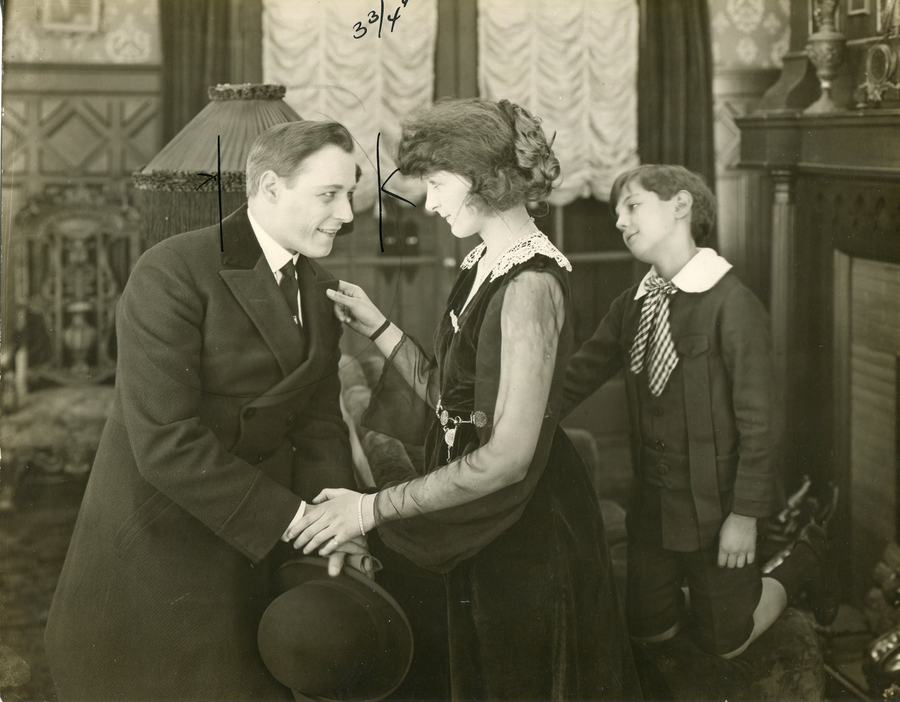
At its heart lies "Broadway Bill" Clayton, portrayed with a compelling blend of initial swagger and eventual vulnerability by William Black. Bill is a creature of urban excess, a man whose life has been meticulously carved out of leisure and indulgence, far removed from the rigors of meaningful existence. His heavy drinking isn't just a habit; it's a symptom of a deeper malaise, a spiritual emptiness that even the glittering lights of New York cannot fill. His motivation to seek reform, ostensibly to reclaim the affections of Muriel Latham (likely brought to life with grace by Martha Mansfield, though specific cast roles can blur in the mists of time), is a classic romantic trope, yet it serves as a potent catalyst for a far more significant internal odyssey.
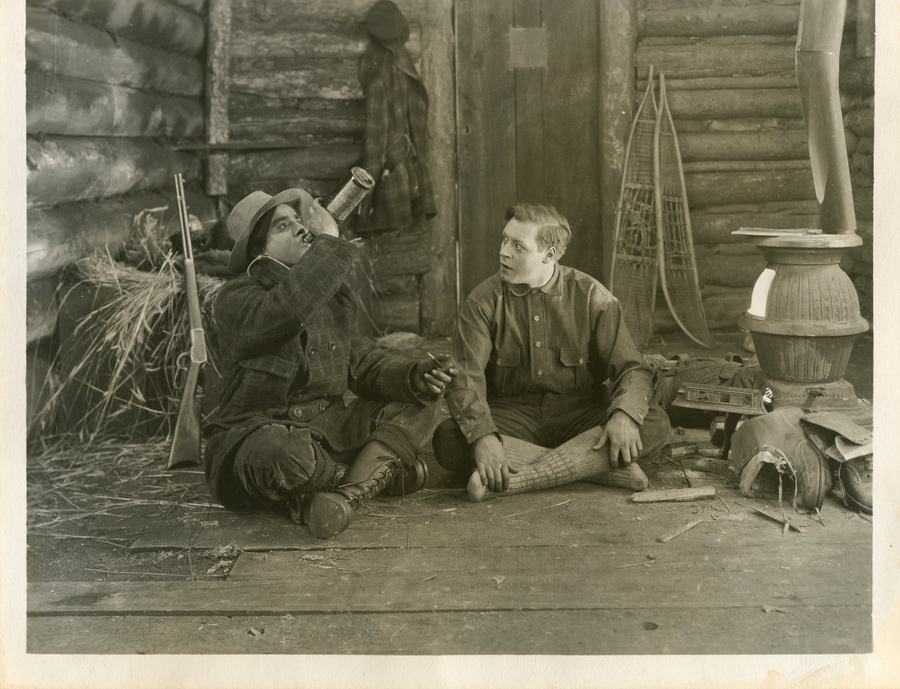
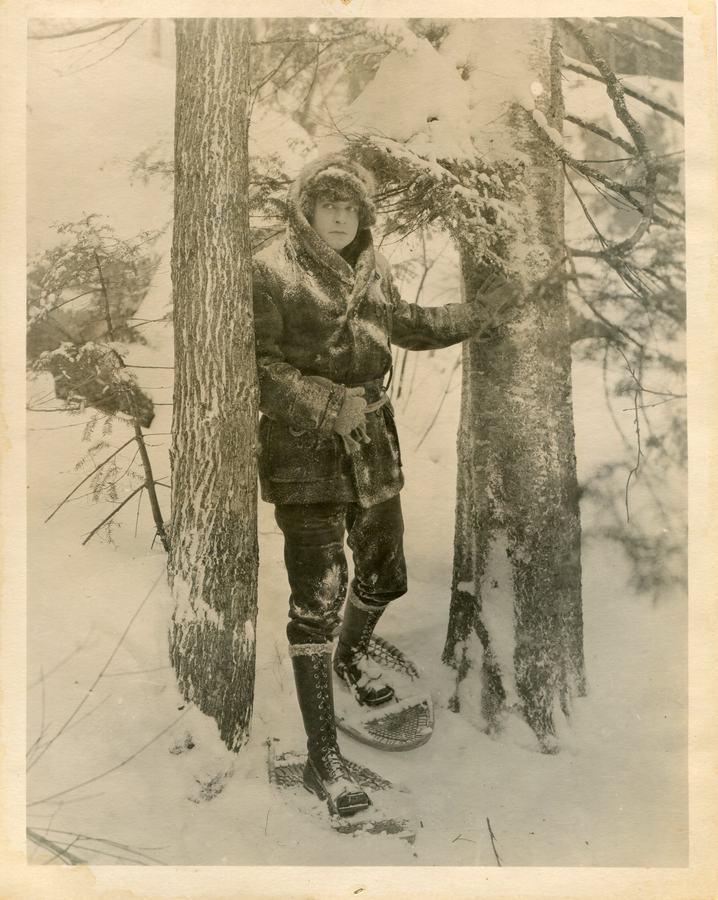
The decision to trade Manhattan's sophisticated debauchery for the raw, unpolished reality of John Underwood's lumber camp in Maine is a stark, almost symbolic, rejection of his former life. This isn't just a change of scenery; it's an immersion into an entirely different ecosystem, one governed by physical exertion, communal reliance, and the primal rhythms of nature. It's here, amidst the towering pines and the scent of sap, that Bill's true trials begin, not merely with the axe and the saw, but with the insidious machinations of Buck Hardigan. Hardigan, the camp foreman, embodies a more rustic, yet equally potent, form of corruption. His illicit syrup trade paints him as a man driven by greed, and Bill's arrival, interpreted through Hardigan's jaundiced lens, instantly casts him as an interloper, a spy sent to expose his nefarious enterprise. This immediate antagonism sets the stage for a dramatic clash, transforming Bill's quest for personal redemption into a fight for survival.
The film then unfurls a series of perilous plots orchestrated by Hardigan, each designed to eliminate Bill. These sequences, undoubtedly crafted for maximum suspense in the silent era, would have highlighted Bill's burgeoning resilience and resourcefulness. He navigates these treacherous currents, surviving attempts on his life, not through brute force initially, but likely through a combination of wit, luck, and an awakening instinct for self-preservation. This period of adversity is crucial; it strips away the layers of his former privileged existence, forcing him to confront danger head-on and rely on his own nascent strength. The eventual confrontation, a physical showdown between Bill and Buck, represents more than just a victory over a villain; it signifies Bill's complete ascendancy over his past weaknesses and his full integration into this new, demanding world. His election as foreman is the ultimate validation, a recognition by his peers of his earned authority and transformed character.
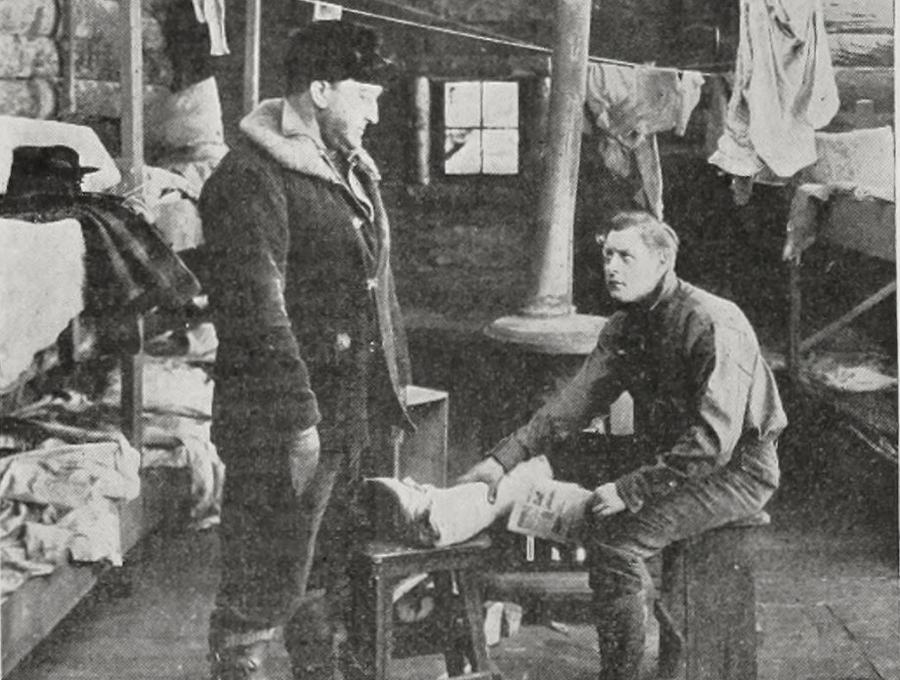
Yet, the path to redemption is rarely linear, and Broadway Bill astutely acknowledges this fragility. Just as Bill seems to have conquered his struggle with alcohol, a cruel twist of fate, in the form of a misprinted newspaper item falsely proclaiming Muriel's engagement to another, threatens to unravel all his progress. This moment is particularly poignant, illustrating how external circumstances, even erroneous ones, can trigger deeply ingrained vulnerabilities. His immediate impulse to revert to drink underscores the enduring grip of addiction, a shadow that lingers even after significant strides toward sobriety. It’s a powerful narrative choice, echoing the cyclical nature of many personal battles and demonstrating that true victory is often a continuous process, not a singular event. One might draw parallels here to the internal struggles depicted in films like The Curse of Greed, where characters battle pervasive vices that threaten to consume them, or even the moral quandaries faced in The Birth of Character, where protagonists must overcome significant personal flaws to achieve a higher state of being.
The climax of the film, however, provides the crucial resolution. Muriel's timely arrival at the camp with Underwood, dispelling the journalistic fabrication, not only clears up the misunderstanding but also serves as a direct affirmation of Bill's worth and Muriel's unwavering affection. This moment of clarity is swiftly followed by Bill's heroic act of rescuing Muriel's brother, Jack, during a raging snowstorm. This climactic sequence serves multiple purposes: it showcases Bill's physical courage, his selflessness, and his complete transformation from a self-absorbed idler to a responsible, heroic figure. The snowstorm itself acts as a formidable, impersonal antagonist, a final test of Bill's mettle, proving his mastery over nature and his own character. This confluence of romantic resolution and heroic action solidifies Bill’s redemption, allowing him to finally embrace a future built on genuine love and hard-earned respect.
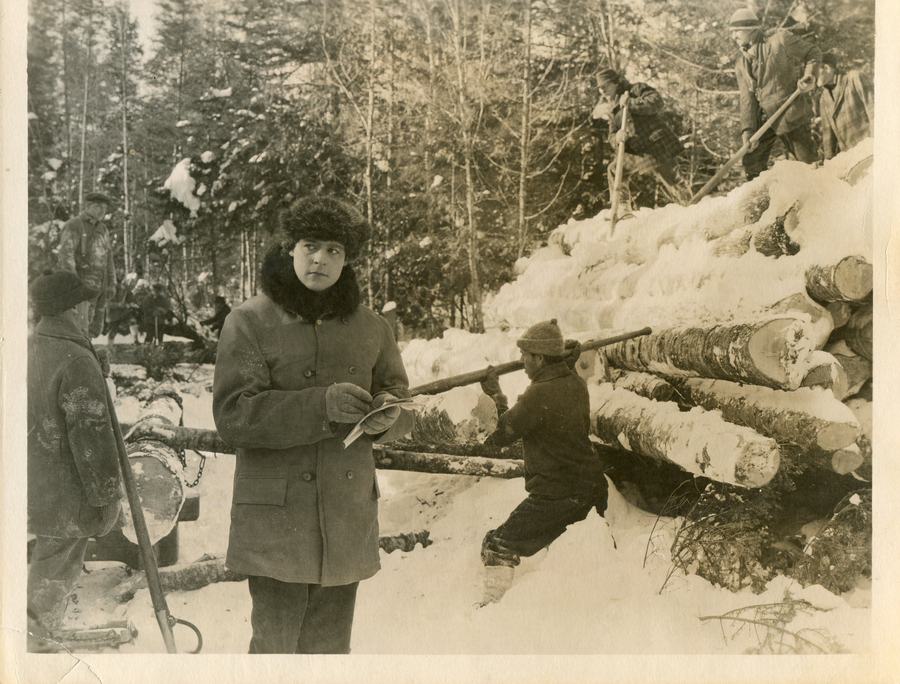
The strength of Broadway Bill undoubtedly rests upon the committed performances of its cast. William Black, in the titular role, must have navigated the delicate balance of portraying a man utterly transformed, from his initial languor to his eventual gritty determination. Silent film acting, with its reliance on exaggerated gestures and facial expressions, demanded a particular kind of artistry, and Black's portrayal of Bill's internal conflict and burgeoning strength would have been central to the film's emotional resonance. Martha Mansfield, as Muriel Latham, likely brought a quiet dignity and steadfastness to her role, serving as both Bill's motivation and his ultimate anchor. The ensemble cast, including Bert Starkey, Artie Ortego, Stanton Heck, William Clifford, Cornish Beck, Raymond Hadley, Tom Blake, and Harold Lockwood, would have contributed to the verisimilitude of the lumber camp environment, creating a vibrant, if sometimes dangerous, community around Bill.
Fred J. Balshofer, as both writer and director, demonstrates a keen understanding of narrative pacing and character development within the constraints of the silent medium. The film’s structure, moving from urban decadence to rural hardship, from personal struggle to heroic triumph, is a classic template, yet Balshofer imbues it with a sense of genuine human struggle. The visual language of the film, even without dialogue, would have been crucial in conveying Bill's internal state and the escalating tension with Hardigan. The stark beauty of the Maine landscape would have served as a powerful visual metaphor for Bill's own rugged journey, contrasting sharply with the artificiality of his former life.
Beyond the individual narrative, Broadway Bill offers a fascinating glimpse into societal attitudes of its time. The portrayal of a 'playboy' as inherently flawed, requiring a 'reform' through honest labor, speaks to a broader cultural value placed on industry and self-sufficiency. The film subtly critiques the idle rich while simultaneously championing the virtues of the working class. This thematic undercurrent of class contrast, where genuine character is forged in the crucible of hardship rather than inherited privilege, would have resonated strongly with audiences. It's a testament to the idea that true worth is not found in one's social standing but in one's actions and moral fortitude.
The film also explores the destructive nature of false perceptions and the critical role of communication in resolving misunderstandings. The newspaper article, a seemingly innocuous piece of information, nearly shatters Bill's hard-won sobriety and his relationship with Muriel. This narrative device highlights the fragility of trust and the power of misinformation, a theme that remains remarkably relevant even today. One could consider how other films of the era, such as Passers By or Rosemary, might have explored similar social dynamics or romantic hurdles caused by external pressures.
In its depiction of a man battling internal and external adversaries, Broadway Bill shares common ground with several contemporaries. The relentless antagonism from Buck Hardigan, with his underhanded plots, could be seen as a precursor to the suspenseful mysteries found in films like The Mystery of Room 13 or Apartment 29, where protagonists must unravel dangerous schemes. The theme of a protagonist finding their moral compass and purpose, often through hardship, resonates with the character-driven narratives of films like The Greatest Thing in Life, which frequently explored the transformative power of experience. Similarly, the journey of self-discovery and overcoming personal failings aligns with the broader genre of redemption stories that have captivated audiences across cinematic eras, akin to the profound shifts in perspective seen in Midnatssjælen, if it explores deep psychological change.
The film's exploration of a man's struggle against his own inherent weaknesses and the temptations of his past provides a rich psychological landscape, a challenging endeavor for the silent screen. This internal battle, even more than the external physical conflicts, makes Bill a compelling figure. The narrative arc, from utter degradation to heroic self-possession, is a testament to the enduring power of classic storytelling. It’s a reminder that even in an era of nascent cinematic language, filmmakers were capable of crafting complex human dramas that transcended mere spectacle, aiming for something deeper and more resonant.
Ultimately, Broadway Bill is more than just a historical artifact; it's a vibrant narrative that speaks to timeless human experiences. It champions the idea that redemption is always within reach, that love can be a powerful motivator for change, and that true character is forged in the fires of adversity. Its message, delivered through the expressive artistry of silent film, continues to resonate, reminding us that the journey from self-destruction to self-mastery is perhaps the greatest adventure of all. The film stands as a testament to the early cinema's capacity for sophisticated storytelling, offering a compelling blend of romance, action, and profound character development that holds up even a century later. It invites us to reflect on our own struggles, our own moments of doubt, and the enduring hope for clarity and connection that defines the human spirit.
IMDb 6
1928
Community
Log in to comment.