DbcultAccessing Vault...
Cult Review
Senior Film Conservator
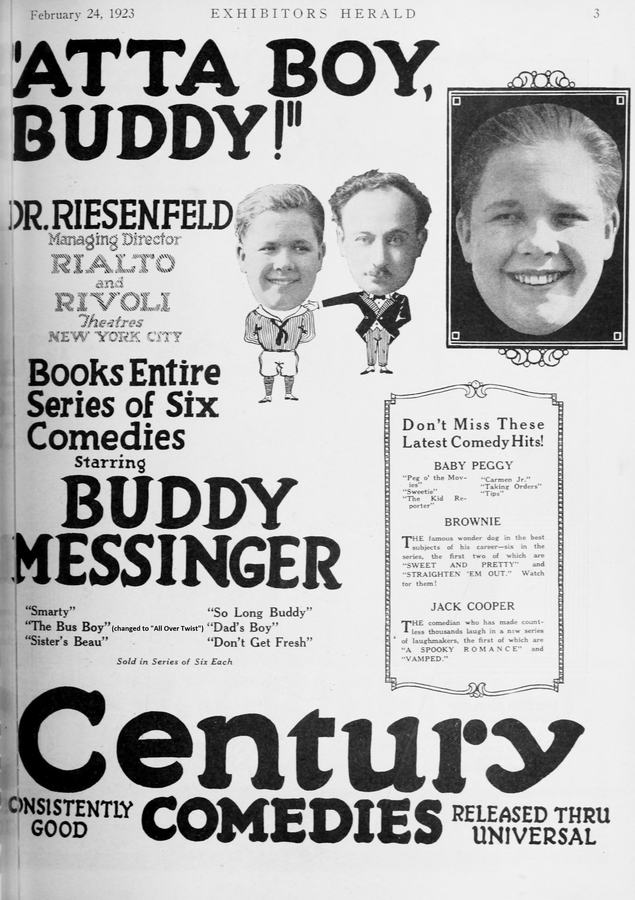
There is a peculiar, almost haunting quality to the juvenile comedies of the early 1920s, a genre that has largely been swallowed by the sands of cinematic history. All Over Twist (1922) stands as a defiant relic of this era, a film that refuses to be categorized merely as a 'kid's movie.' Directed with a surprising sense of spatial awareness by Archie Mayo, the film serves as a showcase for Buddy Messinger, a performer whose precocity and physical timing rivaled the adult titans of the silent screen. Unlike the more sentimentalized depictions of youth found in Little Orphant Annie, Messinger’s Buddy is a character of agency, ambition, and, ultimately, a victim of the sheer unpredictability of the animal kingdom.
The inciting incident of the film—a lunch date—is a classic setup, but the execution is anything but standard. The introduction of Maude the Mule as a romantic rival is a stroke of genius that borders on the bizarre. We often see animals in silent films as sidekicks or obstacles, as in the later The Dog Doctor, but Maude displays a psychological depth that is unsettling. Her refusal to pull the carriage isn't just a lack of training; it is presented as a calculated act of emotional protest. When she decides to lie down in the middle of the street, it isn't just slapstick—it's an existential strike against Buddy’s blossoming interest in Sadie Campbell.
The subsequent invasion of the dining room is where Mayo’s direction truly shines. The contrast between the rigid, polite decorum of the guests and the lumbering, destructive presence of the mule creates a tension that is both hilarious and anxiety-inducing. Fred Spencer’s attempts to remove the beast are exercises in futility, highlighting the fragility of adult authority when faced with raw, unbridled nature. It reminds one of the social disruptions in The Honorable Algy, though with a far more literal 'bull in a china shop' energy—or, in this case, a mule in a dining room.
As the film transitions into its second act, the setting shifts to the bakery owned by Buddy’s father, Jack Henderson. This change of scenery allows the film to engage with the quintessential language of silent comedy: the physical gag. Messinger’s role as a busboy is a masterclass in the 'clumsy-yet-calculated' movement that defined the period. The kitchen becomes a stage for a ballet of flour, dough, and the inevitable pie-to-the-face. While films like Snappy Cheese played with similar culinary chaos, All Over Twist maintains a frantic pace that keeps the audience off-balance.
The use of physical space in the bakery is particularly noteworthy. Mayo utilizes depth of field to show the burgeoning disasters in the background while Buddy attempts to maintain a facade of professionalism in the foreground. This layering of comedy is sophisticated for a short of this nature. It moves beyond the simple 'man falls down' trope and explores the cumulative effect of small mistakes leading to an avalanche of disaster. It’s a thematic cousin to the unraveling social structures seen in The Moral Fabric, albeit played for laughs rather than melodrama.
If the first two acts are grounded in the mud of the street and the flour of the kitchen, the finale is a breathtaking leap into the fantastic. The decision to have Buddy and Sadie escape the chaos via a giant balloon is a narrative pivot that feels remarkably modern. It is an act of pure escapism, a literal rising above the mundane problems of jealous mules and demanding fathers. This sequence provides a visual lyricism that is often missing from contemporary slapstick. As they sail off to 'parts unknown,' the film sheds its comedic skin and becomes a brief, shining meditation on the freedom of youth.
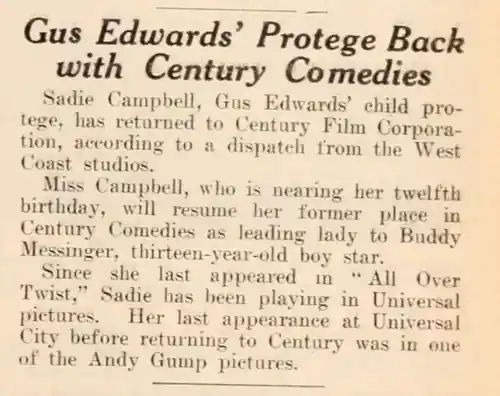
This ending provides a stark contrast to the more grounded, often harsh realities depicted in other 1922 releases like Nanook of the North. While Nanook was documenting the struggle for survival, All Over Twist was celebrating the struggle for joy. The balloon is not just a prop; it is a symbol of the untethered potential of the new generation. It mirrors the romantic aspirations found in Seventeen, but with a whimsicality that is uniquely its own.
Watching Buddy Messinger in this film, one cannot help but reflect on the nature of child stardom in the silent era. Messinger possessed a world-weariness that made his romantic pursuits feel authentic, even when he was being chased by a mule. His performance is a far cry from the saccharine child actors of the sound era. He is a working-class hero, a busboy, a driver, and a lover. His versatility is comparable to the leads in Playing the Game, where the stakes of the 'game' are both social and physical.
The supporting cast, including the formidable Merta Sterling and the imposing Tiny Ward, provides a solid foundation for Messinger’s antics. Their reactions to the mule’s havoc and the bakery’s destruction are essential in grounding the film’s more absurd elements. Without their 'straight man' performances, the film might have drifted too far into the surreal, losing the human element that makes the comedy land. Even the minor characters, like those seen in Movie Fans, contribute to a sense of a lived-in, if slightly insane, world.
While many shorts of this era relied on static wide shots, All Over Twist experiments with camera placement to heighten the comedy. The 'mule’s eye view' of the dining room and the close-ups of the catastrophic pies add a layer of intimacy to the mayhem. It’s a visual language that Archie Mayo would continue to refine throughout his career. The film lacks the grand scale of The Loves of Pharaoh, but it makes up for it with a dense, claustrophobic energy that makes the final balloon escape feel all the more liberating.
The restoration of such films is vital, as they provide a missing link in the evolution of American comedy. In the same way that My Lady's Ankle explored the nuances of social obsession, All Over Twist explores the obsession with the 'perfect date' and the inevitable forces of nature that conspire against it. It is a film that rewards multiple viewings, as the background gags and the subtle expressions of Maude the Mule reveal new layers of humor with each watch.
Ultimately, All Over Twist is a triumph of juvenile comedy. It balances the grotesque with the whimsical, the domestic with the industrial, and the earthly with the aerial. It is a reminder that even in 1922, filmmakers were pushing the boundaries of what a comedy could be. Whether it is the sheer audacity of a mule in a dining room or the dreamlike beauty of a balloon flight, the film remains a potent example of visual storytelling. It stands alongside other character-driven comedies like Colonel Carter of Cartersville or the marital farces of All for a Husband as essential viewing for any serious student of the silent screen.
In an era where we are inundated with CG-heavy spectacles, there is something deeply refreshing about the tactile, messy reality of All Over Twist. The flour is real, the pies are real, and the mule is most certainly real. It is a testament to the enduring power of physical comedy and the timeless appeal of a young boy trying to impress a girl, even if he has to fly away in a balloon to do it. If you have the chance to see this rare short, do not pass it up. It is a dizzying, delightful, and thoroughly twisted piece of cinematic history.
IMDb —
1917
Community
Log in to comment.