DbcultAccessing Vault...
Cult Review
Senior Film Conservator
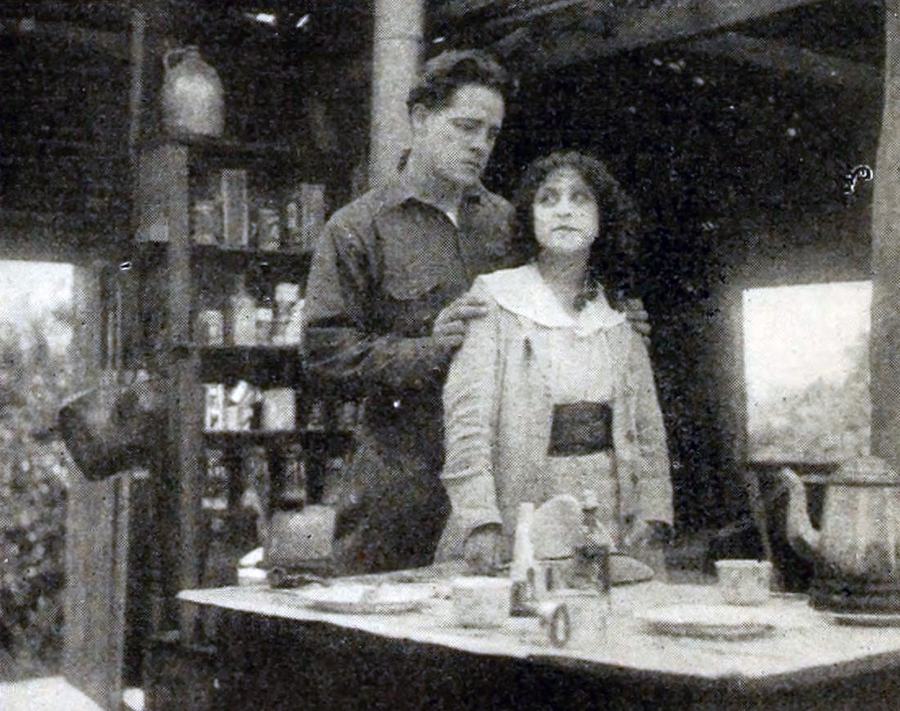
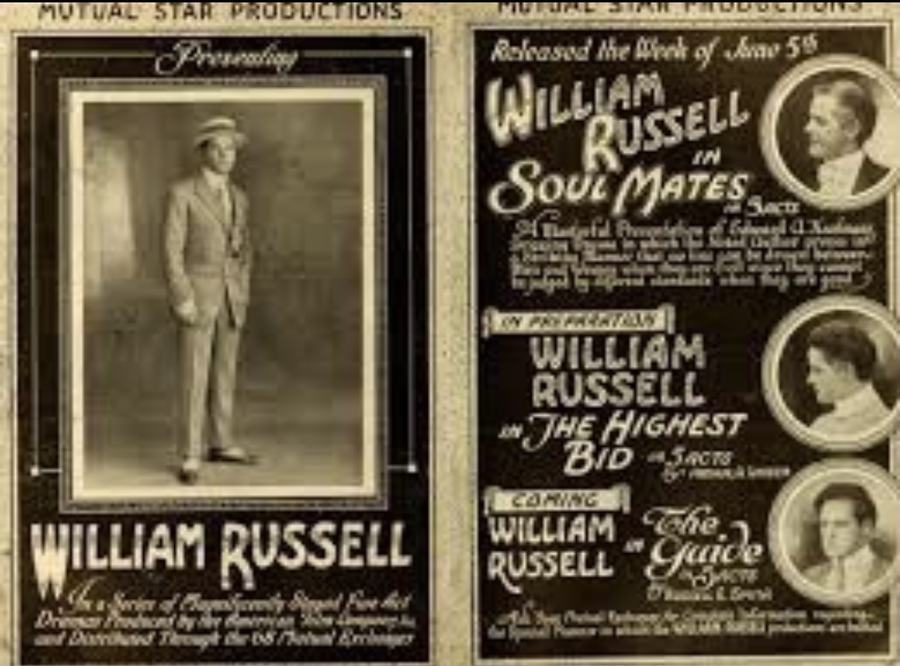
Stepping into the flickering glow of early cinema, one often anticipates narratives steeped in grand romance, stark moralities, and the dramatic interplay of fate and fortune. 'The Highest Bid,' a compelling silent film from a bygone era, delivers precisely this, yet with a nuanced depth that elevates it beyond mere melodrama. Directed by William Russell, who also takes on the pivotal role of Oliver Strong, the film unfurls a tapestry woven with threads of ambition, betrayal, and the enduring quest for authentic connection amidst the clamor of material desire. It's a testament to the power of storytelling that even without spoken dialogue, the emotional arcs and societal critiques resonate profoundly, inviting contemporary viewers to ponder the timeless dilemmas it presents.
At its core, 'The Highest Bid' is a meticulous examination of how societal pressures, particularly those exerted by wealth and status, can warp personal relationships and test the very fabric of human loyalty. We are introduced to Elise Burleigh, portrayed with a delicate blend of vulnerability and burgeoning resolve by Marie Van Tassell. Elise is, initially, a pawn in her mother's elaborate game of social chess. Mrs. Burleigh, a character painted with broad strokes of calculating ambition, envisions a future for her daughter paved with gold, not genuine affection. Her machinations, while seemingly for Elise's 'benefit,' ultimately serve as the primary antagonist to the blossoming romance between Elise and Oliver Strong. This setup immediately positions the film as a commentary on the transactional nature of marriage in certain social strata, a theme that, regrettably, finds echoes even in modern narratives. One might draw a thematic parallel to films like Sold for Marriage, where the commodification of marital unions is similarly explored, though 'The Highest Bid' adds the layer of an initially accepted love being subsequently rejected due to external pressures.
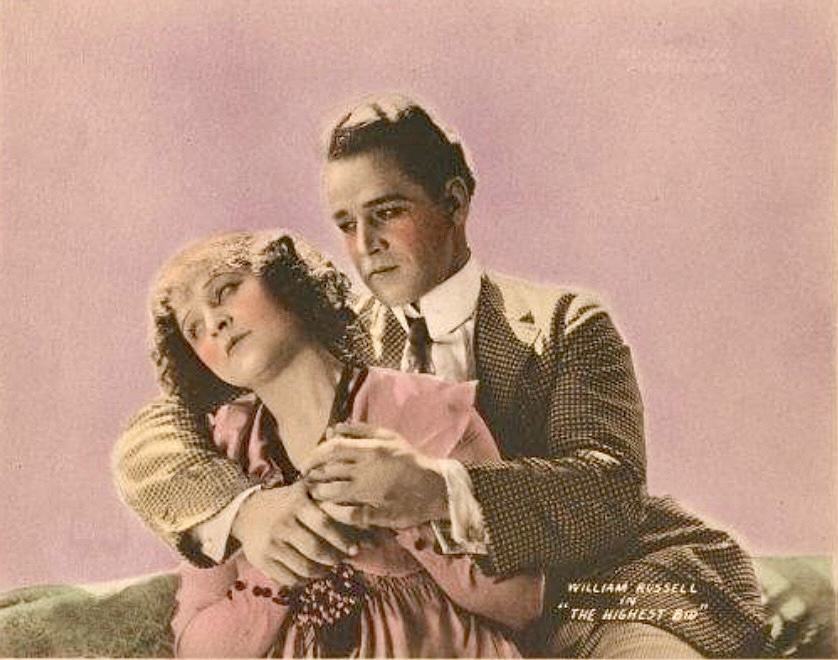
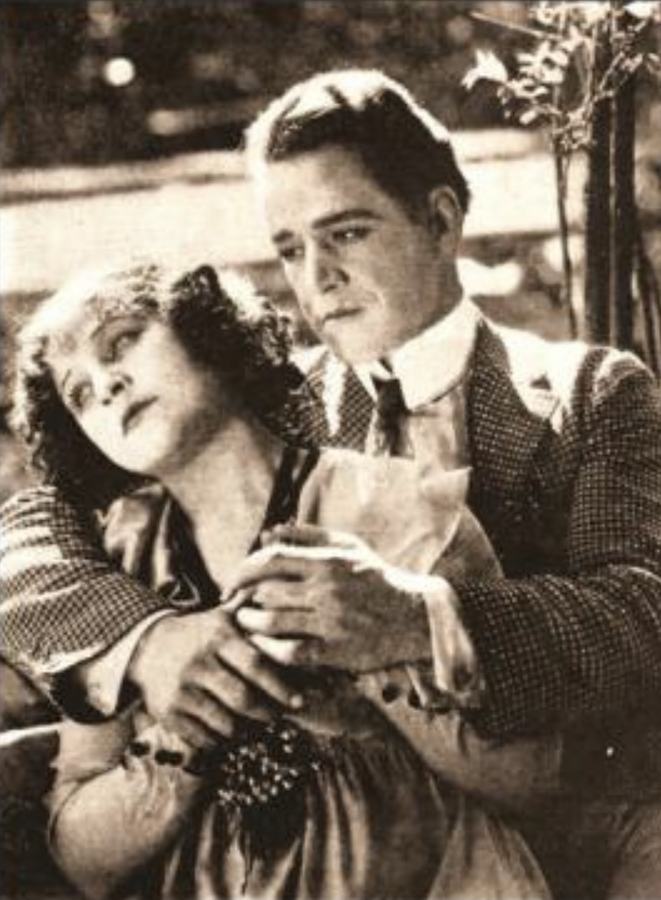
Oliver Strong, as embodied by William Russell, is the quintessential self-made man of his time. His journey from obscurity to financial prominence is built on grit and an unyielding spirit. Russell imbues Strong with a quiet dignity and an earnestness that makes his initial triumph and subsequent downfall all the more poignant. His love for Elise, depicted as 'love at first sight,' is presented with a sincerity that feels almost anachronistic against the backdrop of Mrs. Burleigh's cold pragmatism. This immediate, visceral connection forms the emotional bedrock of the film, providing the audience with a clear anchor of true feeling amidst the swirling currents of avarice and deceit. The writers, Arthur Henry Gooden and J. Edward Hungerford, craft a narrative that, despite its silent medium, speaks volumes about the human heart's capacity for both profound love and devastating heartbreak.
The initial engagement between Elise and Strong, much to Mrs. Burleigh's satisfaction (as it aligns with her financial aspirations), is a fleeting moment of joy. The subsequent betrayal and financial ruin engineered by Addison Grey, played with a suitable air of duplicity by Harry Keenan, serves as the narrative's primary catalyst. Grey is not just a rival; he is an embodiment of unscrupulous ambition, delighting in Strong's misfortune. This character arc, where an antagonist actively enjoys the suffering of the protagonist, adds a layer of malevolence that elevates Grey beyond a simple obstacle. His actions are not just about business; they are personal, driven by a desire to utterly dismantle Strong's life. The film effectively uses Grey to highlight the dark underbelly of unchecked capitalist ambition, a theme that could be subtly compared to the moral ambiguities explored in films like The Banker's Daughter, where financial dealings often dictate personal fates.
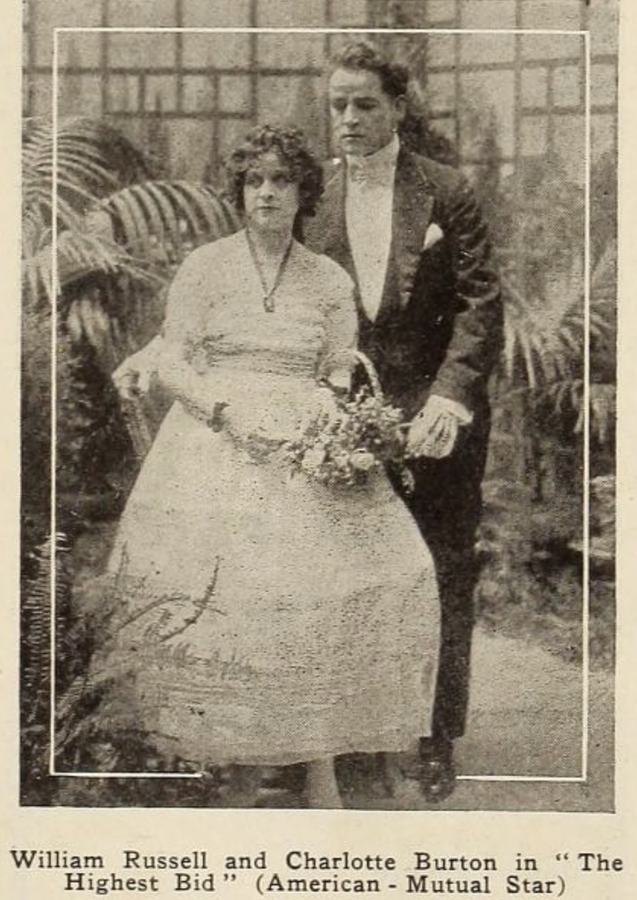
Strong's subsequent collapse, both financial and spiritual, is rendered with a heartbreaking authenticity. The scene where Mrs. Burleigh induces Elise to break off the engagement, returning the ring, is a powerful moment of silent cinema. It underscores the brutal reality that, for some, love is a luxury that can only be afforded when accompanied by a robust financial portfolio. Elise's internal conflict, though unspoken, is palpable. She is torn between her genuine affection for Strong and the immense pressure from her mother, coupled with the ingrained societal expectation of maintaining a certain lifestyle. This pivotal decision to sever ties, even under duress, forms a crucial part of her character arc, setting the stage for her later redemption.
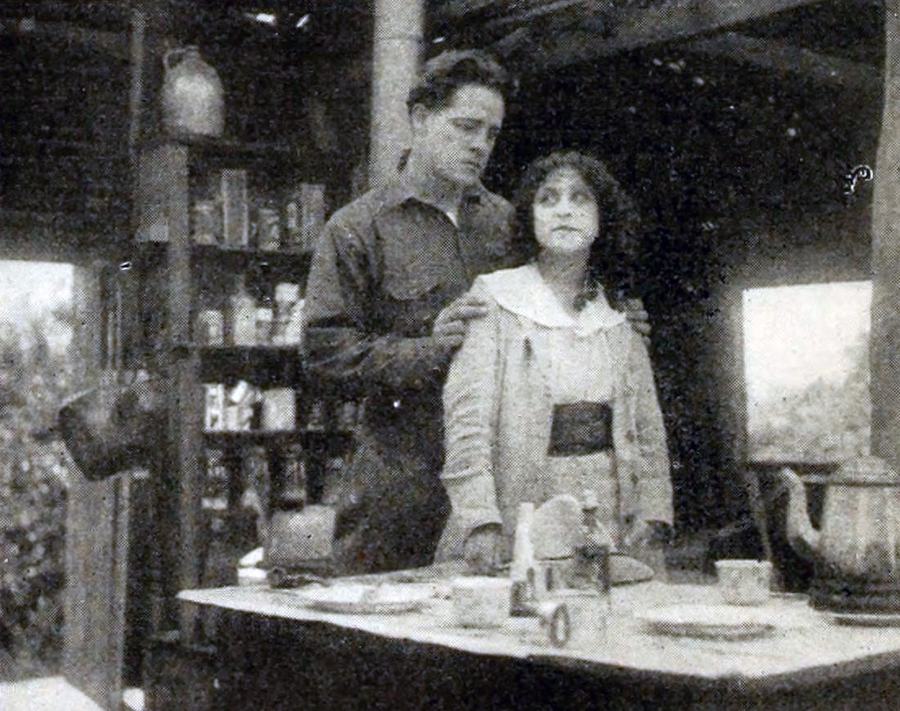
Seeking solace and escape from the crushing weight of his misfortunes, Strong retreats into the majestic, yet unforgiving, wilderness of the Sierras. This geographical shift is not merely a change of scenery; it's a symbolic journey into self-discovery and resilience. Here, he encounters Uncle Jerry, an eccentric character whose wisdom and unwavering belief in a hidden gold vein in Eagle Canyon offer Strong a new purpose. William S. Hooser, as Uncle Jerry, provides a much-needed foil to Strong's despair, injecting a sense of hope and adventure into the narrative. Their partnership, forged in the rough-hewn cabin and the arduous search for gold, represents a return to fundamental values – hard work, perseverance, and the camaraderie of shared struggle. It’s a departure from the superficiality of urban life, a 'back to basics' narrative that resonates with the American pioneering spirit.
Meanwhile, the urban drama continues its relentless march. Mrs. Burleigh, ever the strategist, swiftly pivots her matrimonial sights to Addison Grey, the very man who orchestrated Strong's ruin. The ease with which she engineers an engagement between Grey and Elise highlights the chilling efficiency of her social maneuvering. This engagement, devoid of genuine affection on Elise's part, serves as a stark contrast to her earlier connection with Strong. It's a marriage of convenience, or rather, inconvenience for Elise, driven purely by financial and social expediency. The narrative here keenly observes the transactional nature of high society, where individuals are often treated as assets rather than sentient beings with emotional lives.
A twist of fate brings the estranged lovers back into contact when Grey invites Mrs. Burleigh and Elise to his hunting lodge in the very same Sierras where Strong has sought refuge. This 'picturesque and romantic incident' of their reunion is a masterstroke of storytelling, leveraging the stark beauty of the natural world to amplify the emotional intensity. Elise, confronted once more with Strong, is compelled to acknowledge her enduring love for him. Yet, the chasm between her life of luxury and his 'sordid' camp existence appears insurmountable. Her internal struggle is palpable; the comfort and security of her accustomed life battle against the raw, untamed affection she still holds for Strong. Her affectionate farewell, though heart-wrenching, reflects the pragmatic (or perhaps, cowardly) choice to return to her intended husband, Grey, and the life of privilege he represents. This moment is crucial for Elise's development, as it reveals the depth of the societal conditioning she must overcome.
The narrative then takes a dramatic turn with Strong's discovery of the 'wonderful ledge of virgin gold.' This moment of immense fortune is not merely a convenient plot device; it serves as a powerful symbol of vindication and a means for Strong to test Elise's true affections. His decision to withhold this fabulous wealth from her is a calculated gamble, a final, poignant examination of whether her love is truly unconditional, or if it remains tethered to his financial standing. This psychological test adds considerable depth to Strong's character, demonstrating his desire for a love that transcends material considerations. It’s a classic trope, certainly, but handled here with a conviction that feels earned.
The climax of the film arrives with the terrifying spectacle of a forest fire. This natural disaster is more than just an external threat; it's a crucible that strips away pretenses and reveals true character. Addison Grey, when faced with genuine peril, 'shows the white feather,' demonstrating his inherent cowardice. His moral bankruptcy, previously confined to financial dealings, is now exposed in a life-or-death situation. In stark contrast, Strong, embodying the very essence of courage and selflessness, is 'absolutely fearless.' This dramatic juxtaposition serves to highlight the fundamental differences between the two men, not just in wealth, but in intrinsic worth. Charlotte Burton, in her role, though not a central character, likely contributes to the moral landscape of the film, perhaps as a background figure whose reactions subtly underscore the unfolding drama.
It is amidst this raging inferno that Elise's transformation is completed. Her declaration to Grey that she is 'fighting for Strong's home and her own too' is a powerful moment of self-actualization. She sheds the constraints of her mother's expectations and her own initial fear of poverty, embracing a future defined by authentic love and shared struggle, rather than superficial comfort. This declaration is not just about a home; it's about a future, a partnership, and a life built on solid ground, not shifting sands of wealth. The fire, therefore, becomes a cleansing force, burning away the illusions and revealing the bedrock of true affection. This powerful resolution, where love triumphs over adversity and material temptation, provides a deeply satisfying conclusion to the narrative. The 'entire discomfiture of Grey' is not merely his defeat but a moral victory for the values that Strong and Elise ultimately represent.
From a technical perspective, for a film of its era, 'The Highest Bid' likely utilized the visual storytelling techniques common to silent cinema, relying on expressive acting, dramatic staging, and intertitles to convey dialogue and internal thoughts. The use of natural landscapes, particularly the Sierras and the forest fire, would have provided spectacular backdrops, adding a grand scale to the intimate human drama. The director, William Russell, along with writers Arthur Henry Gooden and J. Edward Hungerford, crafted a narrative that, while adhering to certain conventions of the time, managed to explore complex themes with clarity and emotional resonance. The pacing, typical of early films, might feel deliberate to modern audiences, but it allows for a deeper immersion into the characters' emotional journeys.
Comparing 'The Highest Bid' to other films of its period, one might find thematic echoes. The struggle between material gain and spiritual fulfillment, for instance, is a timeless subject explored in many narratives. While not a direct comparison, the moral quandaries faced by characters in films such as The Reincarnation of Karma or The Reward of Patience often revolve around the consequences of choices made under pressure, much like Elise's initial decision to leave Strong. However, 'The Highest Bid' distinguishes itself with its dramatic use of natural elements – the gold discovery and the forest fire – as pivotal plot drivers and character tests, giving it a distinct flavor of rugged American individualism and triumph.
In conclusion, 'The Highest Bid' stands as a compelling artifact of early filmmaking, offering more than just a glimpse into cinematic history. It presents a robust narrative that dissects the perennial conflict between love and money, ambition and integrity. The performances, particularly by William Russell and Marie Van Tassell, convey a depth of emotion that transcends the limitations of the silent screen. It's a story that, despite its vintage, speaks to contemporary audiences about the enduring value of true affection, the corrupting influence of greed, and the transformative power of adversity. The film’s ultimate message is one of hope: that even when stripped of everything, genuine character and love can find a way to emerge victorious, proving that some bids, particularly those of the heart, are priceless. The meticulous storytelling by Gooden and Hungerford, brought to life by Russell's direction and performance, ensures that this tale of resilience and romance continues to resonate, reminding us that the highest bid is not always measured in gold, but in the unwavering strength of the human spirit.
IMDb 3.9
1933
Community
Log in to comment.