DbcultAccessing Vault...
Cult Review
Senior Film Conservator
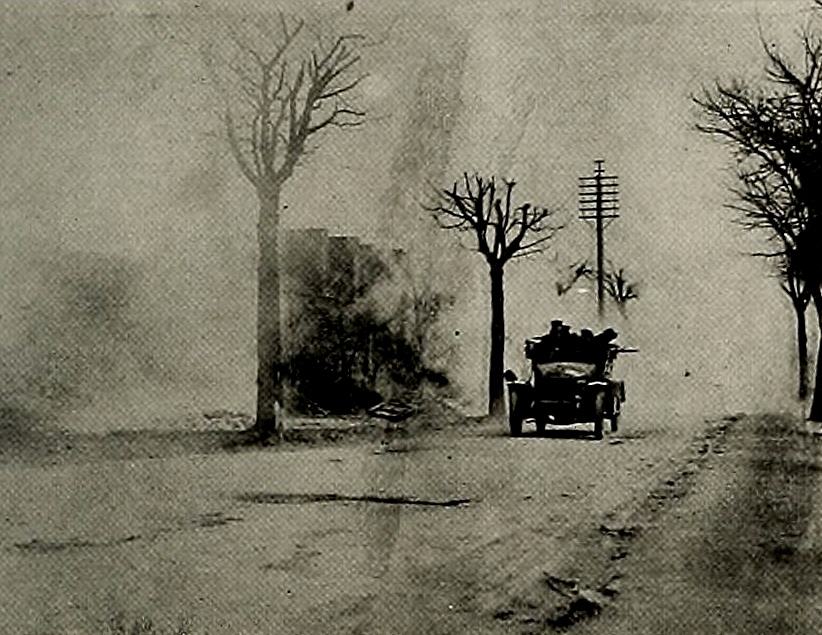
Stepping back into the nascent era of cinematic storytelling, "The War Correspondents" emerges not merely as a historical artifact but as a surprisingly prescient narrative, brimming with the raw energy and dramatic flourishes characteristic of early 20th-century filmmaking. Penned by none other than the legendary Carl Theodor Dreyer, a name that would later become synonymous with profound psychological depth and stark realism, this film, even in its role as a writer's credit, hints at an underlying ambition to explore human nature under duress. It plunges us headfirst into the tumultuous world of wartime journalism, a realm where truth is a prized commodity and the race to deliver it defines professional existence.
At its core, the film unravels a fervent rivalry between two newspaper men: Bretton, portrayed with an earnest vigor by Emanuel Gregers, and Clark, a more conniving figure brought to life by Bertel Krause. Bretton, initially armed with impeccable credentials from the Minister of War, embodies the intrepid spirit of a journalist eager to make his mark. However, his journey quickly devolves into a desperate struggle for survival and professional integrity, thanks to Clark's relentless and often unethical machinations. From the moment Clark, a correspondent for a rival publication, spots Bretton's coveted letters of recommendation during a customs inspection, the die is cast. His immediate resolution to steal them sets a tone of cutthroat competition that pervades the entire narrative. This isn't just about reporting the news; it's about being the first, the exclusive, the definitive voice, even if it means resorting to underhanded tactics. The film deftly illustrates the intense pressures of the profession, where access and speed are paramount, foreshadowing the relentless 24/7 news cycle of a century later.
The initial theft of Bretton's papers, a pivotal act of betrayal, leaves our protagonist vulnerable and sets him on a path fraught with peril. It's a classic underdog tale, where the hero must overcome not only the external dangers of war but also the internal treachery of a colleague. This theme of journalistic ethics, or the distinct lack thereof, resonates even today, prompting reflection on the lengths individuals will go to for success. While contemporary audiences might find Clark's villainy somewhat one-dimensional, it serves its purpose in propelling the plot forward, creating constant obstacles for Bretton to surmount.
The narrative deftly transitions from the individual rivalry to the broader, more brutal canvas of war itself. We are introduced to Sonia, played with poignant grace by Emilie Sannom, a young shepherdess whose idyllic existence is shattered by the indiscriminate violence of conflict. The scene of her father's death by a stray bullet and her solitary act of burial is a powerful, stark moment, grounding the film's grander ambitions in deeply personal tragedy. It’s a moment that, despite the film’s early cinematic language, speaks volumes about the innocent casualties of war, a theme that would be explored with increasing sophistication in later war dramas. One might draw a parallel to the raw, unvarnished depiction of suffering seen in other early films grappling with historical events, such as The Independence of Romania, though "The War Correspondents" focuses more on individual plight.
Sonia's introduction is not merely for pathos; she quickly becomes an indispensable force in Bretton's saga. Their first encounter, following Bretton's dramatic fall from a precipice while observing a skirmish, is a moment of pure, unadulterated melodrama. His cries for help, echoing across the rugged Balkan landscape, are answered by Sonia, who risks her own safety to pull him from the brink. This act of selfless heroism immediately ignites a spark between them, a nascent romance blossoming amidst the chaos of battle. It’s a recurring trope in wartime narratives, where profound human connections forge rapidly under extreme circumstances, a testament to the enduring power of hope and companionship in despair.
The film's episodic structure, driven by Bretton's continuous struggle, keeps the audience on the edge of their seats. No sooner is Bretton rescued by Sonia than he is arrested by soldiers, sans credentials, on suspicion of being a spy. This sequence, culminating in his audacious escape from the guard tent on horseback, dodging a volley of bullets, is a masterclass in early action filmmaking. It demonstrates a kinetic energy that belies the technological limitations of the era, relying on clever staging and the inherent drama of the situation. This kind of thrilling escape narrative was popular in early cinema, much like the daring feats depicted in serials or adventure films such as The Adventures of Kathlyn, albeit within a more grounded, war-torn context.
Sonia, far from being a passive damsel, proves herself to be an ingenious and resourceful ally. Her clever trickery, detaining Clark just long enough for Bretton's critical telegram to be sent, highlights her growing importance not just as a romantic interest but as a strategic partner. These moments of quick thinking and decisive action elevate her character beyond a mere love interest, establishing her as a co-protagonist in Bretton's quest for journalistic supremacy. The visual of Clark, disgruntled and delayed, arriving at a congested telegraph office only to be knocked unconscious by an enemy shell striking a theater, provides a darkly comedic, yet dramatic, counterpoint to Bretton's triumph. It serves as a stark reminder of the unpredictable and often brutal nature of war, where even moments of respite can turn deadly.
"The War Correspondents" spares no expense in depicting the various facets of conflict, expanding its scope beyond ground skirmishes. Bretton's journey takes him to the sea, where he witnesses the dramatic demolition of a majestic war vessel by a hidden mine, an astonishing spectacle for audiences of the time. This sequence, viewed from the precarious vantage point of a tree, underscores the relentless drive of a correspondent to capture every angle, every moment of historical significance. The visual grandeur, even in a silent film, would have been impactful, tapping into the public's fascination with military might and the destructive power of modern warfare. One can imagine the awe this would have inspired, much like early documentary footage of naval power or the sheer scale of conflict seen in films like Defense of Sevastopol.
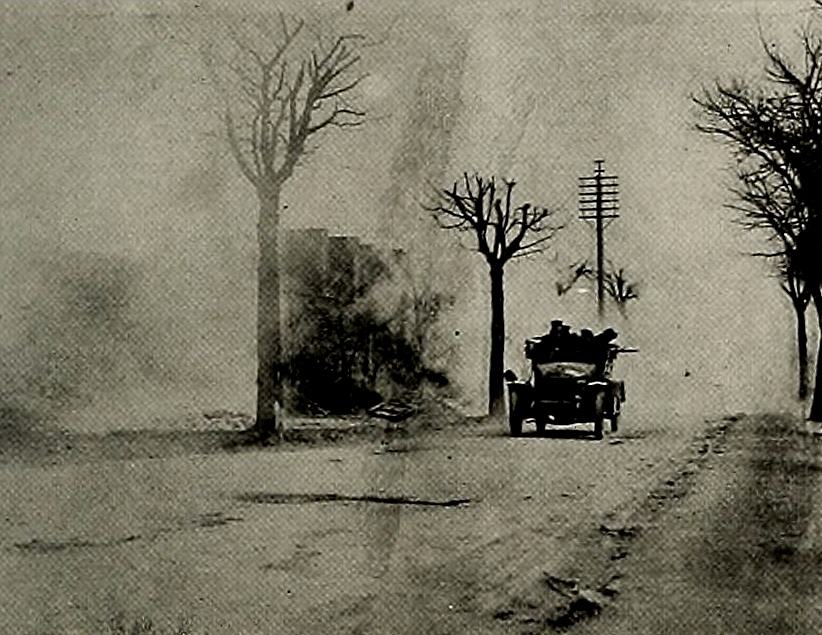
The pinnacle of Bretton's daredevil reporting comes when he ascends in an aeroplane to gain a superior view of a land conflict. This act of aerial journalism, cutting-edge for its time, demonstrates the lengths to which reporters would go to get the definitive story. The subsequent shattering of the aircraft by an enemy shell and its sickening crash earthward is a truly harrowing moment, designed to elicit maximum suspense. Yet again, fate, or perhaps the meticulous planning of writer Carl Theodor Dreyer, ensures Sonia is present. Having escaped from a hospital mosque after being wounded and captured by the Turks, she witnesses the crash and, with incredible fortitude, saves Bretton from a fiery demise. These multiple, seemingly miraculous rescues by Sonia reinforce her role as Bretton's guardian angel, solidifying their bond through shared trauma and heroic acts. Emilie Sannom's portrayal of Sonia, enduring personal loss, captivity, and repeatedly risking her life, establishes her as a formidable and deeply sympathetic character, arguably the moral compass of the film.
With each dramatic scoop, Bretton solidifies his reputation, always one step ahead of the unfortunate Clark, largely thanks to Sonia's timely interventions. The repeated triumphs at the telegraph office are symbolic victories, representing the ultimate goal of the war correspondent: to be the first to tell the world. These moments, punctuated by Clark's mounting frustration, highlight the stark contrast between the two men's approaches and their respective karmic outcomes.
The film culminates not just in professional success but in a deeply personal resolution. Bretton, recognizing the invaluable role Sonia has played in his survival and triumphs, asks her to return home with him as his wife. This proposal, made against the backdrop of war's end, symbolizes the emergence of new life and hope from destruction. It's a romantic flourish that binds the personal narrative with the grander historical events, suggesting that even in the most brutal of circumstances, love and companionship can flourish. The young couple's arrival in Bretton's hometown, greeted by the newspaper proprietor's warm congratulations, provides a satisfying sense of closure, validating their extraordinary journey.
Perhaps the most surprising, and distinctly human, element of the film's conclusion is the reconciliation between Bretton and Clark. Their former enemy, now seemingly chastened by his misfortunes, meets the victorious couple. The film's final declaration, "all is fair in war and love," delivered amidst a warm handshake, offers a pragmatic, almost philosophical, take on the preceding events. It suggests that the fierce competition, the deceptions, and the risks were all part of a larger, perhaps inevitable, game. This sentiment, while potentially controversial in its amorality, provides a nuanced ending, acknowledging the complex interplay of ambition, survival, and human connection. It's a remarkably modern conclusion for a film of its era, eschewing simple good-versus-evil narratives for a more ambiguous, yet ultimately forgiving, resolution.
While Carl Theodor Dreyer’s directorial genius would fully blossom in later works like The Student of Prague (which he also wrote) or the iconic Joan of Arc, his writing credit for "The War Correspondents" offers a fascinating glimpse into the thematic concerns that would preoccupy him throughout his career. Even in this early, more action-oriented piece, one can discern the seeds of his interest in human suffering, moral dilemmas, and the resilience of the human spirit. The character of Sonia, in particular, with her quiet strength and repeated acts of self-sacrifice, embodies a proto-Dreyerian heroine, foreshadowing the profound female protagonists he would later explore with such depth. The film's stark portrayal of war's impact on ordinary lives, juxtaposed with the relentless pursuit of news, adds layers of social commentary that elevate it beyond mere adventure.
The cast, including Emanuel Gregers as the determined Bretton and Emilie Sannom as the heroic Sonia, delivers performances that, within the conventions of silent cinema, effectively convey their characters' emotional arcs. Bertel Krause as the antagonist Clark provides the necessary foil, driving much of the plot's tension. Richard Jensen, in his role as the Minister of War, though brief, sets the initial stage for Bretton's privileged access, which is then cruelly exploited. The combined efforts create a compelling ensemble, even if the acting style is more theatrical than the nuanced realism Dreyer would later demand of his performers.
"The War Correspondents" serves as an invaluable document of early cinema's capabilities and ambitions. It showcases the nascent industry's ability to craft intricate narratives, stage ambitious action sequences, and tap into contemporary anxieties and fascinations. The film’s focus on war correspondence was particularly timely, reflecting a burgeoning public interest in global conflicts and the role of the press in shaping public opinion. It’s a far cry from the more fantastical voyages seen in films like The Extraordinary Adventures of Saturnino Farandola, instead opting for a narrative rooted in a more immediate, if still heightened, reality.
The dynamic blend of action, romance, and journalistic intrigue makes "The War Correspondents" a compelling watch for anyone interested in the evolution of film. It’s a testament to the pioneering spirit of filmmakers who, with limited technology, managed to create stories that captivated audiences and explored complex human themes. Its enduring appeal lies not just in its historical significance but in its timeless depiction of human ambition, resilience, and the unexpected connections forged in the crucible of conflict. The film stands as a fascinating precursor to the sophisticated war dramas and journalistic thrillers that would follow, a bold and energetic declaration of cinema's power to inform, entertain, and provoke thought. It reminds us that the pursuit of truth, however perilous, and the discovery of love, however improbable, are narratives as old as storytelling itself, and as fresh as the latest headline.
IMDb —
1917
Community
Log in to comment.