DbcultAccessing Vault...
Cult Review
Senior Film Conservator
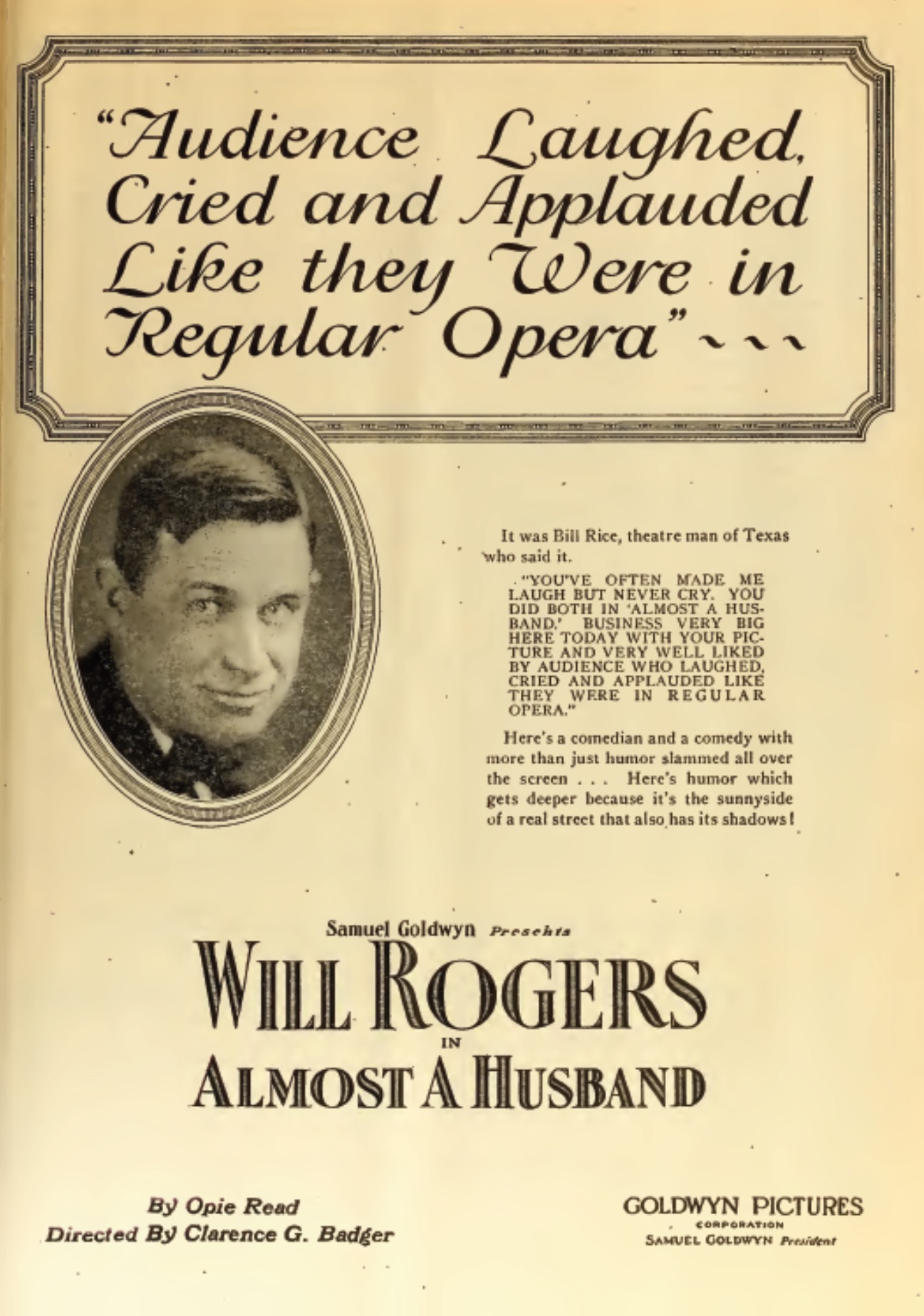
Stepping back into the cinematic tapestry of 1919, one encounters a peculiar charm in films like Almost a Husband. This silent comedy, a delightful vehicle for the inimitable Will Rogers, offers more than just a glimpse into nascent filmmaking; it presents a nuanced exploration of character, societal expectations, and the unpredictable currents of fate. Directed by Opie Read (as credited in the film's original materials and the prompt, a detail often debated among film historians who sometimes attribute it to Charles Swickard), and penned by Robert F. Hill, Opie Read, and Will Rogers himself, the film is a testament to the era's storytelling prowess, blending homespun humor with genuine dramatic stakes. It’s a narrative that, while seemingly simple on the surface, delves into the complexities of identity, the machinations of small-town power, and the quiet heroism of an unassuming man.
The premise itself is a masterstroke of comedic irony. We are introduced to Sam Lyman, portrayed with characteristic understated wit by Will Rogers, a New England schoolteacher whose earnest demeanor belies a deeper reservoir of resolve. His migration to the sleepy, yet surprisingly treacherous, Mississippi Valley town of Old Ebenezer, Arkansas, is driven by the noble pursuit of law studies. This aspiration immediately sets him apart from the predominantly agrarian or commerce-focused populace, marking him as an intellectual outsider, a man of contemplation rather than immediate action. It’s a subtle setup that primes the audience for his eventual, unexpected rise, contrasting his cerebral pursuits with the more grounded, often materialistic, concerns of the local gentry. The very name 'Old Ebenezer' evokes a sense of established, perhaps stagnant, tradition, a fertile ground for an outsider to disrupt the status quo.
The fulcrum of the plot swings during the annual town social, a seemingly benign gathering presided over by Banker McElwyn (Sidney De Gray), the town’s undisputed financial patriarch. Here, amid the communal festivities, a game of forfeits is initiated – a seemingly innocent diversion that, in the hands of fate, becomes a binding catalyst. Sam, the newcomer, finds himself unwittingly paired with Eva (Clara Horton), McElwyn's captivating daughter and the epitome of Old Ebenezer's feminine grace. The ensuing mock ceremony, a theatrical charade intended for amusement, unexpectedly transcends its playful origins, revealing itself to be legally binding. This sudden twist, a delightful subversion of expectation, immediately elevates the stakes, transforming a lighthearted moment into a pivotal life event for both Sam and Eva. It’s a classic comedic setup, where a simple misunderstanding or a twist of fate propels the characters into an unforeseen predicament, reminiscent of the whimsical yet impactful events that drive narratives in films like The Pipe of Peace, where seemingly minor incidents can have major consequences.
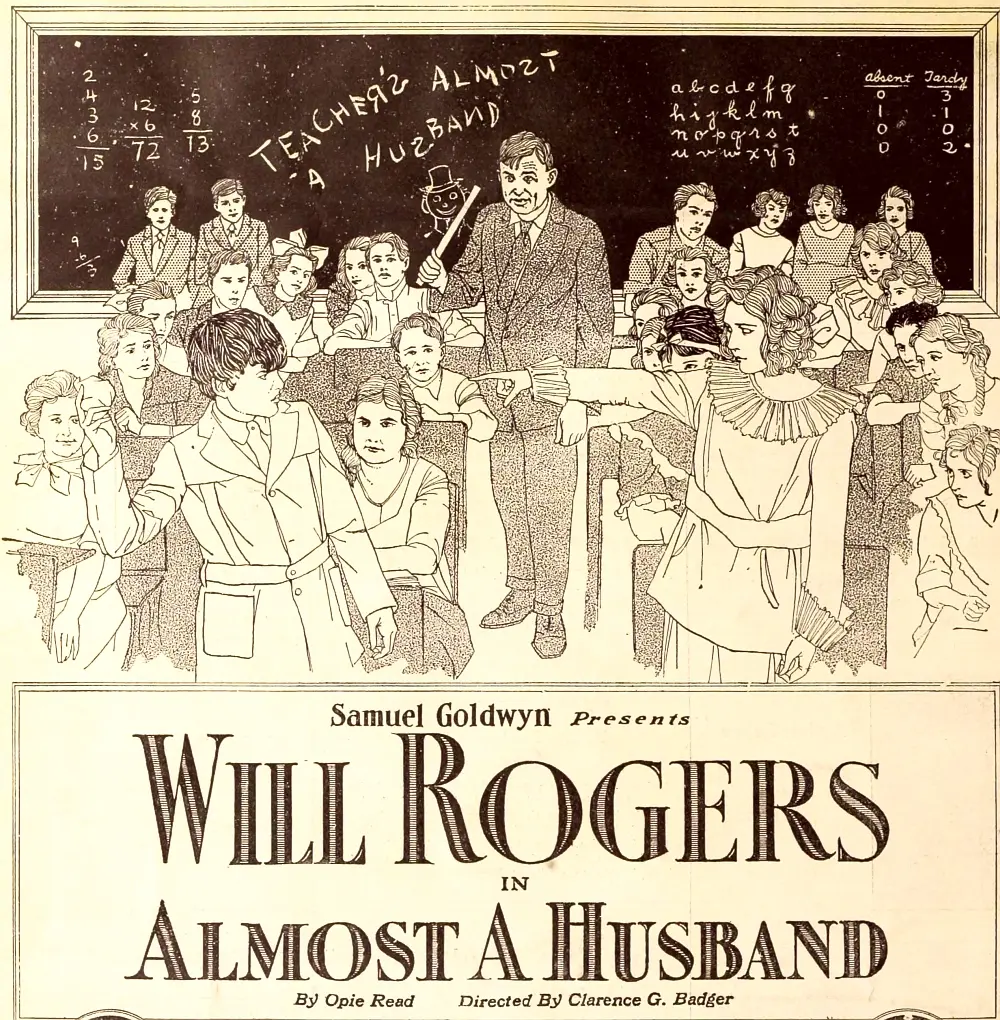
Sam, ever the gentleman, offers Eva an immediate exit from this matrimonial predicament. His integrity shines through, reflecting a character more concerned with propriety and personal freedom than with seizing an advantage. However, Eva, a woman of keen intellect and independent spirit, recognizes a silver lining in this unexpected cloud. She is under familial pressure to wed Zeb Sawyer (Guinn 'Big Boy' Williams), a wealthy, yet clearly undesirable, mule dealer—a man whose financial standing is his primary, perhaps only, attribute in the eyes of her ambitious father. Banker McElwyn, portrayed with a blend of paternal concern and thinly veiled avarice by Sidney De Gray, views Eva’s marriage as a strategic asset, a means to consolidate his family’s wealth and influence. Eva's refusal to be a pawn in her father's social and financial maneuvering leads her to a pragmatic decision: she persuades Sam to maintain the “marriage in name only.” This arrangement, born of convenience, establishes a unique dynamic between them, one built on mutual respect and a shared desire to circumvent external pressures rather than on romantic love, at least initially. It’s a narrative device that allows for a slow burn of affection and understanding, a far cry from the instantaneous, often superficial, courtships typical of many melodramas of the era, offering a more mature and relatable foundation for their eventual bond.
The establishment of this unconventional union sets the stage for a dramatic conflict. Zeb Sawyer, a man accustomed to getting his way, reacts with predictable fury, his pride wounded and his ambitions thwarted. Guinn 'Big Boy' Williams imbues Zeb with a brutish arrogance that makes him an effective antagonist, a clear foil to Sam’s quiet dignity. Banker McElwyn, too, finds his carefully laid plans for his daughter’s future—and implicitly, his own social and financial standing—disrupted. Their combined animosity coalesces into a campaign of slander and intimidation against Sam. The town becomes a crucible, testing Sam’s resolve and character. The verbal assaults, designed to erode his reputation and force his departure, only serve to highlight the moral bankruptcy of his adversaries. This dynamic echoes themes found in other silent films of the period where an outsider faces the entrenched powers of a community, much like the struggles seen in The Moral Code or even the stark choices in Das Recht aufs Dasein, where an individual's right to exist or act against the grain is challenged by societal dictates and powerful elites.
When calumny proves insufficient, Zeb and McElwyn resort to more nefarious tactics. They dispatch night riders, a chilling symbol of frontier vigilantism and mob rule, to physically assault Sam and drive him from Old Ebenezer. This escalation transforms the narrative from a comedic-drama of social maneuvering into a tense confrontation with raw power, highlighting the lawlessness that could exist in certain pockets of rural America. The visual depiction of these shadowy figures, a common trope in early cinema to convey menace and lawlessness, effectively builds suspense. Yet, Sam, despite his outwardly unassuming nature, possesses an inner fortitude that surprises both his antagonists and, perhaps, the audience. He withstands the brutal intimidation, refusing to be cowed. This steadfastness is a pivotal moment in his character arc, transforming him from a passive participant in a whimsical plot twist into an active agent of his own destiny and a defender of his newfound, albeit accidental, marriage. It’s a powerful statement about standing one’s ground against overwhelming odds, a universal theme that resonates deeply.
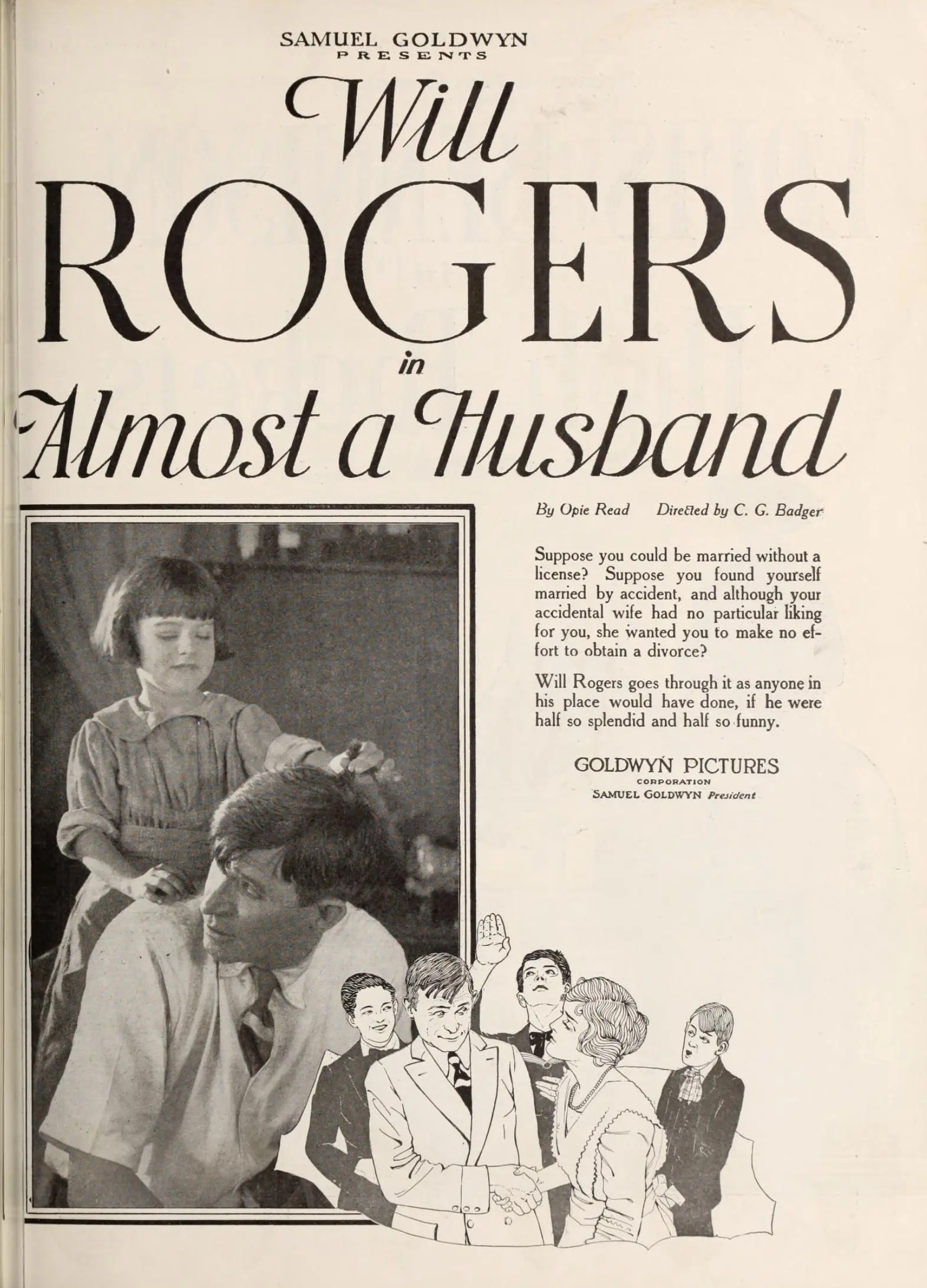
Will Rogers' portrayal of Sam here is particularly potent. He doesn't resort to grand gestures or overt displays of machismo. Instead, his resilience is conveyed through a quiet defiance, a refusal to break that is far more compelling than any theatrical bravado. It’s a performance that leverages Rogers’ naturalistic style, his ability to convey deep emotion and strength without needing to overact, a hallmark of his enduring appeal. The subtle flinching, the determined set of his jaw, the way he slowly gathers himself after being struck – these small, human details make his courage feel authentic and hard-won. This understated heroism is a refreshing contrast to the more flamboyant protagonists often seen in adventure serials or even romantic dramas of the era, offering a different, more relatable kind of strength that viewers could identify with. The brutality of the night riders serves to underscore the genuine danger Sam faces, making his quiet persistence all the more admirable.
The climax of the film hinges on a classic narrative device: a financial crisis orchestrated by the villain. Zeb Sawyer, determined to dismantle McElwyn's influence and, by extension, Sam's position, launches a calculated run on the banker's institution. This move is designed to expose McElwyn's vulnerability and collapse his empire, simultaneously eliminating Sam as a rival. The town descends into panic, a palpable sense of impending doom hanging over Old Ebenezer. The visuals of anxious townspeople clamoring at the bank doors, a scene expertly crafted through the silent film's visual language, effectively convey the widespread fear and uncertainty. It is in this moment of profound crisis that Sam Lyman truly shines, revealing depths of resourcefulness and ingenuity previously only hinted at.
Sam, it turns out, has been quietly pursuing another endeavor alongside his legal studies: writing a novel. This artistic pursuit, initially seeming tangential, now provides him with a crucial financial windfall. He deposits his legitimate earnings, a substantial sum for an aspiring writer, into McElwyn’s beleaguered bank, a gesture of both financial support and moral solidarity. But his true stroke of genius lies in a brilliant deception: he also deposits bags ostensibly filled with $20,000, a sum designed to quell the panic and restore confidence. These bags, however, contain not cash but horseshoes – a clever, almost poetic, sleight of hand that leverages the visual spectacle of wealth to stabilize a fragile financial system. This act of cunning and courage not only saves McElwyn's bank from ruin but also irrevocably shifts the balance of power in Old Ebenezer. It’s a moment that elevates Sam from a mere schoolteacher to a genuine hero, a testament to intelligence and integrity triumphing over greed and malice. The visual humor of the horseshoes, revealed only to the audience, adds a layer of delightful irony to the high-stakes drama.
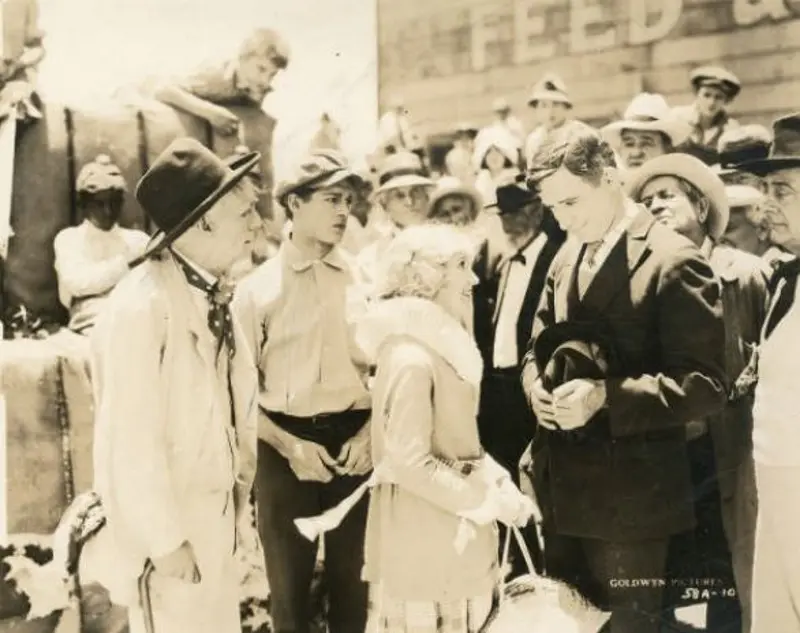
This sequence is particularly engaging, showcasing the narrative's ability to weave together character development with high-stakes drama. The visual humor of the horseshoes, combined with the genuine tension of the bank run, creates a memorable and satisfying resolution. It's a testament to the writers, including Rogers himself, for crafting such an ingenious plot point. The film manages to blend the lightheartedness of its initial premise with the gravity of its later conflicts, maintaining a delicate balance that few films of the period achieved with such grace. One might even draw a parallel to the resourcefulness seen in protagonists of westerns like Untamed, where quick thinking and unconventional solutions are often the key to survival and victory against overwhelming forces. The resolution feels earned, not just a convenient plot device, because Sam's actions are consistent with the character's quiet intelligence that has been developing throughout the film.
In the aftermath of the bank crisis, the dust settles, and the true extent of Sam’s character is laid bare for all to see, especially for Eva. She has witnessed his quiet strength, his unwavering integrity in the face of slander, his physical resilience against intimidation, and his intellectual prowess in saving her father's livelihood. The initial “marriage in name only,” born of convenience and a shared desire to defy societal pressures, has slowly but surely blossomed into something far more profound. Clara Horton's portrayal of Eva is subtle yet effective, conveying her growing admiration and affection through nuanced expressions and gestures, a testament to the power of silent acting. When the opportunity arises for the marriage to be annulled, Eva unequivocally refuses. Her decision is not merely a rejection of formality; it is an affirmation of a genuine connection, a recognition of Sam’s inherent worth, and an acknowledgment of the deep respect and affection that has grown between them. It’s a beautiful culmination of their journey, transforming an accidental union into a conscious choice of love and partnership.
This resolution is deeply satisfying precisely because it is earned. The audience has seen Sam prove himself not through overt romantic gestures, but through actions that speak volumes about his character. Eva’s decision is therefore a powerful statement about discerning true value beyond superficial appearances or inherited wealth. It underscores a central theme of the film: that genuine worth resides not in social status or material possessions, but in integrity, courage, and intelligence. The slow-burn romance, rooted in shared adversity and mutual respect, feels authentic and resonates far more deeply than a love-at-first-sight narrative might have. It champions the idea that true partnership is built on character and shared experiences, rather than societal dictates or pre-determined matches. This nuanced approach to romance sets it apart from more conventional melodramas, giving it a timeless quality.
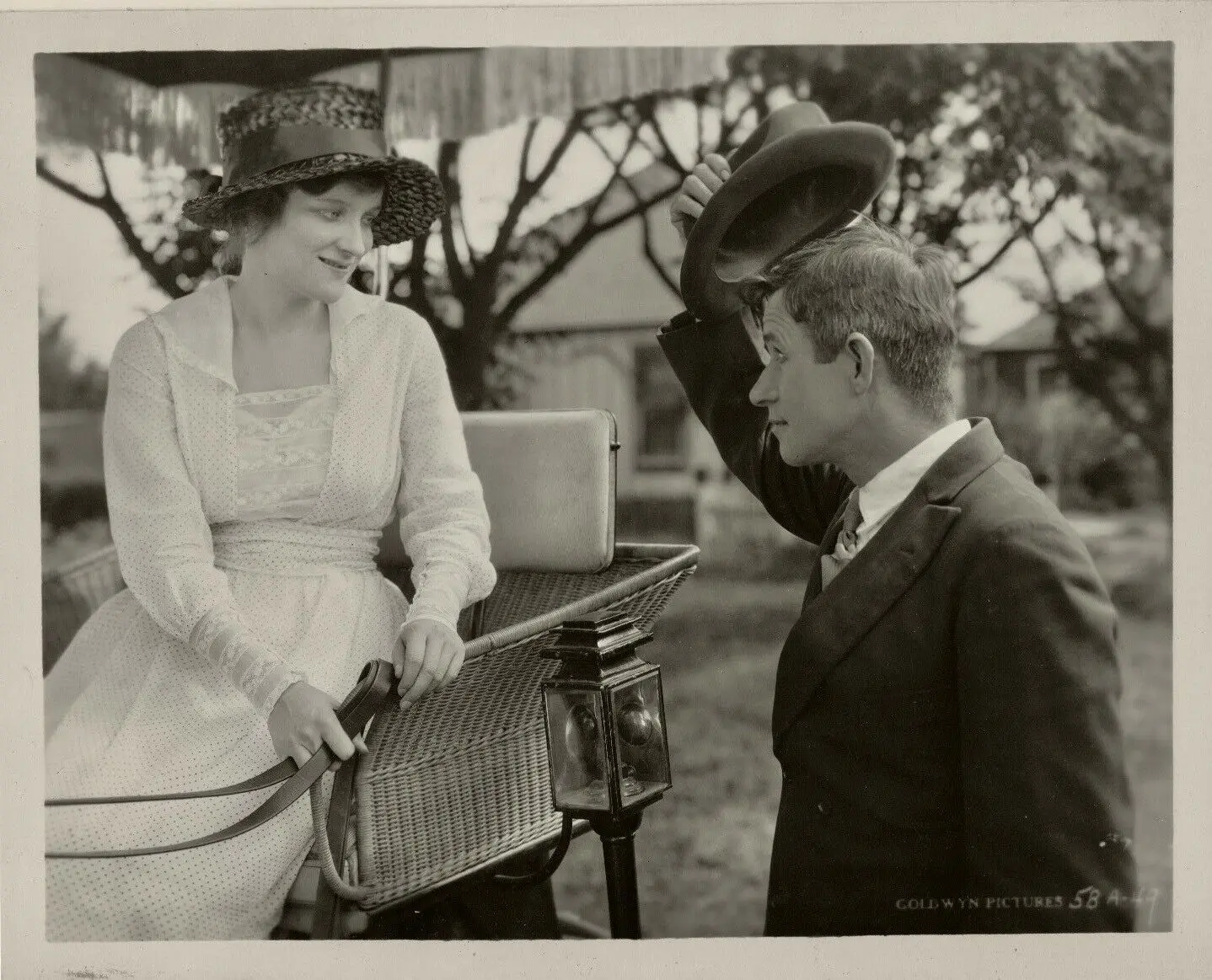
Will Rogers’ performance as Sam Lyman is, without a doubt, the beating heart of Almost a Husband. Rogers, already a beloved figure by 1919, brought to the screen a persona that was utterly unique: the plain-spoken, folksy philosopher with a twinkle in his eye and an innate understanding of human nature. He wasn't the dashing matinee idol, nor the bombastic comedian; he was the relatable everyman, imbued with a quiet intelligence and a profound sense of decency. In Sam Lyman, Rogers found a character perfectly suited to his strengths. He portrays Sam’s initial awkwardness and humility with endearing honesty, making his subsequent acts of heroism all the more impactful. His expressions, subtle shifts in posture, and the way he uses his hands all contribute to a performance that is rich in nuance, a remarkable feat in the often broad strokes of silent cinema.
Rogers' appeal transcended social strata, making him a bridge between the sophisticated urban audiences and the rural communities from which he drew much of his inspiration. His on-screen presence was often characterized by a wry, observational humor, a gentle mocking of pretension, and an unwavering belief in common sense. These qualities are all on full display in Almost a Husband. He makes Sam’s transformation from an unassuming schoolteacher to a town savior entirely believable, not through a sudden change in personality, but through the gradual revelation of existing, albeit dormant, strengths. It’s a masterclass in understated acting, proving that charisma doesn't always need to shout to be heard. His performance here, much like in later, more renowned works, cemented his status as a unique and enduring star, distinct from contemporaries like Douglas Fairbanks or Charlie Chaplin, offering a different kind of cinematic hero, one rooted in genuine American sensibility. The authenticity he brought to his roles was a major draw, allowing audiences to connect with his characters on a deeply human level.
Beyond Rogers’ magnetic performance, the film itself is a fascinating example of silent era filmmaking. Directed by Opie Read, the narrative unfolds with a clear, deliberate pace, allowing the audience to fully grasp the character motivations and plot developments through visual storytelling and well-placed intertitles. The cinematography, while perhaps not groundbreaking for its time, effectively captures the rustic charm and occasional tension of Old Ebenezer. The use of close-ups helps convey the emotional states of the characters, particularly during moments of confrontation or quiet contemplation, allowing the audience to connect with their inner worlds despite the absence of spoken dialogue. The film's visual composition often uses deep focus to show the bustling activity of the town or the isolation of Sam, subtly enhancing the narrative.
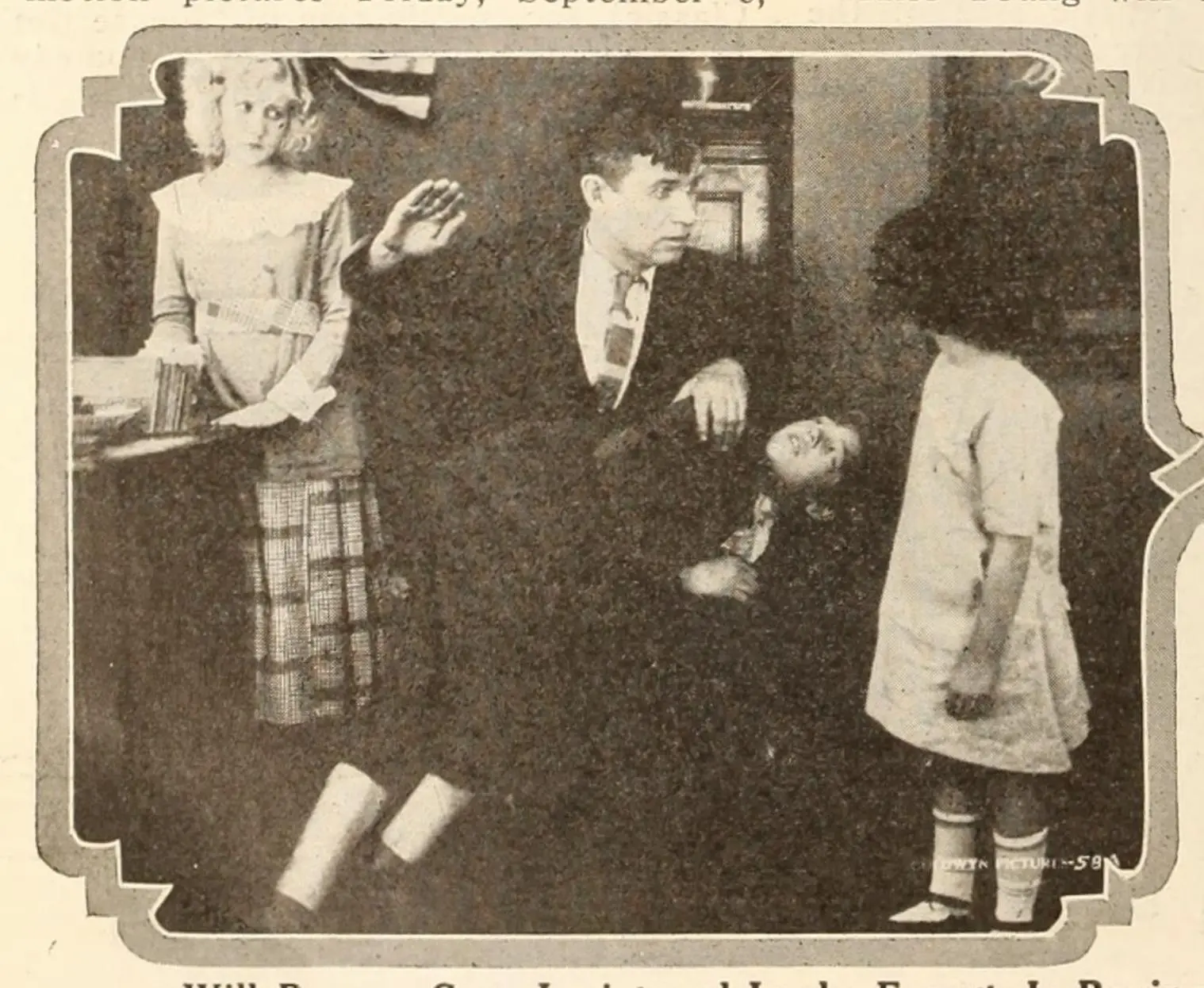
The pacing of the film is noteworthy. It builds gradually, allowing the audience to invest in Sam’s predicament before escalating the conflict. The comedic elements are woven seamlessly into the drama, preventing the film from becoming overly didactic or melodramatic. The sequence with the night riders, for instance, is genuinely tense, yet it is bookended by moments of character-driven humor or the impending hope of Sam’s resilience. This balance is a testament to the directorial hand and the strength of the screenplay, co-written by Rogers himself. The visual gags, particularly Sam’s ingenious use of horseshoes, are executed with a precision that speaks to a keen understanding of silent comedy's unique language. Compared to the more overtly slapstick approach of some contemporaries, Almost a Husband leans into situational humor and character-driven comedy, making it feel more akin to a sophisticated stage play adapted for the screen. The performances by supporting cast members like Peggy Wood and Herbert Standing, though brief, add texture to the small-town tableau, making Old Ebenezer feel like a lived-in place with its own distinct personalities and social dynamics.
Almost a Husband, while primarily an entertaining comedy-drama, also offers subtle glimpses into the social fabric of early 20th-century rural America. The power wielded by Banker McElwyn, the pressures on young women like Eva to marry for status, and the prevalence of figures like Zeb Sawyer who prioritize wealth over character, all paint a picture of a society grappling with its values. The film implicitly champions integrity, intelligence, and genuine human connection over superficial appearances and material gain. Sam Lyman, the humble schoolteacher, emerges as the true aristocrat of character, challenging the established order not through rebellion, but through quiet competence and unwavering moral fiber. This resonates with the American ideal of self-made success through hard work and good character, rather than inherited status or brute force.
The theme of the outsider proving his worth is a timeless one, echoing through countless narratives from classical literature to modern cinema. Sam's journey in Old Ebenezer is a microcosm of this universal struggle, where an individual's true nature is tested and ultimately revealed. His triumph is not just a personal victory, but a symbolic affirmation of the power of individual goodness against collective prejudice and corruption. This resonance ensures the film's continued relevance, transcending its silent era origins to speak to contemporary audiences about the enduring values of honesty, courage, and the unexpected places where heroism can be found. It’s a story that finds parallels in other narratives where an individual's moral compass guides them through societal challenges, such as the struggles for justice in The Family Honor or the trials of character in The Beloved Traitor, demonstrating how these core human struggles resonate across different cinematic expressions. The film subtly critiques the superficiality of wealth and status, advocating for a deeper appreciation of character and intellect, a message that remains profoundly relevant.
In conclusion, Almost a Husband stands as a testament to the enduring appeal of Will Rogers and the nuanced storytelling capabilities of early silent cinema. It's a film that deftly balances humor with drama, creating a narrative that is both entertaining and thought-provoking. Sam Lyman’s journey from an unassuming academic to a revered hero, all triggered by an accidental marriage, is a compelling exploration of character, integrity, and the unpredictable nature of love. The film’s ability to build suspense, deliver genuine laughs, and ultimately provide a deeply satisfying resolution solidifies its place as a significant, if sometimes overlooked, gem from the silent era. It reminds us that heroism often emerges not from grand pronouncements, but from quiet resilience and clever thinking, proving that sometimes, the most profound connections are found in the most unexpected circumstances. For anyone seeking a slice of cinematic history that is rich in character and charm, Almost a Husband offers a delightful and surprisingly resonant experience, a true testament to the power of a good story well told. It leaves the audience with a warm feeling, a quiet appreciation for the triumph of good nature and intelligence over malicious intent, and a renewed belief in the unexpected paths that lead to genuine happiness.
IMDb —
1921
Community
Log in to comment.