DbcultAccessing Vault...
6.3/10
Senior Film Conservator
A definitive 6.3/10 rating for a film that redefined the boundaries of cult cinema. Number 17 remains a cornerstone of transgressive art.
For modern audiences, approaching a silent film from 1928 often requires a shift in expectation. However, for those willing to engage with its unique rhythm, the German thriller Number 17 offers a surprisingly robust, if occasionally creaky, experience. This is a film squarely aimed at silent cinema enthusiasts, particularly those with an appreciation for early crime procedurals and atmospheric mysteries. If you’re a completist for the era, or simply curious about how suspense was engineered before sound, it’s certainly worth seeking out. Conversely, viewers accustomed to contemporary pacing, complex character arcs, or dialogue-driven plots will likely find its conventions and slower stretches a significant hurdle.
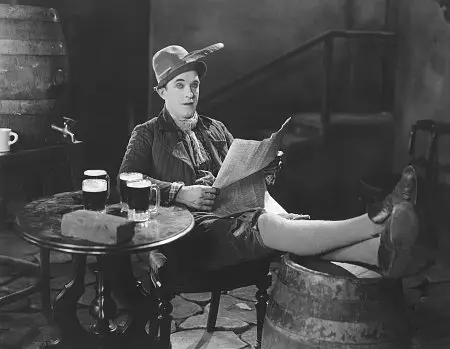
The narrative, adapted from Joseph Jefferson Farjeon’s novel, wastes little time establishing its central premise. We open on the eponymous house, a dilapidated, ominous structure that feels less like a setting and more like an active participant in the unfolding chaos. A drifter (Craighall Sherry) stumbles into the vacant Number 17, only to discover a corpse and become entangled with a detective, a gang of jewel thieves, and a series of increasingly frantic misunderstandings. It’s a classic setup for a pulp thriller, relying heavily on mistaken identities, last-minute reveals, and a pervasive sense of claustrophobia within the house’s walls.
What immediately stands out about Number 17 is its commitment to visual atmosphere. The production design of the house itself is a masterclass in suggestive decay. Cobweb-draped furniture, broken windows, and perpetually flickering gas lamps (a recurring visual motif that casts long, dancing shadows) contribute significantly to the film’s tense mood. There’s a particular shot early on, as the drifter first explores the house, where the camera tracks slowly, revealing layers of dust and neglect, making the space feel both grand and utterly desolate. The lighting, often stark and expressionistic, plays a crucial role, isolating characters in pools of light or plunging them into deep, concealing shadows during moments of confrontation. This visual language is arguably the film’s strongest asset, maintaining a sense of unease even when the plot occasionally falters.
The film’s pacing is, perhaps inevitably for its era, somewhat uneven. The initial setup within Number 17 is deliberate, building suspense through extended sequences of characters exploring the house, narrowly missing each other, and reacting to unseen threats. These moments are effective, particularly when a character attempts to hide a body or sneak through a darkened corridor. However, the film occasionally indulges in reaction shots that linger a beat too long, or repetitive sequences of characters entering and exiting rooms, which can test modern patience. The energy shifts dramatically in its latter half, transitioning from the static tension of the house to a more dynamic, frantic chase sequence involving a train. This sudden acceleration is jarring but ultimately injects much-needed momentum, culminating in a genuinely thrilling, if somewhat implausible, climax.
The cast, working within the broad theatricality of silent cinema, delivers a range of performances. Craighall Sherry, as the initial protagonist who finds himself in over his head, effectively conveys a sense of bewildered innocence, even when his actions stretch credulity. His wide-eyed expressions and frantic gestures often anchor the more chaotic scenes. Paul Samson-Körner, as the imposing detective, brings a certain gravitas, his presence commanding the screen even without dialogue. There’s a subtle, almost playful arrogance in his character’s mannerisms, particularly in the way he observes the unfolding chaos with a knowing smirk, suggesting he’s always several steps ahead. One particular moment, when he casually lights a cigarette amidst a frantic search, speaks volumes about his confidence without a single intertitle. This quiet self-assurance is a welcome counterpoint to the more frantic energy of the other characters.
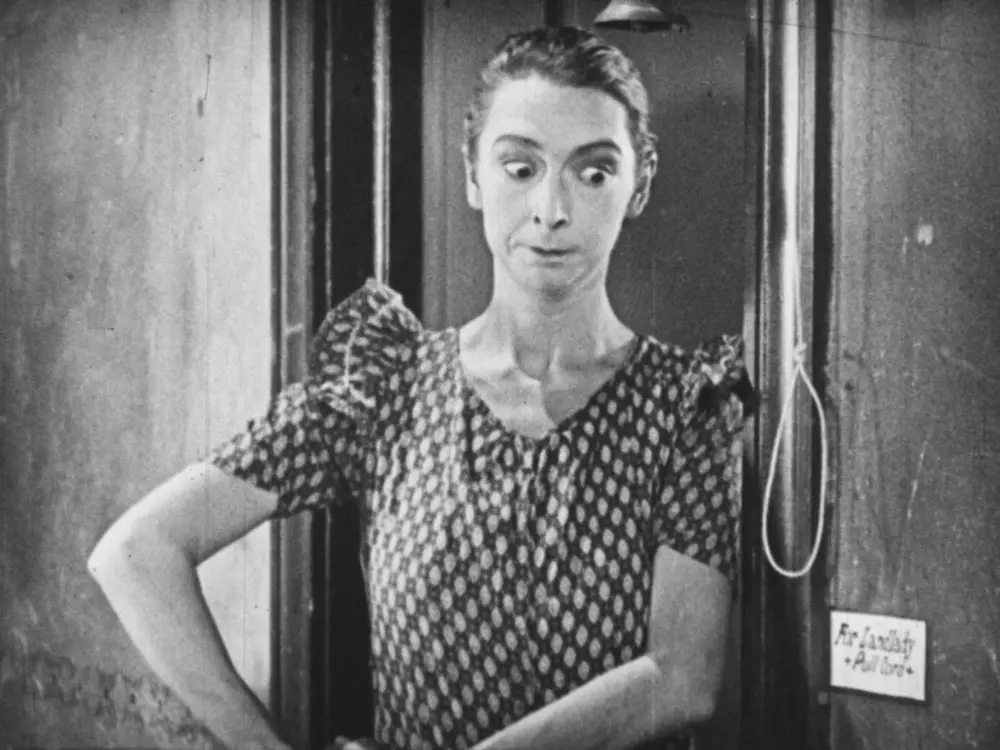
However, some of the supporting performances feel less nuanced. The various criminals, while distinct in their appearance, often resort to more archetypal villainous expressions – sneers, scowls, and exaggerated surprise – which, while functional for the genre, don't always land with the same impact as Sherry's exasperation or Samson-Körner's cool composure. Lien Deyers, as the mysterious young woman, navigates a difficult role that requires her to be both vulnerable and cunning, and she manages to hold the audience's attention during her more enigmatic scenes, even if her motivations remain somewhat opaque until the very end.
One specific detail that really stuck with me was the way the camera repeatedly framed the main staircase of Number 17. It’s not just a means of ascent or descent; it becomes a stage for near-misses, tense stand-offs, and dramatic reveals. The banister, partially broken, seems to reflect the precariousness of everyone’s position. During one particularly fraught moment, a character is almost discovered hiding beneath it, and the camera holds on the detail of their shoe peeking out, a small, vulnerable hint of their presence, while the detective's heavy boots pass just inches away. It's a simple but effective visual that highlights the constant proximity of danger.
Number 17 is a fascinating artifact of its time, demonstrating how a compelling thriller could be crafted without spoken dialogue. While it demands patience from modern viewers, its strengths in visual storytelling, particularly the evocative atmosphere of its central setting and its climactic action sequence, make it a worthwhile watch for those interested in the evolution of the suspense genre. It’s not a film that will resonate with everyone, but for aficionados of silent cinema and anyone curious about the foundations of the mystery-thriller, it offers a solid, if imperfect, journey into a world of secret gems and shadowy figures. Come for the historical curiosity, stay for the surprisingly effective tension it manages to build through purely visual means.
IMDb 6.3
1933
Community
Log in to comment.