DbcultAccessing Vault...
5.7/10
Senior Film Conservator
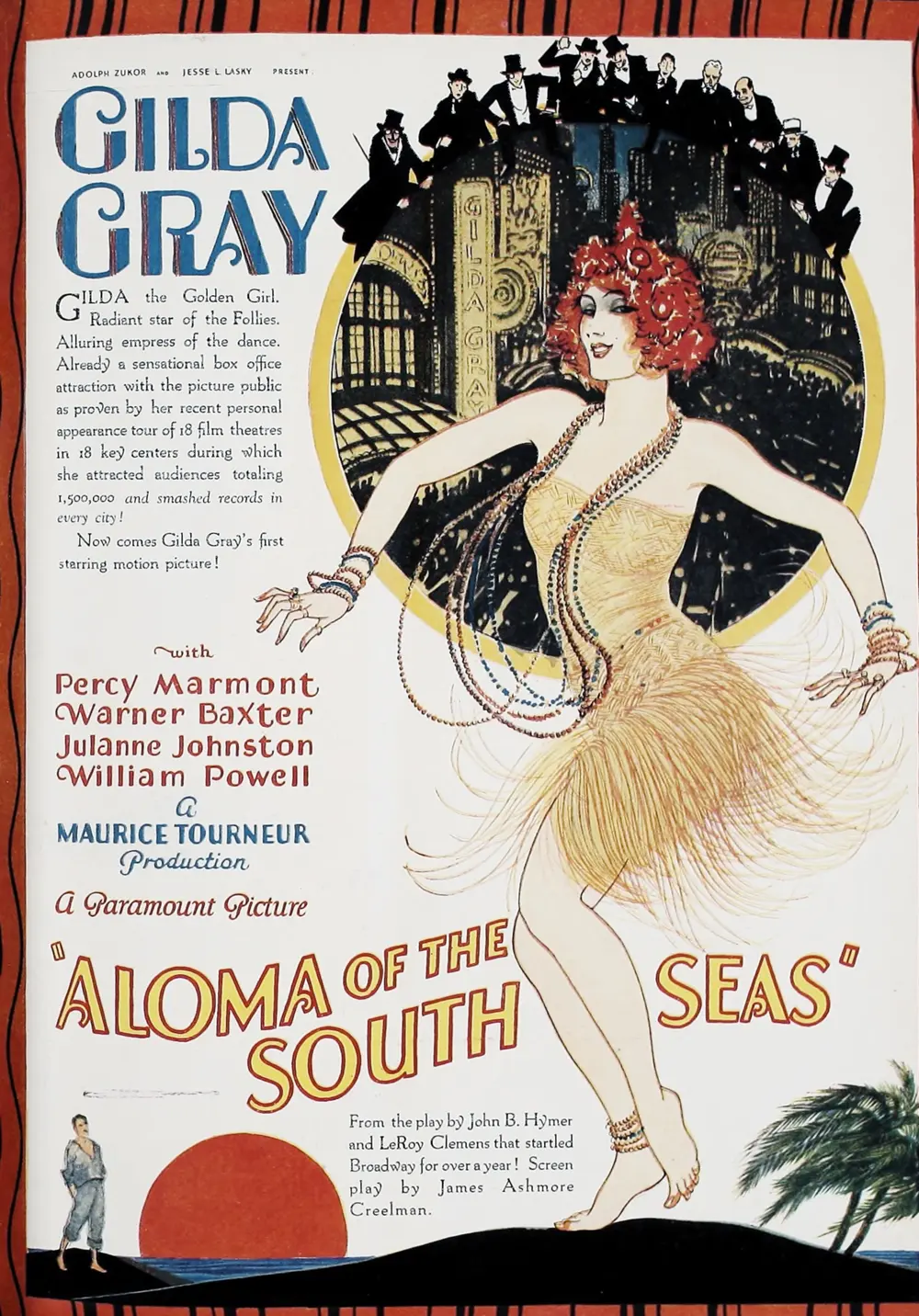
A definitive 5.7/10 rating for a film that redefined the boundaries of cult cinema. Aloma of the South Seas remains a cornerstone of transgressive art.
Is Aloma of the South Seas worth your time in the 21st century? Short answer: No, unless you are a dedicated archivist or a fan of silent-era 'exotica.' This film is for those who appreciate the theatricality of the 1920s and the magnetic screen presence of Gilda Gray, but it is definitely not for anyone looking for a fast-paced narrative or nuanced cultural representation.
This film works because Gilda Gray’s performance is a masterclass in silent-era charisma, providing a pulse to a story that often feels static. This film fails because the plot relies on a sanitized, Hollywood-ized version of South Seas culture that lacks genuine stakes or authenticity. You should watch it if you want to see a young, menacing William Powell or if you’re researching the history of the 'exotic' film genre.
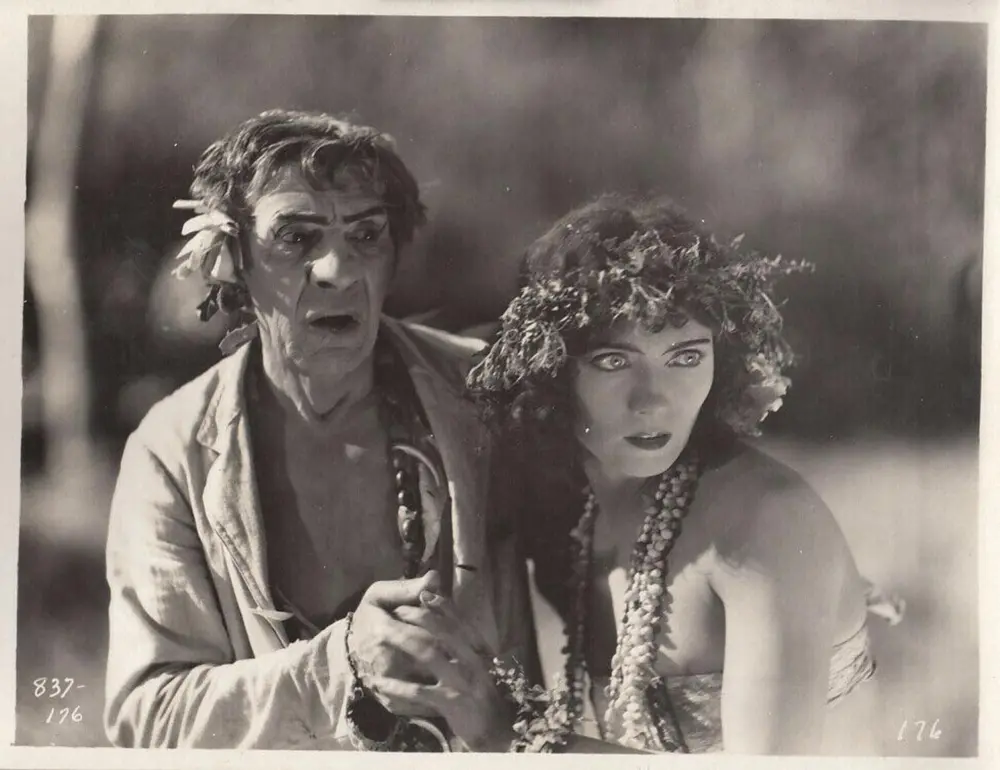
Aloma of the South Seas is worth watching only if you are a student of silent cinema or interested in the career of Gilda Gray. For the general modern viewer, the film’s slow pacing and dated cultural tropes make it a difficult experience. It serves best as a historical document of 1920s Hollywood escapism, providing a glimpse into how the Western world viewed the 'Other' during the jazz age.
In 1926, Gilda Gray was a force of nature. Known as the 'Shimmy Queen,' her transition from the Broadway stage to the silver screen was a major event for Paramount. In this film, she plays the titular Aloma with a physical energy that the camera struggles to contain. When she dances, the film finally finds its rhythm. It isn't just about the movement; it's about the way she commands the space around her, making the artificial island sets feel slightly more alive.
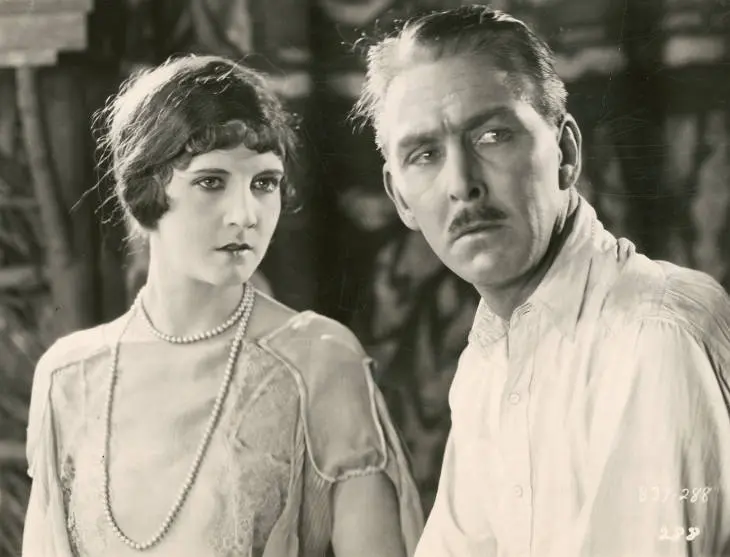
However, the film often treats her more as a spectacle than a character. Her chemistry with Warner Baxter is serviceable, but the script doesn't give them much to work with beyond longing glances. Unlike the playful romantic energy found in Her Night of Romance, the romance here feels weighed down by the heavy-handed drama of the 'native' return. Gray is the only reason the film doesn't completely sink into the sea of forgotten silents. She is vibrant. The rest of the production is often stiff.
The central conflict of the film—Nanu's return from America—is ripe with potential that the film only surface-level explores. Warner Baxter plays Nanu with a stoic, almost mournful quality. When he first arrives back on the island, he is wearing a three-piece suit, standing on the beach as a literal alien in his own home. This visual contrast is one of the film's strongest moments. It highlights the alienation of the colonized subject, though the film isn't quite brave enough to follow that thread to its logical conclusion.
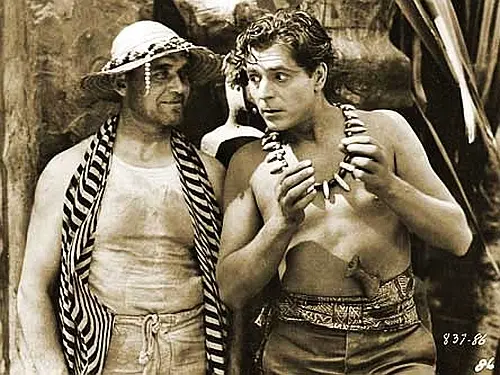
Instead, the film pivots to a fairly standard revolution plot. The 'native' unrest is depicted with the typical broad strokes of the era, lacking the psychological depth seen in contemporary dramas like The Cradle of Courage. The revolution feels less like a political movement and more like a convenient plot device to force Nanu into a leadership role he’s not entirely prepared for. The tension between his Western education and his island responsibilities is resolved far too cleanly for my taste.
One of the most surprising elements of Aloma of the South Seas is seeing a young William Powell in a villainous role. Long before he became the sophisticated detective in 'The Thin Man,' Powell was honing his craft as a heavy. Here, he brings a calculated, cold energy to the screen that contrasts sharply with Gray’s warmth. Every time he is on screen, the stakes feel significantly higher. He understands the art of the silent sneer better than almost anyone else in the cast.
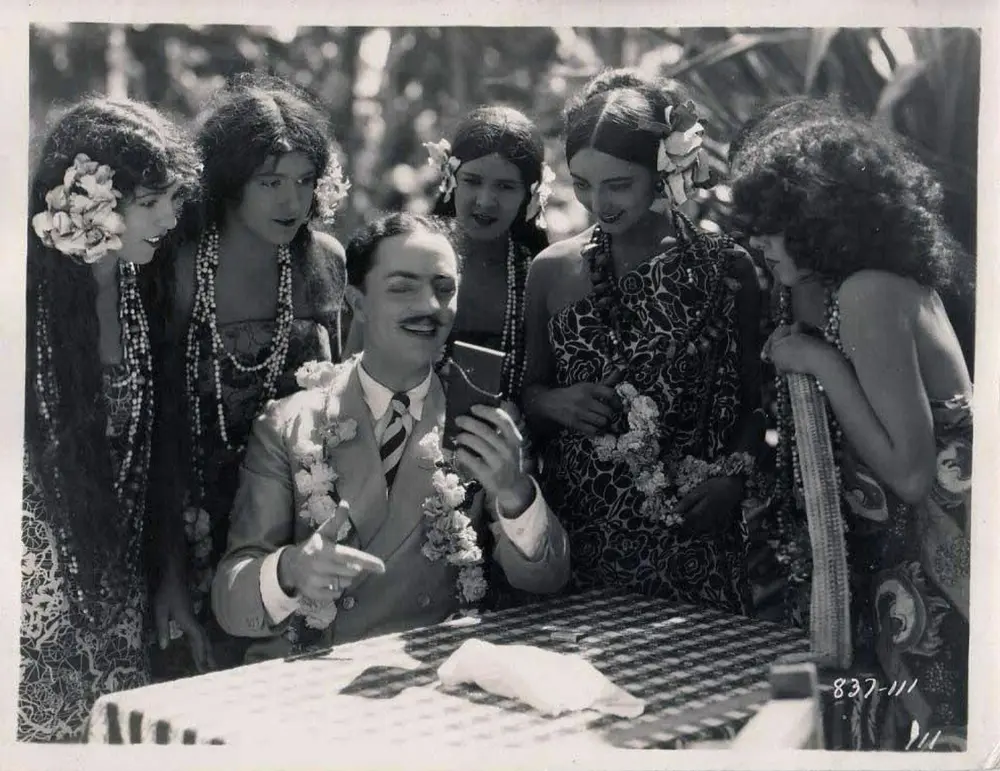
The rest of the supporting cast, including Julanne Johnston and Noble Johnson, fill their roles with varying degrees of success. Noble Johnson, in particular, brings a grounded presence to the film, but he is often sidelined by the central romance. The film's ensemble feels more like a collection of archetypes than a community. This is a common flaw in films of this period that attempted to portray 'exotic' locales, where the setting is treated as a backdrop for Western-style melodrama rather than a living, breathing culture.
Technically, the film is a product of its time, but with the high production values of a major studio. The cinematography attempts to capture the lushness of the South Seas, but much of it feels clearly confined to a studio backlot. There are moments, particularly during the storm sequences, where the lighting creates a moody, atmospheric tension. These scenes remind me of the visual experimentation found in The Monster and the Girl, where the environment reflects the internal turmoil of the characters.
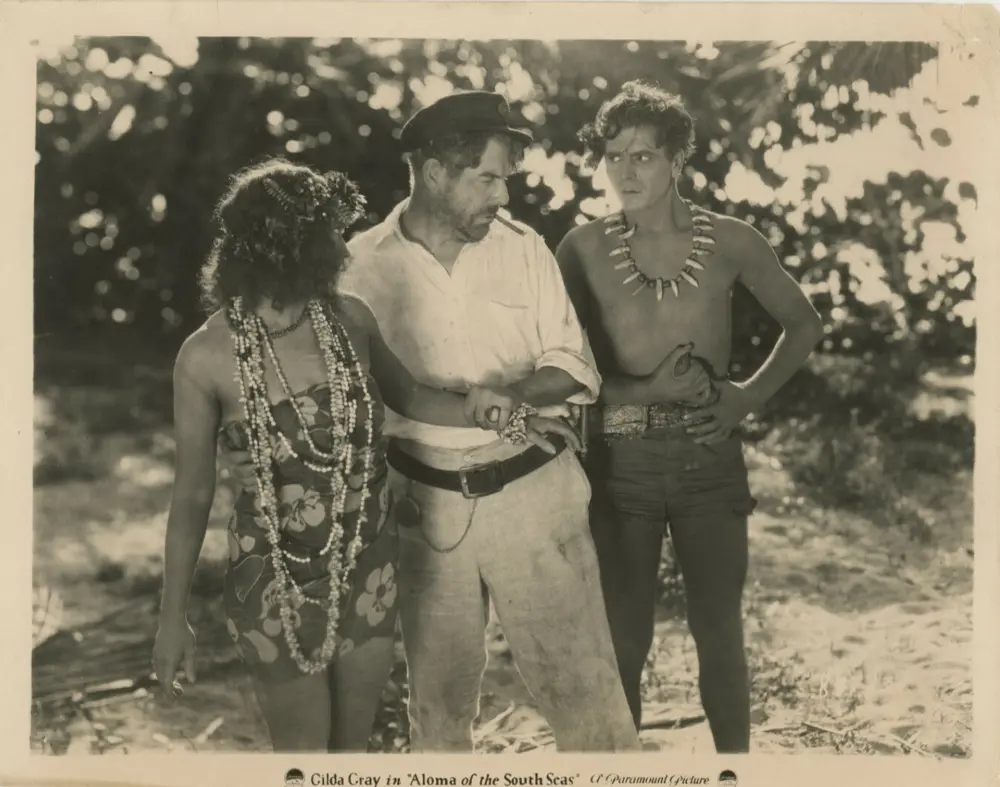
However, the pacing is a significant hurdle. The film drags in its second act, spending too much time on repetitive dance sequences and not enough on the burgeoning revolution. A tighter edit could have made the political stakes feel more urgent. As it stands, the film often feels like it's idling, waiting for the next big set piece or Gilda Gray solo. It works. But it’s flawed. The theatricality of the era is on full display, but it lacks the narrative cohesion to make it a true classic.
Pros:
- Gilda Gray’s performance is genuinely captivating.
- Early career-defining work from William Powell.
- High production values for the 1920s.
- Interesting visual contrast between Western and Island life.
Cons:
- Slow pacing that can be taxing for modern audiences.
- Dated and often offensive cultural depictions.
- The plot is predictable and lacks emotional weight.
- Many of the 'exotic' elements feel artificial.
Aloma of the South Seas is a fascinating historical artifact that captures a specific moment in Hollywood’s obsession with the 'exotic.' While Gilda Gray is a revelation, the film around her is too burdened by the tropes of its time to be considered essential viewing for anyone but the most dedicated cinephile. It is a spectacle of artifice, a shiny relic of the jazz age that is better studied than enjoyed. If you are looking for 1920s entertainment with more bite, you might be better off with Laughing Gas or even the oddity of Enoch Arden. This film remains a curious footnote in the careers of its stars—a beautiful, but hollow, tropical dream.

IMDb 5.2
1925
Community
Log in to comment.