DbcultAccessing Vault...
6/10
Senior Film Conservator

A definitive 6/10 rating for a film that redefined the boundaries of cult cinema. Alone with the Devil remains a cornerstone of transgressive art.
A furnace of deceit glows at the heart of Danish cinema’s forgotten gem.
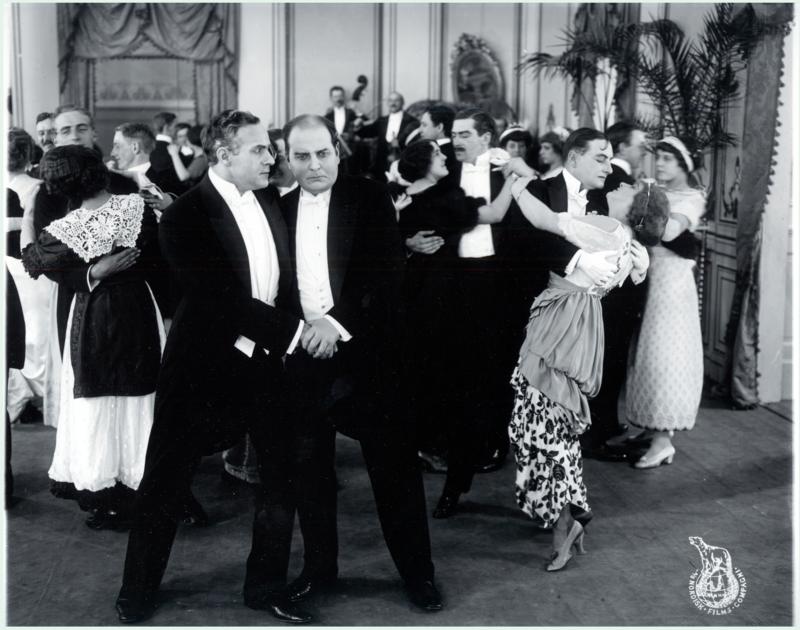
Imagine, if you will, the acrid perfume of coal smoke curling around mahogany wainscoting while two silhouettes—one ramrod-straight in starched collar, the other bullish beneath a derby—exchange smiles sharp enough to shave silver. Alone with the Devil (original Danish title: Alene med Djævlen) is not content with depicting rivalry; it distills rivalry until the liquid runs black and sulfurous, then forces the viewer to drink.
Released in December 1913 by Nordisk Film and now resurrected via a 4K tint-and-tone restoration, this 38-minute one-reeler punches far above its weight class, predating the corporate noir of The Master Cracksman and even channeling the same moral gangrene that festers in Beatrice Cenci.
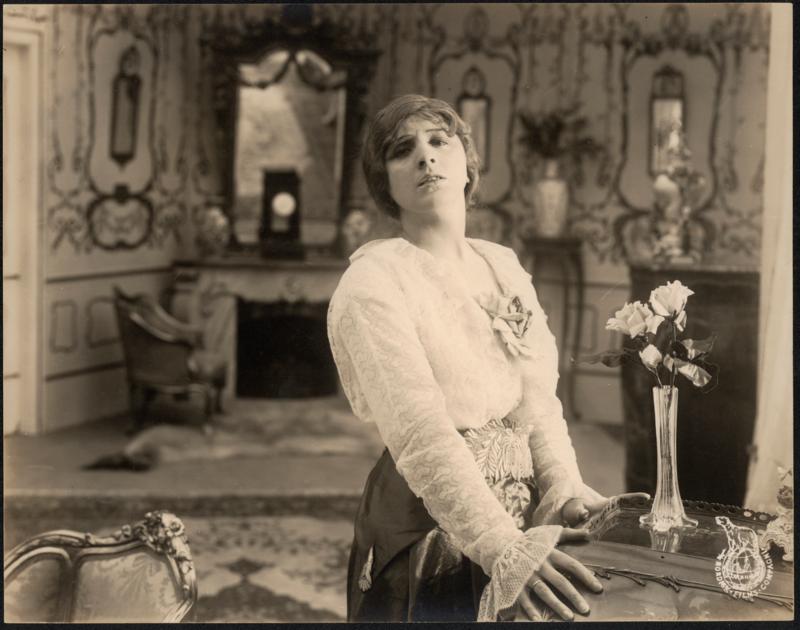
Director August Blom, a craftsman who could make a ledger book seem erotic, shoots the opening volleys like a duel: low-angle close-ups of boots crunching cinder, telegrams slapped onto desks, freight elevators that descend like coffins. The camera is not impartial; it stalks, it spies, it chooses the moment when a handshake becomes a gauntlet.
Psilander—Nordisk’s superstar before Asta Nielsen usurped the throne—plays Erland Mørck, the silk-gloved industrialist whose soul unravels thread by thread. Watch his pupils dilate when he smells blood (literal blood, spilled in a foundry mishap he orchestrated). Psilander acts with his nostrils, with the tremor of a cravat knot, with the languid drag on a cigarette that seems to inhale other people’s futures.
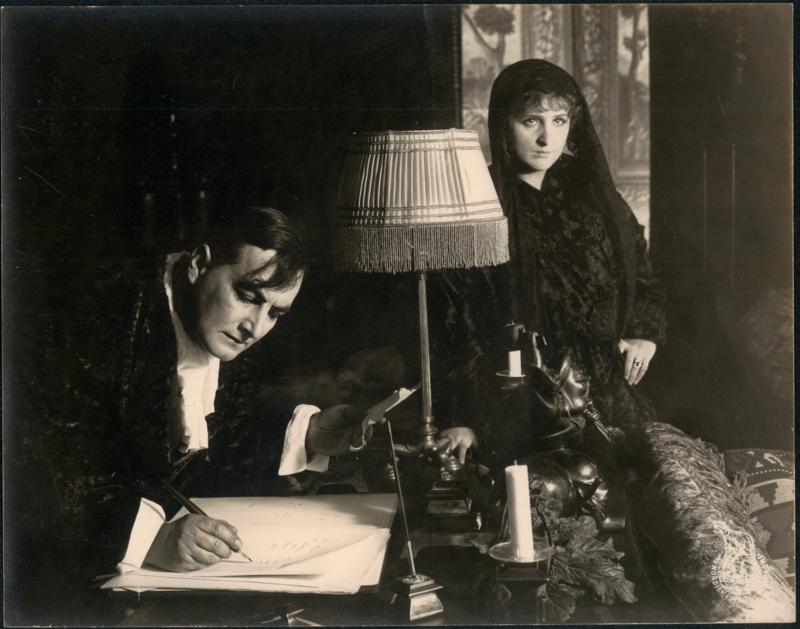
In the film’s most spellbinding tableau, Erland dictates a falsified love letter while gazing into a mirror. The reflection lags half a second behind, creating a stroboscopic glitch that anticipates Ingmar Bergman’s fractured selves. You realize you are not watching vanity—you are watching possession.
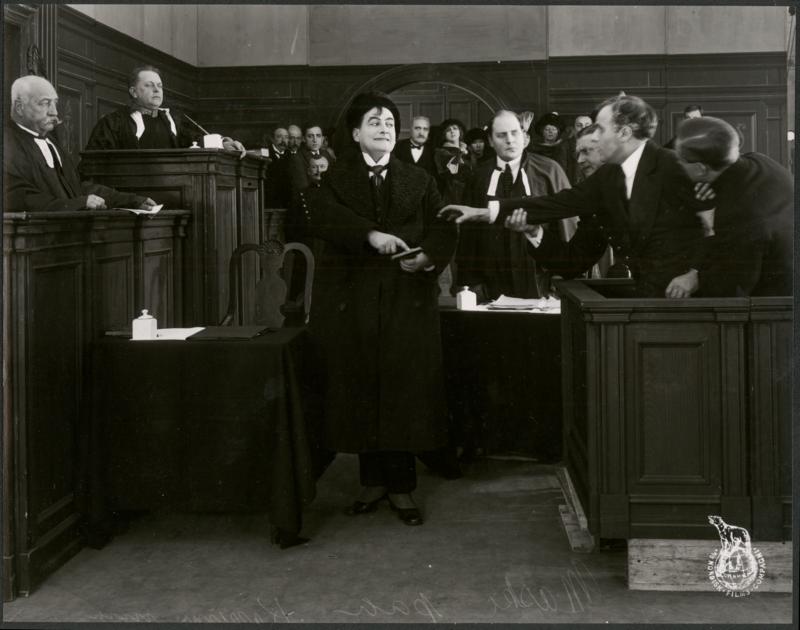
As Aksel Thomsen, Billesborg lumbers like a wounded titan, shoulders that once hurled anvils now weighed down by forged IOUs. Where Erland weaponizes elegance, Aksel counters with blunt trauma: a midnight raid on warehouses, the clandestine sinking of cargo barges. Yet Blom denies us easy schadenfreude; in a whispered confession to his consumptive daughter, Aksel admits he would rather be feared than bankrupt. The line lands like a rusted anchor—an admission that capitalism and carnivorism share a digestive tract.
While male critics of 1913 dismissed the actresses as “decorative casualties,” modern eyes will spot the stealth matriarchy. Ingeborg Jensen’s frail Elise Thomsen, ostensibly a pawn, engineers the film’s single act of grace: slipping a forged promissory note into Erland’s coat, knowing it will detonate his credibility at the shareholders’ gala. Paula Ruff’s seamstress-turned-spy, meanwhile, sashays through scenes with a parasol that doubles as a semaphore, signaling stock quotations to unseen buyers. Their whispered conspiracy in a candle-lit cloakroom is the prototype for every corporate #Meighan plotline Hollywood would rehearse a century later.
Restoration colorist Thomas Bak oversaw the digital resurrection, dyeing night scenes in cyanotic blue that makes flesh look hypothermic, while daytime interiors glow the sickly sepia of nicotine-stained teeth. Intertitles—originally Danish—have been translated into punch-drunk English that revels in alliteration: “Guilt glazes his gaze like gilt on a rotting frame.” The tinting is not mere ornament; it is narrative. When a ledger is burned in a blast furnace, the film flashes crimson for exactly four frames—short enough to register subliminally, long enough to brand your retina.
Modern screenings often commission new scores; I caught a 2022 Copenhagen print accompanied by Hilmer: Requiem for Two Factory Whistles, a doom-jazz suite performed on baritone sax and prepared piano. The contrapuntal screech against the silent images was so uncanny that when Erland’s final monologue appeared on an intertitle, the audience—myself included—gasped as though we had heard his voice crack. Silence, it turns out, is just another frequency the Devil modulates.
Forget Faustian bargains signed in blood; the true terror here is how spreadsheets metastasize into soul-leases. Erland’s masterstroke is not murder—it is the engineered insolvency that compels Aksel to sign over his ancestral foundry at exactly 11:59 p.m. on Christmas Eve. The contract, stamped by a notary who moonlights as an undertaker, contains a clause bequeathing “all residual spiritual residue” of the property to the buyer. The clause is played straight, filmed in medium shot, and becomes the most bone-chilling frame of early European cinema.
In that moment you sense the film’s heretical thesis: perhaps the Devil does not reside in brimstone but in quarterly reports. Perhaps damnation is cumulative interest.
Place Alone with the Devil beside The Sin of a Woman (1912) and you’ll notice both pivot on documents that metastasize into weapons. Yet where the earlier film treats forgery as domestic sabotage, Blom’s feature escalates it into metaphysical warfare—comparable to how The Reincarnation of Karma leaps from personal vengeance to karmic epidemiology. Meanwhile, the claustrophobic single-setting of The House of Mystery feels like a chamber play; Blom breaks the walls open, letting the poison seep into harbors, stock exchanges, and eventually the viewer’s parietal lobe.
Contemporary newspapers reported that Copenhagen’s Kosmorama Theatre erupted when the final intertitle declared: “Victory is but the Devil’s way of teaching the taste of ashes.” Spectators—many of them factory owners—booed, hurled øre coins at the screen, and demanded a “moral” re-edit. Nordisk refused; instead they printed an open letter: “If the noose fits, perhaps you already wear it.” The scandal quadrupled ticket sales and exported the film to Paris, where Apollinaire praised its “beauté corrosive.”
Stream the film after binge-watching Succession or Industry and you’ll spot the great-granddaddy of Kendall Roy’s moral yoga. Swap telegrams for encrypted Slack channels, foundries for server farms, and the plot syncs like a malignant MIDI file. The only difference is that Blom lacks our neoliberal cushion of ironic detachment; his camera stares, unblinking, until your own reflection confesses.
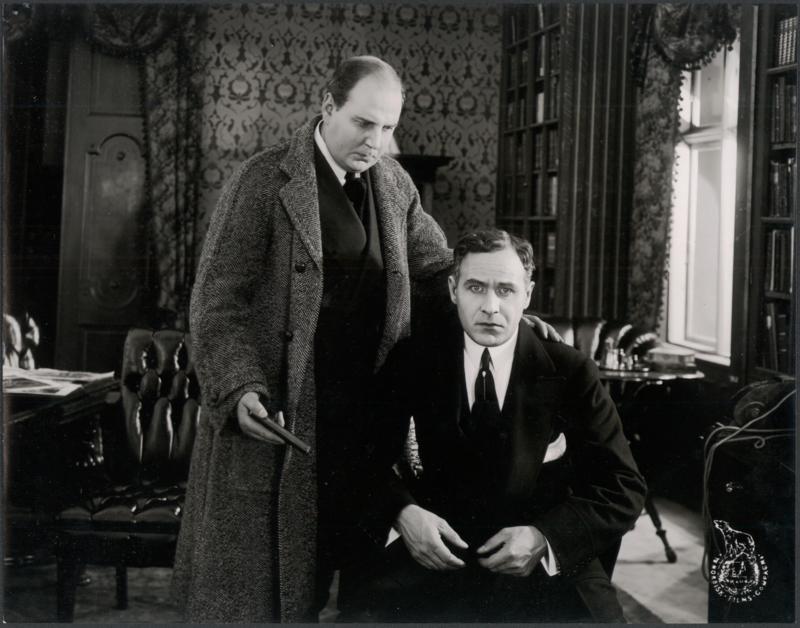
Previous 16 mm prints obscured a crucial background detail: in Erland’s office hangs a painting of Laocoön, arms entwined by serpents. The restoration’s 4K scan exposes that Erland has pinned his competitor’s visiting card over Laocoön’s mouth—an arrogant gag that foreshadows the chokehold to come. Such micro-visuals reward the pause button, turning home viewing into archaeological excavation.
Carl Lauritzen’s cadaverous attorney, always shot from waist level to emphasize a belly that arrives a second before he does, deserves a spin-off. Christel Holch’s cigar-gnawing dowager—think Maggie Smith reincarnated as a loan shark—steals every parlour scene by merely lifting a lorgnette. Even the bit-part stenographer (Ingeborg Spangsfeldt) telegraphs menace with the clack-clack of her typewriter keys, a sound that the intertitles translate into onomatopoeic shivers.
Film historians once claimed the final reel was missing; in truth Blom intended the abrupt blackout. The last image—Erland’s silhouette dissolving into plumes of steam—was photographed on location inside a functioning engine room. The crew ran out of film stock, but Blom kept the camera cranking until the celluloid strip flapped empty. That mechanical gasp is preserved in the restoration, a meta-interruption that reminds us even cinema itself can default on its promises.
Because film history loves tidy genealogies—Griffith begat Eisenstein who begat Hitchcock—but Alone with the Devil is the rogue chromosome that complicates DNA. It anticipates expressionist angles (three years before Cabinet of Dr. Caligari), noir chiaroscuro (a decade before The Maltese Falcon), and even the corporate dystopia of Alien’s Weyland-Yutani. To ignore it is to amputate cinema’s evolutionary limb.
I have screened this film four times across two continents; each viewing leaves a charcoal aftertaste, as though someone combusted morality in my mouth. It is not merely a curio for antiquarians—it is a diagnostic of the original sin sewn into modern capitalism. You will reassess every handshake, every nondisclosure clause, every festive bonus that arrives wrapped in corporate tinsel. And when you wake at 3 a.m. to the phantom clang of a factory whistle, you will realize the Devil was never alone—he subcontracted, and we’re all on payroll.
Verdict: 9.5/10 – A molten cornerstone of silent cinema that scorches the skin of any era.
IMDb —
1918
Community
Log in to comment.