DbcultAccessing Vault...
Cult Review
Senior Film Conservator
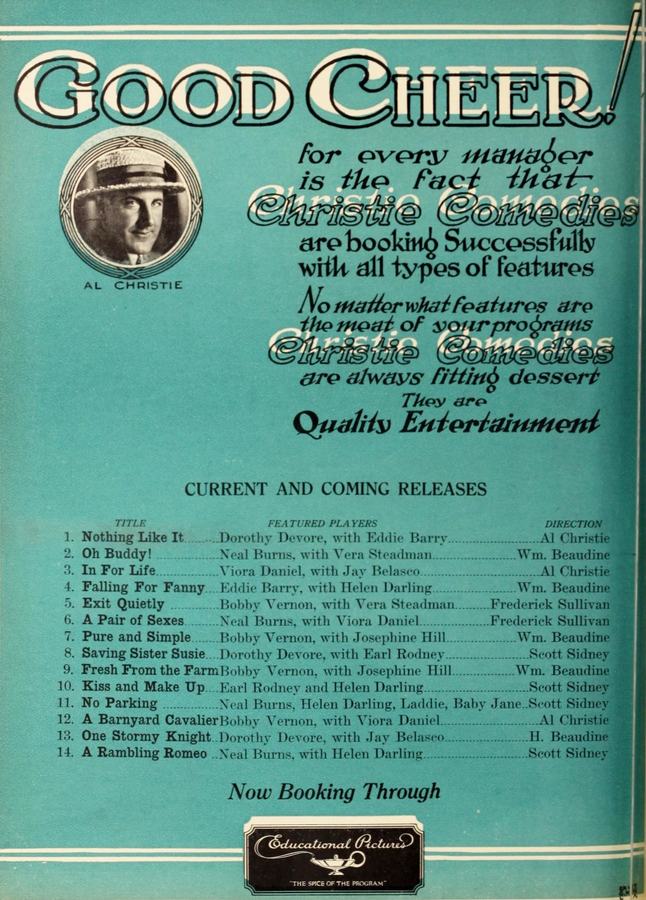
Frank Roland Conklin’s In for Life is a cinematic anomaly—a silent-era comedy that weaponizes slapstick to dismantle the sanctity of marriage, law, and paternal control. Released in 1917, it exists in a liminal space between vaudevillian farce and proto-feminist satire, weaving a narrative so audaciously subversive that it feels plucked from the imagination of a modern absurdist. The film’s opening act, a meticulously choreographed midnight elopement, sets the stage for a series of escalating ironies, culminating in a courtroom sequence that redefines the term 'judicial overreach.' This is not merely a story about love and marriage; it is a scathing indictment of the systems that seek to regulate them.
The film’s first act is a masterclass in tension-building. Our titular groom, played with boyish enthusiasm by Ward Caulfield, is not a suitor but a conspirator, orchestrating a midnight escape with his beloved. The mise-en-scène—a fog-draped town square, the faint glow of gaslamps—evokes the noir-inflected romance of later eras, yet the tone remains comically operatic. Viora Daniel, as the bride, radiates a mix of nervous energy and quiet resolve, her every glance a silent negotiation between desire and duty. The audience is complicit in the farce, privy to the groom’s overconfidence as he navigates the town’s labyrinthine alleys, blissfully unaware of the ambush awaiting him.
The script’s first twist arrives with the groom’s arrival at the rendezvous point: instead of the bride, he is met by her father (George B. French) and six overzealous constables. Conklin’s direction here is a study in visual metaphor—the groom’s outstretched hand freezes mid-gesture, the father’s stern face fills the frame, and the police form a phalanx of authority. This moment, rendered in stark black-and-white contrast, is the film’s pivot point: the transition from romantic fantasy to institutional reality. The chase sequence that follows, though brief, is a marvel of kinetic filmmaking. The groom’s frantic sprint through the town, pursued by a dog (Laddie the Dog, a silent-era star in his own right), becomes a metaphor for the futility of resisting societal forces.
What unfolds in the courtroom is a masterstroke of narrative audacity. The judge (Eugenie Forde), draped in judicial garb that evokes both gravitas and parody, delivers verdicts with the detached whimsy of a god toying with mortals. When the groom is 'sentenced' to marriage via judicial fiat, the act becomes a rebuke of patriarchal control. The father’s subsequent financial penalty—ordered to write a check to the newlyweds—is a stroke of genius, transforming the courtroom into a stage for redistributing power. Conklin’s script revels in this topsy-turvy logic, where the law functions less as a codified system and more as a tool for narrative anarchy.
Viora Daniel’s performance here is pivotal. Her reaction to the groom’s sentencing is a masterclass in silent-era acting: a slow, deliberate smile that suggests both relief and triumph. She becomes the film’s moral center, a figure who manipulates the system’s absurdities to her advantage. The judge’s final gavel strike, punctuated by the father’s thunderous expression, seals the film’s thesis: in a world governed by arbitrary rules, the only path to freedom is to weaponize those rules against themselves.
While In for Life shares thematic DNA with contemporaneous works like This Hero Stuff and On the Fighting Line, its boldness is unparalleled. Unlike the more conventional romances of the period, Conklin’s film embraces ambiguity. The marriage is not a resolution but a continuation of chaos. The groom’s fate—trapped by a system he sought to evade—mirrors the existential dilemmas of later existentialist cinema, though filtered through the lens of slapstick.
The film’s enduring relevance lies in its critique of legal and patriarchal structures. The judge’s manipulation of the law to 'reward' the couple is a prescient commentary on how institutions can be both oppressive and malleable. This duality is echoed in later works like The Prodigal Liar and Vengeance Is Mine, but In for Life distinguishes itself through its tonal balance—equal parts farcical and profound.
Conklin’s direction is meticulous, with each frame composed to maximize visual storytelling. The use of shadows and chiaroscuro in the courtroom scene is particularly striking, creating a stark contrast between the father’s rigid posture and the judge’s languid authority. The editing, though constrained by 1910s technology, is brisk and purposeful, ensuring the film’s rapid shifts in tone—comedy, drama, satire—flow seamlessly.
George B. French’s portrayal of the father is a standout. His restrained fury, conveyed through micro-expressions (a twitching lip, a clenched fist), adds emotional depth to what could have been a one-note antagonist. The supporting cast, particularly Laddie the Dog, injects levity without undermining the film’s darker themes. Ward Caulfield’s physical comedy, while occasionally over-the-top, captures the desperation of a man outmaneuvered by forces beyond his comprehension.
Though nearly a century has passed since its release, In for Life remains startlingly resonant. Its themes of institutional absurdity and resistance to oppressive norms speak to contemporary debates about marriage equality, legal reform, and gender roles. The film’s open-ended conclusion—where the newlyweds exchange a glance that suggests both gratitude and exasperation—resists easy interpretation, inviting viewers to ponder the true cost of 'happily ever after.'
For scholars of silent cinema, the film is a treasure trove of narrative experimentation. Its willingness to challenge genre conventions (e.g., the courtroom as a site of romantic resolution rather than conflict) makes it a vital artifact. For general audiences, it is a reminder that even the most anachronistic of films can hold a mirror to our present.
In for Life is a film that defies easy categorization. It is a comedy that grapples with existential themes, a satire that doubles as a heartfelt romantic tale, and a historical document that feels disturbingly current. Conklin’s vision, though occasionally overshadowed by more commercially successful contemporaries, deserves a place in the pantheon of cinema’s most inventive works. Whether viewed as a cautionary tale about the perils of elopement or a celebration of subversive storytelling, the film is a testament to the power of cinema to confound, challenge, and delight.
For those seeking similar works, Parted Curtains and The Man Who Stood Still offer complementary explorations of societal constraints. Yet In for Life remains in a league of its own—a film that, like its judge’s gavel, strikes with precision and leaves an indelible mark.
IMDb —
1929
Community
Log in to comment.