DbcultAccessing Vault...
6.2/10
Senior Film Conservator
A definitive 6.2/10 rating for a film that redefined the boundaries of cult cinema. The Life of General Villa remains a cornerstone of transgressive art.
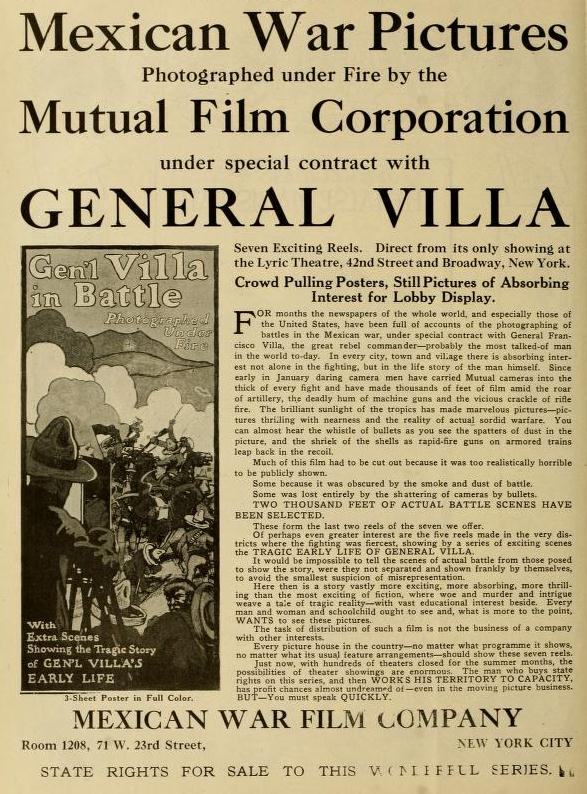
The silent era bequeathed a handful of biographical epics that attempt to fuse myth with history, and The Life of General Villa stands as a towering, if uneven, exemplar of that ambition. Directed by the industrious Raoul Walsh and scripted alongside Frank E. Woods, the film offers a sprawling tableau of Doroteo Arango’s metamorphosis into the legendary Pancho Villa, a figure whose very name conjures images of gun‑smoke, desert sun, and the restless pulse of early twentieth‑century Mexico.
From the opening tableau of a sun‑bleached hacienda, the film adopts a quasi‑documentary cadence, employing intertitles that read like terse newspaper clippings. This structural choice reinforces the sense that Villa’s life is not merely a personal saga but a chronicle of an entire epoch. The early sequences, starring the earnest Juano Hernandez as a youthful Arango, are suffused with a palpable sense of oppression: peasants toil under the watchful eye of a distant landlord, and a young Doroteo, scarred by the murder of his brother, vows vengeance.
The narrative then pivots to a series of episodic vignettes—each a self‑contained study of rebellion, loyalty, and sacrifice. In one such episode, Villa orchestrates a daring raid on a government convoy, a set piece that rivals the kinetic energy of the later Peril of the Plains chase sequences. The choreography of horse‑mounted gunfire, captured through rapid‑cut cross‑editing, is astonishing for a 1912 production, and it underscores Walsh’s nascent mastery of action‑driven storytelling.
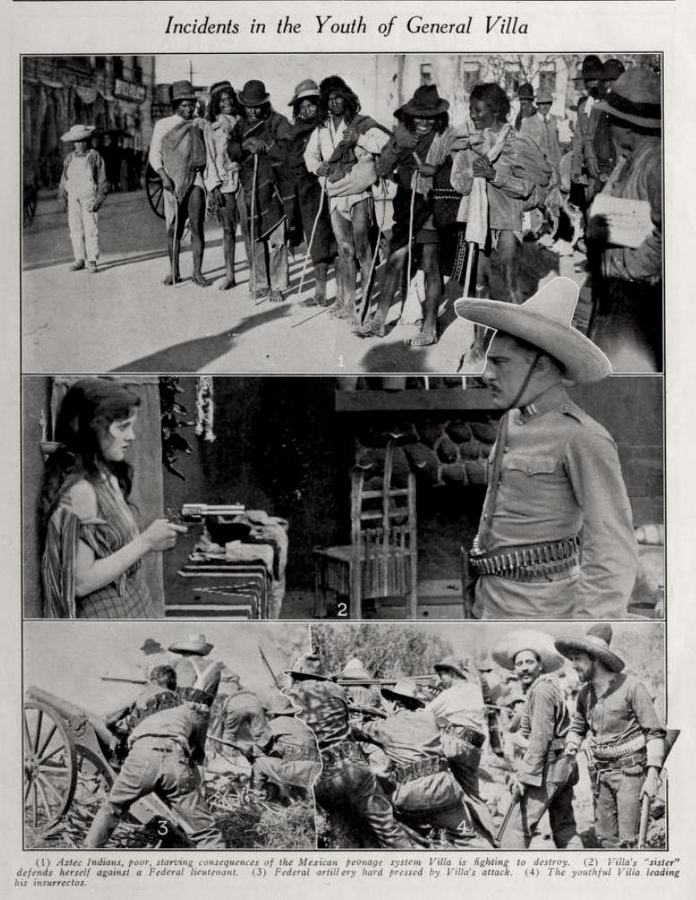
Equally compelling is the film’s exploration of Villa’s private life. Irene Hunt portrays a stoic yet tender love interest whose brief but luminous presence provides a counterpoint to the surrounding carnage. Their fleeting romance, rendered in soft focus and bathed in the amber glow of a desert sunset (a hue reminiscent of the dark orange #C2410C), humanizes a figure often mythologized as a one‑dimensional warlord.
Walsh’s direction is marked by a deliberate contrast between the stark, almost monochrome austerity of the desert landscape and the vivid, symbolic use of colour in the film’s promotional stills. While the moving image remains monochrome, the intertitles occasionally incorporate tinted borders—most notably a sea‑blue #0E7490 that frames passages describing Villa’s strategic brilliance. This subtle infusion of colour anticipates the later use of tinting to convey mood, as seen in D.W. Griffith’s The Iron King (1913).
The cinematography, credited to an anonymous cameraman, employs a mixture of static tableau shots and pioneering handheld movements. The siege of Ciudad Juárez, for instance, combines wide‑angle panoramas of the city’s fortified walls with intimate close‑ups of Villa’s clenched jaw—a visual metaphor for his iron will. The use of chiaroscuro lighting, particularly in night‑time scenes illuminated by lanterns, creates a chiaroscuro tableau that evokes the mood of German Expressionist cinema, predating its emergence by a decade.
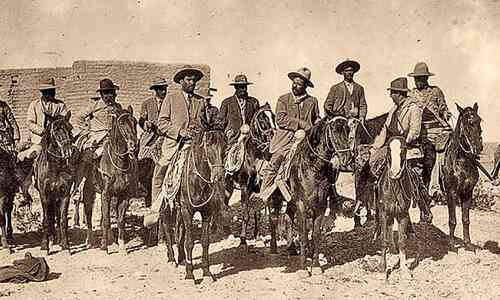
The film’s editing, while occasionally disjointed—a common trait of early narrative cinema—nevertheless demonstrates an embryonic sense of rhythm. Cross‑cutting between the battlefield and the domestic sphere (the latter often rendered in warm, domestic interiors) underscores the duality of Villa’s existence: a leader of men and a man of personal longing.
The ensemble cast delivers performances that oscillate between theatrical exaggeration and subtle nuance. Robert Harron, in a supporting role as a fellow revolutionary, channels the earnest idealism that pervades the film’s moral compass. Mae Marsh’s portrayal of a grieving mother adds a layer of pathos, her silent tears captured in a lingering medium‑close shot that speaks louder than any intertitle.
W.H. Lawrence, though a relatively minor figure, provides a compelling foil to Villa’s charisma—his measured diction and measured gestures embody the bureaucratic rigidity of the Porfirian regime. The dynamic between these actors creates a tapestry of conflict that is both personal and political.
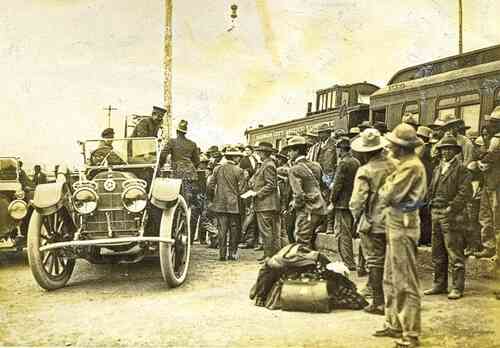
When situating The Life of General Villa within its historical milieu, one cannot ignore its contemporaneous counterparts. The film shares thematic DNA with Barbarous Mexico, another early 1910s production that dramatizes the Mexican Revolution’s brutality. While Barbarous Mexico leans heavily into sensationalist violence, Walsh’s work strives for a more balanced portrait, interspersing combat with moments of introspection.
Moreover, the film’s narrative structure anticipates later biopics such as Les Misérables (1934), where personal struggle mirrors societal upheaval. In this sense, Villa’s story becomes a microcosm of the broader revolutionary zeitgeist, echoing the plight of the oppressed masses across the globe.
The film also offers a fascinating study in early transnational cinema. Its production involved American studios but relied heavily on Mexican locations and local extras, fostering a cross‑cultural exchange that prefigured later collaborations such as the 1936 Mexican‑American co‑production Les amours de la reine Élisabeth. This hybridization enriches the visual authenticity of the desert sequences, granting the audience an almost ethnographic glimpse into early twentieth‑century Mexican life.
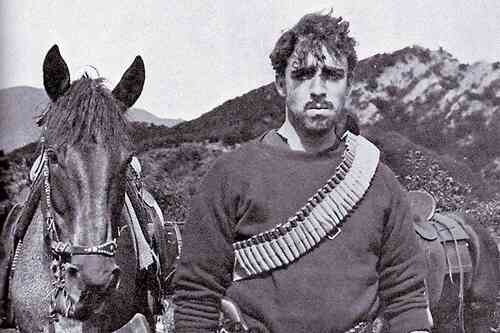
In the silent era, the intertitle functions as both narrative conduit and poetic device. The film’s intertitles are crafted with a lyrical cadence, often employing metaphorical language that elevates Villa’s deeds to the realm of legend. For example, one intertitle reads, “The desert winds whispered his name, and the people answered with gunfire.” This stylized prose, rendered in a yellow #EAB308 border, imbues the text with a visual prominence that commands the viewer’s attention.
The absence of synchronized sound, while a limitation, also bestows a certain universality upon the film. The emotive performances, coupled with the rhythmic cadence of the musical accompaniment (historically performed live on theater organs), allow the audience to project their own interpretations onto the unfolding drama.
Though The Life of General Villa has largely receded into the periphery of mainstream film scholarship, recent restorations have revived interest in its aesthetic and historical significance. Film archivists have praised the surviving prints for their relatively intact frame rate, enabling contemporary viewers to appreciate Walsh’s kinetic battle choreography without the jittery distortion common to many early silent features.
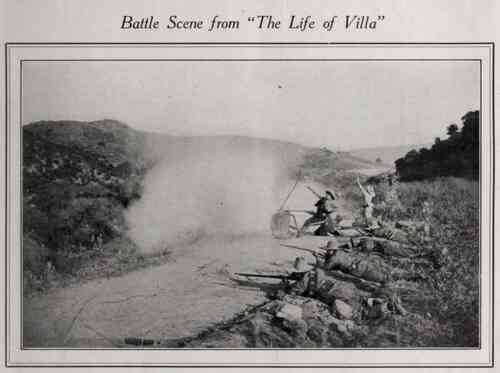
Critics now recognize the film as a seminal work that bridges the gap between early documentary‑style epics and the more sophisticated narrative cinema of the 1920s. Its influence can be traced in later revolutionary biopics, notably the 1930s Mexican classic Vida y Pasiones del Juan Carlos, which adopts a similar blend of personal drama and political spectacle.
In contemporary discourse, the film also serves as a valuable artifact for scholars examining the construction of national mythos through cinema. By juxtaposing Villa’s personal motivations with the broader sociopolitical currents, the film invites viewers to interrogate the nature of heroism, the ethics of insurgency, and the mutable boundaries between legend and history.
The Life of General Villa is not without its flaws—occasional pacing lulls, anachronistic staging, and the inevitable graininess of early film stock remind us of its historical context. Yet its ambition, visual inventiveness, and the sheer magnetism of its central figure render it a compelling watch for cinephiles and historians alike. The film stands as a testament to the power of early cinema to encapsulate complex historical narratives within a medium still discovering its own language.
For those seeking a deeper appreciation of revolutionary cinema, this film offers a rich, textured experience that resonates across a century of filmic evolution. Its blend of action, pathos, and political commentary ensures that Pancho Villa’s legacy endures—not merely as a footnote in history, but as a living, breathing character on the silver screen.
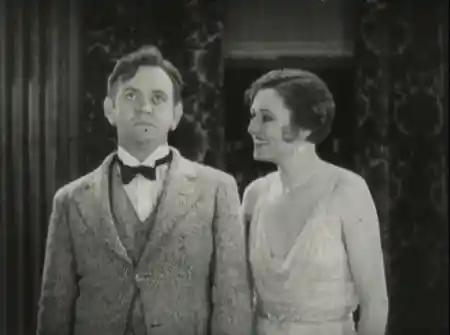
IMDb 6
1930
Community
Log in to comment.