DbcultAccessing Vault...
5.8/10
Senior Film Conservator
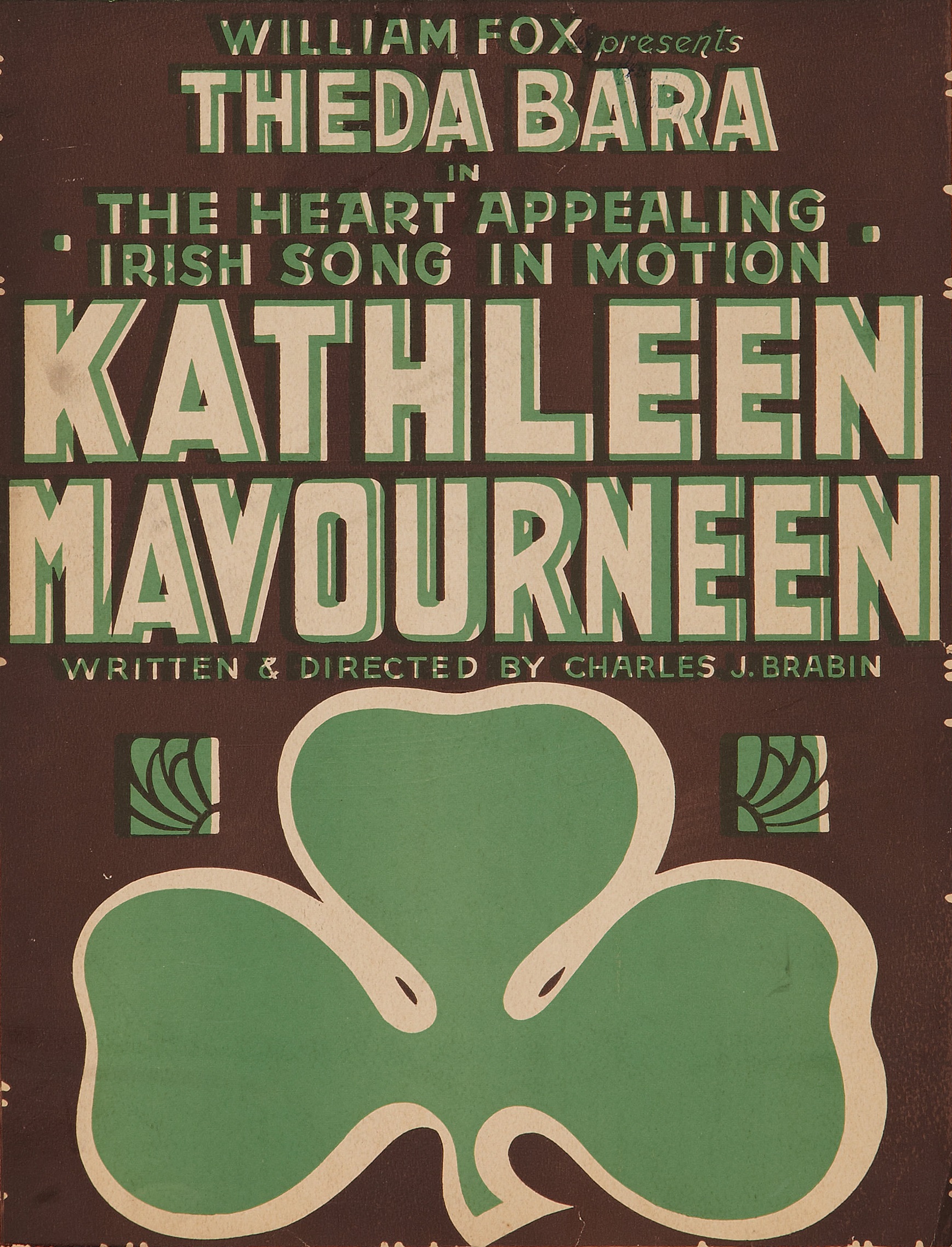
A definitive 5.8/10 rating for a film that redefined the boundaries of cult cinema. Kathleen Mavourneen remains a cornerstone of transgressive art.
Stepping back into the nascent years of cinematic storytelling, 1913's ‘Kathleen Mavourneen’ emerges not merely as a relic of a bygone era but as a vivid testament to the enduring power of melodrama. This silent film, deeply rooted in Irish folklore and the iconic song it shares its name with, plunges viewers into a world where societal strata dictate destiny, and the human heart battles against an oppressive system. It's a narrative woven with threads of innocence, betrayal, and a resilience that, even through flickering images and expressive gestures, resonates profoundly.
The cinematic landscape of the early 20th century was a fertile ground for such tales, where the grand gestures and stark moralities of stage plays seamlessly transitioned to the silver screen. ‘Kathleen Mavourneen’, directed by Charles Brabin, who also contributed to the screenplay, is a quintessential example of this period's dramatic sensibilities. It doesn't shy away from depicting the harsh realities faced by the working class, particularly in a rural Irish setting where the landlord’s word was law, and the lives of tenants hung by the thinnest of threads. This film, in its essence, is a powerful exploration of the class divide, a theme that, despite its century-old origins, retains a startling contemporary relevance.
The plot, deceptively simple on its surface, unravels into a complex tapestry of human frailty and strength. We are introduced to Kathleen, portrayed by Mildred Martin with a captivating blend of vulnerability and nascent defiance. Her dreams are modest, yet profound: a life intertwined with her beloved Terrence, a union symbolizing hope and genuine affection amidst their humble existence. Terrence, played by Frank Tenney Johnson, embodies the earnest, principled suitor, whose love for Kathleen is the very bedrock of her aspirations. Their idyllic vision, however, is a fragile thing, easily shattered by the machinations of power.

Enter the Squire, a character of chilling opportunism, brought to life with a nuanced villainy by Marc McDermott. His initial interest in Kathleen is less about genuine affection and more about the exercise of his inherent authority, a perverse form of entitlement. Leveraging the crushing debt owed by Kathleen's father, the Squire orchestrates a forced betrothal, tearing Kathleen away from Terrence and into a future devoid of true love. This pivotal moment underscores the brutal imbalance of power prevalent in the era, where personal autonomy was often a luxury afforded only to the privileged. The scene where Kathleen's father, played by Morgan Thorpe, is compelled to sacrifice his daughter's happiness for his economic survival is particularly gut-wrenching, a silent scream against an unjust system.
The narrative takes a sharp, almost cynical turn with the arrival of Lady Clancarthy, an exceedingly wealthy heiress. Her presence immediately shifts the Squire's fickle affections. Kathleen, once an object of his possessive desire, rapidly transforms into an inconvenient impediment to a far more lucrative alliance. This sudden pivot exposes the Squire's utterly mercenary nature, his heartless disregard for human feeling, and his relentless pursuit of personal gain. The film brilliantly, albeit silently, critiques the transactional nature of relationships within the upper echelons of society, where wealth often dictates worth.
To dispose of his inconvenient betrothed, the Squire callously abandons Kathleen in the desolate expanse of the forest. This act of cruelty, reminiscent of ancient fables where maidens are left to fend for themselves, propels the story into a more perilous realm. Beset upon by ruffians – a common trope in melodramas to heighten the stakes and showcase vulnerability – Kathleen finds herself in dire straits. Her rescue by Terrence, who has undoubtedly been searching for her with a fierce determination, is a moment of pure, unadulterated heroism. It is a brief, tantalizing reunion for the star-crossed lovers, a flicker of hope in their otherwise bleak existence.
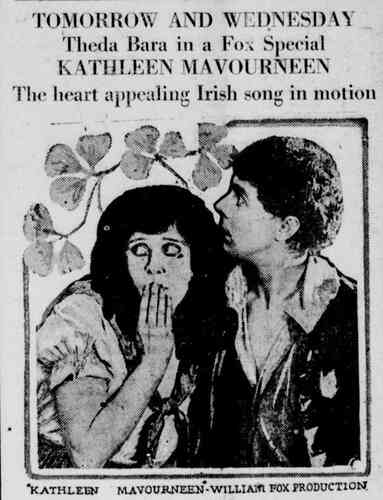
However, the narrative ensures that happiness remains elusive. Terrence's heroic intervention leads to a tragic framing for murder, a cruel twist of fate engineered by the very forces that sought to keep them apart. This injustice, a cornerstone of many melodramas, serves to amplify the inherent unfairness of their world and to elicit maximum empathy from the audience. The plight of Terrence, wrongfully accused, mirrors Kathleen's own powerlessness, cementing their shared struggle against an unforgiving society. The film's conclusion, while offering a resolution, leaves an indelible impression of the sacrifices made and the battles fought against overwhelming odds.
In silent cinema, the burden of conveying emotion, character, and plot falls squarely on the shoulders of the actors' physicality and facial expressions. The cast of ‘Kathleen Mavourneen’ rises to this challenge with remarkable skill. Mildred Martin's Kathleen is a study in grace under pressure. Her wide, expressive eyes communicate volumes, shifting from innocent joy to abject terror, and finally to a quiet, enduring strength. She embodies the archetypal wronged maiden, yet infuses her with a believable human spirit that transcends mere caricature.
Frank Tenney Johnson, as Terrence, delivers a performance of earnest integrity. His portrayal of a man driven by love and a fierce sense of justice is both compelling and sympathetic. His despair when separated from Kathleen and his fervent determination to rescue her are palpable, even without spoken dialogue. One cannot help but root for his character, a beacon of hope against the darkness that surrounds him. His physical prowess during the rescue scene is particularly noteworthy, showcasing the action-oriented elements that were becoming increasingly popular in early cinema.
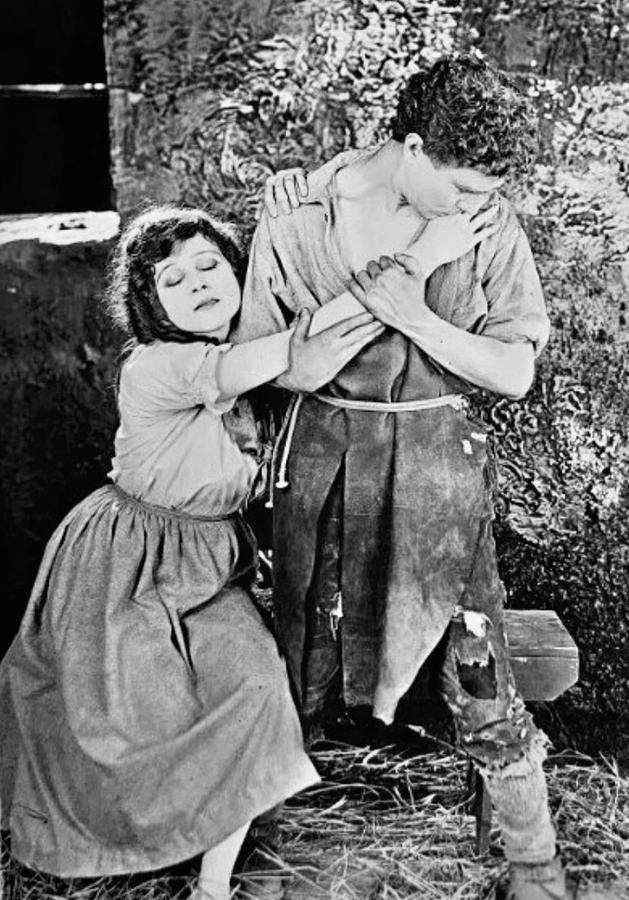
Marc McDermott's Squire is a masterclass in silent villainy. He doesn't resort to overt gesticulations of evil; instead, his menace is conveyed through a subtle sneer, a dismissive wave of the hand, and an arrogant bearing that speaks volumes about his character's self-importance and lack of empathy. His transformation from a seemingly interested suitor to a cold, calculating opportunist is expertly handled, making his eventual comeuppance all the more satisfying. This kind of nuanced portrayal of antagonist was crucial for the dramatic impact of these early films.
Intriguingly, the cast list also includes Theda Bara. While her meteoric rise to fame as the original 'Vamp' was still a few years away, her presence in this early film suggests a foundational period in her career, a time before she fully embraced the exotic, femme fatale persona that would define her. Her role here, likely a minor one, offers a fascinating glimpse into the nascent stages of a legendary career, providing a rare opportunity to see her before the full force of her star power was unleashed. Other supporting players like Harry Gripp, Morgan Thorpe, Marcia Harris, Henry Hallam, Jennie Dickerson, Edward O'Connor, and Raymond McKee contribute effectively to the film's rich texture, each bringing their characters to life with the distinctive expressiveness required for silent film acting. Their collective efforts ensure that the emotional core of the story is always felt, even when the grander themes are at play.
Charles Brabin, donning the hats of both director and co-writer, navigates the complexities of the story with a keen understanding of cinematic rhythm and visual storytelling. Directing in the silent era was a unique challenge, demanding a meticulous attention to composition, pacing, and the effective use of intertitles to bridge narrative gaps or emphasize emotional beats. Brabin's direction in ‘Kathleen Mavourneen’ is characterized by its clarity and directness, ensuring that the audience, regardless of their familiarity with the source material, could follow the intricate plot and connect with the characters' plights.
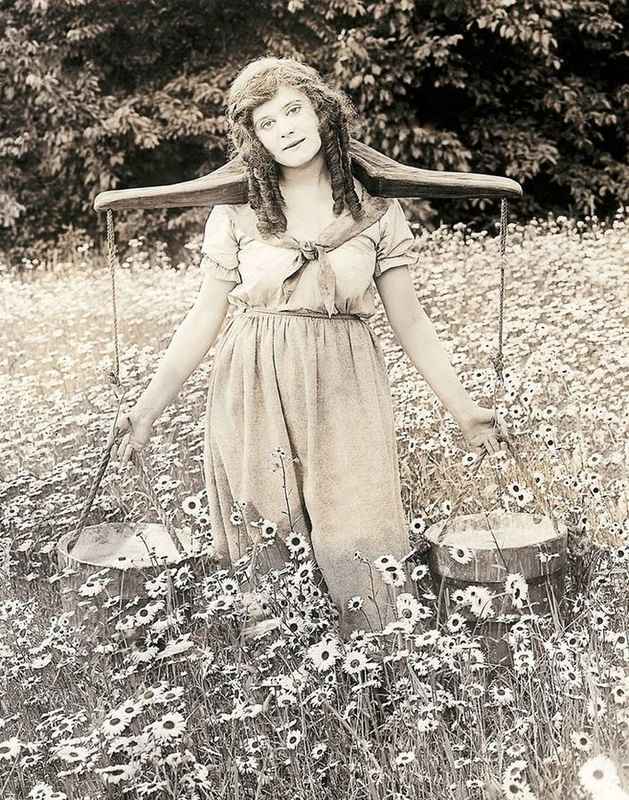
The cinematography, though rudimentary by modern standards, effectively captures the contrasting settings of the film – the humble warmth of Kathleen's home, the ominous grandeur of the Squire's estate, and the foreboding expanse of the forest. Brabin employs thoughtful camera placements and edits to build tension, particularly during the scenes of Kathleen's abandonment and Terrence's rescue. The use of close-ups, while not as prevalent as in later silent films, is judiciously applied to highlight crucial emotional reactions, drawing the viewer deeper into the characters' inner worlds. This early mastery of cinematic language demonstrates Brabin's burgeoning talent and his contribution to shaping the visual grammar of film.
The narrative strength of ‘Kathleen Mavourneen’ is deeply indebted to its literary forebears. The film draws its inspiration, at least in title and spirit, from the beloved Irish song by Thomas Moore, a ballad steeped in romantic longing and the melancholic beauty of the Irish landscape. More directly, the plot owes much to the enduring stage play by Dion Boucicault, a prolific Irish playwright whose works were celebrated for their dramatic intensity and their often-sympathetic portrayal of Irish characters. Boucicault's influence is evident in the film's strong character archetypes, its clear moral delineations, and its effective use of suspense and emotional catharsis.
Charles Brabin, in adapting this rich source material for the screen, demonstrated a keen understanding of how to translate theatrical conventions into a nascent cinematic language. He retained the core emotional conflicts and social commentary while streamlining the narrative for a visual medium. This collaboration of literary heritage and nascent film artistry allowed ‘Kathleen Mavourneen’ to resonate deeply with audiences, tapping into universal themes of love, injustice, and the struggle for freedom. It's a testament to the power of stories that transcend their original medium, finding new life and new audiences through evolving forms of expression.

When viewed through the lens of early cinema, ‘Kathleen Mavourneen’ stands as a significant entry in the burgeoning landscape of feature films. Its thematic concerns – the vulnerability of the poor, the abuse of power, and the pursuit of justice – echo through countless other works of the era. One might draw parallels to the social commentary found in adaptations of literary classics like Oliver Twist (1916), where the plight of the downtrodden is similarly explored with dramatic intensity. The struggle of a virtuous woman against societal pressures and male predation is a recurring motif, found in films like Viviette, where female protagonists navigate treacherous social landscapes. The sheer drama and heightened emotional stakes could also be seen in relation to films such as The Great Leap: Until Death Do Us Part, which, though perhaps different in setting, shares a commitment to high-stakes emotional narratives.
The film's exploration of Irish identity and struggle, while perhaps not as overtly political as some later works, subtly weaves in a sense of national character, distinguishing it from purely generic melodramas. It offers a glimpse into how early cinema began to engage with cultural specificities, even within broad genre conventions. The very title, evocative of a cherished national song, would have instantly resonated with audiences familiar with Irish culture, lending an additional layer of emotional depth.
IMDb —
1919
Community
Log in to comment.