DbcultAccessing Vault...
Cult Review
Senior Film Conservator
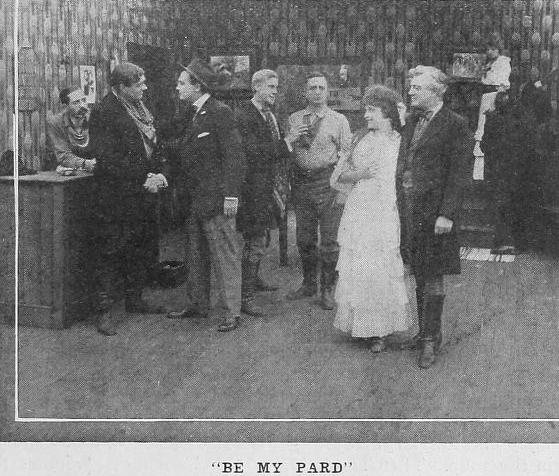
The flickering frames of 1916’s My Partner unfurl a narrative as stark and unforgiving as the Siskiyou landscape it inhabits, yet simultaneously as tender and intricate as the human heart it dissects. This silent era gem plunges us into a world where honor, love, and loyalty are tested against the brutal backdrop of a burgeoning mining town, painting a portrait of lives inextricably bound by fate and circumstance. It's a journey through the moral complexities of frontier life, where the line between justice and vengeance blurs, and the pursuit of gold is often overshadowed by the more precious, yet elusive, commodity of genuine affection.
At the emotional core of this compelling drama stands Joe Saunders, portrayed with a profound, understated intensity by Burr McIntosh. Joe is not merely Siskiyou's leading citizen; he is its moral compass, a man whose integrity is as deep as the mines he works. His affection for Mary Brandon, cultivated since her childhood, represents a foundational, almost elemental force in his life. McIntosh embodies this devotion with a quiet strength, his every gesture and expression conveying a loyalty that transcends mere romance. Joe's love for Mary is a steadfast, unshakeable beacon, illuminating his actions even when they lead him down paths of profound personal sacrifice. He is the archetypal good man, a figure of masculine virtue whose internal struggle resonates deeply, making his eventual heartbreak all the more poignant. His initial generosity towards Ned Singleton, inviting him into partnership, underscores his inherent goodness, a trait that tragically becomes a vulnerability in the face of deceit.
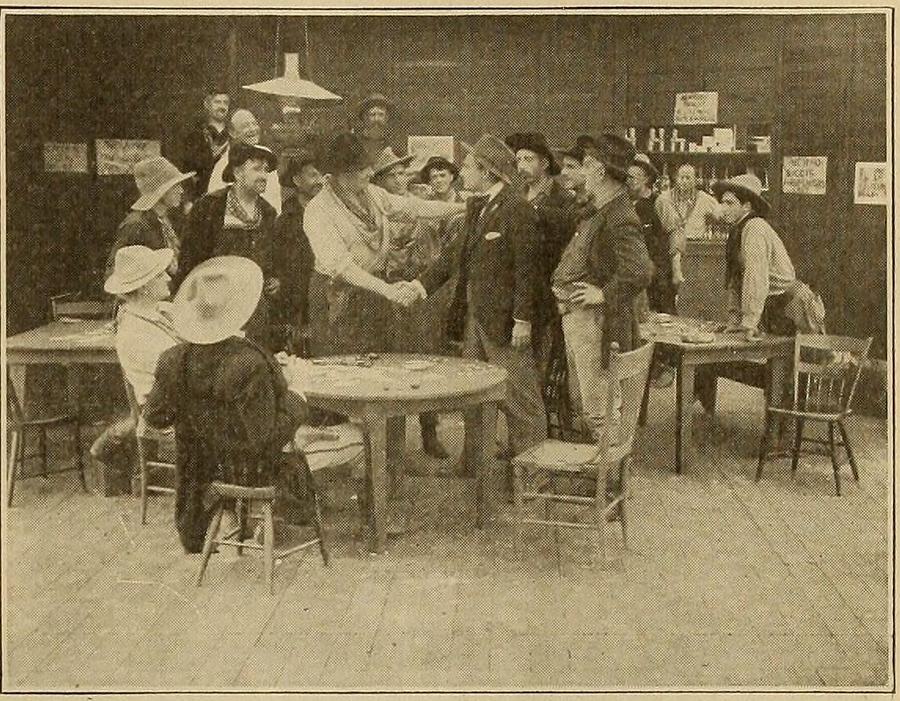
Mary Mantell's portrayal of Mary Brandon captures the essence of youthful innocence and the tumultuous journey of a heart awakening to complex desires. Initially, Mary's affection for Joe is simple, a natural outgrowth of shared history and comfort. She is the delicate flower amidst the rugged terrain, providing warmth and light to the town's rough-hewn inhabitants. However, the arrival of Ned Singleton acts as a seismic event in her emotional landscape. Mary's evolving feelings are depicted with a nuanced sensitivity, reflecting the genuine confusion and pull of newfound passion. Her struggle to reconcile her deep-seated respect and affection for Joe with the intoxicating allure of Ned is a central dramatic tension. This isn't merely a tale of fickle love; it’s a realistic exploration of how external forces and personal charisma can reorient the very compass of one’s heart, even when a steady, good love already exists. Mantell conveys Mary's internal conflict and eventual, painful confession with a raw vulnerability that prevents her from being a mere object of affection, instead rendering her a complex, empathetic figure.
Goldwin Paton's Ned Singleton is a masterclass in charismatic disruption. He enters Siskiyou as a vibrant force, handsome, enthusiastic, and immediately captivating. His heroism in catching a card cheat not only wins him the town's admiration but, crucially, earns him Joe Saunders's unbounded respect and an offer of partnership. Ned represents the exciting, unpredictable element that shatters the established order. He is not inherently malicious, but his presence, and his burgeoning romance with Mary, inadvertently set in motion a chain of events that lead to profound sorrow. Paton imbues Ned with an earnestness that makes his eventual entanglement with Mary believable, and his fall from the cliff—a literal and metaphorical tumble—underscores the fragility of life and fortune in the frontier. His recovery, tended by both Joe and Mary, only serves to deepen the romantic dilemma, positioning him as an unwitting rival whose charm proves irresistible. The tragic irony is that Ned, initially a symbol of positive change, becomes the unwitting pivot around which the community's darkest drama unfolds.
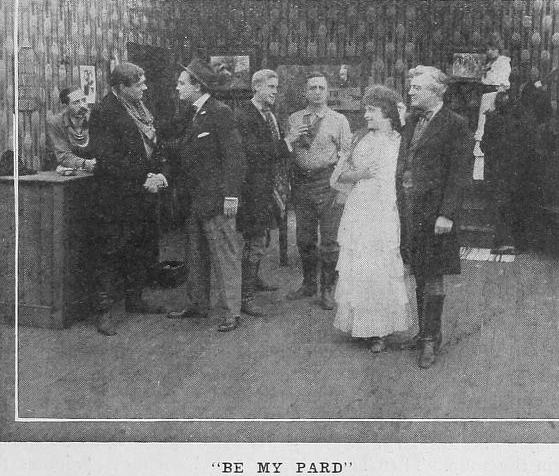
Every compelling melodrama requires a truly odious villain, and James Ryan's Scraggs fulfills this role with chilling efficacy. Scraggs is not merely an antagonist; he is a shadowy, insidious presence, driven by a perverse, long-standing obsession with Mary, an obsession that harks back to her mother. His motivations are deeply rooted in a possessive, predatory desire, making him a far more dangerous foe than a simple rival. Scraggs embodies pure malevolence, carefully observing, calculating, and then striking with ruthless precision. His act of planting the bloody cuff and fabricating Joe's guilt is a masterstroke of villainy, a calculated manipulation of circumstance and perception that turns the community against its most trusted member. Ryan’s performance, though bound by the conventions of silent film acting, undoubtedly conveyed the sinister undercurrents of a man consumed by dark passions, making him a truly memorable, if despicable, character. He is the embodiment of the darkness that can fester beneath the surface of even the most seemingly wholesome communities.
The setting of Siskiyou, while perhaps not given the expansive visual treatment of later Westerns, functions as more than just a backdrop; it is a character in itself. This rough-and-tumble mining town represents a microcosm of frontier society, where community bonds are strong but justice is often swift, and sometimes, dangerously misguided. The men are 'rough, kind-hearted,' reflecting the dual nature of survival in an untamed land. The town's collective admiration for Joe, its quick acceptance of Ned, and its swift, if mistaken, judgment after the murder, all speak to the particular dynamics of such a place. It's a world where reputation is paramount, and a good name can be shattered by a single, well-placed lie. The landscape, implicitly harsh and demanding, mirrors the emotional ruggedness of its inhabitants and the brutal realities they face. The very idea of 'lover's rock' suggests a yearning for romance and beauty amidst the grit, a stark contrast to the violence that ultimately erupts.
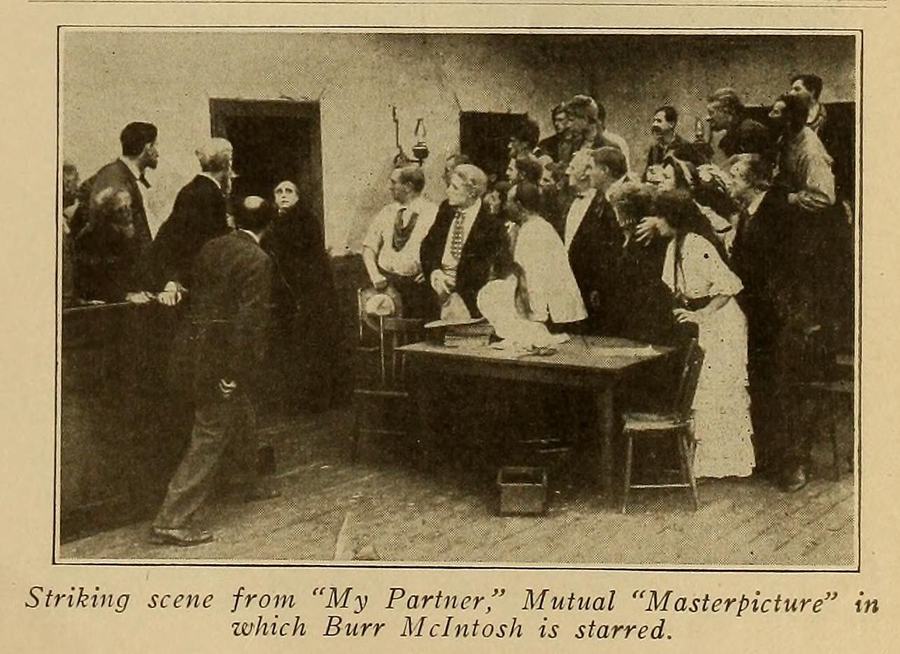
My Partner, at its heart, is a profound meditation on the shifting sands of human loyalty and the devastating impact of betrayal. Joe's unwavering fidelity, both to Mary and to his partner Ned, forms the moral bedrock of the film, even as he is betrayed by both love and deceit. Mary's struggle highlights the complexity of youthful affection, where the heart's true desires can sometimes clash with established loyalties. The film also delves deeply into the theme of reputation – how easily it can be tarnished, and the extreme lengths individuals will go to protect it, especially in a close-knit community where gossip and accusation carry immense weight. Joe's ultimate decision to marry Mary, not just out of love but to preserve her good name, speaks volumes about the societal pressures and honor codes of the era. This thematic richness elevates the film beyond simple melodrama, imbuing it with a timeless resonance.
As a product of 1916, My Partner exemplifies the storytelling techniques prevalent in early silent cinema. The narrative relies heavily on visual cues, exaggerated facial expressions, and gestural acting to convey emotion and plot points, supplemented by intertitles that provide crucial dialogue and exposition. The director's ability to build suspense through framing, pacing, and the strategic use of close-ups (where available in the print) would have been paramount. The melodrama, a hallmark of the period, is not merely theatrical flourish but a necessary tool to communicate heightened emotions without spoken dialogue. This film's strength lies in its capacity to translate complex interpersonal dynamics and moral quandaries into a visually compelling language, engaging audiences through raw, unadulterated human drama. It's a testament to the power of early filmmakers to craft gripping narratives with limited technical means, relying instead on the universality of human experience.
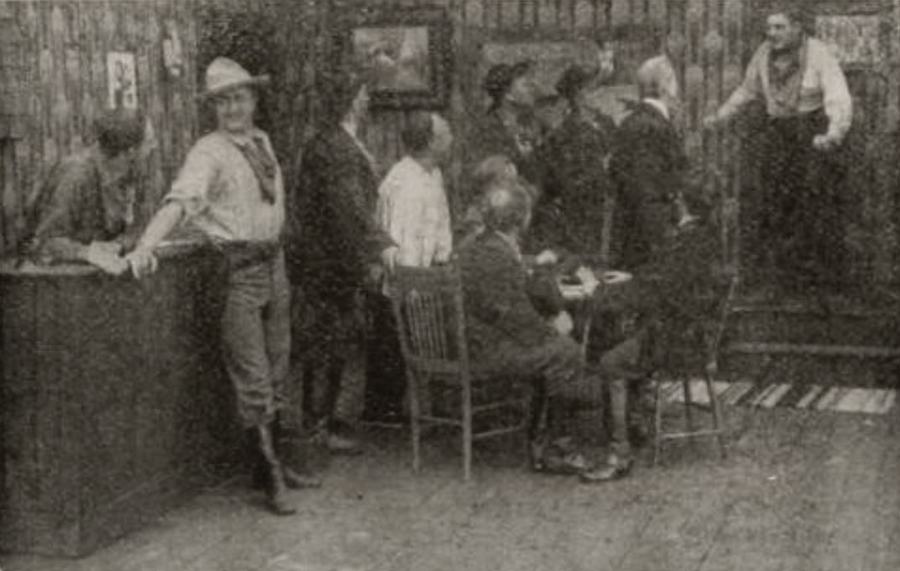
Bartley Campbell's script for My Partner demonstrates a keen understanding of dramatic construction, meticulously weaving together threads of romance, friendship, jealousy, and murder into a tightly plotted narrative. The pacing, even in the absence of sound, would have been crucial for maintaining tension, from the initial idyllic scenes to the dramatic confrontation at 'lover's rock' and the shocking murder. Campbell skillfully orchestrates the characters' interactions, ensuring that each decision and revelation propels the story forward, deepening the emotional stakes. The plot twists, particularly Scraggs's cunning frame-up and Joe's subsequent trial, are designed to keep the audience on the edge of their seats, investing them deeply in the fate of the protagonists. The resolution, while offering a form of justice, also leaves a lingering sense of bittersweet sacrifice, a hallmark of effective dramatic writing that transcends its era.
Comparing My Partner to other films of its time reveals its place within the burgeoning landscape of American cinema. Its focus on frontier life and moral dilemmas aligns it with films like The Aryan (1916), which also explored themes of racial prejudice and redemption in rugged settings. The intense personal conflicts and community dynamics find parallels in films such as Children of the Feud (1916), where love blossoms amidst deep-seated societal divisions. The legal drama and the questioning of innocence, central to Joe's trial, resonate with the courtroom tension found in The Scales of Justice (1914), showcasing a common fascination with the mechanics of justice in a world still grappling with its definition. These comparisons underscore My Partner's contribution to a cinematic language that was rapidly evolving, often using familiar tropes to explore complex human experiences.
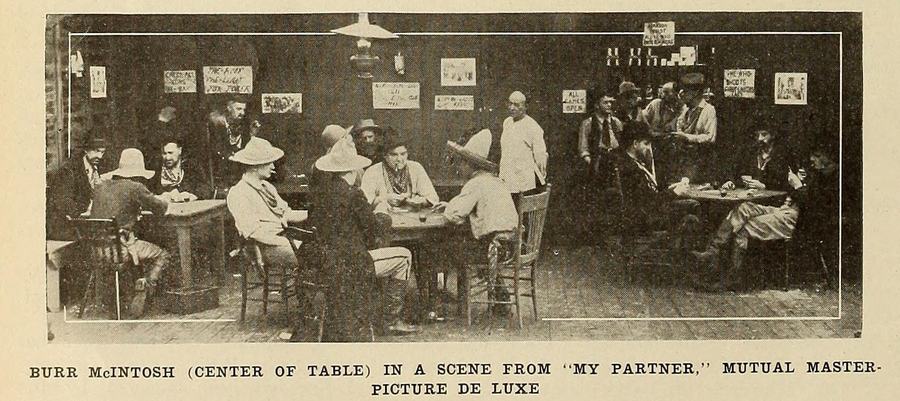
The film's resolution, where Joe is acquitted and subsequently marries Mary, is steeped in a fascinating blend of love, duty, and the lingering shadow of past events. It’s not a joyous, unambiguous happy ending but rather one born from necessity and a deep-seated sense of responsibility. Joe’s love for Mary is unconditional, strong enough to forgive her earlier affections for Ned and to overlook the circumstances that led to the tragedy. His decision to marry her, explicitly stated as being partly to preserve her 'good name,' highlights the stringent social codes of the era, particularly for women. This ending offers a complex resolution, where justice is served for Ned's murder (Scraggs is accused), but the emotional landscape remains scarred. Joe, the steadfast partner, ultimately secures Mary, but at what cost to his own heart, which has endured betrayal and profound loss? It's a powerful, if melancholic, testament to enduring love and the capacity for self-sacrifice, leaving the audience to ponder the true nature of happiness in a world so often marked by hardship.
Ultimately, My Partner stands as a compelling artifact of early cinema, a silent film that speaks volumes through its nuanced characterizations, intricate plot, and exploration of timeless human themes. It's a vivid reminder of the dramatic power that could be wielded even in the nascent days of the moving picture, captivating audiences with stories that resonated with their own experiences of love, loss, and the eternal quest for justice in a world often defined by its harsh realities.
IMDb 6.4
1937
Community
Log in to comment.