DbcultAccessing Vault...
6.9/10
Senior Film Conservator
A definitive 6.9/10 rating for a film that redefined the boundaries of cult cinema. The Devil in the Heart remains a cornerstone of transgressive art.
Is 'The Devil in the Heart' (originally 'L'Homme du Large') a silent film worth unearthing from the archives today? Short answer: absolutely, but temper your expectations for a smooth ride. This is a film for those with a deep appreciation for the experimental spirit of early French cinema and a tolerance for melodramatic excess, decidedly not for viewers seeking modern pacing or clear-cut morality.
Marcel L'Herbier’s 1920 production, adapted from a Lucie Delarue-Mardrus novel, is a fascinating, often frustrating, artifact. It’s a bold artistic statement, brimming with visual flair and psychological ambition, yet it occasionally stumbles under the weight of its own dramatic contrivances. It offers a window into a pivotal moment in film history, showcasing a director grappling with the nascent language of cinema.
For silent film enthusiasts, cinephiles interested in the French avant-garde, or anyone curious about the evolution of cinematic storytelling, 'The Devil in the Heart' is an essential watch. It represents a significant step in L'Herbier's career, demonstrating his early command of visual metaphor and his willingness to push boundaries.
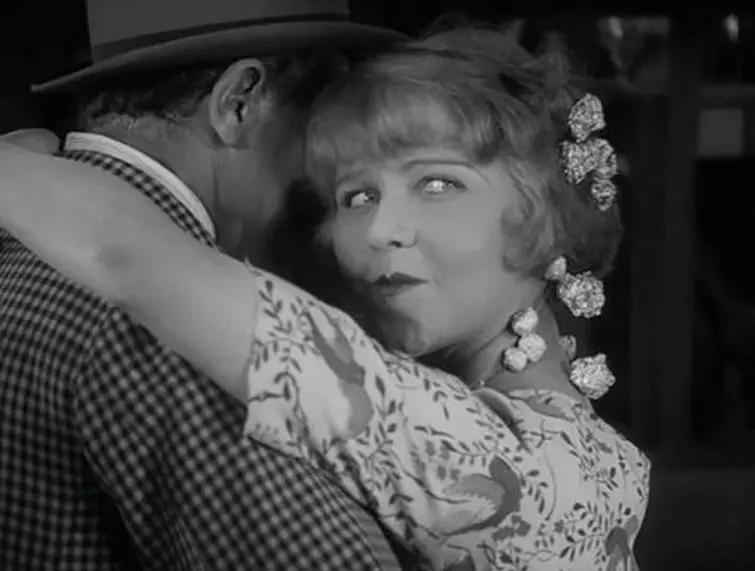
However, if your primary interest lies in tightly plotted narratives, subtle character development, or films that don't demand a certain level of engagement with their historical context, this might prove a challenging experience. Its melodrama, while potent, can feel overbearing to contemporary sensibilities, and its moral ambiguities are less about nuance and more about the raw, often brutal, consequences of human folly.
This film works because its audacious visual storytelling and emotional intensity, particularly in its depiction of Ludivine’s guilt and the sea’s unforgiving power, resonate with a raw, primal energy. It fails because its narrative lurches and sometimes heavy-handed symbolism can undermine the very psychological depth it strives for. You should watch it if you're a student of film history, a fan of expressive silent cinema, or someone who appreciates films that dare to be different, even if imperfect.
At its core, 'The Devil in the Heart' is a morality play, albeit one steeped in the dramatic flourishes of early 20th-century French cinema. Ludivine Bucaille, brought to life by the expressive Marie Glory, is a character whose initial act of spite casts a long, dark shadow over her entire existence. Her casual wish for the death of Leherg and his son, Delphin, is not merely a plot device; it’s the inciting incident for a profound exploration of remorse and the karmic debt that follows.
L'Herbier masterfully uses the sea as both a literal and metaphorical force. It is the instrument of Leherg’s demise and Delphin’s miraculous survival, but it also represents the vast, uncontrollable forces that govern human fate. The director’s visual language often emphasizes this, with shots of crashing waves or distant horizons reflecting Ludivine’s internal turmoil. The early scenes, where Ludivine grapples with the unexpected consequences of her words, are particularly effective, conveying her burgeoning guilt without a single spoken line.
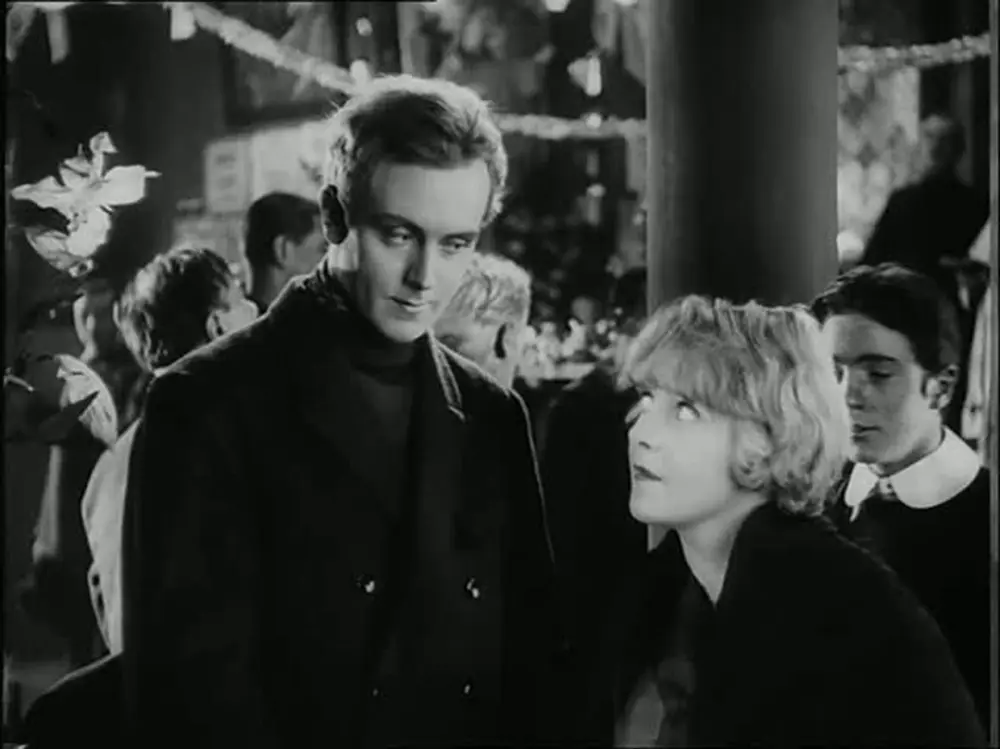
The film then shifts into a more domestic drama, as Ludivine’s remorse drives her to adopt Delphin. This transition, while necessary for the plot, feels somewhat abrupt. One moment she is consumed by grief, the next she is meticulously cleaning a house for a child she has arguably orphaned. This rapid shift highlights a common challenge of silent cinema: conveying complex psychological shifts often relied on broad strokes and overt gestures rather than nuanced internal monologues. Yet, the growing affection between Ludivine and Delphin is genuinely touching, a testament to the power of shared trauma and the human capacity for connection.
Marcel L'Herbier, a key figure in the French Impressionist cinema movement, injects 'The Devil in the Heart' with a distinct visual artistry. His use of light and shadow is particularly noteworthy, especially in contrasting the idyllic, albeit guilt-ridden, home life with the murky, dangerous world of Lauderin’s bar. The interior scenes often feel intimate and stifling, reflecting Ludivine's trapped existence, while the exterior shots, particularly those involving the sea, evoke a sense of grandeur and impending doom.
Consider the sequence where Ludivine, in a fit of jealousy, agrees to marry Lauderin. L'Herbier doesn't just show her acceptance; he might employ a close-up on her anguished face, her eyes darting between her father’s menacing presence and the imagined betrayal of Delphin, perhaps with a subtle overlay or dissolve to suggest her internal conflict. This kind of visual storytelling, while common for the era, is executed with a particular flair that elevates the melodrama beyond mere histrionics.
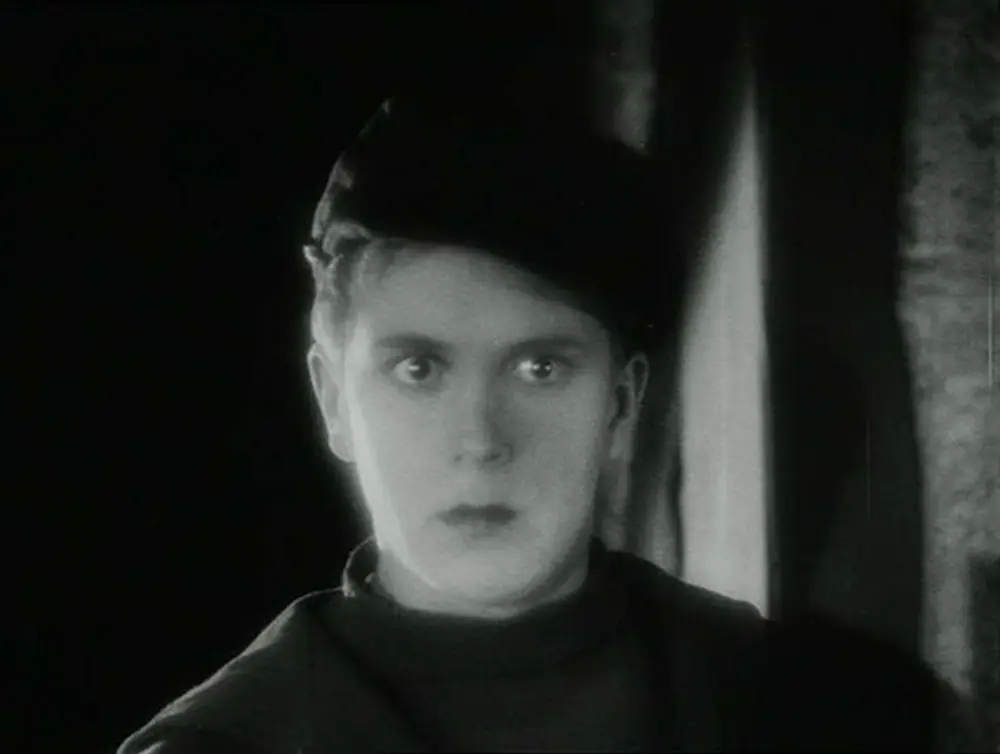
The climax, involving the storm and Lauderin's attempted assault, is where L'Herbier truly unleashes his cinematic prowess. This sequence is a masterclass in silent film suspense, relying heavily on rapid cuts, dynamic camera angles, and the sheer power of natural elements. The rocking of the boat, the thrashing waves, and the desperate struggle are all conveyed with an visceral intensity that still holds up today. It’s a moment of pure spectacle, reminiscent of the dramatic set pieces found in other adventure films of the era like Captain Alvarez or even the more action-oriented sequences of Fearless Flanagan, though L'Herbier imbues his with a more psychological terror.
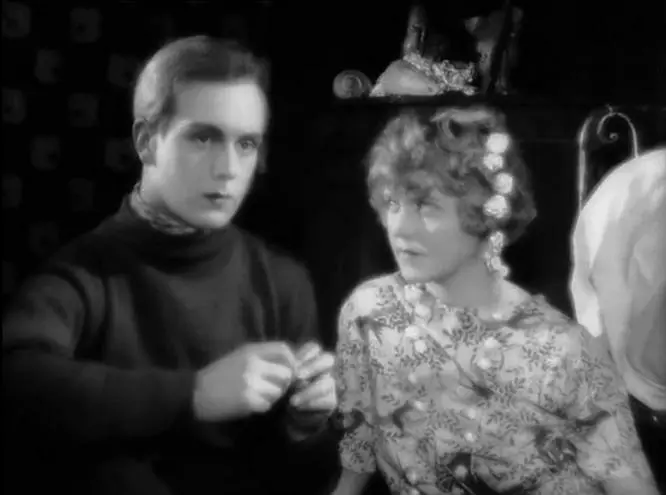
The cast, led by Auguste Picaude as Delphin and Marie Glory as Ludivine, carries the film's emotional weight with commendable conviction. Silent film acting is a unique art form, demanding exaggerated expressions and gestures to convey internal states without dialogue. Glory, in particular, navigates Ludivine's complex journey from thoughtless youth to remorseful guardian and ultimately, a woman fighting for her love, with remarkable range. Her eyes, often wide with fear or glistening with tears, become a conduit for her character's inner life.
Roger Karl, as the villainous Lauderin, embodies pure menace. He is not a nuanced antagonist but a force of nature, a representation of the societal corruption and brute force that threatens the purity of Ludivine and Delphin's love. His sneering portrayal makes the attempted assault all the more chilling, despite the limitations of the medium. The contrast between his crude physicality and the more refined, if tormented, performances of the leads is stark and effective.
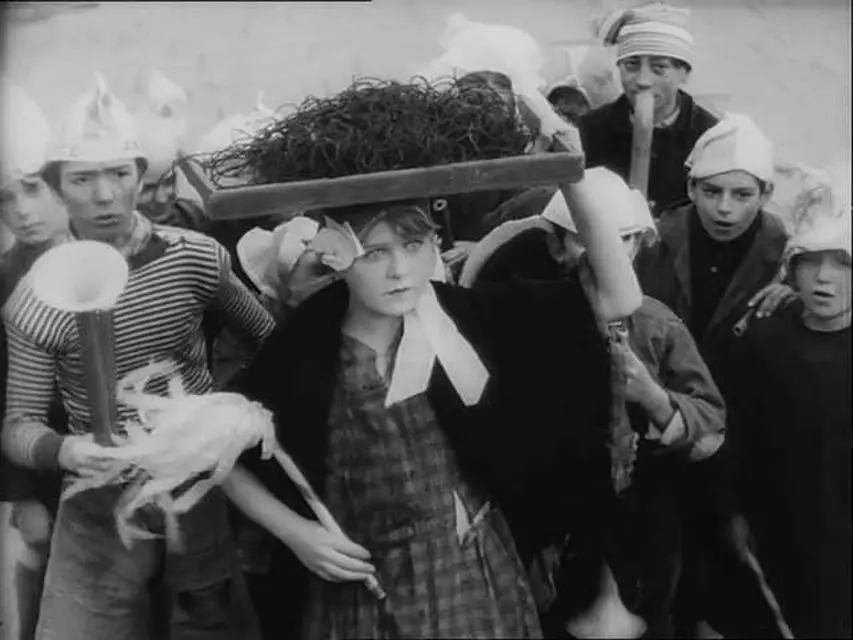
The supporting cast, including Catherine Fonteney as Ludivine’s mother and Leo Da Costa as the younger Delphin, adds texture to the narrative, grounding the more fantastical elements in a semblance of familial reality. Even the brief appearance of Betty Balfour in an uncredited role, however minor, speaks to the tapestry of talent L'Herbier assembled.
The pacing of 'The Devil in the Heart' is characteristic of its era, often deliberate in its build-up, punctuated by bursts of intense action. Modern viewers accustomed to faster cuts and constant narrative progression might find some sequences slow. However, this measured pace allows for a deeper immersion into the film's visual atmosphere and the internal struggles of its characters. It’s a rhythm that invites contemplation rather than passive consumption.
The tone oscillates between poignant drama and high melodrama. While the initial premise is rooted in a dark, almost supernatural, karmic consequence, the film quickly settles into a more human-centric conflict. The underlying tension, however, always remains the lingering shadow of Ludivine’s original sin. This moral weight gives the film a unique flavor, distinguishing it from simpler romances like Rose of the World or comedies like Up in Betty's Bedroom. It’s a film that asks profound questions about responsibility and forgiveness, even if its answers are delivered with a theatrical flourish.
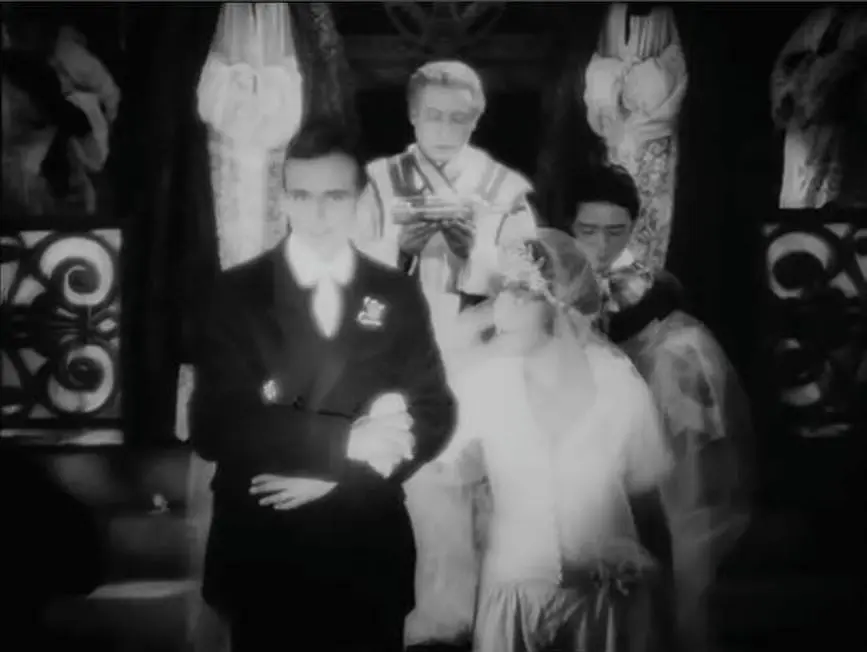
One unconventional observation is how the film, despite its focus on Ludivine's personal guilt, inadvertently critiques the patriarchal structures of its time. Father Bucaille’s insistence on Ludivine marrying Lauderin, driven by greed and a disregard for his daughter’s happiness, is a more insidious 'devil' than Ludivine's impulsive wish. It highlights how societal pressures and the desires of men can trap women, forcing them into untenable situations. The true 'devil' might not be in the heart of the individual, but in the oppressive systems that deny agency.
The ending, while offering a resolution for the lovers, is not entirely saccharine. Their union is forged in the crucible of trauma and violence, suggesting that their happiness will always be tempered by the shadows of their past. It works. But it’s flawed. This ambiguity, however unintentional, lends the film a surprising depth.
Marcel L'Herbier's 'The Devil in the Heart' is a cinematic experience that demands patience but richly rewards the dedicated viewer. It is not a flawless film; its narrative can be unwieldy, and its melodrama occasionally verges on the absurd. Yet, these are minor quibbles when weighed against its profound visual artistry and emotional power.
This film stands as a testament to the ambition and innovation of early French cinema. It's a bold, expressive work that uses the nascent language of film to explore complex themes of guilt, fate, and the enduring power of love. While it might not resonate with every contemporary viewer, those who appreciate the historical context and the unique beauty of silent film will find 'The Devil in the Heart' to be a compelling and thought-provoking journey. It's a film that leaves an imprint, long after the credits roll, proving that even a century later, its heart still beats with a defiant, turbulent energy.

IMDb 7.5
1936
Community
Log in to comment.