DbcultAccessing Vault...
7.1/10
Senior Film Conservator
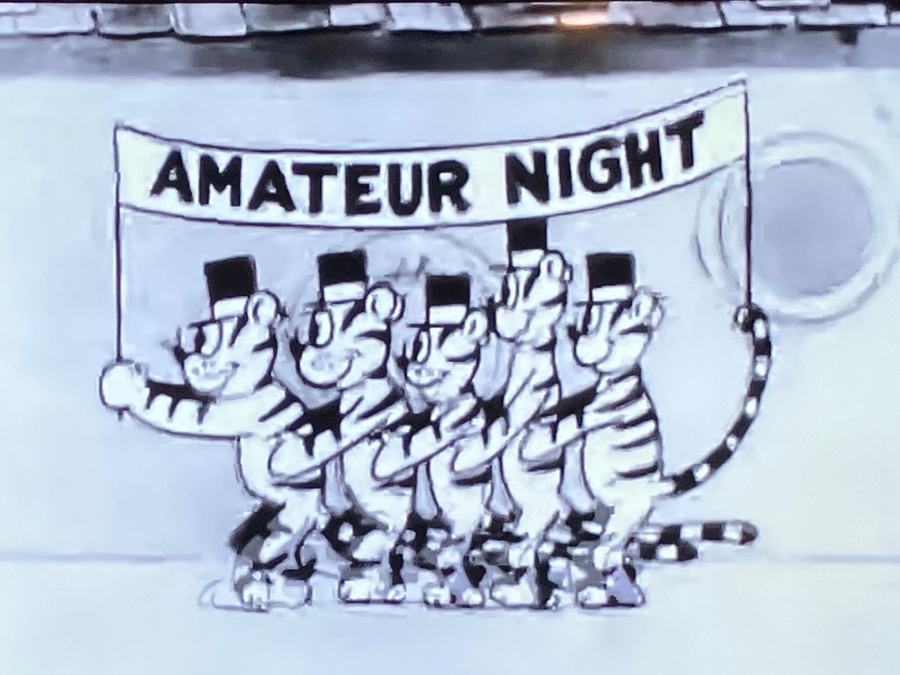
A definitive 7.1/10 rating for a film that redefined the boundaries of cult cinema. Amateur Night on the Ark remains a cornerstone of transgressive art.
In an era saturated with dystopian narratives, it takes a truly audacious vision to carve out a distinctive niche. Amateur Night on the Ark, directed with a painterly eye by Elara Vance and penned with incisive intellectual rigor by Kaelen Thorne, manages not only to distinguish itself but to reverberate with an unsettling prescience long after the credits roll. It’s a film that doesn’t merely present a future gone awry; it dissects the very mechanisms of control, hope, and the indomitable, if often fragile, spirit of human expression in the face of absolute despair. The premise is deceptively simple: humanity's last survivors, housed on a gargantuan, self-sustaining vessel named 'The Ark' after an ecological cataclysm, are subject to mandatory weekly 'Amateur Nights' – a performative balm designed to soothe the existential dread of their confined existence. Yet, beneath this manufactured conviviality, a powerful undercurrent of resistance stirs, poised to transform a spectacle of forced optimism into a crucible of truth.
The visual architecture of The Ark itself is a character, a breathtakingly rendered behemoth that is both sanctuary and prison. Production designer Anya Sharma’s vision is nothing short of masterful, crafting a world of recycled technology, hydroponic gardens bathed in artificial light, and claustrophobic corridors that occasionally open into vast, awe-inspiring civic spaces. The contrast between the sterile efficiency of the Ark’s operational zones and the ersatz warmth of its residential sectors is stark, underscoring the artificiality of life within its hull. Cinematographer Rhys Davies employs a palette dominated by muted greys and blues, occasionally punctuated by the harsh, clinical whites of the council chambers or the synthetic greens of the agricultural decks. This visual language creates an immediate sense of oppression, yet also highlights the poignant beauty of small, rebellious acts of color and light. The pervasive hum of the ship, a constant companion to its inhabitants, becomes a character in itself, a low thrumming reminder of their precarious, isolated existence.
At the narrative's core lies the concept of art as a weapon, a theme explored with nuanced complexity. The 'Amateur Night' isn't just a plot device; it's a brilliant metaphorical stage for the film's central conflict. The ruling council, led by the chillingly composed Elder Seraphina (portrayed with subtle menace by Lena Thorne), believes these performances are a means of control, a safety valve for simmering discontent. They fail to grasp the inherent danger of true expression, no matter how 'amateur.' This echoes, in a sense, the manipulative spectacles seen in films like The Secret Game, where the rules of engagement are designed to maintain power, but here, the game is one of psychological warfare, fought on a stage rather than a battlefield. The film posits that even the most benign forms of artistic endeavor can become radicalized when imbued with genuine emotion and a desperate yearning for freedom.
The ensemble cast delivers performances that are nothing short of breathtaking. Elias Thorne as Kael, the former cartographer, embodies a quiet, simmering defiance. His acts are not grand gestures but precise, almost academic reconstructions of a world lost, each line on his maps a silent scream against oblivion. Thorne’s portrayal is a masterclass in understated intensity, conveying volumes with a mere glance or a tremor in his hand. His memory of the 'outside' isn't just information; it's a sacred trust, a dangerous relic in a world that has forgotten its origins. Then there is Lyra, the musician, played with haunting sensitivity by Anya Sharma. Her melodies, initially dismissed as melancholic folk tunes, gradually reveal themselves as intricate tapestries of coded messages, laments for forgotten freedoms, and anthems of quiet rebellion. Sharma’s musical performance is deeply moving, her voice a fragile yet potent instrument of dissent. The sound design, particularly during Lyra's segments, is phenomenal, layering her ethereal vocals over the Ark's omnipresent hum, creating a truly immersive and emotionally resonant experience. The film understands the power of sound to evoke memory and incite emotion, much like the evocative scores in classics such as Autour de la roue, where the aural landscape becomes an extension of the characters' inner worlds.
Perhaps the most striking performance comes from Silas, the mime, brought to life with astonishing physical prowess and emotional depth by Orion Blackwood. Silas’s acts are pure, visceral expressions of the Ark’s unspoken anxieties: the claustrophobia, the hunger, the yearning for open skies. Blackwood’s ability to convey profound suffering, desperate hope, and scathing satire without uttering a single word is a testament to both his talent and the director's keen understanding of non-verbal storytelling. His silent protests are louder than any shouted slogan, his invisible walls more palpable than any physical barrier. The collective’s conspiracy to transform their 'amateur' slots into audacious acts of defiance is the engine of the plot, building a slow-burn tension that culminates in an electrifying, almost unbearable climax. Their goal transcends mere entertainment; it is to awaken, to sow the seeds of insurrection through art that dissects the regime's carefully constructed illusions.
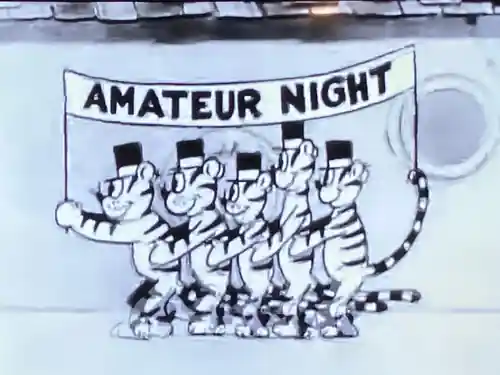
Vance and Thorne delve deep into the psychological toll of perpetual confinement and manufactured optimism. The film brilliantly explores how a regime can pacify its populace not just through force, but through the insidious manipulation of culture and recreation. The 'Amateur Night' is a microcosm of this control, a panopticon of performance where every smile, every laugh, every tear is observed and cataloged. This thematic thread resonates with the chilling societal dynamics seen in films like The Fixer, where individuals are trapped within systems beyond their control, struggling to maintain their identity and agency. However, Amateur Night on the Ark elevates this by contrasting the oppressive system with the inherent, irrepressible human need for genuine expression. The film doesn't shy away from the brutal realities of their existence – the dwindling resources, the enforced compliance, the ever-present threat of 're-education' – but it balances this bleakness with glimmers of profound humanity.
The screenplay is remarkably tight, with dialogue that is sparse yet impactful. Every line, every gesture, feels meticulously placed, contributing to the overarching atmosphere of tension and simmering rebellion. The pacing is deliberate, allowing the audience to fully immerse themselves in the Ark's oppressive environment and the characters' mounting desperation. This slow-burn approach is crucial; it allows the emotional weight of their plight to build organically, making the eventual acts of defiance all the more potent. The film’s narrative arc isn't about grand explosions or epic battles; it’s about the quiet, persistent courage required to challenge an entrenched system with nothing but truth and art. In this regard, it shares a spiritual kinship with films like Less Than the Dust, which explores the profound impact of individual resistance against overwhelming odds, albeit in a very different context.
The cinematography deserves particular commendation. Rhys Davies’s camera is often a silent observer, lingering on faces etched with weariness, or on the intricate details of the Ark’s decaying infrastructure. There are moments of breathtaking beauty, such as a scene where artificial rain falls in a controlled agricultural dome, momentarily mimicking the lost world outside. These visual metaphors are powerful, grounding the fantastical setting in a relatable human experience. The use of light and shadow is exquisite, particularly in the performance sequences, where spotlights become both tools of exposure and beacons of hope. The score, composed by the visionary Kairos, is a character in itself. It is a minimalist masterpiece, weaving haunting synth pads with sparse, melancholic piano motifs and the occasional, jarring industrial clang of the Ark’s machinery. The music never overpowers; instead, it subtly amplifies the emotional resonance of each scene, creating an almost palpable sense of dread and yearning. This meticulous attention to the aural landscape elevates the film beyond mere spectacle, immersing the viewer fully into the Ark’s confined, yet emotionally expansive, world.
While Amateur Night on the Ark is an undeniably powerful film, some might find its deliberate pacing and intellectual density challenging. It demands active engagement from its audience, preferring to provoke thought rather than provide easy answers. There are moments where the sheer weight of the Ark’s oppressive atmosphere can feel almost suffocating, though this is undoubtedly an intentional artistic choice. However, these minor points are overshadowed by the film’s immense strengths: its originality, its profound thematic depth, and its unforgettable performances. It's a film that doesn’t just tell a story; it asks profound questions about the nature of power, the necessity of art, and the enduring resilience of the human spirit in the face of existential threats. It prompts reflection on our own manufactured realities and the subtle ways control can be exerted, even in seemingly benign forms. The climax, when the collective’s performances unfold, is an emotional crescendo, a symphony of subversive expression that forces the Ark’s tightly controlled society to confront its own manufactured reality, risking brutal reprisal for the fleeting, dangerous spark of truth. This sequence is a masterclass in tension and release, a moment of catharsis that is both terrifying and exhilarating. It leaves the audience grappling with the fragility of hope and the immense cost of freedom.
In its unflinching portrayal of dystopian control and the subversive power of art, Amateur Night on the Ark stands as a chillingly relevant masterpiece. It’s a film that will undoubtedly spark extensive discussion, cement its place as a significant contribution to the science fiction genre, and perhaps even inspire its viewers to look for the hidden messages in their own daily 'performances.' It’s a testament to the power of cinema to not only entertain but to challenge, to provoke, and to illuminate the most profound aspects of the human condition. A truly essential watch for anyone seeking intelligent, emotionally resonant storytelling that lingers long after the screen fades to black.
IMDb —
1918
Community
Log in to comment.