DbcultAccessing Vault...
Cult Review
Senior Film Conservator
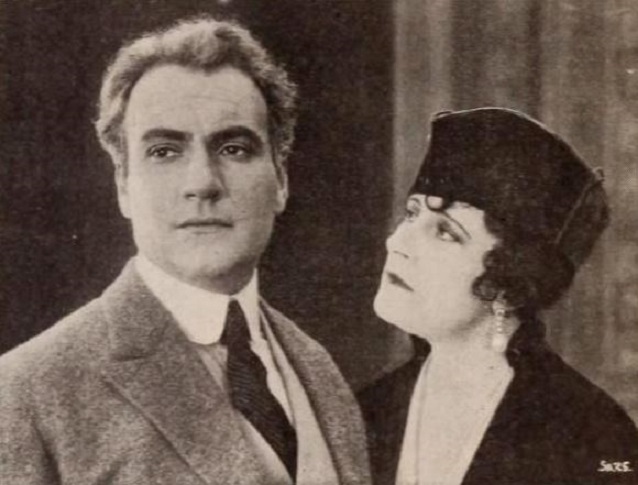
Stepping into the hallowed halls of silent cinema, one occasionally unearths a gem whose narrative complexity and emotional depth transcend the limitations of its era. Alma Speer Benzing's 'The Divine Sacrifice' is precisely such a discovery—a film that, despite its vintage, pulsates with a raw, human drama that feels startlingly contemporary. It's a testament to the power of storytelling, a poignant exploration of choices made, lives intertwined, and the ultimate, often unexpected, price of love and redemption. This isn't merely a historical artifact; it's a vibrant, intricate tapestry of human experience, rendered with an artistry that demands re-evaluation and appreciation.
At its core, 'The Divine Sacrifice' unravels a tale of profound moral ambiguity, where characters are not simply good or evil, but rather products of their desires, their societal constraints, and the often-unforeseen consequences of their actions. The narrative embarks with Dr. David Carewe, portrayed with a compelling blend of weariness and yearning by Harry Frazer. His marriage to Helen, brought to life by the nuanced performance of Selene Johnson, is a sterile landscape, devoid of the vibrant promise of progeny. Helen's steadfast refusal to bear children acts as the initial tremor, a crack in the foundation of their domestic tranquility, setting off a chain reaction of events that will reshape multiple lives irrevocably.
The plot, a masterclass in intricate construction, then introduces a layer of audacious deception. Helen, in a move that speaks volumes about her dissatisfaction and perhaps a desperate craving for a different existence, assumes the identity of gambler Robert Spencer's wife while in Europe. This audacious masquerade is not merely a plot device; it's a psychological exploration of identity, escape, and the lengths to which individuals will go to redefine their circumstances. Simultaneously, David, adrift in the emotional vacuum left by Helen's physical and emotional departure, finds solace and burgeoning affection in the company of Madeline, Spencer's actual wife, played with a captivating grace by Kitty Gordon. This parallel narrative, unfolding across continents and moral boundaries, creates a breathtaking tension. It forces the audience to grapple with the ethics of love born from deception, a theme echoed in other complex silent dramas like The Evil Thereof, which similarly delves into the convoluted consequences of moral compromises.
The narrative then takes a dramatic, almost Shakespearean turn. News arrives of Spencer's and his supposed wife's demise. This tragic, yet convenient, misrepresentation of facts allows David to embrace a new life, a new love, and a new identity. He weds Madeline, and their union, unlike his first, is blessed with the arrival of a daughter, June. For nearly two decades, their lives unfold in idyllic harmony, a testament to the power of love to build anew, even on foundations initially laid by deceit. However, the past, as this film so profoundly illustrates, is rarely truly buried. Helen, the 'deceased' wife, makes a sudden, shocking reappearance, threatening to dismantle the carefully constructed world of David, Madeline, and June. It's a moment of profound crisis, where the delicate balance of happiness hangs precariously. David's unequivocal renunciation of Helen in favor of Madeline is a pivotal moment, asserting the primacy of true affection and the family built upon it, over the legalistic bonds of a past, broken vow. This decision, fraught with societal implications for the era, highlights the film's progressive stance on love and commitment.
Eighteen years later, the ripples of past deceptions once again threaten to become a tidal wave. June, now a young woman, falls deeply in love. Her suitor, however, carries a secret that links him inextricably to the very origins of David and Madeline's unconventional union: he is the son of Robert Spencer and a woman Spencer was married to before Madeline. This revelation, a cruel twist of fate, threatens to brand June as illegitimate, potentially ruining her budding romance and her reputation. It is here that the film elevates itself from a mere melodrama to a profound meditation on sacrifice. Madeline, the epitome of maternal love, makes an extraordinary request of Helen: to pose as June's mother. This act, a breathtaking surrender of personal pride and a profound embrace of self-abnegation, serves to restore June's name and bless her union with the young man. Helen, who began as a figure of selfishness and deception, is given the ultimate opportunity for redemption, transforming her initial flight into an act of true, selfless love. Her 'divine sacrifice' is not in death, but in the relinquishing of her past grievances and her re-entry into a narrative she had abandoned, all for the sake of another's happiness.
The performances in 'The Divine Sacrifice' are, for the most part, masterful in their silent articulation. Harry Frazer, as Dr. Carewe, navigates a complex emotional landscape, conveying disillusionment, burgeoning love, and resolute conviction through subtle shifts in posture and intensely expressive eyes. His journey from a man trapped in an unhappy marriage to one fiercely protective of his chosen family is compelling. Selene Johnson's Helen is initially cold and self-serving, a stark contrast to Kitty Gordon's Madeline, whose portrayal radiates warmth, maternal instinct, and an unwavering moral compass. The film's strength lies in its ability to humanize even its most morally ambiguous characters. Helen's final act of sacrifice is all the more powerful because it comes from a character who, for much of the film, has been defined by her self-interest. This nuanced character development is a hallmark of strong silent-era screenwriting, often requiring actors to convey entire emotional arcs without a single spoken word, relying instead on the language of the body and face, a technique also expertly employed in films like Der Eid des Stephan Huller, where the internal struggle of its protagonist is paramount.
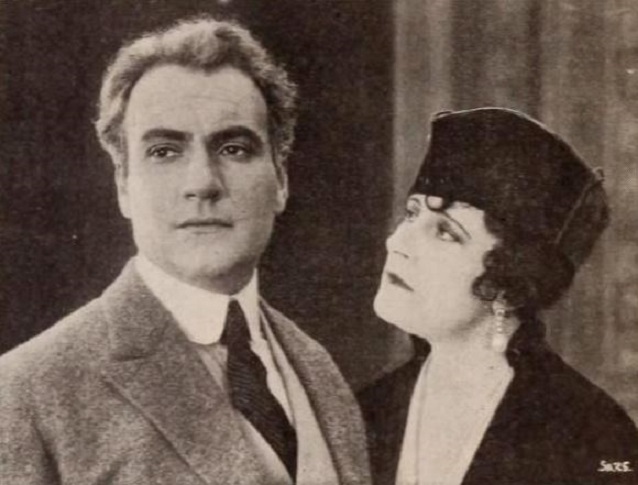
Alma Speer Benzing's screenplay is a marvel of intricate plotting and character development. The layers of deception, mistaken identity, and the long-reaching consequences of past actions are handled with remarkable clarity and emotional resonance. Benzing demonstrates a profound understanding of human psychology, crafting a narrative that continuously challenges audience preconceptions about morality, family, and social norms. For an era often characterized by more straightforward narratives, 'The Divine Sacrifice' dared to explore the messy, complicated realities of human relationships, where love, lies, and loyalty are inextricably intertwined. The film's ability to maintain suspense and emotional investment over nearly two decades of narrative time is a testament to the writer's skill. It's not unlike the long-form serialized storytelling seen in productions such as The Adventures of Kathlyn, though 'The Divine Sacrifice' achieves its complexity within a single, coherent feature narrative.
The cinematic language of the silent era, with its reliance on intertitles, grand gestures, and evocative cinematography, is employed here to maximum effect. The visual storytelling is paramount, with each scene carefully composed to convey emotional states and narrative progression. The use of close-ups, particularly on the faces of Selene Johnson and Kitty Gordon, allows the audience to delve into their characters' internal struggles and triumphs. The film would have been accompanied by live music, an integral element that would have underscored the dramatic shifts, from the despair of David's initial marriage to the tender joy of his union with Madeline, and finally to the poignant solemnity of Helen's ultimate sacrifice. This synergy between visual narrative and musical interpretation is what made silent films such a uniquely immersive experience, demanding a different kind of engagement from its audience than contemporary cinema.
The supporting cast, including Ethel Burner, Frank Goldsmith, Vera Beresford, Mildred Beckwith, Jean Angelo, and Charles Dungan, contributes to the rich tapestry of the film, each playing their part in the elaborate dance of fate and choice. Their presence grounds the central drama, creating a believable world in which such extraordinary events can unfold. While specific details of their performances are often lost to the mists of time, their collective effort undoubtedly helped to elevate the film beyond a simple melodramatic premise into a more profound exploration of human connection and societal expectations. The intricate web of relationships, both familial and romantic, is a central theme, reminding one of the emotional entanglements in films like My Little Boy, which also explores the deep bonds and sacrifices within a family unit.
'The Divine Sacrifice' is more than just a historical curiosity; it is a film that speaks to the enduring power of love, the complexities of moral decision-making, and the unexpected paths to redemption. Helen's journey, from a woman seemingly defined by her selfishness to one capable of an ultimate, profound act of self-sacrifice, is particularly striking. It challenges the audience to look beyond initial impressions and consider the transformative power of circumstance and empathy. The film's title, 'The Divine Sacrifice,' ultimately refers not to a singular act, but to the cumulative choices and renunciations made by various characters for the sake of love and the greater good. It's a testament to the belief that even from the ashes of deceit and heartbreak, something pure and enduring can emerge, a sentiment that resonates with the themes of difficult choices and their profound impact seen in films like The More Excellent Way.
In an age where cinematic narratives are often criticized for their predictability or superficiality, revisiting 'The Divine Sacrifice' serves as a powerful reminder of the depth and nuance achievable even without spoken dialogue. It's a film that asks profound questions about what constitutes a family, the true meaning of legitimacy, and the boundaries of forgiveness. Its exploration of these themes, particularly the idea of a mother's love transcending biological ties and societal judgment, remains remarkably potent. The film doesn't offer easy answers, but rather invites contemplation, making it a timeless piece of art that continues to provoke thought and stir emotion. It stands as a significant work in the silent film canon, deserving of its place among the era's most compelling and thought-provoking dramas. Its intricate plot and moral quandaries could easily be adapted for a modern audience, proving that the human heart's complexities are eternal, regardless of the cinematic language used to portray them.
Ultimately, 'The Divine Sacrifice' is a film about the delicate balance between personal desires and the welfare of loved ones. It showcases how initial deceptions, while perhaps born of desperation or selfishness, can ultimately lead to unforeseen acts of profound generosity and selflessness. The cyclical nature of its plot, where past actions return to challenge the present, underscores the idea that our histories, no matter how buried, always leave their imprint. Yet, it also champions the idea of agency and the capacity for change, for characters to rise above their initial flaws and embrace a higher calling. It’s a compelling argument for the enduring power of human connection and the lengths to which individuals will go to protect the happiness of those they cherish. This film is not just a glimpse into cinematic history; it's a mirror reflecting timeless human struggles and triumphs, making it an essential viewing for anyone interested in the evolution of dramatic storytelling and the boundless capacity of the human spirit for both folly and profound grace.
IMDb 4.8
1927
Community
Log in to comment.