DbcultAccessing Vault...
Cult Review
Senior Film Conservator
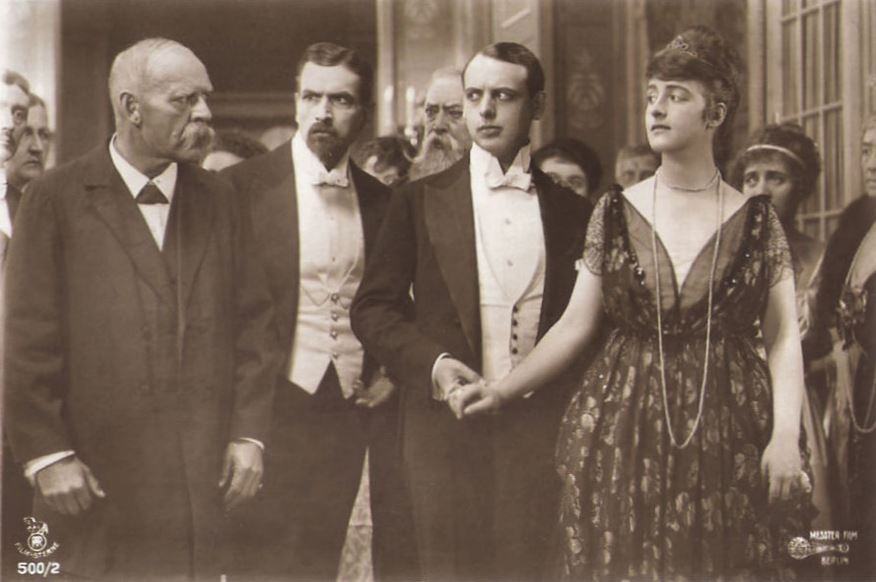
Robert Wiene's Gelöste Ketten, a cinematic artifact from a bygone era, emerges not merely as a historical curiosity but as a potent exploration of individual liberation against the backdrop of societal rigidity. Even without the benefit of spoken dialogue, the film constructs a narrative of profound emotional resonance, delving into the intricate psychological landscape of its protagonist, Helene, portrayed with astonishing depth by the incomparable Henny Porten. Wiene, a master of expressionistic nuance, crafts a visual language that transcends the limitations of the medium, inviting audiences to inhabit the suffocating world Helene endures and celebrate her eventual, hard-won emancipation. It is a testament to the enduring power of silent cinema that a film like this can still provoke such visceral reactions, reminding us that the human spirit's yearning for freedom is timeless.
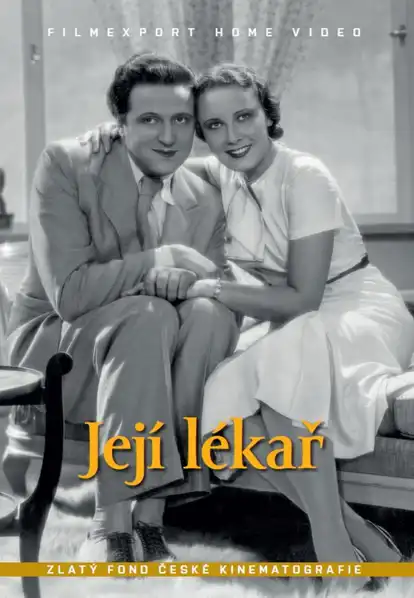
Helene’s initial portrayal is one of quiet despair, a woman whose inner world is vibrant but perpetually suppressed. Married to Herr von Berg, played with chilling authoritarianism by Hans Junkermann, her existence is a meticulously curated tableau of bourgeois respectability, yet utterly devoid of genuine connection or personal fulfillment. Wiene’s direction here is subtle but effective; close-ups of Porten’s face reveal a universe of unspoken longing, her eyes often fixed on distant, unseen horizons. The opulent interiors of their home, rather than signifying comfort, become visual metaphors for her entrapment – gilded cages, velvet chains. This portrayal of domestic confinement shares thematic echoes with films like The Narrow Path, which similarly explores the stifling effects of societal expectations on individual lives, though Wiene’s approach here leans more into the psychological rather than purely social critique. The very architecture of Helene’s life, built on convention and expectation, serves as the primary antagonist, a silent, pervasive force that chokes her artistic aspirations and emotional vitality.
Junkermann’s performance as Herr von Berg is crucial to establishing this oppressive atmosphere. He doesn't need to shout or rage; his control is manifest in his posture, his dismissive gestures, the cold calculation in his gaze. He embodies the societal norms that dictate Helene’s role, a man who sees his wife as an extension of his status rather than an autonomous individual. The visual contrast between Helene's delicate artistic tools – her paintbrushes, her easel – and the heavy, ornate furniture of her home is a recurring motif, highlighting the inherent conflict between her inner life and outer reality. Wiene uses these contrasts to great effect, allowing the audience to feel the weight of Helene's daily struggle, her desperate attempts to find solace in her art, often in secret, like a forbidden vice. It’s a powerful depiction of a soul slowly suffocating under the weight of an unfulfilling existence, a theme that resonates deeply even today.
The catalyst for Helene’s awakening arrives in the form of Ernst, a painter whose bohemian spirit and intellectual fervor stand in stark contrast to von Berg’s rigidity. Johannes Riemann imbues Ernst with a youthful idealism and sensitivity that immediately draws Helene’s repressed spirit. Their initial interactions are marked by an almost electric tension, a silent recognition of kindred spirits across a chasm of social convention. Wiene masterfully uses visual cues – the way Ernst looks at Helene, not as a wife or a social ornament, but as an artist, a woman with a soul – to convey the profound impact he has on her. He sees her, truly sees her, for the first time in her life, a sensation both exhilarating and terrifying. This burgeoning connection is handled with a delicate touch, avoiding melodrama in favor of a more nuanced exploration of emotional awakening.
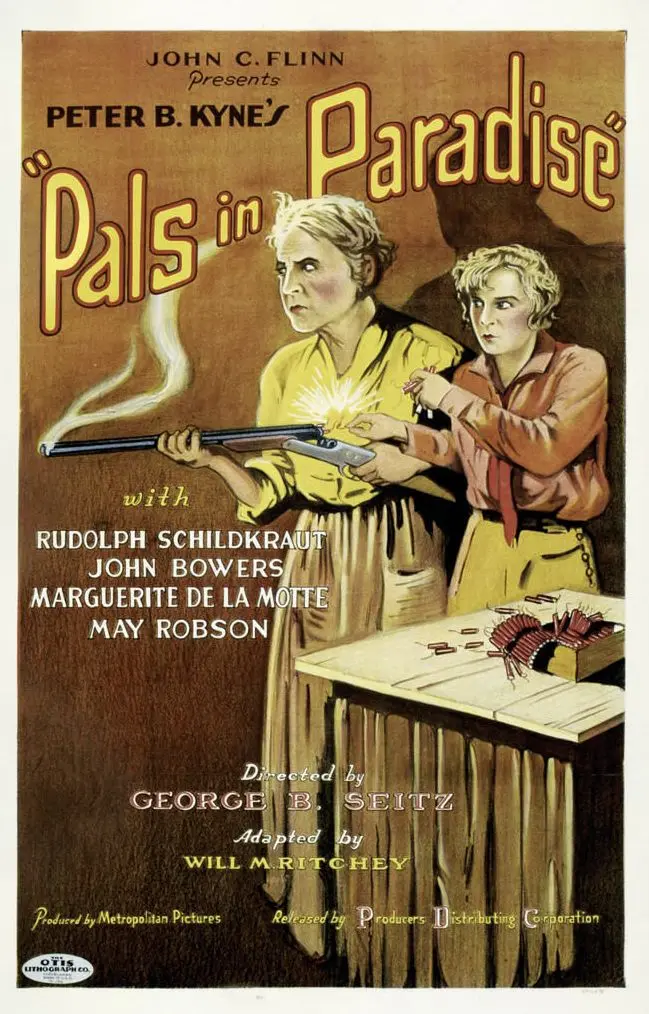
The scenes where Ernst encourages Helene’s artistic endeavors are particularly poignant. They are not merely painting sessions but acts of co-creation, moments where Helene begins to reclaim her identity. The subtle shifts in Porten’s performance – a lightness in her step, a more direct gaze, a burgeoning smile – speak volumes about the internal transformation taking place. This aspect of the narrative, the discovery of a hidden talent as a path to self-liberation, aligns somewhat with the journey of self-discovery in films like The Soul of Kura San, though Gelöste Ketten imbues it with a distinct Germanic psychological realism. Ernst represents not just romantic love, but intellectual freedom, a gateway to a world where Helene’s passions are not just tolerated but celebrated. Their bond becomes a silent rebellion, a defiance against the expectations that have always defined her.
As Helene and Ernst’s connection deepens, the whispers of society begin to grow louder, personified by the judgmental stares and gossip of figures like Frau Professor (Olga Engl) and other socialites. Wiene’s genius lies in depicting this societal pressure not through direct confrontation, but through the pervasive atmosphere of disapproval. The camera often lingers on the faces of onlookers, their expressions ranging from shock to malicious satisfaction, creating a palpable sense of ostracization. This social ostracism is a powerful element, demonstrating how even in the absence of legal constraint, the chains of reputation can bind just as tightly. The fear of scandal, of losing one's standing, is a formidable force, and Helene's struggle against it is central to the film's dramatic tension. Rudolf Biebrach and Frida Richard, though in supporting roles, contribute significantly to this tapestry of societal judgment, their reactions serving as a Greek chorus to Helene's unfolding tragedy.
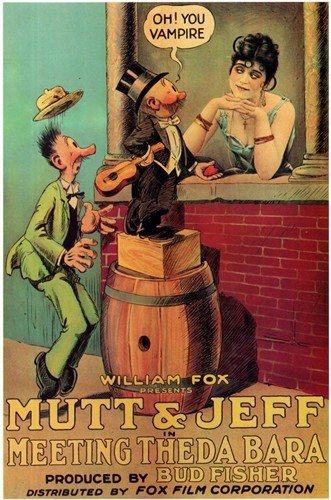
The climax of this societal pressure manifests in a public confrontation, a scene orchestrated by Wiene with breathtaking dramatic flair. The visual composition often places Helene isolated within a frame, surrounded by accusatory figures, emphasizing her vulnerability. Porten's performance during these moments is a masterclass in silent agony – her face a canvas of conflicting emotions: shame, defiance, fear, and a dawning resolve. The film avoids easy answers, showing the brutal cost of challenging convention. The parallels here to the social dilemmas presented in Should a Woman Tell? are striking, both films grappling with the impossible choices women faced when their personal desires clashed with rigid moral codes. Wiene, however, imbues Gelöste Ketten with a more pronounced sense of impending liberation, even amidst the despair. The chains are tightening, yes, but the metal is also beginning to creak and strain under the pressure.
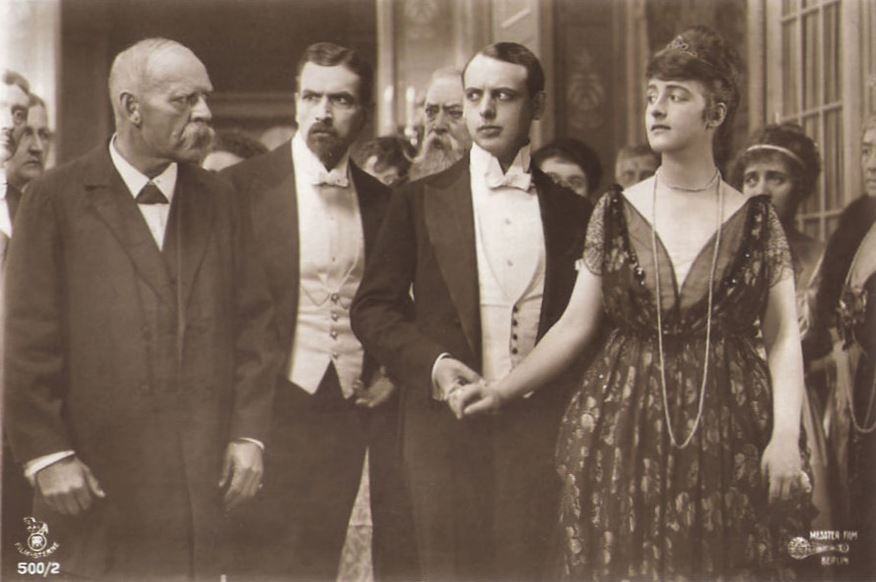
The ultimate act of 'loosening the chains' for Helene is not a sudden, triumphant escape, but a deliberate, painful severance. Wiene portrays this as a process of emotional excavation, where Helene must shed layers of expectation and ingrained subservience. The decision to leave her marriage, to embrace an uncertain future with Ernst, or perhaps even alone, is depicted as an act of profound courage. It is not merely a choice between two men, but a choice between two lives: one of comfortable, stifling repression, and another of precarious, authentic freedom. The film doesn't romanticize this choice; it underscores the immense personal cost, the sacrifices involved in forging one's own path. The visual motif of doors and windows, previously symbols of enclosure, now begin to suggest possibility, albeit through a haze of melancholy. This journey of self-actualization, while fraught with peril, echoes the defiant spirit found in films like The Sting of Victory, where personal triumph often comes at great emotional expense.
The final sequences of Gelöste Ketten are imbued with a poignant ambiguity. Helene, having made her choice, faces an unknown future. Wiene avoids a simplistic happy ending, instead offering a more realistic, and perhaps more powerful, portrayal of liberation. The chains are loosened, but the scars remain. Her newfound freedom is not an absence of struggle, but the freedom to struggle on her own terms, to live a life dictated by her own inner compass. Porten’s final expressions convey a complex mixture of sorrow for what was lost and a quiet, resolute strength for what lies ahead. This nuanced conclusion elevates the film beyond a simple melodrama, cementing its status as a sophisticated psychological drama. It’s a powerful statement on the human cost of both conformity and rebellion, a message delivered with an artistry that transcends time and the limitations of its silent medium.
Robert Wiene's directorial hand is evident throughout Gelöste Ketten, even if it doesn't always showcase the overt expressionistic distortions of his more famous works like The Cabinet of Dr. Caligari. Here, his expressionism is more psychological, more subtle, manifesting in the exaggerated gestures of the actors, the stark contrasts in lighting, and the symbolic use of mise-en-scène. The way he frames characters, often isolating Helene against vast, empty backgrounds or trapping her within claustrophobic interiors, speaks volumes about her internal state. The use of shadow and light, a hallmark of German Expressionism, is employed to underscore emotional turmoil and moral ambiguity. A scene where Helene contemplates her choices, bathed in a single shaft of moonlight, is particularly memorable, conveying her profound loneliness and introspection. This thoughtful application of visual storytelling ensures that every frame contributes to the emotional and thematic depth of the narrative.
The pacing, a critical element in silent film, is meticulously controlled. Wiene allows moments of quiet contemplation to breathe, building tension through sustained gazes and deliberate movements, rather than rapid cuts. This allows the audience to fully absorb the emotional weight of each scene, to truly empathize with Helene's predicament. The film's aesthetic, while rooted in its era, feels remarkably modern in its psychological penetration. It avoids the theatricality that sometimes plagues silent dramas, opting instead for a more internalized, character-driven approach. The visual storytelling techniques employed here demonstrate Wiene’s versatility as a director, proving his mastery extended beyond the purely fantastical or horror genres. His ability to elicit such complex emotions through purely visual means is a testament to his profound understanding of cinematic language.
Beyond Porten's stellar lead performance, the supporting cast contributes significantly to the film's rich texture. Hans Junkermann's portrayal of von Berg is chilling in its understated cruelty; his character's control is less about overt villainy and more about an ingrained societal authority that is far more insidious. Johannes Riemann as Ernst provides the necessary counterpoint, embodying hope and artistic freedom without resorting to saccharine sentimentality. His expressive eyes and gentle demeanor offer a stark contrast to the oppressive world Helene inhabits, making his presence a beacon for her. Olga Engl and Adolf Klein, in their roles as figures of social judgment, perfectly capture the suffocating weight of public opinion, their subtle gestures and facial expressions conveying volumes of disapproval.
The interplay between these actors, communicating solely through gesture, expression, and physical presence, is a testament to the unique demands and artistry of silent cinema. Each actor understands their role within Wiene's carefully constructed world, contributing to the overall atmosphere of tension and eventual release. Their performances are not merely pantomime but deeply felt characterizations that resonate with authenticity. This collaborative effort transforms what could have been a simple narrative into a nuanced exploration of human relationships and societal pressures. The ensemble’s collective performance elevates the film, making the emotional stakes feel profoundly real and the journey of Helene all the more compelling. Their silent symphony is a powerful reminder of the expressive capabilities inherent in early cinematic forms, a form that often relied on the subtle artistry of its performers to convey the deepest human truths. It's a testament to the era's acting prowess, where every flicker of an eye or tremor of a hand carried immense narrative weight, much like the intense character studies seen in The Cub or the dramatic confrontations in Playing with Fire.
Gelöste Ketten, while perhaps overshadowed by Wiene's more overtly expressionistic works in modern memory, stands as a powerful testament to the director's versatility and his profound understanding of the human condition. It is a film that speaks to the timeless struggle for individual autonomy, a theme that continues to resonate across generations and cultures. The 'loosened chains' are not just those of a stifling marriage or societal expectation, but also the internal shackles of fear and self-doubt. Helene's journey is a universal one, an allegorical quest for self-realization that transcends its specific historical context.
The film's enduring power lies in its ability to evoke deep empathy for its protagonist and to celebrate the courage required to break free from convention. It reminds us that true freedom often comes at a steep price, demanding sacrifice and resilience, but that the pursuit of an authentic life is ultimately worth the cost. For enthusiasts of classic cinema, and indeed anyone interested in the psychological dramas of the early 20th century, Gelöste Ketten offers a rich and rewarding viewing experience. It is a film that, despite its age, continues to illuminate the complexities of the human spirit and the eternal yearning for liberation. Its artistic merit and thematic depth solidify its place as an important, albeit perhaps lesser-known, gem in the vast tapestry of silent German cinema, standing proudly alongside works that dared to challenge societal norms, much like the introspective narrative found in The Discard or the dramatic turning points in The Last Chapter. The subtle yet powerful narrative Wiene constructed here continues to be a poignant reminder that the quest for selfhood is a journey, not a destination, and that the loosening of chains is often a continuous, evolving process.
IMDb —
1923
Community
Log in to comment.