DbcultAccessing Vault...
6.6/10
Senior Film Conservator
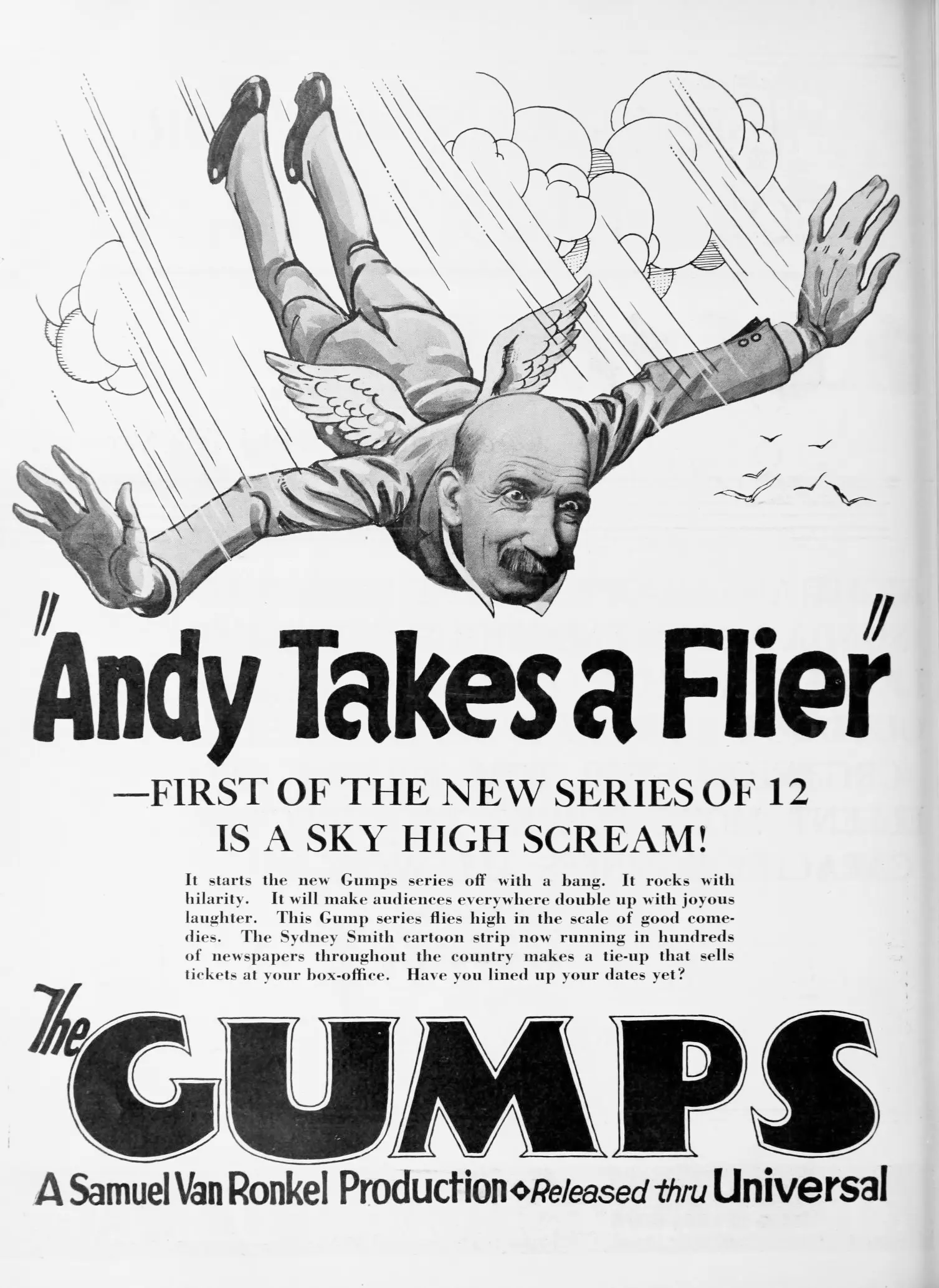
A definitive 6.6/10 rating for a film that redefined the boundaries of cult cinema. Andy Takes a Flier remains a cornerstone of transgressive art.
Is 'Andy Takes a Flier' worth watching today? Short answer: yes, but with significant caveats that speak to its age and the era it represents. This film is an essential viewing experience for cinephiles, historians, and those with a keen interest in the foundational years of cinema and the ambitious spirit of the early 20th century.
However, it is decidedly not for audiences seeking modern pacing, sophisticated narratives, or high-fidelity visuals. If your cinematic palate leans exclusively towards contemporary blockbusters or intricate indie dramas, 'Andy Takes a Flier' will likely test your patience more than it rewards your curiosity.
Released in an era when cinema itself was taking its own 'flier' into the public consciousness, "Andy Takes a Flier" stands as a fascinating artifact. It's a testament to the pioneering spirit not just within its narrative, but in its very construction. The film, directed by Sidney Smith and written by Smith and Mel Brown, captures a specific moment in time when the world was captivated by new technologies, particularly aviation.
The story, centered on Joe Murphy's earnest portrayal of Andy, a determined inventor, resonates with a simple, almost childlike optimism. This isn't a complex character study; it's a fable. Andy's dream to build a flying machine and win the hand of Fay Tincher's Eleanor Vance feels plucked directly from the popular serials and dime novels of the period. This straightforwardness, while charming, can also be its greatest limitation for modern viewers.
This film works because it is an earnest, almost naive celebration of human ingenuity and romantic idealism, perfectly capturing the optimistic spirit of its time. It fails because its narrative simplicity and rudimentary technical execution, while historically significant, struggle to maintain a modern audience's engagement. You should watch it if you appreciate cinematic history, silent film acting, or stories about the dawn of aviation, but be prepared for a slower, more deliberate viewing experience.
The performances in "Andy Takes a Flier" are, by necessity, broad and often theatrical, typical of the silent film era. Actors relied heavily on exaggerated facial expressions and body language to convey emotion without the aid of dialogue. Joe Murphy, as the titular Andy, embodies the determined, slightly naive inventor with a commendable earnestness. His wide-eyed optimism during the workshop scenes, particularly when he's meticulously tinkering with his contraption, is genuinely endearing. You feel his passion, even if the acting style feels alien compared to today's nuanced approaches.
Fay Tincher, playing Eleanor Vance, delivers a performance that, while constrained by the conventions of the 'damsel in distress' archetype, still manages to convey a subtle inner strength. Her moments of quiet support for Andy, such as the scene where she furtively brings him supplies, suggest a character with more agency than the script overtly grants her. It’s a performance that hints at the evolving role of women in cinema, even if only subtly.
Jack Morgan, as the disapproving industrialist Mr. Vance, is the quintessential stern patriarch. His scowls and dismissive gestures are clear, if a little one-dimensional. He serves his purpose as the primary antagonist to Andy's dreams, a human obstacle to be overcome. Slim Summerville, often a comedic relief in his roles, here provides moments of levity. His physical comedy during a particularly disastrous early test flight, involving a rickety contraption and a comical tumble, offers a much-needed break from the earnest melodrama, reminiscent of his work in other early comedies like Paddy O'Hara.
While these performances might seem over-the-top by today's standards, they are authentic to their time. They demand a different kind of engagement from the viewer – an appreciation for the art of pantomime and the direct conveyance of emotion through physical presence. To critique them through a modern lens would be to miss the point entirely.
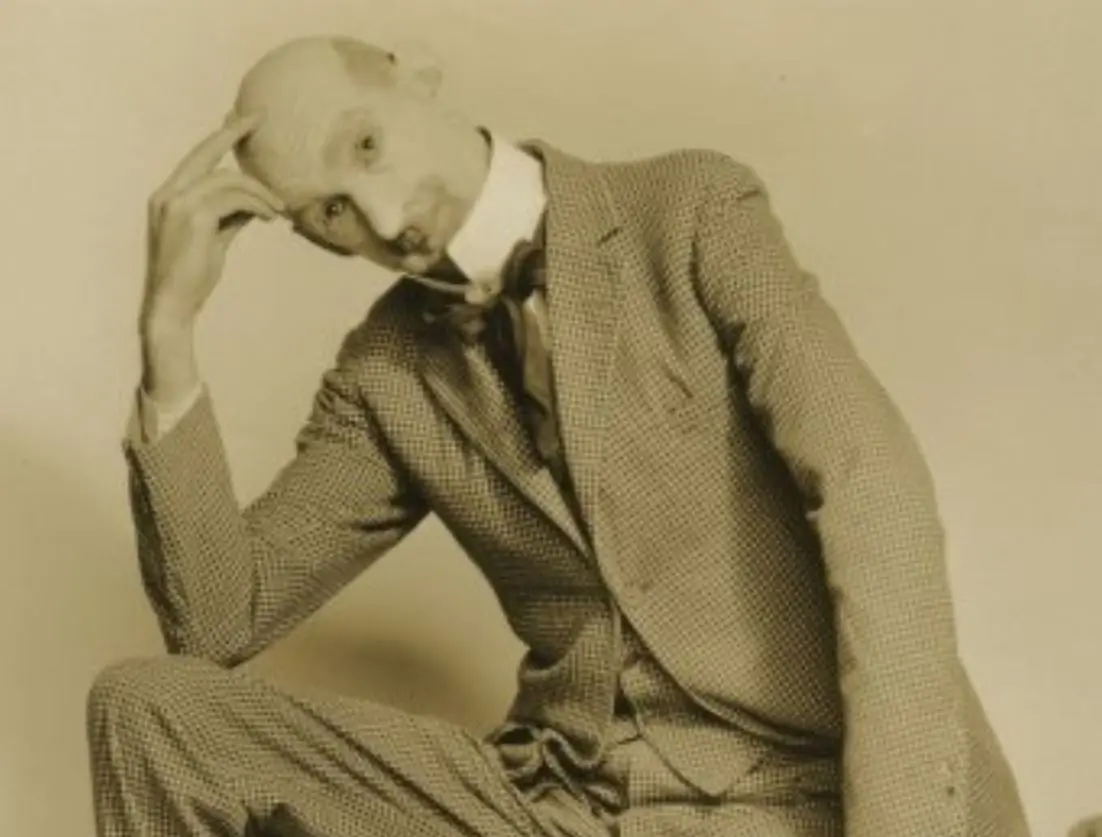
Sidney Smith’s direction, while not revolutionary in the vein of a D.W. Griffith or a Georges Méliès (whose fantastical voyages like in A Trip to the Moon pushed boundaries in different ways), is competent and effective for its time. Smith understands the power of the close-up to emphasize Andy's unwavering determination, particularly in moments of doubt or triumph. The framing of the workshop scenes, often showing Andy dwarfed by his ambitious creation, visually reinforces the scale of his endeavor.
The pacing is deliberate, building slowly towards the climactic flight. This isn't a film that rushes. It allows the audience to absorb the visual storytelling, to understand the emotional beats through the actors' expressions and intertitles. While some might find this slow burn tedious, it's a hallmark of silent cinema, demanding patience and rewarding close attention to visual cues.
The cinematography, though basic by modern standards, offers glimpses of innovative spirit. The attempts at aerial shots during Andy's final 'flier' are particularly notable. While rudimentary, likely involving miniatures or clever camera tricks, they convey the thrill and danger of early aviation. The stark contrast between Andy's humble, cluttered workshop and the opulent, yet perhaps stifling, interiors of the Vance estate is effectively captured through lighting and set design, highlighting the class divide central to the film's romantic conflict.
There's a surprising use of shadow and light in a sequence where Andy toils late into the night, the flickering gas lamps casting dramatic silhouettes on his face and the skeletal frame of his aircraft. This moment, while brief, adds a touch of visual poetry to an otherwise straightforward narrative, elevating it beyond mere documentation of events.
"Andy Takes a Flier" taps into several potent themes that remain relevant, even a century later. At its core, it's a story about the pursuit of a dream against all odds. Andy's relentless dedication to his flying machine symbolizes the human drive for innovation and the courage to challenge established norms. This theme of individual ingenuity versus societal skepticism is timeless. It echoes through countless narratives, from the earliest myths to modern biopics.
The film also subtly touches upon class distinctions prevalent in the early 20th century. Andy, the working-class inventor, must prove his worth to the wealthy industrialist Mr. Vance, whose approval is tied to both Eleanor's hand and financial backing. This romantic conflict, intertwined with economic struggle, is a classic trope, but it’s handled here with a charming sincerity that avoids cynicism. It’s a simple narrative, but effective.
Perhaps the most compelling theme, especially for contemporary viewers, is the palpable excitement surrounding technological progress. The early 1900s were a period of rapid invention, and aviation was at the forefront of human imagination. "Andy Takes a Flier" channels this collective wonder, inviting its audience to share in the thrill of potential flight. It’s a window into a world where the impossible was rapidly becoming possible.
Absolutely, for the right audience. If you approach "Andy Takes a Flier" not as a modern entertainment product but as a historical document and an early example of cinematic storytelling, its value becomes clear. It offers a unique perspective on the silent film era, showcasing the acting styles, narrative conventions, and technical limitations of the time. It’s a piece of film history that deserves to be seen and appreciated.
However, it demands a certain level of commitment. The slower pacing, reliance on intertitles, and broad acting styles require viewers to adjust their expectations. It's an exercise in cinematic archaeology, rewarding those who are willing to dig a little deeper than surface-level entertainment.
"Andy Takes a Flier" is more than just a forgotten film; it's a time capsule. It works. But it’s flawed. It’s a testament to the power of simple storytelling and the enduring appeal of the underdog's triumph. While it won't resonate with every viewer, its historical significance and charmingly earnest execution make it a worthwhile watch for those willing to engage with cinema's rich past. It might not be a 'masterpiece' in the modern sense, but it is a valuable piece of the cinematic tapestry, offering a refreshing, unpretentious look at a bygone era. It offers a different kind of pleasure, one rooted in historical appreciation rather than pure, unadulterated spectacle. This isn't just a movie; it's a lesson in where we came from. For a true film lover, that's priceless.
IMDb —
1919
Community
Log in to comment.