DbcultAccessing Vault...
Cult Review
Senior Film Conservator
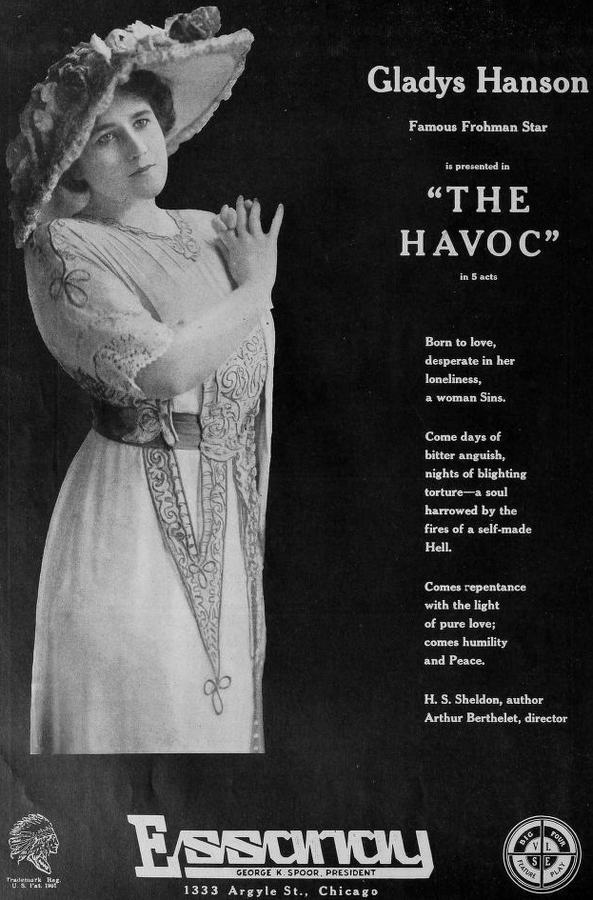
The year 1916 was a watershed moment for the cinematic medium, a period where the primitive tropes of the early silent era began to coalesce into sophisticated psychological narratives. The Havoc, directed by Arthur Berthelet and penned by H.S. Sheldon, stands as a monolith of this transition. It eschews the broad, pantomimed morality of its contemporaries for a surgical, almost clinical, deconstruction of the bourgeois marriage. While films like A Fool There Was leaned heavily into the 'vamp' archetype, The Havoc finds its terror in the mundane—the tap of a typewriter, the ticking of a clock, and the silent resentment brewing in an office cubicle.
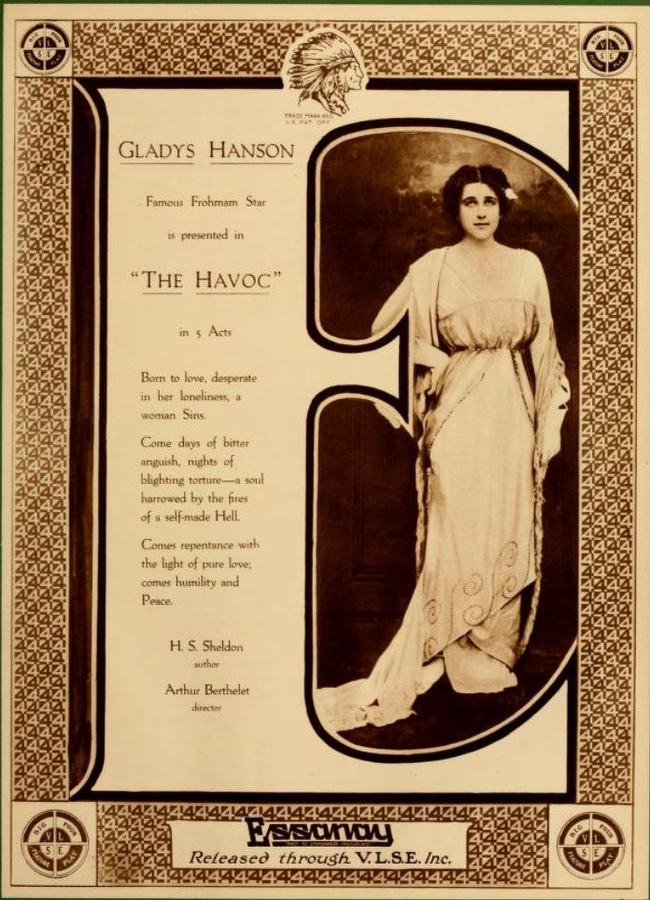
The film opens with a deceptively simple premise of fraternal loyalty. Richard Craig (Lewis Stone) and Paul Hessert (Bryant Washburn) are not merely colleagues; they are the architects of each other's professional realities. However, the introduction of the stenographer (Gladys Hanson) introduces a volatile element into this stable compound. Hanson’s performance is a masterclass in suppressed agency; she begins the film as an object of competition, a prize to be won in the transactional game of the American workplace. When Craig succeeds, the victory feels less like a romantic triumph and more like a corporate acquisition. This sets the stage for the 'havoc' promised by the title—a havoc that is not a sudden storm, but a steady, corrosive leak.
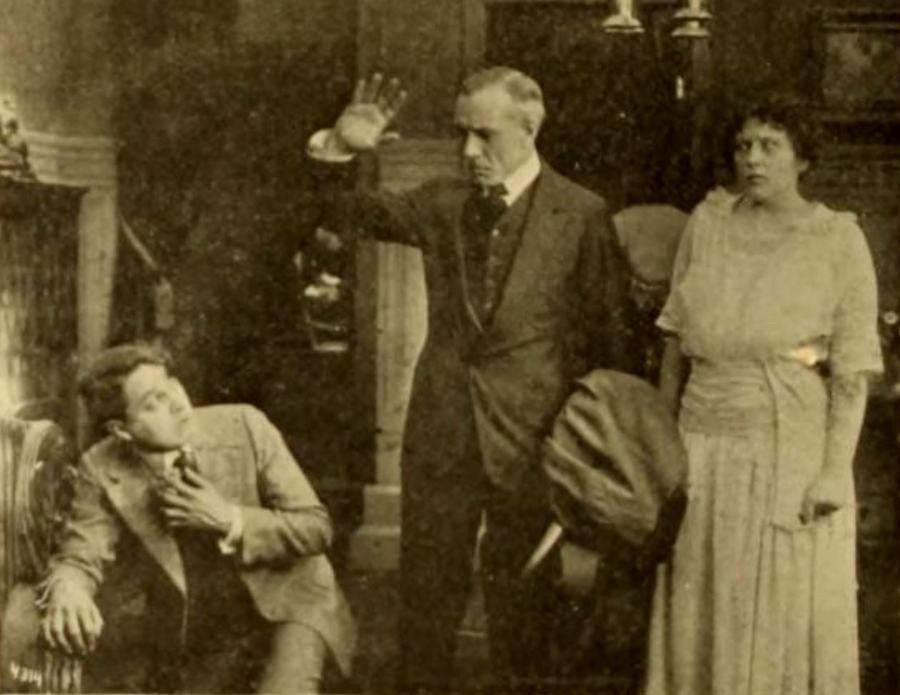
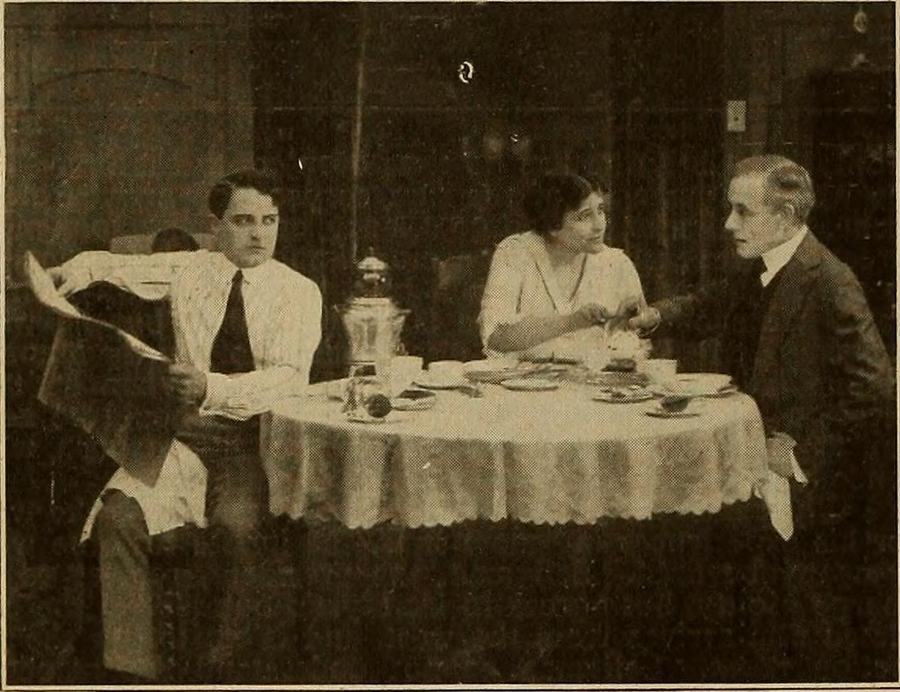
Unlike the high-stakes melodrama found in Assunta Spina, where passion is externalized through grand gestures, The Havoc internalizes its conflict. Craig’s decision to invite Hessert into his home is the narrative’s most audacious move. It is a gesture of either supreme confidence or profound emotional illiteracy. By bringing the rival into the sanctuary of the home, Craig effectively erases the boundaries between the public office and the private bedroom. The result is a claustrophobic domesticity that mirrors the stifling atmosphere of The Three of Us, though Sheldon’s script is far more cynical regarding human nature.
The sequence in which Craig discovers his wife’s infidelity is the film’s ideological centerpiece. In a standard 1910s melodrama, this discovery would precipitate a murder or a suicide—a visceral reaction to the stain on one’s honor. Instead, Lewis Stone portrays Craig with a terrifying, glacial composure. His refusal to engage in violence is not born of pacifism, but of a desire for a more exquisite form of revenge. He proposes a social contract: a divorce that allows the lovers to marry, on the condition that he occupies the role of the boarder. This reversal of roles is a brilliant subversion of the traditional power dynamic. Craig becomes the observer, the scientist watching his specimens rot in the heat of their own guilt.
This psychological warfare is far more sophisticated than the plot of The Matrimonial Martyr, which treats marital discord with a lighter, almost farcical touch. In The Havoc, the stakes are existential. Craig is not just punishing his wife and his friend; he is testing the very foundations of the romantic ideal. He bets that their love, once stripped of its illicit thrill and subjected to the mundane pressures of a shared household with an ex-husband, will inevitably wither. It is a nihilistic worldview that feels startlingly modern, prefiguring the cynical noirs of the 1940s.
As the second act unfolds, the film shifts its focus to the professional arena. Craig, now the master of the house in a psychological sense, begins to manipulate Hessert’s career. He promotes him, not out of kindness, but to expose him to the temptations of higher stakes. Bryant Washburn’s portrayal of Hessert is a nuanced study in weakness. He is not a mustache-twirling villain but a man of low moral friction. When he eventually embezzles funds, it feels less like a crime and more like a mathematical certainty. Craig has created an environment where Hessert’s failure is the only possible outcome.
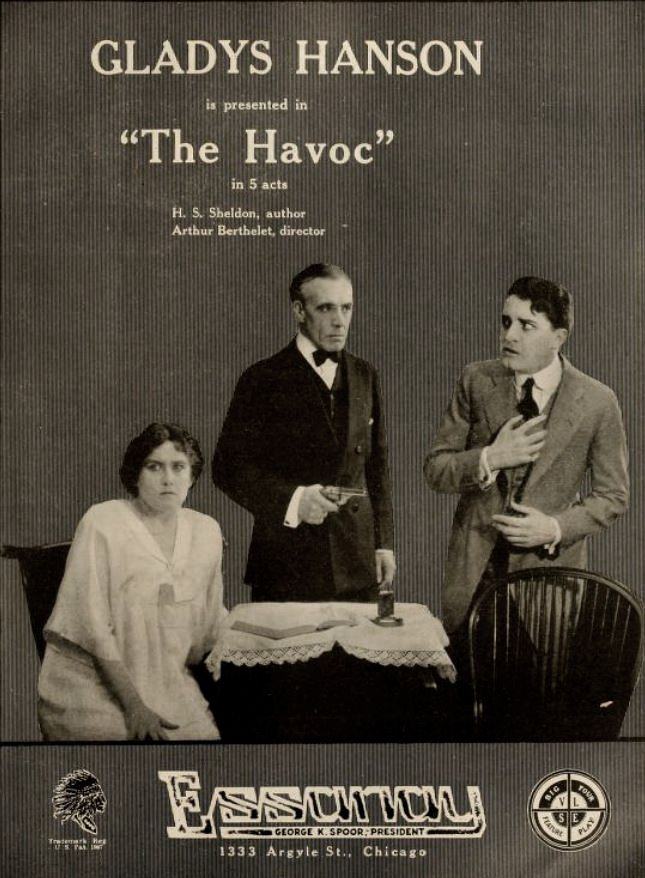
The contrast between the domestic sphere and the financial sphere is handled with more nuance here than in Conscience. In The Havoc, money is the ultimate barometer of character. Hessert’s theft is the final proof Mrs. Craig needs to see the hollowness of her new husband. The scene where Craig confronts Hessert with the evidence is devoid of histrionics. Craig’s dismissal of Hessert—'go and never show up again'—is a death sentence by exile. He doesn’t need the law to punish Hessert; he has already stripped him of his dignity and his identity.
The film’s conclusion is perhaps its most controversial and fascinating element. Mrs. Craig, broken and remorseful, seeks a path to redemption. Craig’s solution is to return her to the office as his stenographer. This is a profound moment of narrative symmetry. She returns to the exact position she held at the beginning of the film, but the context has shifted from one of potential to one of penance. The typewriter, once a tool of her independence, becomes the instrument of her servitude. It is a chilling resolution that suggests that for a woman in 1916, the only way to atone for a lapse in domestic virtue is to return to the mechanical labor of the patriarchy.
While films like Peggy or Dimples might offer a more sentimental or redemptive arc for their female protagonists, The Havoc refuses such easy comforts. It posits that some fractures can never be truly healed, only managed. The 'havoc' is permanent. The final shots of the film, focusing on the rhythmic, almost hypnotic movement of the typewriter keys, suggest a world that has been drained of its color and passion, replaced by a cold, efficient order.
Arthur Berthelet’s direction is remarkably restrained. He uses deep staging to emphasize the distance between the characters, even when they occupy the same room. The lighting, though primitive by modern standards, effectively utilizes shadows to heighten the sense of moral ambiguity. The office sets are particularly impressive, capturing the sterile, impersonal nature of 20th-century commerce. This visual rigidity serves as a perfect counterpoint to the messy emotional lives of the protagonists.
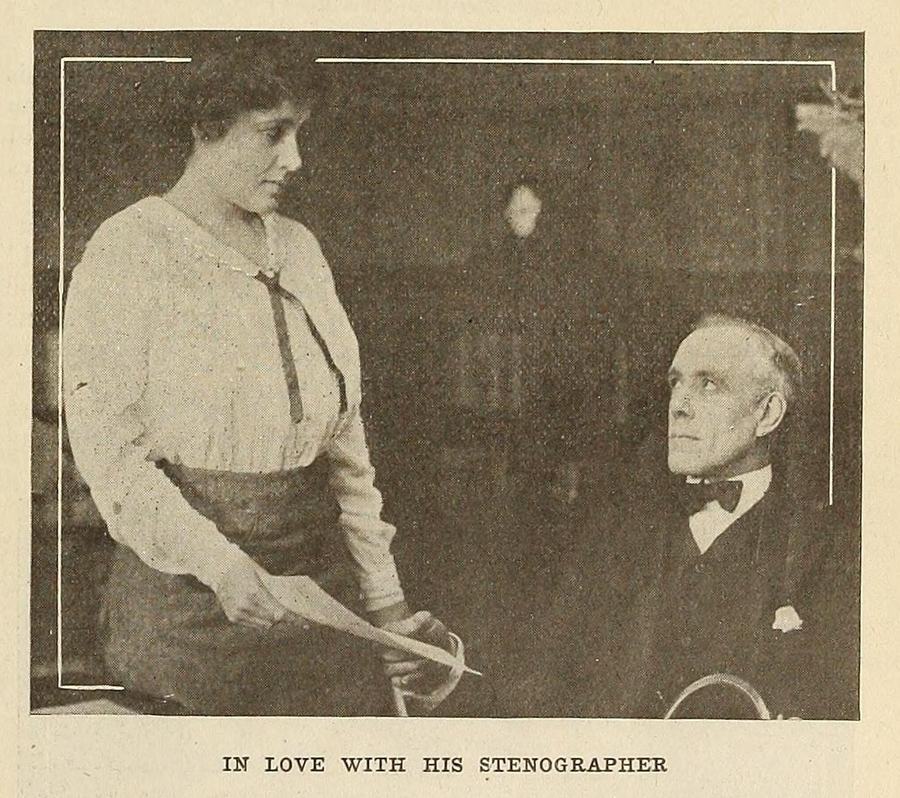
Comparing the visual style to The Red Circle, which relies more on serial-style pacing and action, The Havoc feels like a stage play captured on celluloid, but one that understands the unique power of the close-up. The micro-expressions on Lewis Stone’s face convey more than any title card ever could. It is this reliance on the actor’s physiognomy that elevates the film above the standard fare of the era, such as June Friday or Zatansteins Bande.
In the broader context of silent cinema, The Havoc remains an essential viewing for those interested in the evolution of the psychological thriller. It anticipates the themes of domestic entrapment found in Down with Weapons and the intricate plotting of The Secret Seven. It is a film that demands much from its audience, asking them to sympathize with a man whose revenge is as cruel as the betrayal that sparked it. There are no heroes here, only survivors of a self-inflicted emotional catastrophe.
As we look back at this 1916 relic, we see the seeds of modern drama. The office as a site of romantic and moral conflict, the use of psychological manipulation as a weapon, and the bleak reality of social atonement—all these elements are present in The Havoc. It is a stark reminder that even in the infancy of film, storytellers were already grappling with the most complex and uncomfortable aspects of the human condition. While it lacks the scenic beauty of Beautiful Lake Como, Italy or the adventurous spirit of A Lass of the Lumberlands, it possesses a raw, intellectual power that few films of its time can match. It is a grim, masterful achievement in silent storytelling.
IMDb —
1921
Community
Log in to comment.