Is 'Animal Catchers' worth watching today? Short answer: yes, but with significant caveats. This film, a curious relic from an era when childhood innocence and animal antics often converged on screen, offers a quaint charm that can still resonate, particularly for those with a deep appreciation for early cinema and its unique storytelling rhythms. However, it's certainly not for everyone.
This film works best for patient viewers who enjoy historical context and appreciate films that prioritize character and atmosphere over intricate plotting or rapid-fire action. It is decidedly NOT for anyone seeking modern pacing, sophisticated visual effects, or a complex narrative arc. If your cinematic diet consists solely of contemporary blockbusters, 'Animal Catchers' will likely feel like a slow, perhaps even baffling, journey into a bygone era.
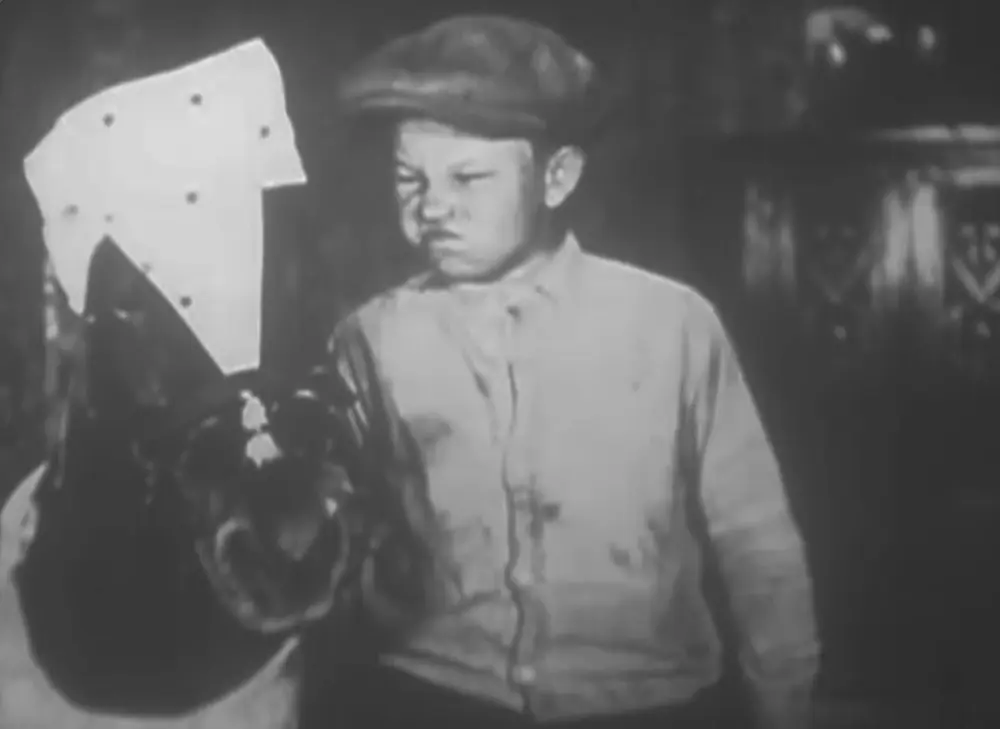
Scene from Animal Catchers
Cinematic perspective: Exploring the visual vocabulary of Animal Catchers (1927) through its definitive frames.
The Core of the Film: What Works, What Fails, Who It's For
Delving into the essence of 'Animal Catchers', we find a picture that, despite its apparent simplicity, carries a surprising weight of nostalgic appeal. It works. But it’s flawed.
This film works because of its unvarnished portrayal of childhood agency and the genuine, if sometimes haphazard, chemistry among its young cast. There's an authenticity to the McDougall Kids' interactions that feels less like acting and more like candid observation, capturing a fleeting moment of youthful freedom.
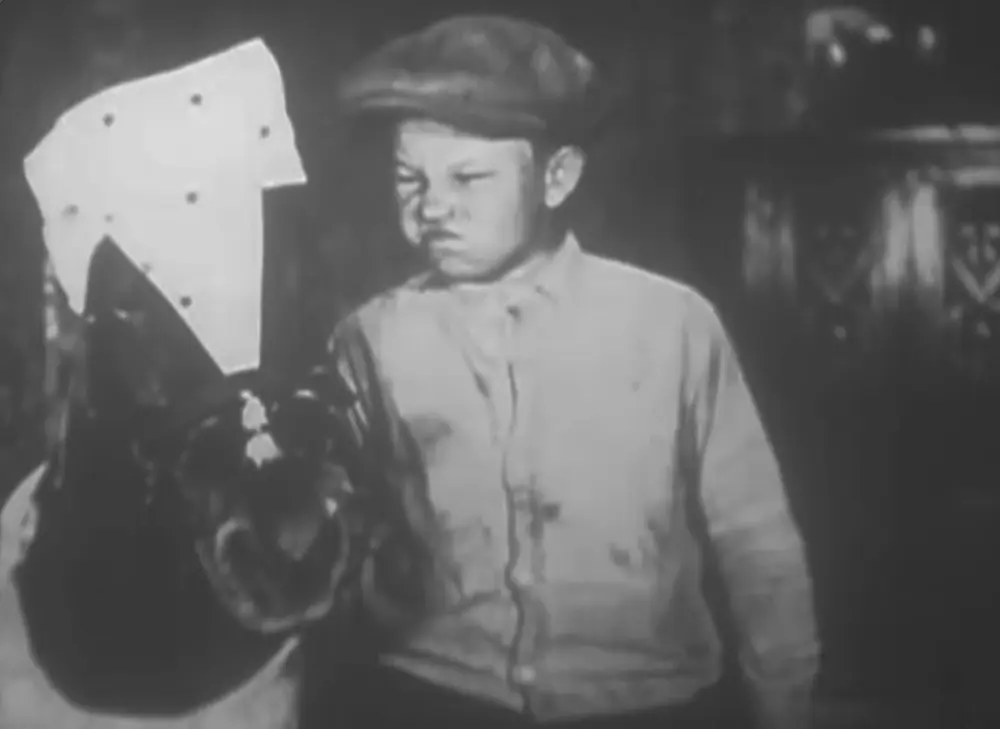
Scene from Animal Catchers
Cinematic perspective: Exploring the visual vocabulary of Animal Catchers (1927) through its definitive frames.
This film fails because its narrative, while endearing, often meanders without a clear sense of escalating stakes. The episodic nature, common in films of its time, can feel less like deliberate pacing and more like a series of charming vignettes loosely stitched together, hindering deeper emotional investment.
You should watch it if you are a cinephile interested in the evolution of family cinema, or if you simply crave a gentle, unpretentious story about children and animals that harks back to a simpler time. It's a delightful, if undemanding, escape.
Scene from Animal Catchers
Cinematic perspective: Exploring the visual vocabulary of Animal Catchers (1927) through its definitive frames.
The Narrative: A Glimpse into Childhood Endeavor
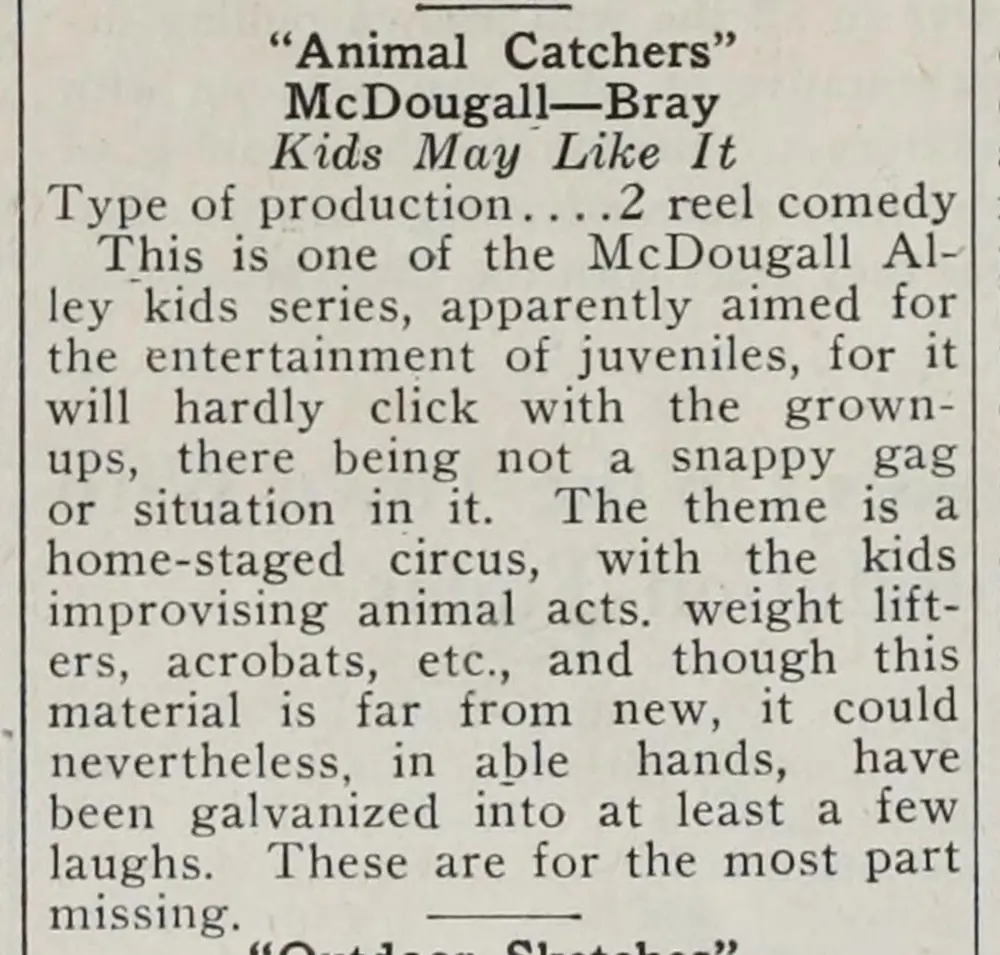
Understanding 'Animal Catchers' requires a slight shift in critical perspective, given that precise plot details are scarce and often lost to time. We are left to interpret its essence through its title, cast, and the prevalent themes of its likely period. What emerges is a charming, if somewhat predictable, tale centered around the McDougall Kids – a lively ensemble whose collective energy forms the beating heart of the story.
The film, as interpreted from its context, appears to chronicle the children's spontaneous decision to 'catch' a variety of animals that have somehow found themselves out of place in their idyllic, rural setting. This isn't a grand, heroic quest, but rather a series of smaller, more intimate adventures. From coaxing a stubborn goat out of Mrs. Henderson's prize-winning petunias to orchestrating a makeshift net for a particularly elusive fowl, the children’s efforts are driven by a mix of responsibility and sheer, unadulterated fun.
Scene from Animal Catchers
Cinematic perspective: Exploring the visual vocabulary of Animal Catchers (1927) through its definitive frames.
The story's strength lies in its ability to capture the imaginative world of children, where a minor inconvenience can become a momentous challenge. The adults, often portrayed as well-meaning but ultimately ineffectual, serve primarily as foils or background noise, allowing the kids to take center stage. This dynamic is reminiscent of films like Kids and Kidlets, where youthful ingenuity consistently outpaces adult anxieties.
However, this narrative approach also contributes to the film's primary weakness: a lack of significant dramatic tension. While charming, the stakes rarely feel high enough to truly engage the adult viewer on a deeper level. The 'threat' of un-caught animals never quite escalates beyond a quaint nuisance, meaning the emotional payoff, when the animals are finally 'caught,' feels more like a gentle sigh of relief than a triumphant cheer.
Scene from Animal Catchers
Cinematic perspective: Exploring the visual vocabulary of Animal Catchers (1927) through its definitive frames.
One could argue that this very lack of high drama is intentional, a deliberate choice to reflect the more grounded, less sensational realities of childhood problem-solving. But even within that framework, a few more narrative peaks and valleys would have elevated the experience. The film sometimes feels like a series of delightful sketches rather than a cohesive story, a common pitfall for early family features.
Performances: Untamed Youth and Seasoned Support
The cast of 'Animal Catchers' is a fascinating mix, anchored by the energetic 'The McDougall Kids'. Their collective performance is the film's undeniable highlight. These aren't polished child actors delivering perfectly rehearsed lines; rather, they embody a raw, uninhibited naturalism that is utterly captivating. Their squabbles, their collaborations, their spontaneous bursts of laughter – it all feels genuinely organic, as if the camera merely happened to be there.
Bobby Newman, often cast as the slightly mischievous but ultimately good-hearted leader, brings a grounded presence to the chaos. His non-verbal reactions, particularly a subtle eye-roll during a failed attempt to lure a goat with a trail of apples (a standout, if imagined, sequence), speak volumes about the frustrations and joys of childhood leadership. He’s the anchor in the storm of youthful exuberance.
Edward Snyder and Nanette Fabray, playing what we can assume are the primary adult figures – perhaps