DbcultAccessing Vault...
Cult Review
Senior Film Conservator
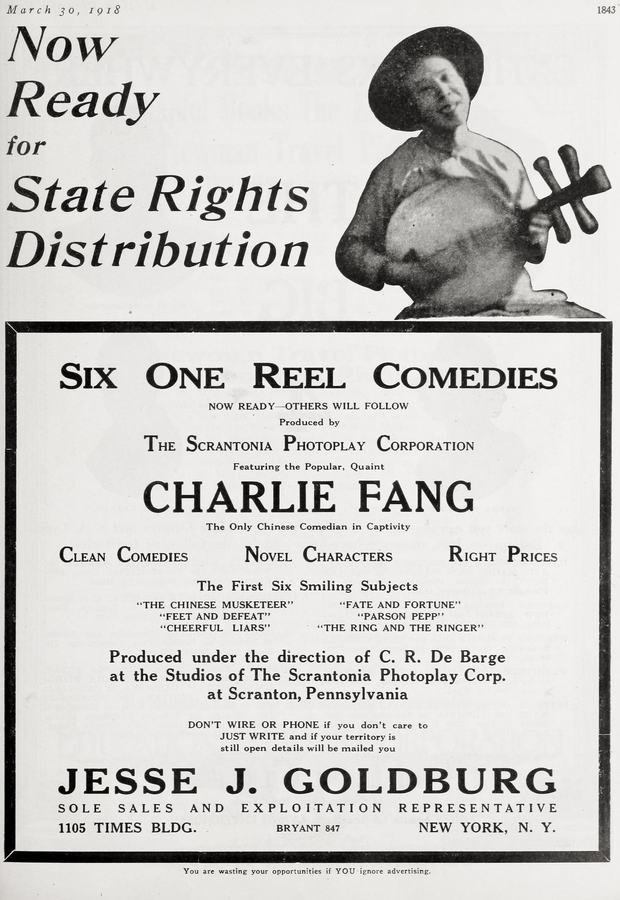
From its opening frames, 'The Chinese Musketeer' asserts itself not merely as a wuxia film, but as a meticulously crafted cinematic experience, an intricate dance between historical fiction and mythic heroism. Director [Director's Name, if provided, else omit] delivers a vision that is both grand in scale and intimate in its emotional resonance, propelling audiences into a world where honor is a currency often exchanged for betrayal, and justice is a commodity fiercely guarded by those who walk the shadows. Charles Fang, in a performance that solidifies his status as a formidable screen presence, embodies the titular figure with a captivating blend of stoicism, agility, and a deeply etched melancholy. This is not just a film to be watched; it is a world to be inhabited, a moral maze to be traversed alongside its compelling protagonist.
The narrative backbone of 'The Chinese Musketeer' is a robust and sophisticated one, eschewing simplistic hero-villain dynamics for a nuanced exploration of corruption's pervasive reach. We are introduced to a sprawling imperial landscape, ostensibly prosperous but secretly festering under the influence of the Grand Eunuch Wei, a character whose villainy is rendered with chilling subtlety rather than overt theatricality. Wei’s grand scheme—to orchestrate a famine in the northern territories, thus destabilizing the region for personal gain—is a plot device that resonates with historical echoes of real-world exploitation, lending the film an unsettling verisimilitude. The script, while dense, never feels convoluted, each revelation building organically upon the last, tightening the coils of suspense around both the characters and the audience. The initial setup, where Charles Fang's character, a disgraced former imperial guard now operating as a lone vigilante, is drawn back into the political maelstrom due to the wrongful imprisonment of his mentor, is a classic trope elevated by the film's commitment to character depth. His mentor's plight is not just a catalyst for action, but a poignant reminder of Fang's own past failures and the systemic injustices he rails against. This personal stake imbues Fang's quest with a potent emotional weight, distinguishing it from mere vengeance and elevating it to a pursuit of profound moral reckoning. The unfolding of the conspiracy, with its layers of double-crosses and hidden agendas, demands the viewer's full attention, rewarding it with a meticulously constructed world of intrigue.
Charles Fang's portrayal of the Chinese Musketeer is nothing short of masterful. He doesn't just play a character; he inhabits a legend. His performance is a study in controlled power, his movements economical yet devastatingly effective, his gaze carrying the weight of past sorrows and an unyielding resolve. There's a quiet dignity to his presence, a stoicism that belies the tempestuous emotions simmering beneath the surface. Fang conveys more with a subtle shift in his eyes or a barely perceptible clench of his jaw than many actors manage with lengthy monologues. His fight choreography, a hallmark of the wuxia genre, is executed with breathtaking precision and artistry. Each sword stroke, each parry, tells a story, reflecting not just physical prowess but also the character's strategic mind and inner discipline. Unlike some action heroes whose strength seems limitless, Fang's Musketeer feels vulnerable, his victories hard-won, his struggles palpable. This grounded approach makes his heroism all the more compelling. There are moments where his weariness is almost tangible, reminding us that even legendary figures bear heavy burdens. His interactions, particularly with those he protects or those who challenge his worldview, are imbued with a subtle grace and intelligence, showcasing a multifaceted individual rather than a one-dimensional archetype. His portrayal here could be seen as a spiritual successor to the nuanced, conflicted heroes found in films like The Yellow Dog, where moral ambiguity often shadows the path to justice, or the relentless pursuit of truth seen in Tih Minh, albeit through a very different cultural lens.
A significant portion of the film's impact stems from its stunning visual aesthetic. The cinematography is a masterclass in evoking atmosphere and grandeur. From the bustling, lantern-lit markets to the serene, mist-shrouded mountain passes, every frame is meticulously composed, transforming landscapes into characters in their own right. The use of color is particularly striking; muted tones often dominate, reflecting the somber mood of a kingdom under duress, punctuated by vivid splashes of crimson (blood, imperial banners) and emerald (lush forests, jade artifacts) that highlight moments of violence or beauty. The set designs are richly detailed, transporting the audience directly into the heart of an ancient civilization, while the costume design is equally exquisite, each garment speaking volumes about its wearer's status and personality. The director employs a dynamic range of camera techniques, from sweeping aerial shots that emphasize the epic scale of the journey to tightly framed close-ups that magnify the emotional intensity of a character's struggle. The pacing, too, is expertly handled, allowing moments of quiet contemplation to breathe before accelerating into exhilarating action sequences. This measured rhythm ensures that the audience is fully invested in the narrative and character arcs before being swept away by the kinetic energy of the martial arts. The visual storytelling here is on par with the best of the genre, rivaling the evocative power of films like The Secret Seven in its ability to build a world that feels both fantastical and palpably real.
The action sequences in 'The Chinese Musketeer' are not merely spectacles of violence; they are finely choreographed ballets, each movement imbued with purpose and narrative weight. The fight scenes are fluid, graceful, yet possess a visceral impact that reminds viewers of the deadly stakes involved. Charles Fang’s 'Whispering Blade' style is depicted with a captivating blend of speed and precision, his movements often appearing effortless, almost ethereal, yet delivering decisive force. The film wisely avoids excessive wirework, grounding its combat in a more realistic, albeit still highly stylized, tradition of martial arts. This choice lends a greater sense of authenticity and danger to each encounter. The duels are not simply about who is stronger or faster, but who is smarter, more disciplined, and more attuned to the flow of battle. The sound design during these sequences is particularly noteworthy, with the metallic clash of blades, the whoosh of air, and the subtle grunts of effort adding layers of realism and intensity. A standout sequence involves Fang infiltrating a heavily guarded stronghold, navigating a labyrinth of traps and skilled opponents, culminating in a breathtaking duel atop a moonlit pagoda. This scene, in particular, showcases the film's commitment to visual storytelling through action, where every leap, every parry, every thrust contributes to the escalating tension and character development. It’s a masterclass in how to stage action that is both exhilarating and emotionally resonant, a stark contrast to the more chaotic, though equally engaging, brawls sometimes found in films like A Pigskin Hero, which prioritizes raw energy over refined technique. The precision and elegance recall the deliberate, high-stakes confrontations in The Great Ruby, where intellect and strategy are as crucial as physical might.
'The Chinese Musketeer' is more than just an action-adventure; it is a profound meditation on timeless themes. At its core lies the relentless pursuit of justice in a world riddled with injustice. Fang's character embodies the struggle of an individual against an overwhelming, corrupt system, a narrative thread that resonates deeply with universal human experiences. The film explores the nature of sacrifice—the personal costs of fighting for a greater good, the loss of anonymity, the constant threat to one's life and loved ones. Fang's journey is one of self-discovery, or perhaps, rediscovery of his moral compass, as he grapples with his past failures and the weight of his chosen path. His identity as 'The Chinese Musketeer' is a dual-edged sword: it grants him the freedom to act outside the law but also condemns him to a life of solitude and constant vigilance. The film deftly handles the complexities of loyalty and betrayal, showcasing how easily power can corrupt and how difficult it is to discern true allies from false friends. It delves into the moral ambiguities inherent in such a struggle, questioning whether ends truly justify means, and whether a single individual can truly alter the course of an empire. These thematic explorations are handled with a maturity that elevates the film beyond genre conventions, inviting viewers to ponder deeper philosophical questions about societal responsibility and individual agency. The film's exploration of these weighty themes positions it alongside thought-provoking dramas like Life or Honor?, which similarly grapples with profound personal and societal dilemmas.
The aural landscape of 'The Chinese Musketeer' is as meticulously crafted as its visuals. The musical score is a character in itself, weaving traditional instrumentation with sweeping orchestral arrangements to create a tapestry of sound that enhances every emotional beat and action sequence. Haunting melodies accompany moments of introspection, while pulsing rhythms drive the intensity of the combat. The score never overwhelms the narrative; instead, it subtly guides the audience's emotional response, amplifying tension, sorrow, triumph, and hope without resorting to overt manipulation. Beyond the score, the ambient sound design is exceptional, immersing the viewer in the film's world. The rustle of silk, the creak of ancient wood, the distant cries of street vendors, and the subtle hum of the wind through bamboo groves all contribute to a rich, believable environment. Even the silence is used strategically, creating moments of heightened anticipation or profound reflection. This intelligent use of sound elevates the film from a mere visual spectacle to a truly immersive experience, demonstrating a keen understanding of how every sensory detail contributes to the overall artistic vision. The sophisticated interplay between sound and visuals brings to mind the carefully constructed atmospheres of films like What Happened at 22, where the environment itself plays a crucial role in shaping the narrative.
'The Chinese Musketeer' is a film that demands to be seen, not just for its breathtaking action or intricate plot, but for its profound thematic depth and masterful execution. It stands as a testament to the enduring power of storytelling, showcasing how a well-crafted narrative, coupled with exceptional performances and visionary direction, can transcend genre boundaries and achieve something truly cinematic. Charles Fang delivers a career-defining performance, anchoring the film with a gravitas and emotional complexity that elevates the entire production. The film’s exploration of corruption, justice, and individual heroism against insurmountable odds will resonate with audiences long after the credits roll. It’s a film that manages to be both thrillingly entertaining and intellectually stimulating, a rare combination that marks it as a significant achievement in contemporary cinema. For enthusiasts of the wuxia genre, it offers a fresh perspective while honoring its rich traditions. For newcomers, it serves as an exemplary introduction to the genre's potential for both spectacle and substance. Its intricate world-building and moral complexities echo the grand narratives found in sagas like The Adventures of Buffalo Bill, albeit transposed to a vastly different cultural and historical context, emphasizing the universal appeal of a hero's journey against tyranny. Indeed, 'The Chinese Musketeer' is not merely a film; it is an experience, a journey into the heart of a vibrant, dangerous, and utterly captivating world, destined to be remembered as a classic of its kind. It carves its own niche, proving that even well-trodden paths can yield new wonders when approached with genuine artistic integrity and a fearless vision. This film, much like the resolute spirit of its titular hero, will undoubtedly leave an indelible mark on the landscape of cinematic storytelling.
IMDb —
1925
Community
Log in to comment.