DbcultAccessing Vault...
7.4/10
Senior Film Conservator
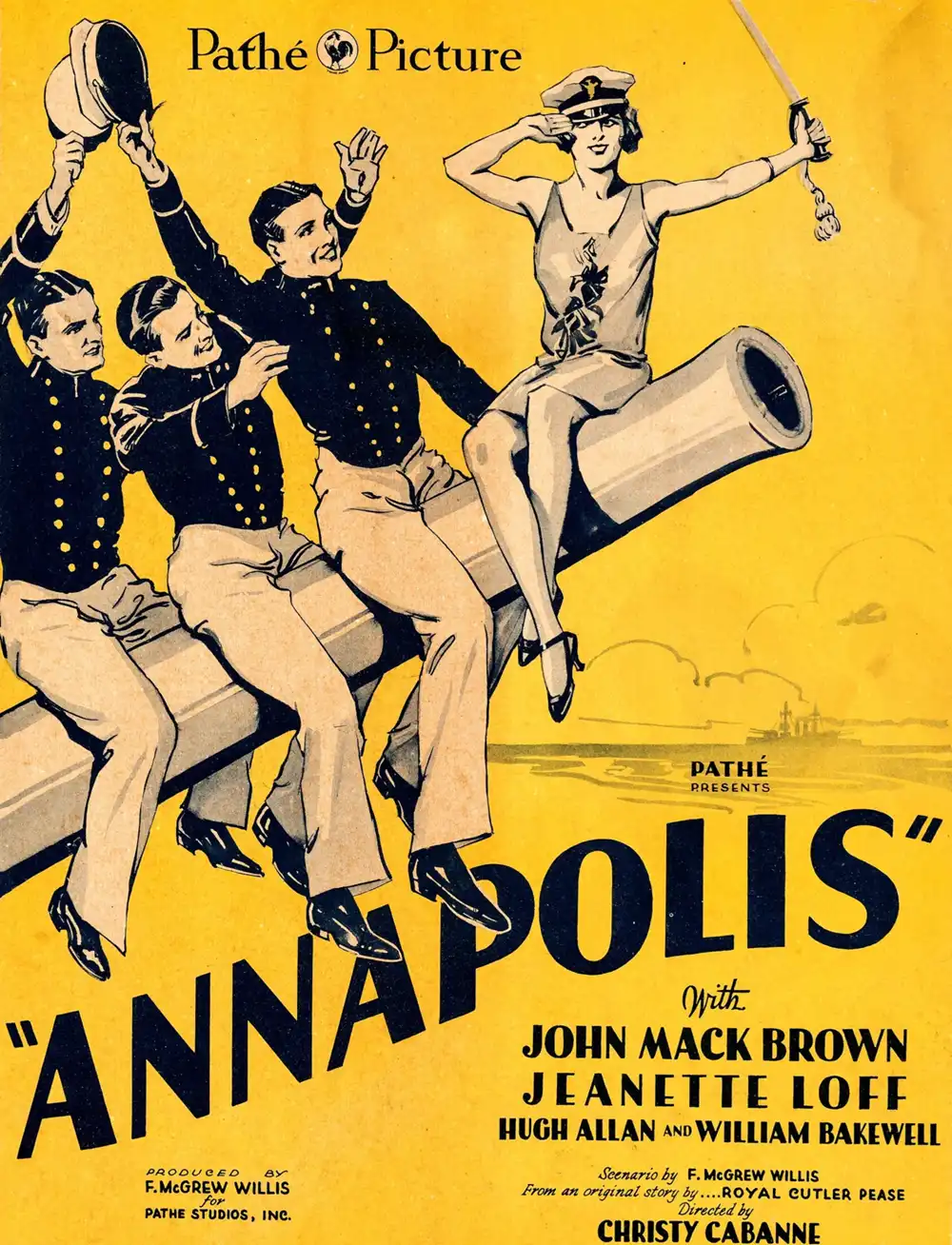
A definitive 7.4/10 rating for a film that redefined the boundaries of cult cinema. Annapolis remains a cornerstone of transgressive art.
Alright, let’s talk about Annapolis. If you’re one of those people who genuinely enjoys settling in for a silent film, who appreciates the broad gestures and the intertitle exposition, then yes, this might be worth a look. It’s a pretty standard melodrama from 1928, set against the backdrop of the Naval Academy, and it delivers exactly what it promises: a young man’s journey from arrogance to honor, wrapped up in a slightly convoluted love triangle. For anyone else, especially if you’re used to anything made after, say, 1940, you’ll probably find yourself checking the clock, wondering if this particular ship will ever make it to port.
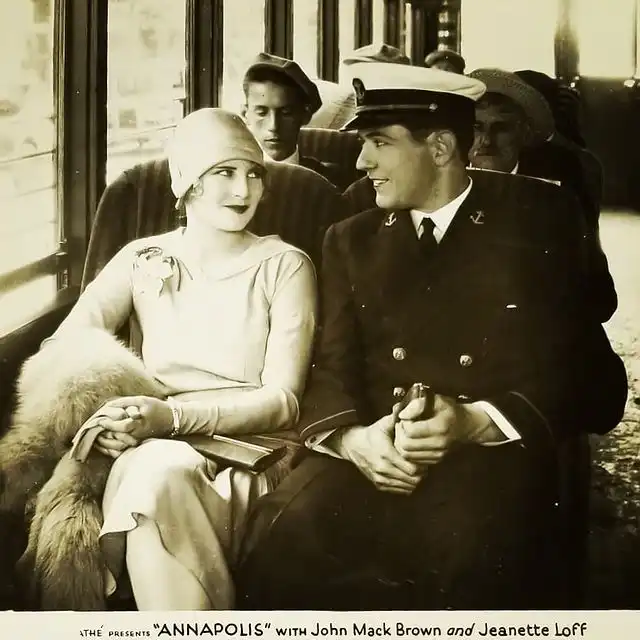
Fred Appleby plays Bill, our 'incorrigible know-all,' and honestly, he commits to the part. From his very first appearance, there’s this almost cartoonish swagger. He’s got the chin up, the slight smirk, the way he walks like he owns the place even when he’s just arrived at Annapolis. It’s the kind of silent film acting where every emotion is dialed up to 11, which, depending on your tolerance, is either charmingly earnest or utterly exhausting. There’s a scene early on where he’s being lectured, and his subtle eye-roll is so blatant it actually gets a laugh. You can practically hear the director telling him, “More defiant! More knowing!”
The Naval Academy itself provides a decent enough setting. The uniforms look sharp, and there are some nice shots of what appears to be actual academy grounds, which helps ground the melodrama a little. But then you get these long, lingering close-ups of characters thinking very hard, usually after an intertitle has just explained their internal struggle, and the pacing just grinds to a halt. It’s like the film is desperately trying to give you time to process, but mostly you just want them to get on with it.
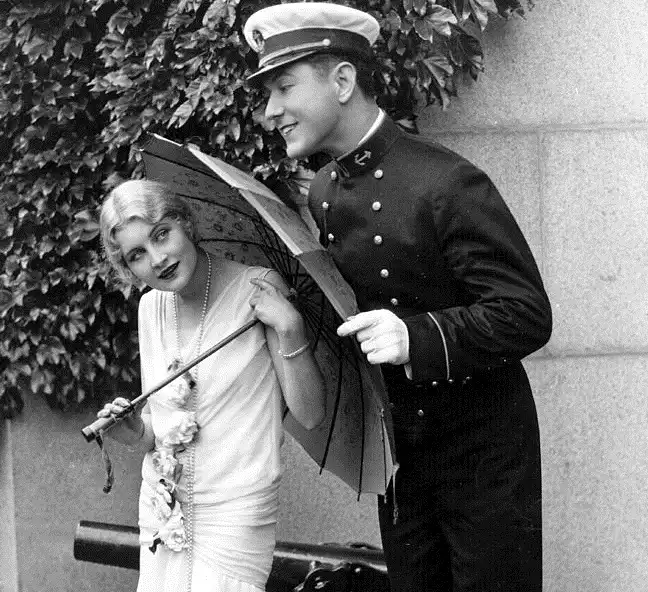
Charlotte Walker, as Betty, is the object of affection, and she’s… well, she’s the object of affection. Her character feels less like a person and more like a prize to be won. She starts out as the friend’s girl, but her affections pivot surprisingly quickly once Bill demonstrates his noble silence. The whole 'he won her heart and hand because he didn't squeal' plot point is pure, unadulterated melodrama, and it’s delivered with such a straight face. You almost expect a choir to swell every time someone makes a morally upright choice, even though it’s a silent film.
There’s a particular moment when Bill is being interrogated about the 'crime' – which, frankly, feels like a minor infraction blown completely out of proportion for dramatic effect. The camera cuts between the accusing officer, Bill’s stern face, and then a close-up of his friend looking guilty in the background. This sequence goes on for what feels like an eternity. Each shot holds for just a beat too long, trying to squeeze every drop of tension out of the scene, but it mostly just feels like they’re waiting for the next intertitle to pop up and tell us what everyone’s thinking. The intertitles themselves are a mixed bag; some are genuinely helpful in moving the plot, while others just state the obvious in very dramatic language.
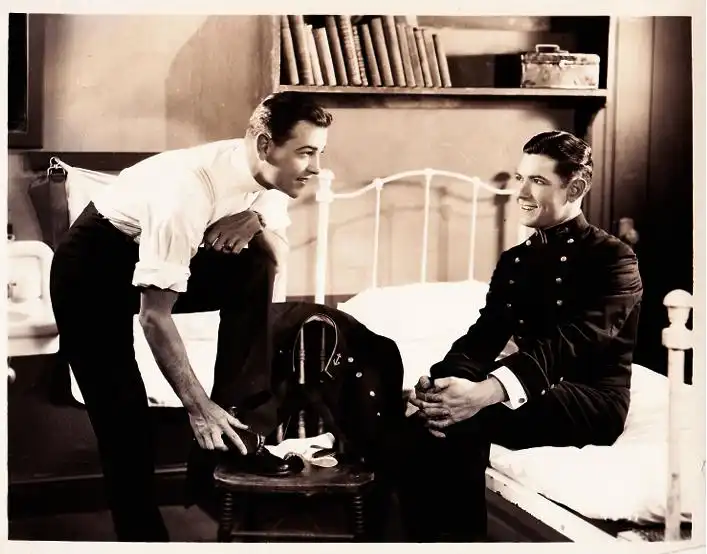
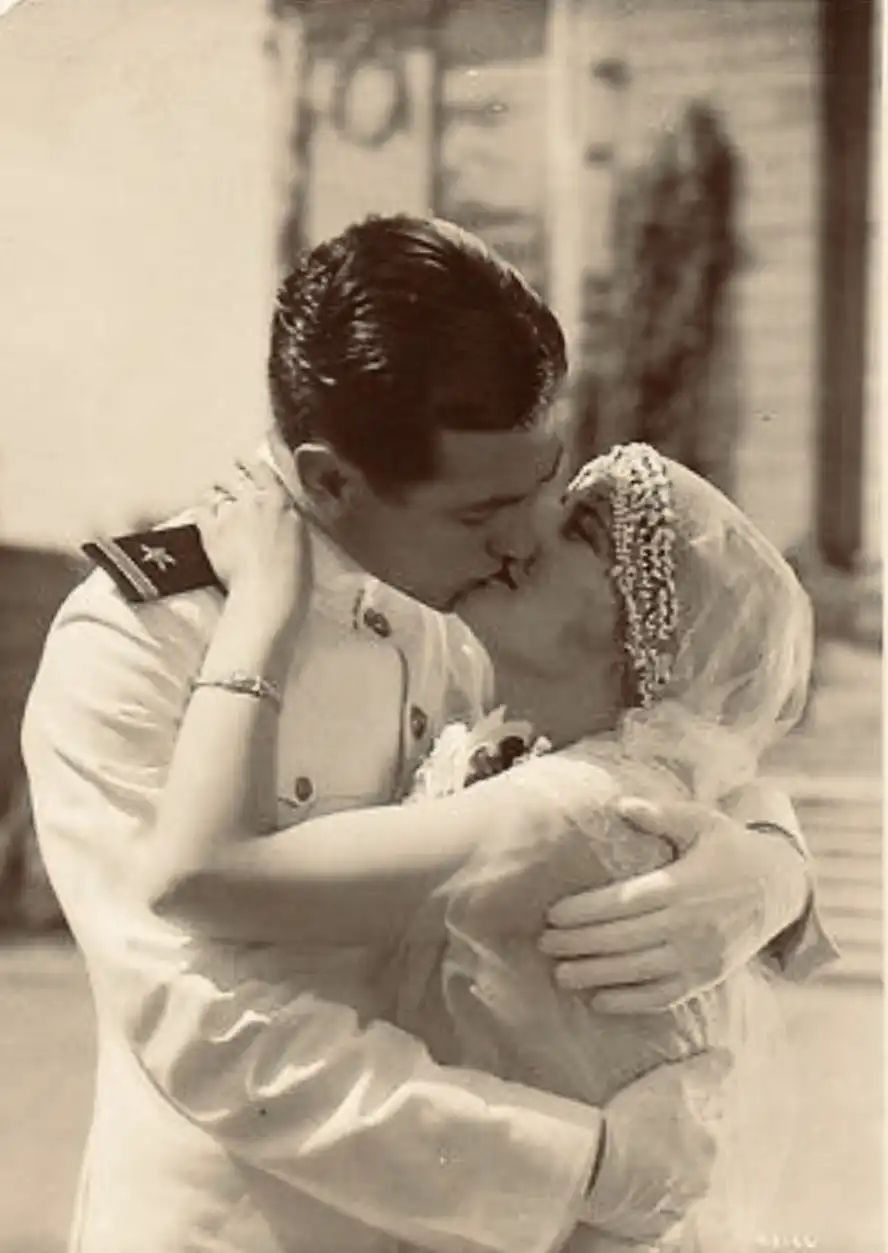
The chemistry between Bill and Betty is… functional. It’s conveyed mostly through intense stares, hand-holding, and a few chaste kisses. There’s no real spark, nothing that makes you believe in this sudden shift of allegiance. It’s more about the narrative needing a romantic payoff for Bill’s heroism than any believable connection. The friend, played by Johnny Mack Brown, is the real emotional anchor here, though his character is mostly there to provide the conflict and then fade into the background once Bill’s redemption arc kicks in. Brown does a decent job conveying conflicted emotions without any words, often with just a slight tremor in his jaw or a downcast gaze.
What’s genuinely interesting, if you look closely, are the background details in some of the academy scenes. You can spot little things, like the way the other cadets are perfectly still during a drill, or the slightly worn look of the barrack furniture. These small touches add a layer of authenticity that the more theatrical performances sometimes struggle to maintain. But then you’ll have a scene where someone dramatically paces across a room, turns, and stares into the middle distance for a full five seconds before the next action, and you’re reminded that you’re watching a very specific kind of filmmaking.
Ultimately, Annapolis is a relic. It’s a peek into what passed for thrilling drama in the late 1920s. It’s not terrible, and it’s certainly not groundbreaking. It’s just… there. It’s a film that exists, and if you’re a silent film completist or simply curious about the era, you might find some enjoyment in its earnestness and its quaint melodramatic beats. But if you’re hoping for a hidden gem or something that transcends its time, you’ll probably be disappointed. It's a film that knows what it is, and it delivers it without much fuss, for better or worse. Just don't expect to be on the edge of your seat.
IMDb 5.9
1935
Community
Log in to comment.