DbcultAccessing Vault...
Cult Review
Senior Film Conservator
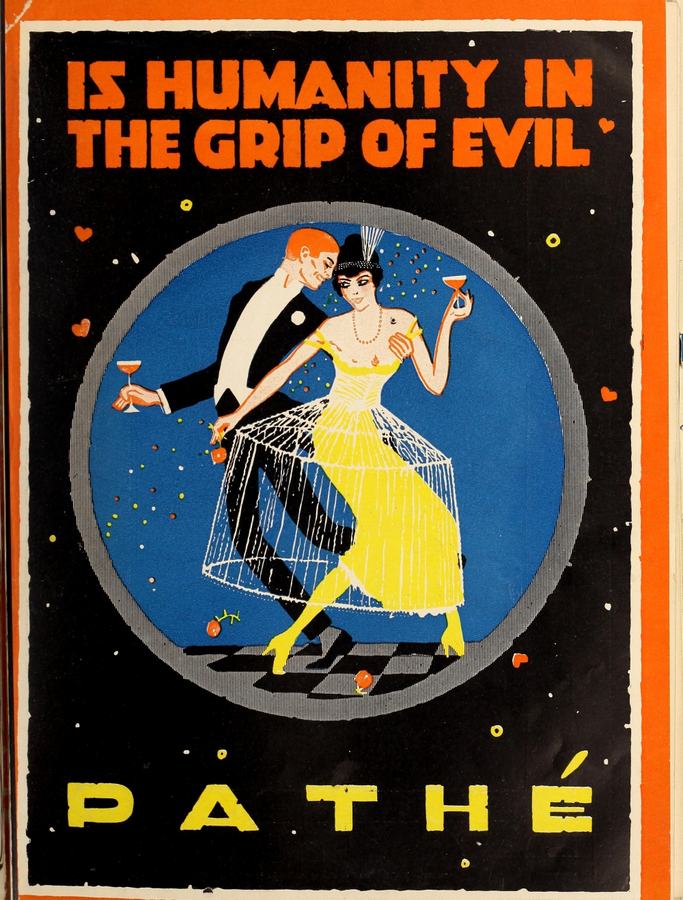
The 1916 cinematic landscape was a volatile crucible of experimentation, and few entries from that era possess the sheer narrative audacity of The Grip of Evil. This is not merely a relic of the silent serial tradition; it is a profound, albeit melodramatic, meditation on the corruptibility of the human spirit. The opening episode, 'Fate,' functions as a microcosmic exploration of the tensions that would define the early 20th century: the friction between European tradition and American industrialism, and the emerging consciousness of the laboring classes.
The film introduces us to the concept of 'good blood'—a socio-biological preoccupation of the Edwardian era that feels both archaic and fascinatingly deterministic. John Burton, portrayed with a brooding intensity by Roland Bottomley, is the vessel for this conflict. Unlike his contemporaries in the steel mills, who the film portrays as somewhat inert, Burton possesses a 'keen and questioning' mind. This intellectual vitality is framed not as a product of his environment, but as a latent aristocratic trait surviving in the soot-choked atmosphere of the American industry. It is a narrative device that mirrors the class anxieties explored in The Debt of Honor, where the weight of one's past dictates the trajectory of their future.
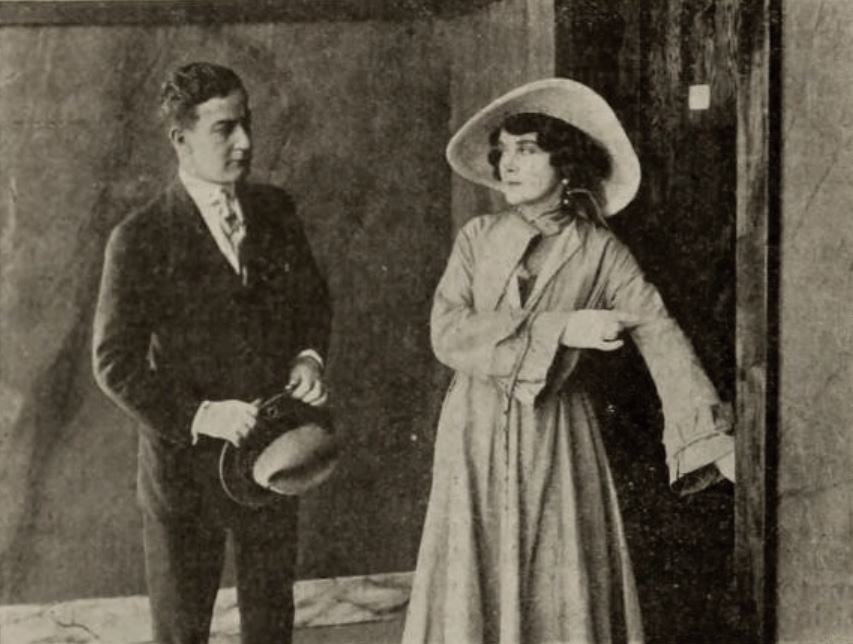
The industrial setting is rendered with a visceral, grimy realism that contrasts sharply with the drawing rooms of the English nobility seen in the prologue. The steel mill is a Moloch, a consumer of men, and Burton’s role as a labor leader provides the film with a sociopolitical weight that was quite progressive for its time. He is a 'crude philosopher,' a man seeking answers in the steam and iron, making him a far more compelling protagonist than the standard two-dimensional heroes of the era. His struggle feels more grounded than the ethereal conflicts of The Soul of Buddha, grounding the serial in a recognizable, albeit heightened, reality.
The true pivot of 'Fate' lies in the character of Mary Temple. Played by Jackie Saunders with a deceptive fragility, Mary is a fascinating study in the banality of evil. Her motivation is shockingly petty: a diamond necklace. To secure this bauble, she is willing to dismantle a movement aimed at bettering the lives of hundreds. The scene where she appeals to Burton 'in the name of suffering humanity' is a masterclass in dramatic irony. It highlights a recurring theme in silent cinema—the vulnerability of the righteous man to the manipulations of the 'vamp' or the selfish socialite, a theme also explored in Moths.

What makes this betrayal so stinging is the way it weaponizes Burton’s burgeoning empathy. He is a leader who believes in the goodness of the cause, and by extension, the goodness of those who speak its language. Mary’s success in breaking the strike is not a victory of logic, but a victory of performance. She performs the role of the humanitarian to satisfy her own vanity. This critique of the upper class’s performative charity is biting and remains uncomfortably relevant. It echoes the domestic deceptions found in Lydia Gilmore, though the stakes here are shifted from the court of law to the court of public opinion.
The second act of the episode plunges Burton into a dark night of the soul. Repudiated by the very men he sought to lead, he finds himself in a vacuum of identity. The transition from labor leader to pariah is swift and brutal. The cinematography here—utilizing the stark lighting and expressive shadows typical of the period—accentuates his isolation. We see a man who has lost his faith in humanity, a theme that resonates with the darker undertones of The Enemy.
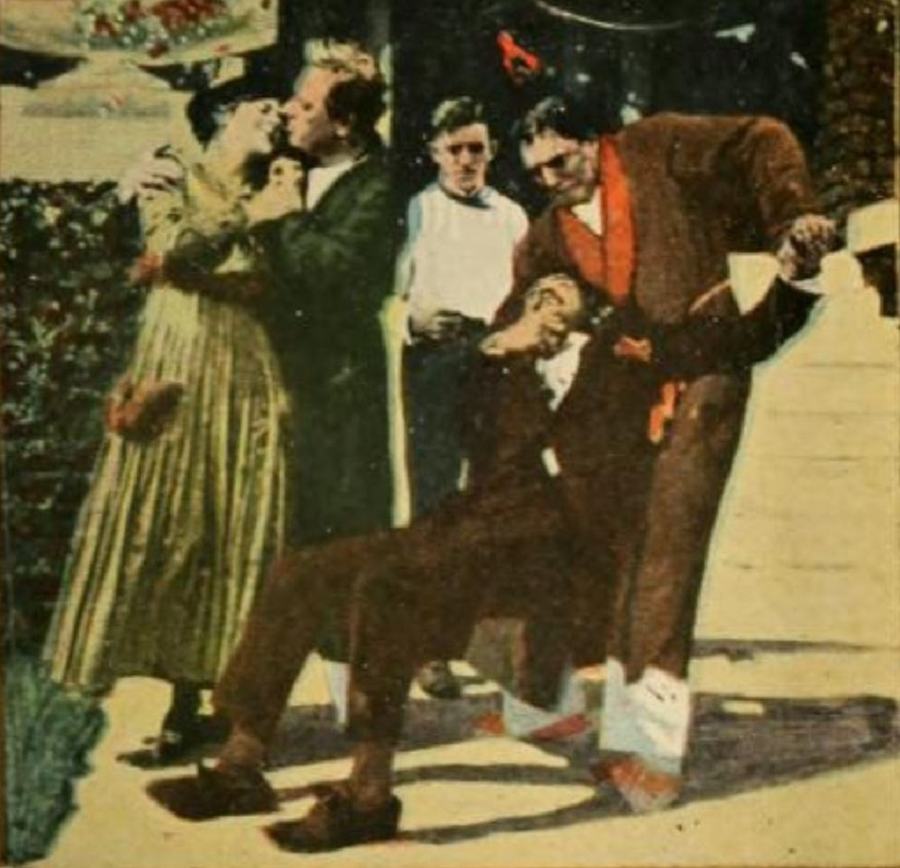
The 'Deus Ex Machina' of the inheritance—ten million dollars and a title—is handled with a typical silent-film flourish. While modern audiences might find the sudden shift in fortune jarring, it serves a specific allegorical purpose. It removes the material obstacles from Burton’s life, allowing him to focus entirely on the metaphysical. He is no longer fighting for bread; he is fighting for the soul of man. This shift from a struggle for survival to a struggle for meaning is what elevates The Grip of Evil above its serial peers. He becomes a gentleman detective of the human spirit, a role that mirrors the investigative nature of characters in Spiritisten.
Directors and writers Douglas Bronston and Louis Tracy demonstrate a keen understanding of the serial format’s rhythm. The pacing is relentless, yet it allows for moments of quiet introspection. The mill sequences are particularly impressive, capturing the scale of the machinery and the relative insignificance of the individual worker. This visual language of 'man vs. machine' would become a staple of cinema, but here it feels fresh and urgent. It brings to mind the gritty realism of Bread, which also tackled the harsh realities of the working class.
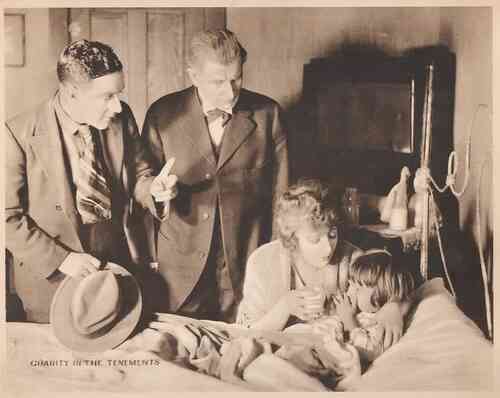
The use of intertitles in 'Fate' is surprisingly sophisticated, often providing philosophical context rather than just dialogue. The question that closes the episode—'Is Humanity in the Grip of Evil?'—is not just a hook for the next installment; it is a genuine inquiry that the film seems intent on exploring. The production values are high for 1916, with set designs that effectively communicate the vast gulf between Mary Temple’s world of diamonds and the grimy reality of the Burton household. This visual stratification is as effective as any seen in The Temple of Dusk.
John Burton is a precursor to the modern 'troubled billionaire' archetype, but with a significantly more grounded origin story. His wealth is not a reward for his virtue, but a tool for his skepticism. This distinguishes the film from more moralistic fare like Sunshine Nan or Friend Husband, where wealth often serves as a traditional 'happily ever after.' In The Grip of Evil, wealth is merely the fuel for a larger, more dangerous fire.
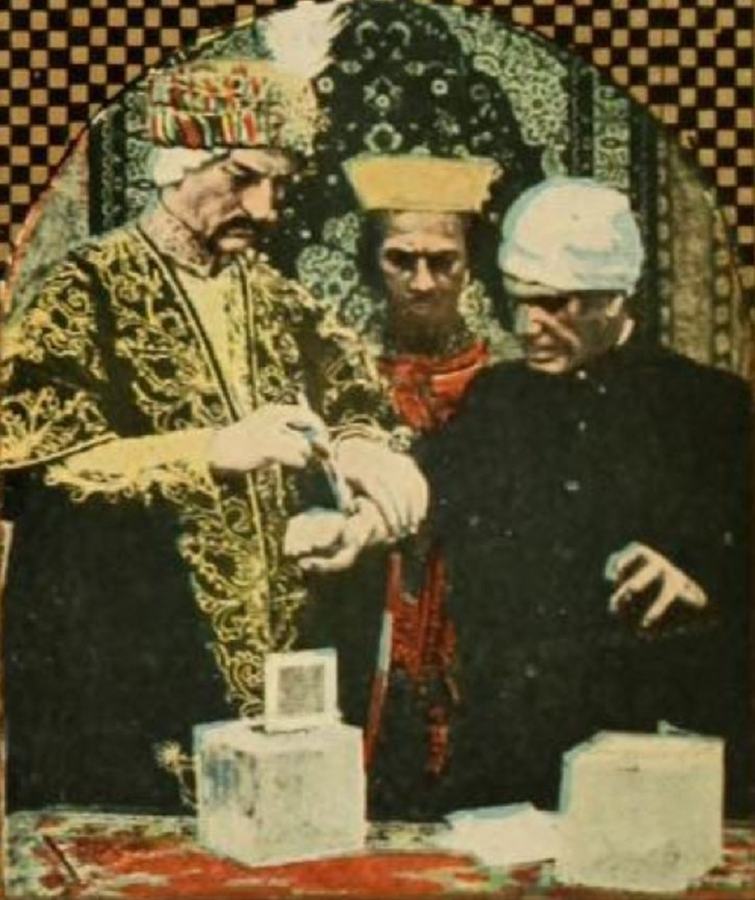
The film also touches upon the fragility of leadership. Burton’s fall from grace is a cautionary tale about the ease with which a community can be manipulated by those with power and charm. The strikers’ immediate rejection of Burton, without hearing his side, speaks to a cynical view of the 'masses' that is occasionally found in the era’s cinema, such as in The Day. It suggests that the 'Grip of Evil' is not just in the hearts of the powerful like Mary Temple, but also in the reactionary impulses of the many.
As an opening salvo, 'Fate' succeeds because it establishes a high-stakes emotional and philosophical landscape. It moves beyond the simple 'damsel in distress' or 'pursuit of the villain' tropes that characterized many serials of the mid-teens. Instead, it offers a protagonist whose primary conflict is internal and existential. Roland Bottomley’s performance is the anchor here; his transition from hopeful leader to broken man to determined seeker is handled with a subtlety that belies the era's reputation for over-acting.
While some of the plot contrivances are undeniably 'of their time,' the core questions posed by The Grip of Evil remain hauntingly relevant. We still grapple with the influence of 'blood' vs. environment, the ethics of labor, and the devastating impact of individual greed on collective progress. For those interested in the evolution of narrative cinema, this serial is an essential watch, offering a complexity that rivals contemporary works like Paradise Lost or the rugged individualism of Two-Gun Betty.
In the end, The Grip of Evil stands as a testament to the ambitions of early filmmakers who saw the medium as more than just a novelty. They saw it as a way to probe the deepest recesses of the human psyche. Whether Burton finds the answer to his question in subsequent episodes is almost secondary to the brilliance of the question itself. It is a journey through the darkness, lit by the flickering orange glow of the mill and the cold, sea-blue sparkle of a diamond necklace that cost a man his soul.
For more explorations of silent era classics and their impact on modern storytelling, stay tuned to our retrospective series. If you enjoyed this analysis of industrial struggle, you might also find interest in the grit of The Avenging Trail or the wartime tensions of With Serb and Austrian.
IMDb 5.3
1926
Community
Log in to comment.