DbcultAccessing Vault...
6.2/10
Senior Film Conservator
A definitive 6.2/10 rating for a film that redefined the boundaries of cult cinema. Buster's Nose Dive remains a cornerstone of transgressive art.
Is 'Buster's Nose Dive' worth watching today? Short answer: yes, but with a significant caveat. This early 20th-century silent short is a delightful, if fleeting, dive into slapstick and childlike ambition, perfect for historians of cinema and those with a nostalgic affection for the genre. However, it's decidedly not for viewers seeking complex narratives, deep character development, or anything resembling modern comedic pacing.
This film, a product of its nascent era, offers a raw, unfiltered look at the birth of cinematic comedy. It’s a historical artifact as much as it is entertainment. For some, that distinction is crucial. For others, it’s a barrier.
This film works because of its raw, unadulterated physical comedy and the surprisingly inventive, if rudimentary, special effects for its era.
This film fails because its narrative is thin, even by silent short standards, and its humor can feel dated, lacking the sophisticated timing of later masters.
You should watch it if you appreciate the foundational elements of cinematic comedy, enjoy early silent films, or simply want a brief, charming glimpse into a bygone era of filmmaking.
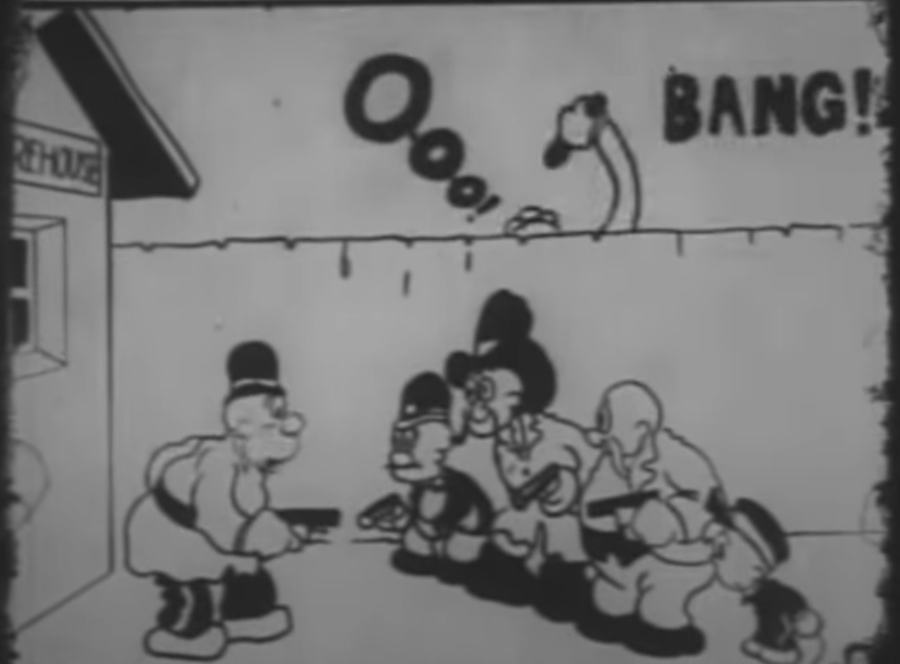
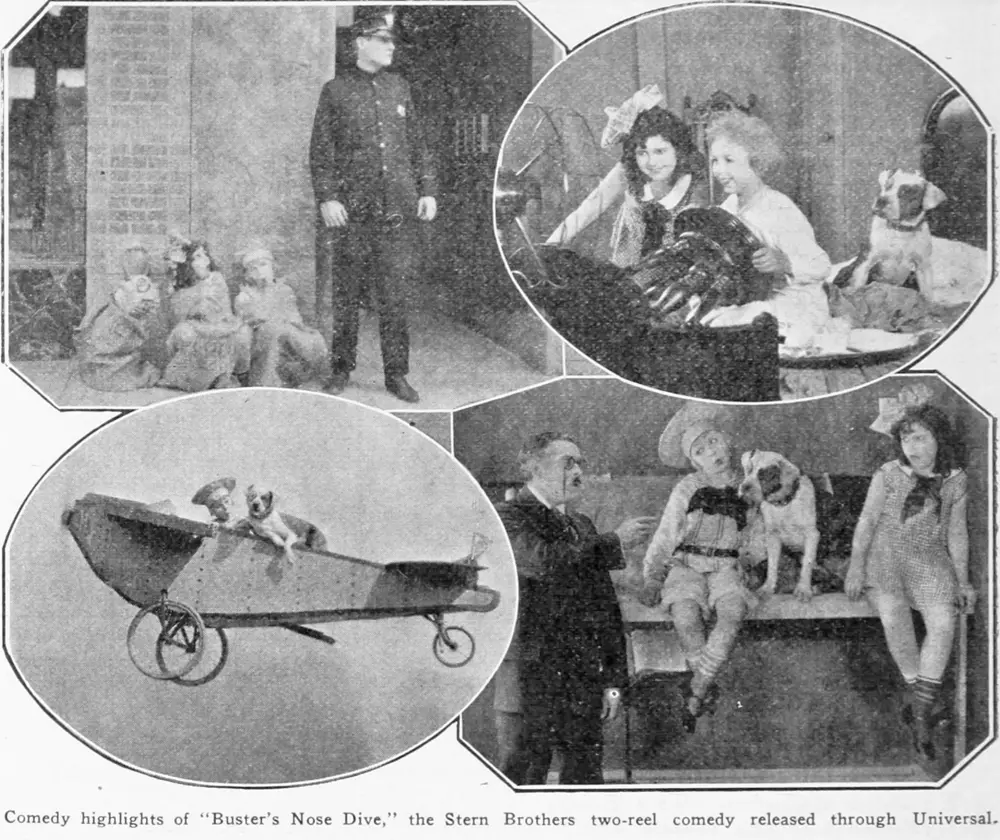
At its core, 'Buster's Nose Dive' is a testament to the boundless, often destructive, energy of childhood. The narrative, penned by Richard F. Outcault, isn't aiming for profundity; it's a vehicle for escalating chaos. We meet Buster, portrayed by Arthur Trimble, as a pint-sized hero, rescuing Mary Jane (Doreen Turner) from her unruly mount. This opening sequence, brief as it is, establishes Buster's proactive nature and hints at the whirlwind that will soon follow. It’s a simple setup, but effective in painting a picture of a boy who acts rather than observes.
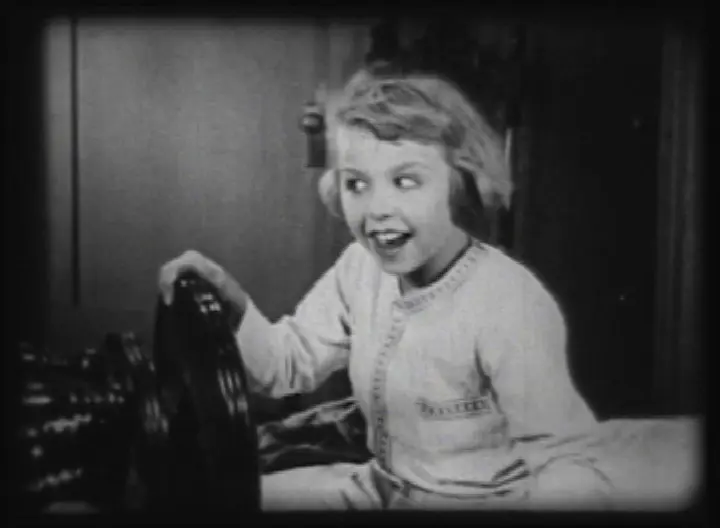
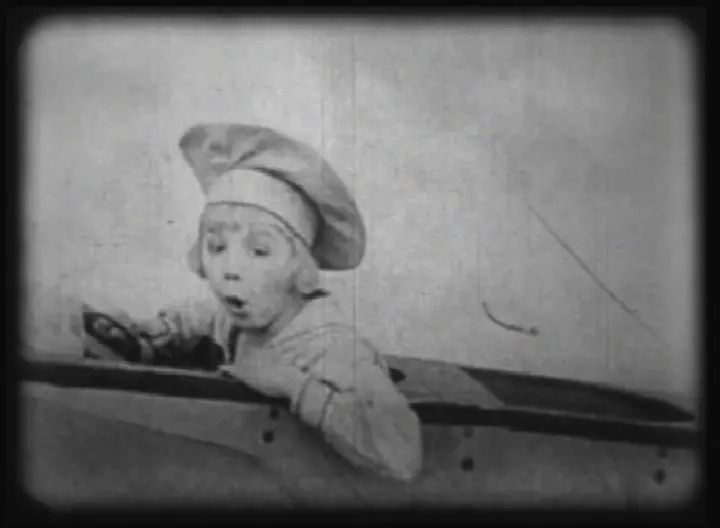
Buster’s subsequent act of industrial espionage – swiping his father’s airplane blueprints – is the inciting incident that propels the film into its fantastical realm. His homemade aircraft, a bizarre fusion of domesticity and ambition, featuring a bed, a piano stool, and an electric fan, is a stroke of pure, unadulterated silent-era genius. It’s a visual gag that speaks volumes about the innocence and audacity of its protagonist, a child’s dream literally cobbled together from whatever’s at hand.
The film then shifts into a series of escalating misadventures. The spare tire sequence, with Buster tumbling through traffic, is a masterpiece of rudimentary stunt work. It’s a scene that, despite its age, still evokes a genuine sense of peril and the absurd. The destruction within his father’s office, caused by a model airplane’s propeller, pushes the boundaries of believability even for a silent comedy, yet it works within the film's established logic of childlike mayhem.
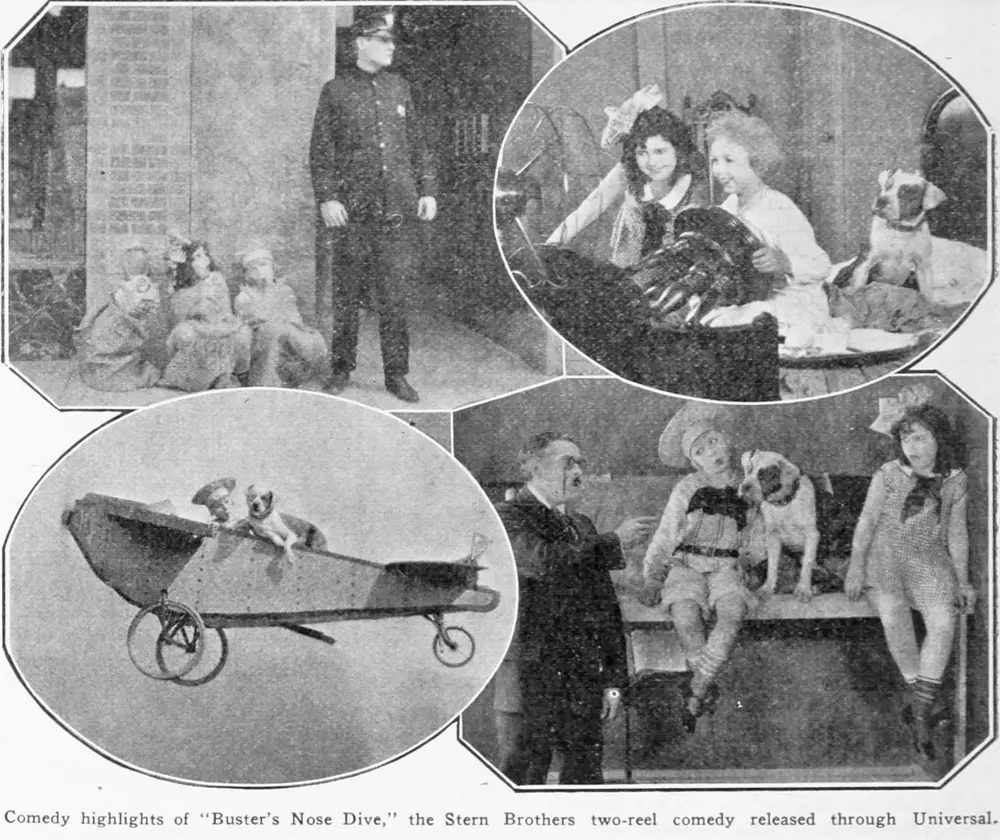
The climax, an uncontrolled flight through town, pursued by his frantic father, is the narrative’s peak. It’s a grand, implausible spectacle that culminates in the inevitable, yet satisfying, destruction of Buster’s invention. The plot doesn't aim for subtlety; it aims for spectacle and achieves it with charming, if primitive, gusto. It’s a story told through action, an admirable trait for a film from this era.
The acting in 'Buster's Nose Dive' is, as expected for a silent film of this vintage, broad and physical. Arthur Trimble as Buster embodies the quintessential mischievous child. His expressions are clear, his movements energetic, and he carries the film's central comedic weight with surprising confidence. He’s not a nuanced performer by modern standards, but he perfectly captures the spirit of a boy driven by invention and a complete lack of foresight. Watch his wide-eyed wonder as he constructs his flying machine, or the sheer panic mixed with thrill during the spare tire incident; it’s all communicated with a directness that transcends the lack of dialogue.
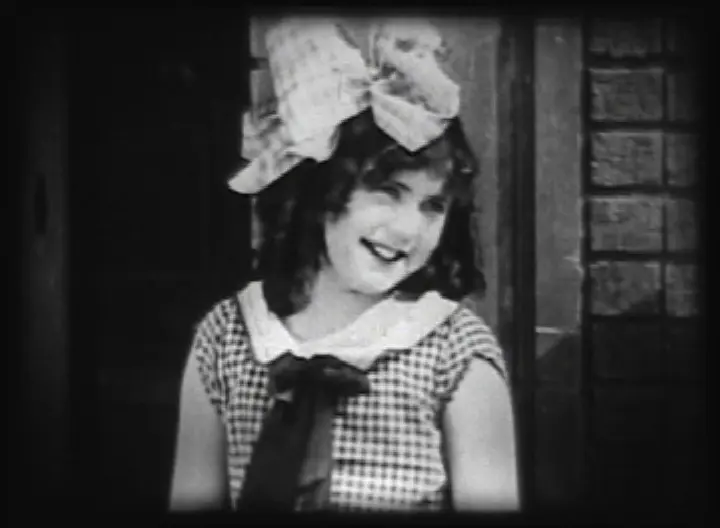
Doreen Turner, as Mary Jane, serves primarily as the damsel-in-distress in the opening scene and a loyal, if somewhat passive, companion thereafter. Her role is less active, more reactive, but she provides a necessary anchor for Buster’s more outlandish antics. Her presence adds a touch of innocent charm, a foil to Buster's unbridled energy. It's a performance that doesn't demand much, but delivers what is needed for the narrative to progress.
However, the true standout, and an undeniable scene-stealer, is The Wonder Dog Pal, credited as Tige. Animal performers in early cinema often provided a unique, unpredictable element, and Tige is no exception. His participation in Buster's escapades, from riding the spare tire to being co-pilot in the flying machine, adds an extra layer of comedic absurdity. There’s a particular moment when Tige, seemingly bewildered but loyal, sits patiently in the makeshift plane as it causes havoc, which elicits genuine chuckles. His reactions feel authentic, a testament to the animal training of the era and the inherent charm of a dog caught up in human folly. He doesn't just observe; he participates, lending an unexpected depth to the slapstick.
The direction of 'Buster's Nose Dive', while uncredited, demonstrates a clear understanding of silent comedy's visual language. The film relies heavily on physical gags and exaggerated reactions, a hallmark of the era. The camera work is largely static, as was common, but it's used effectively to frame the action. There's a particular skill in how the film stages the escalating destruction, from the relatively contained chaos of Buster's initial rescue to the widespread mayhem of the flying machine's rampage.
Consider the sequence where Buster's spare tire rolls through town. The camera positions itself to capture the frantic movement of the tire amidst genuine street traffic, creating a dynamic sense of motion and danger. This wasn't achieved with complex CGI, but with practical effects and clever staging, a testament to the ingenuity of early filmmakers. It feels
IMDb —
1922
Community
Log in to comment.