DbcultAccessing Vault...
7.1/10
Senior Film Conservator
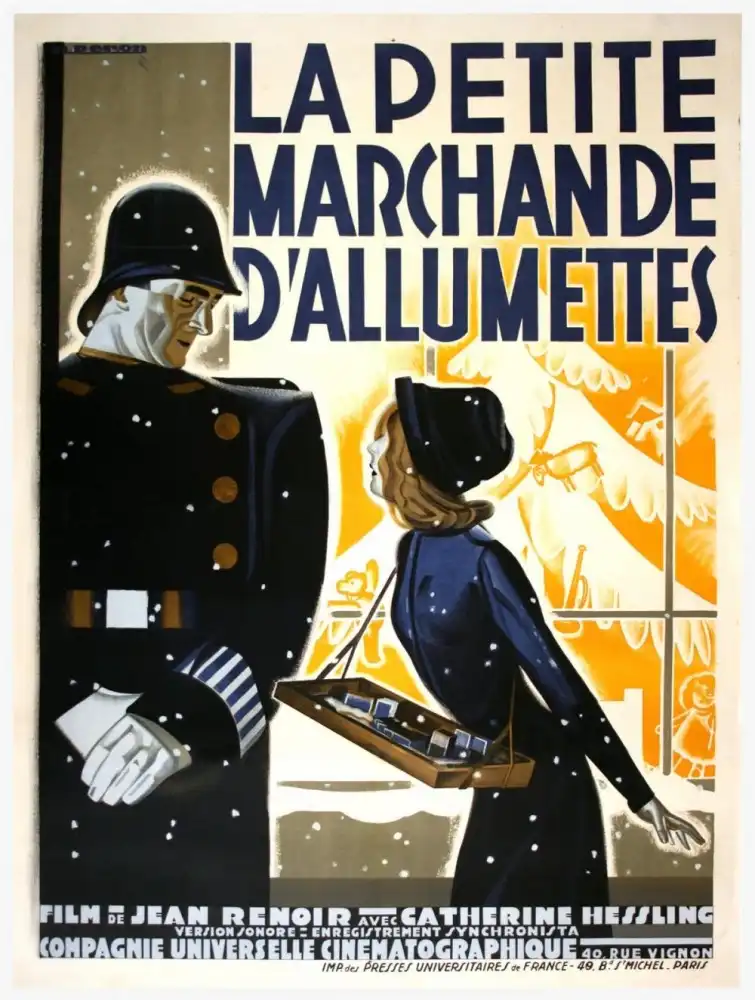
A definitive 7.1/10 rating for a film that redefined the boundaries of cult cinema. The Little Match Girl remains a cornerstone of transgressive art.
Jean Renoir's 1928 silent adaptation of Hans Christian Andersen's The Little Match Girl is, first and foremost, a film for silent cinema enthusiasts, Renoir completists, and those with a keen interest in early cinematic surrealism. For this specific audience, it's an absolutely fascinating watch, offering a unique blend of stark realism and dreamlike fantasy that feels both of its era and remarkably prescient. However, for viewers accustomed to modern narrative pacing or those seeking straightforward character development, its allegorical nature, deliberate rhythm, and the conventions of silent acting might prove challenging. It’s a historical document of a master director's nascent style, more than a universally accessible crowd-pleaser.
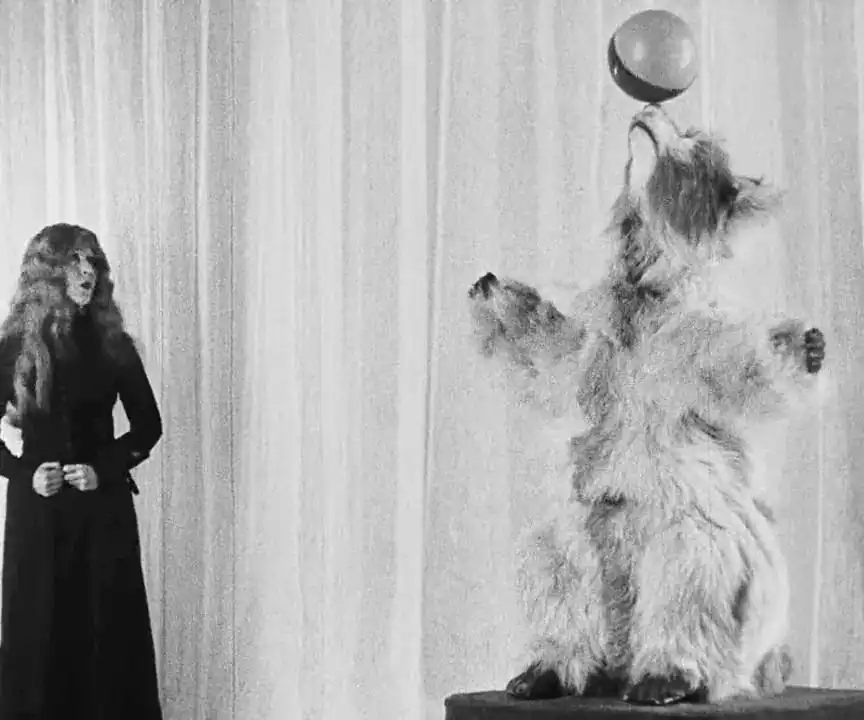
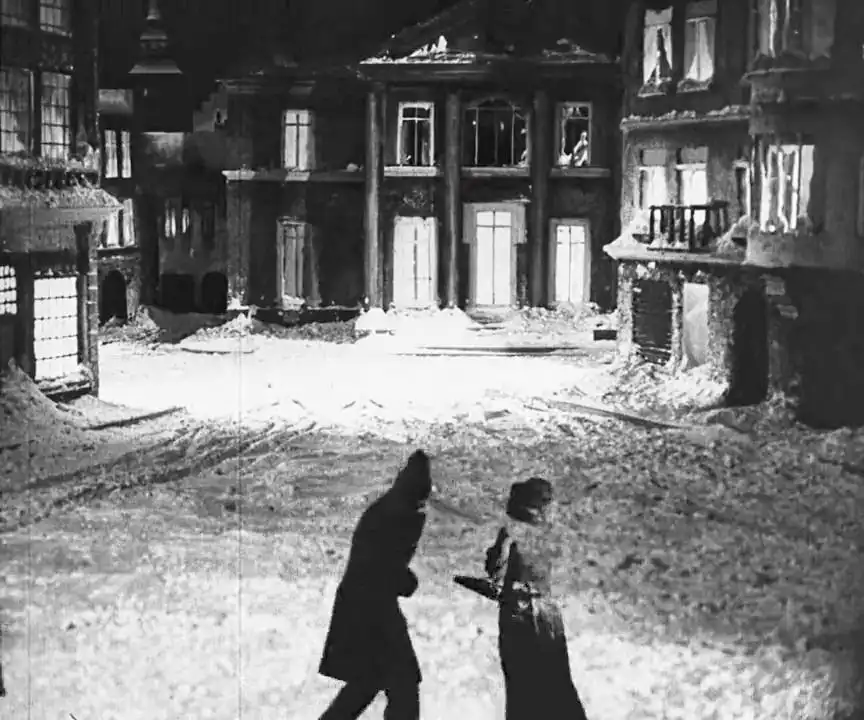
What immediately strikes about Renoir's interpretation is its bold visual ambition. The film opens in a stark, snow-swept street, capturing the biting cold and indifference of New Year's Eve with a palpable sense of isolation. The street scenes are grimy, populated by hurried, faceless figures, emphasizing the girl's utter vulnerability. But it's in the transition to the match-flame visions that Renoir truly unleashes his early directorial prowess. Using superimposition and elaborate set design, he crafts a series of increasingly elaborate dreamscapes.
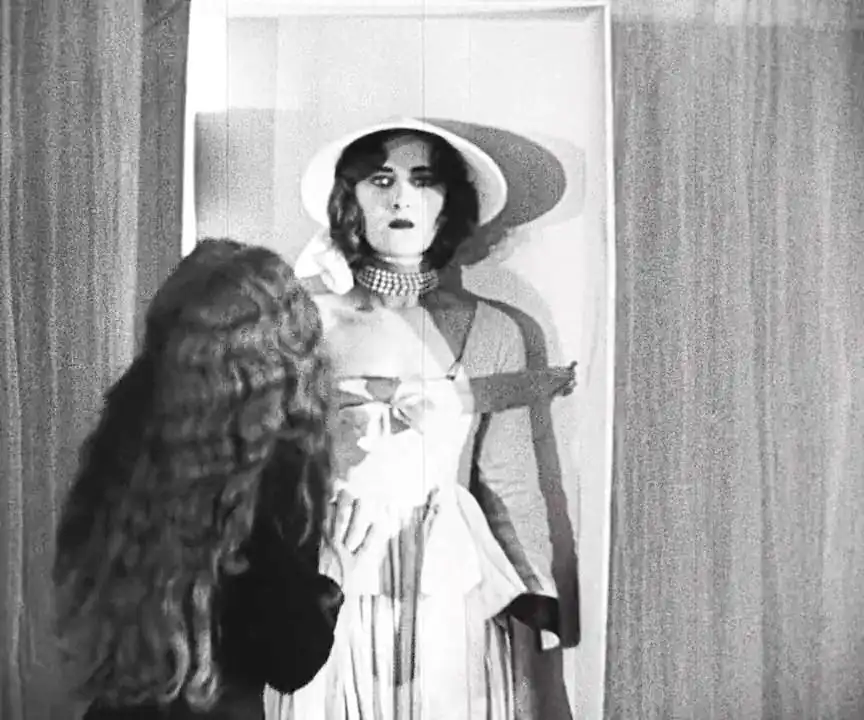
The first vision, ignited by a single match, conjures a lively world of toy soldiers, depicted with an almost stop-motion-like, jerky animation that gives them a distinct, uncanny quality. They move with a charming, almost puppet-like stiffness, a detail that grounds the fantasy in a child's imagination. This quickly gives way to more opulent, almost carnival-esque scenes: a lavish feast, a ballroom where dancers glide past in an ethereal haze, all bathed in a soft, diffused light that contrasts sharply with the harsh, flat lighting of the street. Renoir's camera feels unbound in these sequences, gliding and weaving through the fantastical settings, creating a sense of wonder and tragic escapism.
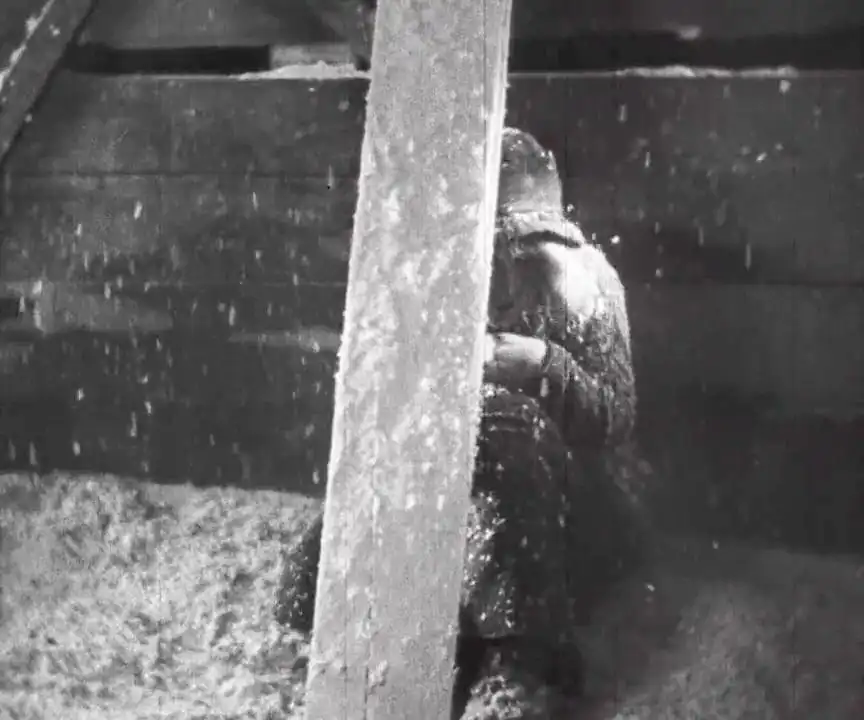
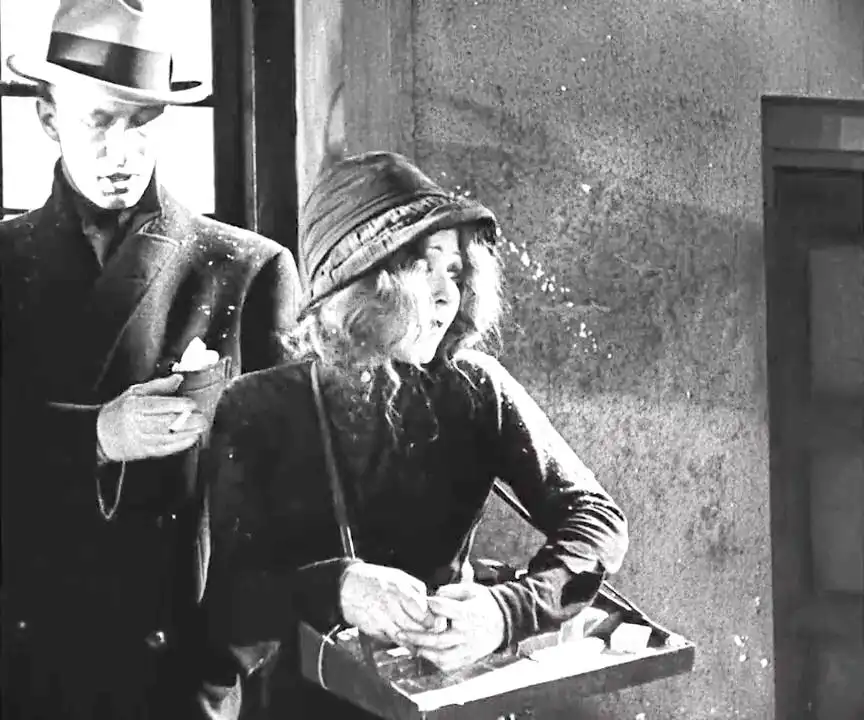
At the center of this visual tapestry is Catherine Hessling, Renoir's then-wife, who embodies the eponymous Match Girl. Hessling's performance is, as expected for the era, highly stylized and expressive. Her gaunt face and wide, often tear-filled eyes convey a profound sense of suffering and yearning. There's a particular shot where she shivers, huddled against a wall, her breath visible in the freezing air, that captures the sheer physical torment of her situation without a single intertitle. When she strikes the matches, her face transforms, moving from desperation to a look of pure, childlike wonder and then, often, a fleeting sadness as the vision fades. Her movements, particularly in the dream sequences, become lighter, almost balletic, suggesting the liberation her imagination offers.
While some of her reactions might strike modern viewers as overly theatrical, her commitment to the character's emotional arc is undeniable. She effectively anchors the film's pathos, making the viewer feel the weight of her cold and hunger, and the brief, bittersweet joy of her hallucinations.
The film's pacing is deliberate, a common trait of silent cinema, but Renoir uses it to emphasize the stark division between reality and fantasy. The initial street scenes, with their long takes of the girl struggling and being ignored, can feel protracted. This is not a flaw, but a conscious choice to build a sense of monotonous despair. The slow, almost agonizing wait between each strike of a match amplifies the desperation.
Once a match is lit, however, the film's rhythm shifts dramatically. The dream sequences are often quicker, more dynamic, almost overwhelming in their visual information. This stark contrast in pacing is crucial to the film's emotional impact, mirroring the girl's brief, intense escapes from her grim reality. The tonal shifts from brutal realism to ethereal fantasy are handled with surprising grace, though the abruptness of some transitions can occasionally be jarring, pulling the viewer back to the cold street with a sudden jolt.
The primary strength of The Little Match Girl lies in its visual innovation and its ability to conjure profound emotion through purely cinematic means. Renoir's early use of special effects to create a believable, yet fantastical, dream world is remarkable for its time. The recurring motif of the match flame itself—its brief, warm glow against the darkness—is beautifully utilized, not just as a narrative device but as a visual metaphor for hope and transient beauty. The film's ending, while true to Andersen's bleak source material, manages to find a sense of peace and transcendence, culminating in a poignant, almost angelic ascent.
However, the film isn't without its weaknesses. Beyond Hessling, many of the supporting performances are quite stiff, serving more as background figures than as characters with any depth. The allegorical figures in the later dream sequences, such as the personification of Death, while visually striking with their almost clown-like, eerie masks, sometimes feel less impactful than the earlier, more childlike visions. Their movements can be a little clunky, pulling the viewer slightly out of the otherwise seamless fantasy. The narrative, by its very nature, is simple, and viewers seeking complex plotlines or psychological depth beyond the fable will likely find it wanting. It’s a film that asks you to surrender to its visual poetry, rather than its storytelling.
For those willing to engage with the unique language of silent cinema, Jean Renoir's The Little Match Girl is a genuinely rewarding experience. It's a visually rich, deeply poignant film that showcases a master director experimenting with form and emotion long before his more celebrated works. It stands as a testament to the power of visual storytelling and the enduring resonance of Andersen's tragic tale, filtered through Renoir's distinct, humanistic lens. It may not be a film for everyone today, but for its specific audience, it remains a vital and moving piece of cinematic history.
IMDb 5.8
1915
Community
Log in to comment.