DbcultAccessing Vault...
5.7/10
Senior Film Conservator
A definitive 5.7/10 rating for a film that redefined the boundaries of cult cinema. Annie Laurie remains a cornerstone of transgressive art.
If you like old black-and-white romances that aren't afraid to be a little bit cheesy, you'll probably like this. It’s got that specific, slightly stuffy energy that only 1930s period pieces seem to possess. If you hate slow-burn dramas or people staring intensely at each other across foggy hills, you’re going to be bored to tears within twenty minutes.
The whole thing feels like it was filmed in someone’s backyard, but in a charming way. There’s a lot of running through heather and looking concerned while wearing elaborate period costumes. Sometimes I wondered if the actors were actually cold, or if they were just acting really hard.
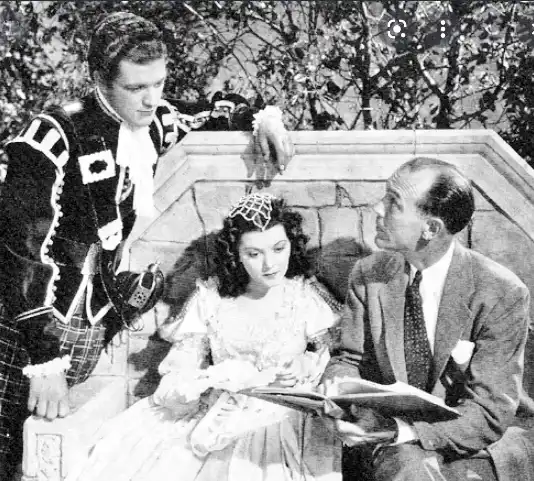
There is this one scene where they are just talking near a stone wall, and the lighting is so dramatic it’s almost distracting. You can see the shadows shift in a way that feels totally unnatural. It’s weirdly beautiful, even if it makes no sense for the time of day.
I couldn't help but compare it to Exit Smiling, just because the transition from light-hearted stagey stuff to these heavy, historical dramas is always so jarring. There is none of that wit here, just pure, unadulterated earnestness. It makes me miss the days when people just looked at each other and knew it was true love without needing a fifteen-minute speech about clan loyalties.
The pacing is a bit of a mess. It stops and starts like a car with a bad transmission. One minute we’re in the middle of a war, the next we’re having tea. I’m not saying it’s bad, but it’s certainly not focused. It reminded me a little of The Texas Tornado in the way it just throws stuff at you to see what sticks.
Is it a masterpiece? No. Is it the kind of thing you put on when you want to feel like you’re watching a dusty, old storybook come to life? Absolutely. Just don't go in expecting a history lesson. It’s a song turned into a movie, and it plays out exactly like you’d expect. 🎻