DbcultAccessing Vault...
6.4/10
Senior Film Conservator
A definitive 6.4/10 rating for a film that redefined the boundaries of cult cinema. Down Home remains a cornerstone of transgressive art.
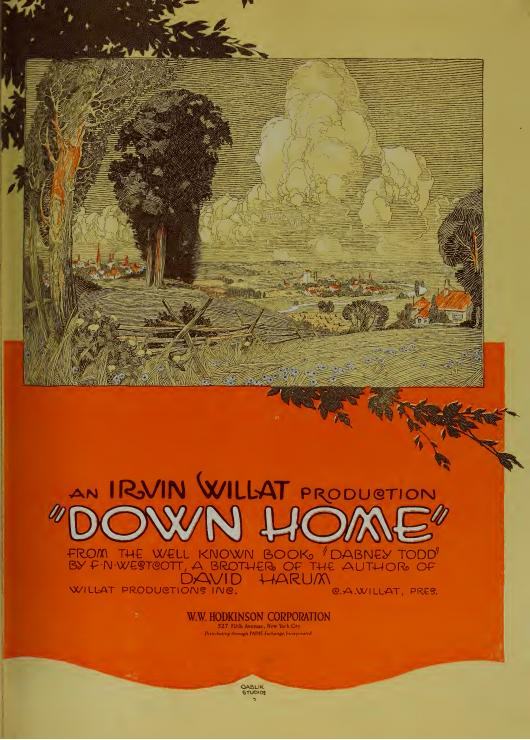
The flickering images of early cinema often serve as invaluable windows into the societal mores and moral preoccupations of their era, and the 1920 drama, Down Home, is no exception. Directed by Irvin Willat and penned by F.N. Westcott and Willat himself, this silent film delves into a world where reputation is currency, and the struggle for personal integrity against the backdrop of rural America’s harsh realities forms the very bedrock of its narrative. It’s a compelling piece, not merely for its historical significance but for its surprisingly nuanced portrayal of character and the timeless themes it so eloquently explores. As a keen observer of cinematic history, I find myself drawn to these early works, particularly when they manage to transcend their technical limitations to deliver a story that resonates across generations.
At its core, Down Home is a story of a young woman, Nance Pelot, portrayed with a compelling blend of vulnerability and steely resolve by Barbara Bedford. Nance’s life is an uphill battle from the outset. Her father, Joe, played by William Sloan, is the town drunk, a character whose failings cast a long, unforgiving shadow over Nance’s own standing. This immediate social handicap is compounded by her occupation: a piano player in Larry Shayne’s (Bert Hadley) unsavory roadside inn. In the rigid social hierarchies of the time, such a profession, especially for a woman, was tantamount to a scarlet letter, irrevocably staining one’s reputation. This initial setup is crucial, establishing the formidable societal barriers Nance must surmount, echoing the struggles of other strong female leads in films like The Woman, where protagonists often grapple with external judgments and the constraints of their prescribed roles.
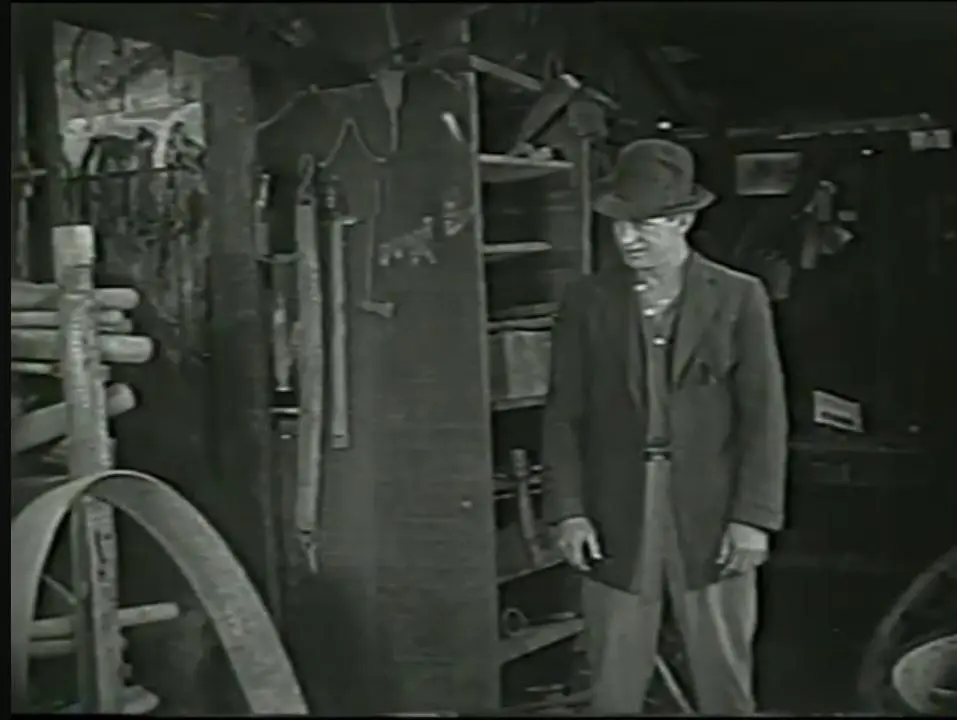
The film masterfully illustrates the pervasive power of public opinion. Chet Todd (James Robert Chandler), the son of a respectable shop owner, harbors a genuine affection for Nance. Their connection is palpable, a flicker of hope in Nance’s otherwise bleak existence. However, Chet’s mother, embodying the conventional morality of the community, vehemently disapproves of Nance. Her son, she believes, deserves a woman of unblemished reputation, not one associated with the seedier elements of society. This conflict is a classic cinematic trope, yet in Down Home, it feels acutely felt, highlighting the profound impact of societal judgment on individual relationships and aspirations. The silent era, with its reliance on visual storytelling and melodramatic conventions, was particularly adept at conveying such emotional turmoil through expressive acting and stark contrasts.
The narrative truly shifts gears with Nance’s inheritance of a small farm from her mother. This seemingly modest bequest becomes the fulcrum upon which the entire plot pivots. The farm is not just land; it represents a tangible link to her past, a potential anchor for her future, and, crucially, a symbol of independence. However, this glimmer of hope quickly attracts the attention of the opportunistic Larry Shayne. Shayne, a character painted with broad strokes of villainy, discovers the property’s true value – perhaps due to an overlooked resource or strategic location – and immediately sets about devising a scheme to defraud Nance of her rightful inheritance. This introduces a tangible external threat, elevating the stakes beyond mere social acceptance to a battle for economic survival. The film, in this regard, touches upon the predatory nature of greed, a theme that resonates even in contemporary cinema.
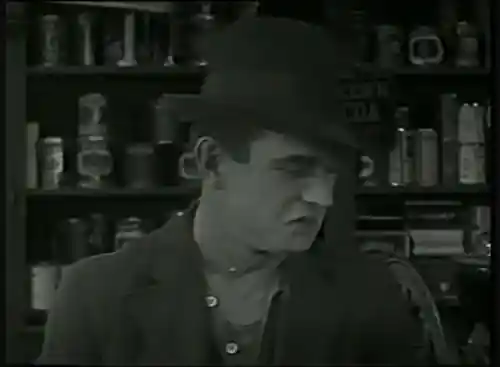
The subsequent "series of misadventures" are where Down Home truly earns its stripes as a captivating silent drama. The film employs a narrative structure that builds tension through a succession of crises, each pushing Nance closer to her breaking point, yet ultimately contributing to her growth and the eventual resolution. One of the most striking elements is the revival meeting. These gatherings were powerful social and spiritual phenomena in early 20th-century America, and the film harnesses that energy to deliver a pivotal moment: Joe, Nance’s father, finds redemption and ceases his drinking. This transformation is not merely a convenient plot device; it’s a profound shift that not only alleviates Nance’s burden but also represents a symbolic cleansing, a shedding of the past that has held her captive. It highlights the film's belief in the possibility of individual change and the power of communal support, however fleeting.
The climax is underscored by a blinding snowstorm, a classic dramatic device that isolates characters and heightens the sense of peril. It's during this storm that Chet Todd, stepping up from romantic interest to bona fide hero, rescues the farm from Shayne’s clutches. The storm itself becomes a metaphor for the turbulence Nance has endured, and Chet’s actions represent the clearing skies, the triumph of good over evil. This sequence likely provided some of the most visually dynamic moments of the film, leveraging the natural elements to amplify the narrative’s tension. The dramatic rescue is a testament to the power of unwavering support and the courage found in defending what is right, themes that resonate with the resolute spirit seen in films like The Chalice of Courage.
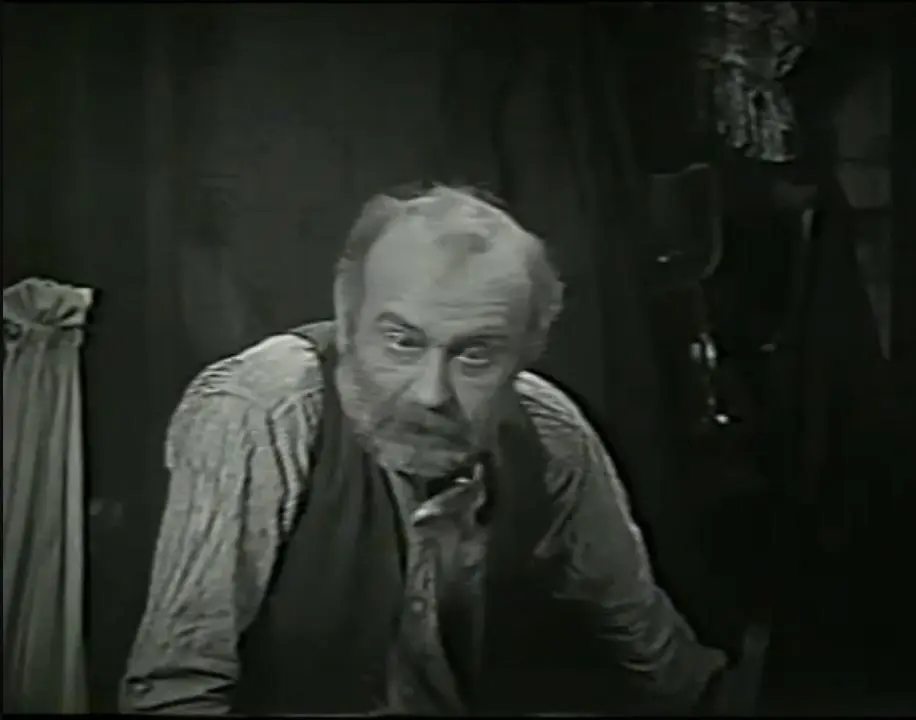
The resolution of Down Home is deeply satisfying, providing a clear trajectory of Nance’s journey from social pariah to respected member of the community. Her decision to sell the property, rather than merely retaining it, is a shrewd move that secures her financial independence. This act of self-determination is crucial; it’s not just about getting the farm back, but about leveraging it to create a new, respectable income. This economic empowerment is the final piece of the puzzle, allowing her to gain not only financial stability but also the respect of the community. The transformation of her future mother-in-law's opinion is the crowning achievement, a symbol of Nance’s full societal rehabilitation. It’s a powerful message: true respect is earned through integrity and action, not merely ascribed by birth or initial circumstance.
The performances, particularly Barbara Bedford’s Nance, are central to the film’s lasting appeal. In the silent era, actors communicated primarily through exaggerated gestures, facial expressions, and body language. Bedford likely conveyed Nance’s quiet suffering, her burgeoning hope, and her eventual triumph with a compelling intensity that would have captivated audiences. The supporting cast, from the blustering villainy of Bert Hadley’s Shayne to the earnest devotion of James Robert Chandler’s Chet, would have contributed to the rich tapestry of small-town life, making the stakes feel real and immediate. The visual storytelling, through intertitles and carefully composed shots, would have guided the audience through this emotional landscape with considerable skill.
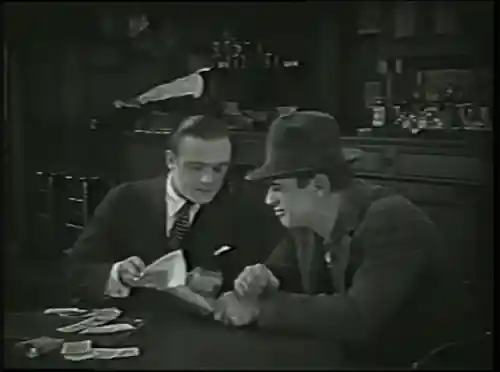
Down Home is rich in thematic resonance. It explores the rigid class structures of early 20th-century America, where one's family background and profession could irrevocably determine social standing. Nance’s struggle is a microcosm of a broader societal battle against prejudice and the unforgiving judgment of others. The film champions the idea that character, rather than circumstance, ultimately defines an individual. Her journey is one of redemption, not just for herself in the eyes of the community, but also for her father, whose transformation mirrors her own ascent. This dual redemption narrative adds a layer of emotional depth, suggesting that even deeply ingrained vices can be overcome, and that familial bonds, though strained, can ultimately be healed.
Moreover, the film subtly critiques the hypocrisy inherent in societal judgment. While Nance is ostracized for her profession, the true villain, Shayne, operates with impunity until directly challenged. This contrast underscores the often-unjust nature of public perception, where appearances can often overshadow true moral character. The film suggests that genuine virtue lies not in adhering to superficial standards but in demonstrating courage, integrity, and resilience in the face of adversity. This moral compass is a recurring feature in many silent films, which often used clear-cut good vs. evil narratives to explore complex social issues.
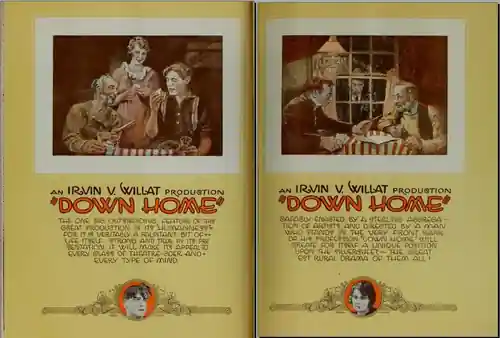
As a cinematic artifact, Down Home offers more than just a quaint glimpse into the past. It provides a blueprint for effective storytelling, demonstrating how a compelling narrative, strong characters, and universal themes can transcend the limitations of silent film technology. It reminds us that the fundamental human struggles – for acceptance, love, security, and dignity – are timeless. While it might not possess the grandiosity of epics like The Golem or the intricate character studies of later films, its straightforward yet emotionally potent narrative holds a particular charm.
The film’s enduring relevance lies in its exploration of themes that continue to resonate today: the battle against prejudice, the importance of financial independence, and the transformative power of personal growth. Nance Pelot's journey from a marginalized figure to a respected member of her community is a powerful testament to the human spirit's capacity for resilience. It's a story that, despite its century-old vintage, still speaks volumes about the challenges of overcoming adversity and forging one's own path in a world quick to judge. For those interested in the evolution of cinematic narrative and the socio-cultural landscape of early 20th-century America, Down Home is an essential watch, a silent film that speaks volumes without uttering a single word.
In conclusion, Down Home is a robust example of early American cinema that skillfully weaves together melodrama, social commentary, and a compelling narrative of personal triumph. Its strength lies in its ability to create relatable characters facing very real, albeit period-specific, challenges. The film's message of perseverance and the ultimate vindication of good character over societal prejudice remains as potent today as it was a hundred years ago. It serves as a poignant reminder that even in the most challenging circumstances, courage, integrity, and a little bit of luck can pave the way to a brighter future. It’s a film that quietly asserts the dignity of the individual against the crushing weight of circumstance and judgment, leaving an indelible mark on the viewer long after the final title card fades.
IMDb 6.6
1933
Community
Log in to comment.