DbcultAccessing Vault...
6.7/10
Senior Film Conservator
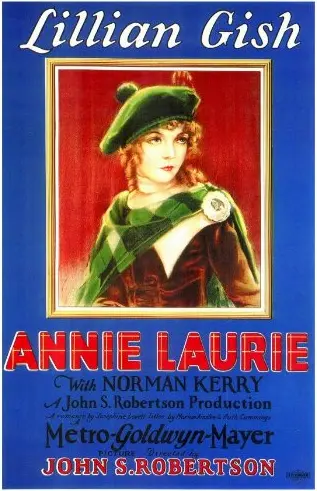
A definitive 6.7/10 rating for a film that redefined the boundaries of cult cinema. Annie Laurie remains a cornerstone of transgressive art.
Is this silent epic worth a watch in the modern age? Short answer: yes, but primarily for those who appreciate the technical artistry of the late silent era and the unparalleled expressive power of Lillian Gish. It is a film that demands patience but rewards the viewer with a visceral sense of scale that few modern CGI-heavy epics can replicate.
This film is for historians of the medium, Gish completists, and those who enjoy grand, tragic romances. It is NOT for viewers who find the deliberate pacing of 1920s cinema tedious or those seeking a strictly factual account of Scottish history.
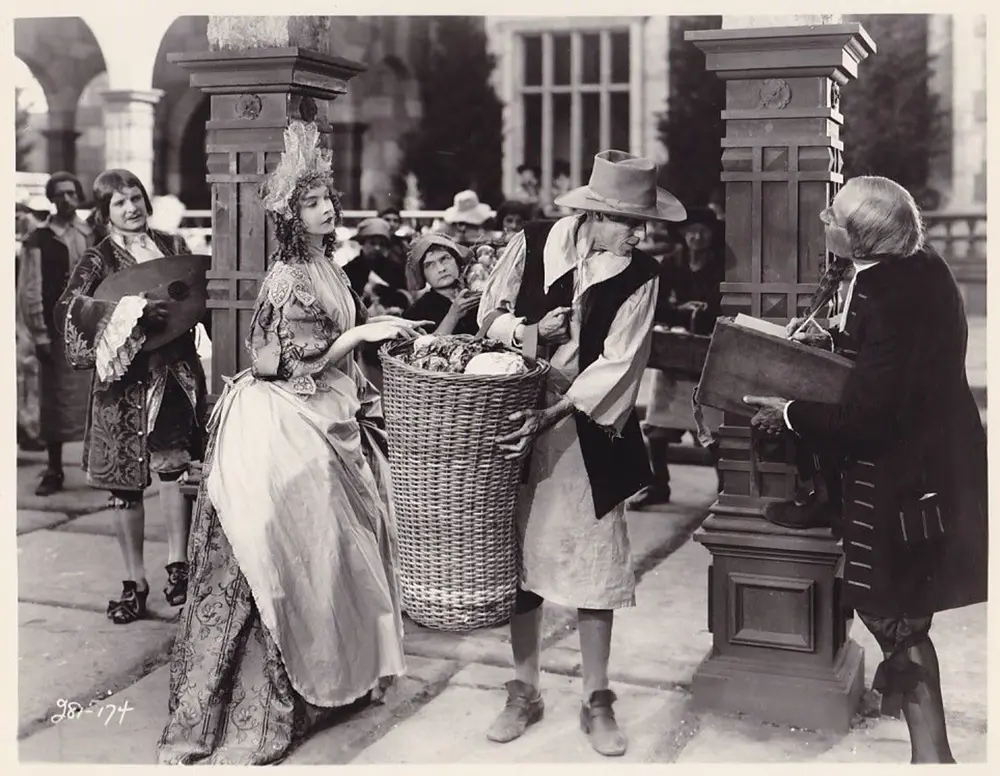
1) This film works because Lillian Gish provides a grounded, emotional center to a story that could have easily devolved into cartoonish melodrama.
2) This film fails because the middle act becomes bogged down in repetitive clan skirmishes that lack the narrative momentum of the opening.
3) You should watch it if you want to see the foundational DNA of the historical epic genre, long before the digital age stripped away the tactile reality of filmmaking.
Lillian Gish was often called the 'First Lady of American Cinema,' and in Annie Laurie, she proves why that title was earned. Unlike her work in Remodeling Her Husband, where the tone was lighter, her performance here is heavy with the weight of impending doom. She doesn't just act; she vibrates. Every flicker of her eyelids during the scenes of clan negotiation conveys a depth of anxiety that dialogue would only dilute.
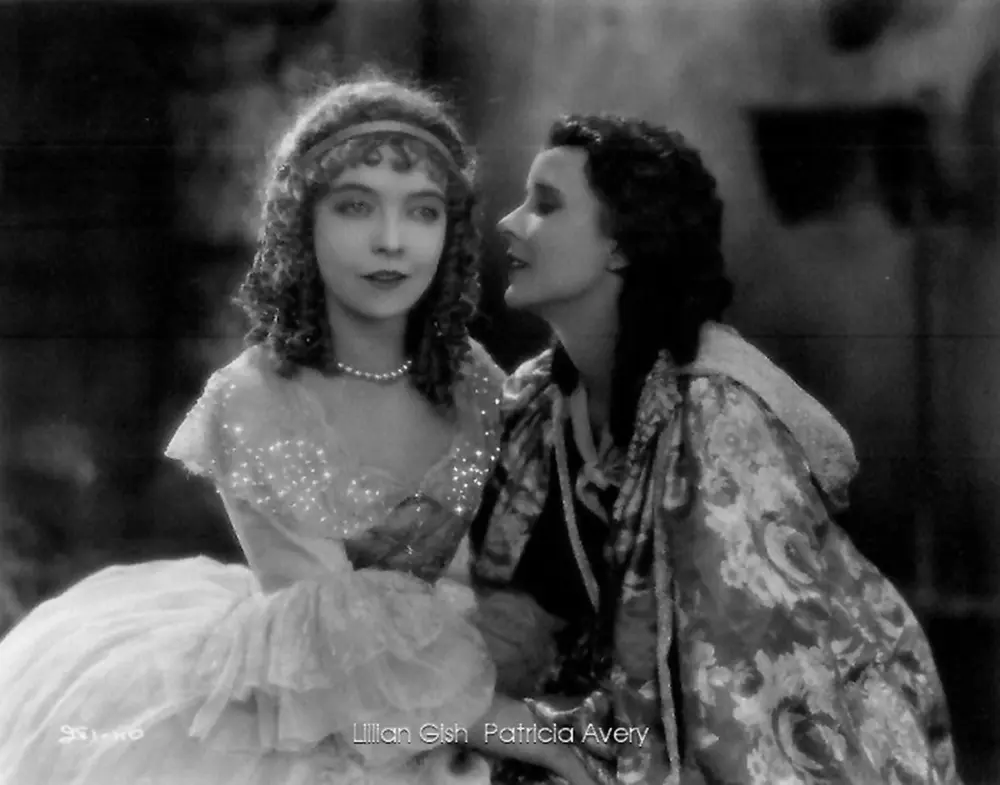
Consider the moment Annie realizes the treachery of her own kin. The camera lingers on her face, capturing a transition from filial loyalty to horrified realization. It is a masterclass in silent storytelling. Gish uses her entire body to communicate the physical toll of her character's internal conflict. It works. But it’s flawed. Sometimes the theatricality of the era creeps in, but Gish usually manages to pull it back into something human and relatable.
The cinematography in Annie Laurie is surprisingly ambitious for 1927. The use of natural light to illuminate the Scottish Highlands—actually filmed in California, though you’d hardly know it—creates a sense of isolation and grandeur. The wide shots of the Macdonald clansmen descending the hills are reminiscent of the scale found in The Covered Wagon, showcasing a period where Hollywood was obsessed with the vastness of the frontier, whether that frontier was American or Scottish.
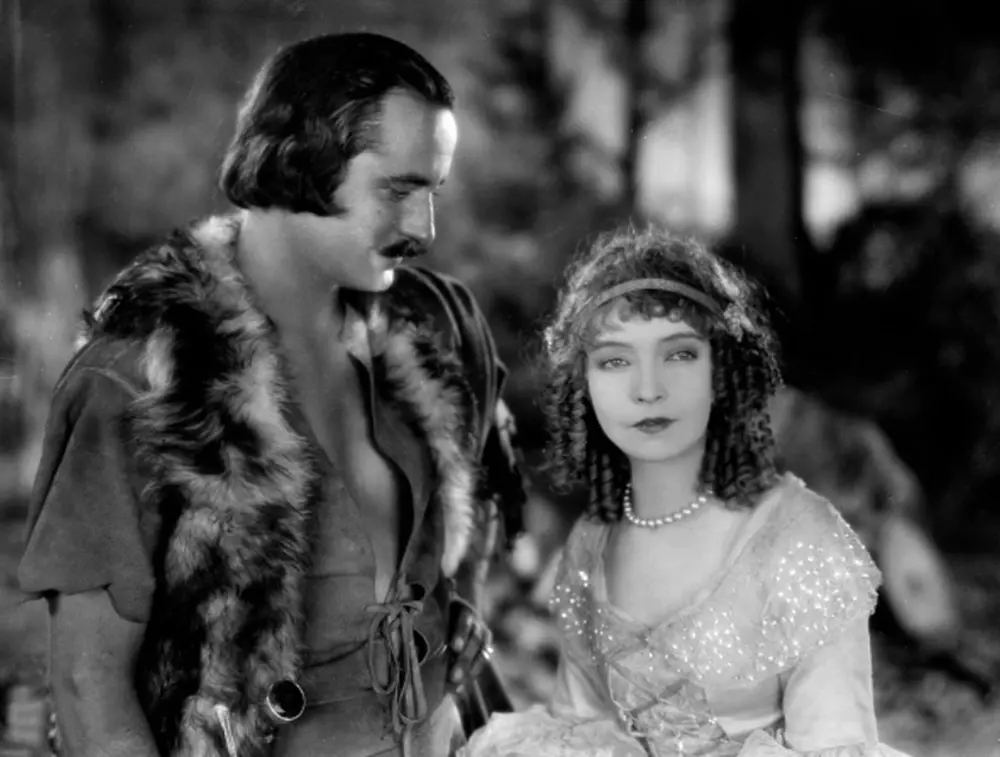
Director John S. Robertson utilizes deep focus in several interior scenes at the Campbell stronghold. This allows the audience to see the political machinations happening in the background while Annie remains the focal point in the foreground. It’s a sophisticated technique that highlights the character’s entrapment. She is literally and figuratively boxed in by the men who would use her as a political pawn.
While the film takes significant liberties with the timeline of the Macdonald and Campbell feud, it captures the spirit of tribalism with brutal clarity. The depiction of the Campbell clan is particularly harsh. They are portrayed as calculating and cold, a stark contrast to the more 'savage' but honorable Macdonalds. This binary opposition is a common trope of the era, but it serves the dramatic needs of a forbidden romance well.
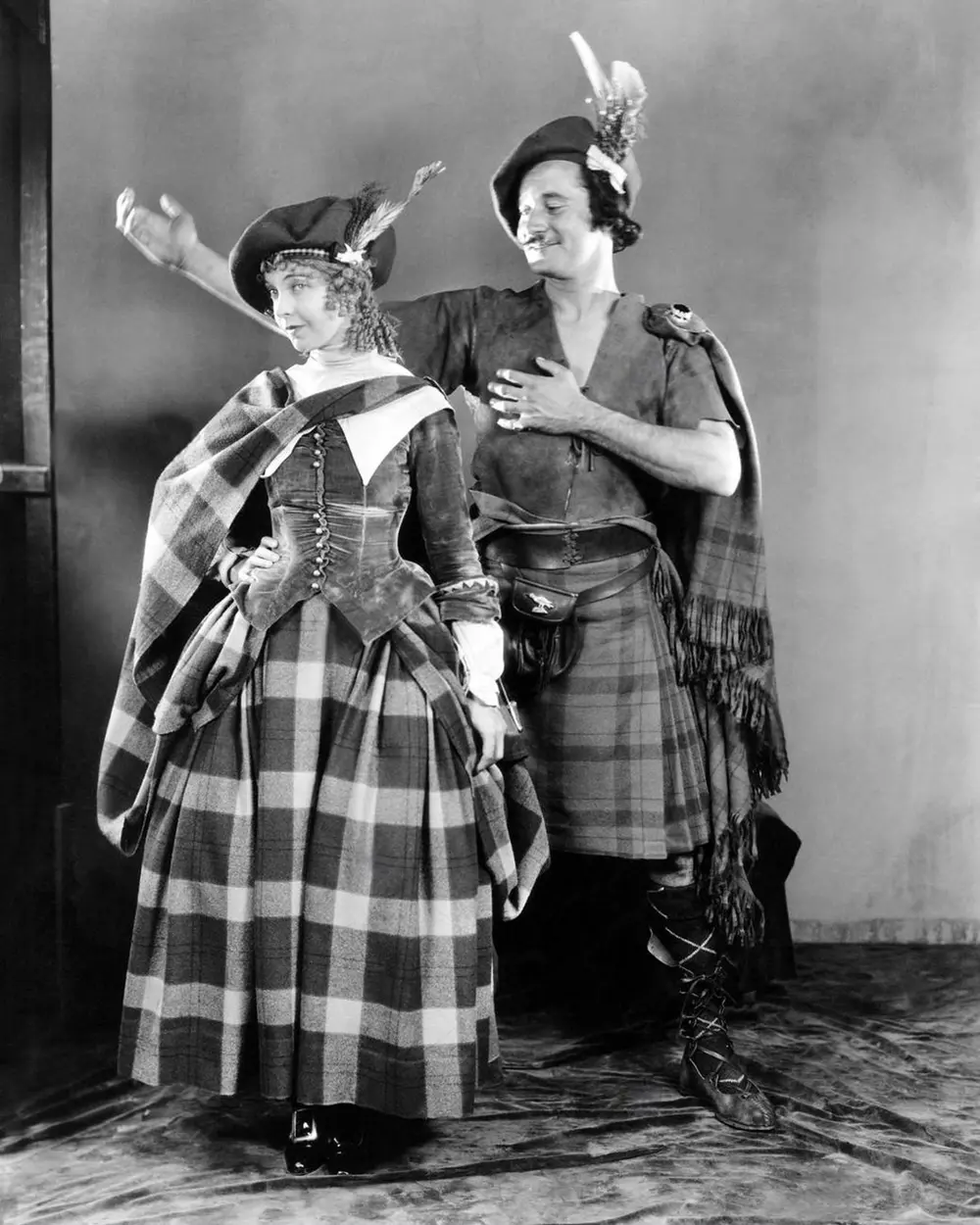
The pacing, however, is where the film shows its age. There are sequences involving messenger rides and clan gatherings that feel unnecessarily long. In a modern context, these would be trimmed to seconds. In 1927, they were meant to build tension. Today, they test the viewer's attention span. Yet, when the action finally erupts, it is choreographed with a chaotic energy that feels surprisingly modern. The final siege is a flurry of kilts, swords, and genuine peril.
Is Annie Laurie a historically accurate depiction of the Glencoe Massacre?
No. It is a romanticized melodrama that uses historical tragedy as a backdrop for a forbidden love story. It prioritizes emotional resonance over factual precision. If you are looking for a documentary, look elsewhere. If you are looking for a visual poem about loyalty and betrayal, this is it.
The film is a fascinating bridge between the early experimental shorts and the massive sound epics that would follow in the 1930s. It has the soul of a stage play but the eyes of a modern blockbuster. The uncredited appearance of a young John Wayne as an extra is a fun Easter egg for film historians, but the real star remains the atmosphere of impending tragedy.
Annie Laurie is a flawed but fascinating relic. It sits in a strange space between the intimate character studies Gish was known for and the massive spectacles of the late 20s. While it doesn't always find its footing—sometimes feeling like a collection of beautiful images rather than a cohesive story—it remains a vital piece of cinema history. It’s a loud movie for a silent one; the clash of swords and the wail of the pipes are almost audible through the screen. Watch it for Gish, stay for the scenery, and forgive the melodrama.
IMDb 6.6
1926
Community
Log in to comment.