DbcultAccessing Vault...
5.5/10
Senior Film Conservator
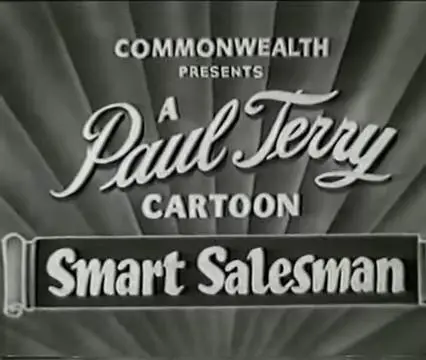
A definitive 5.5/10 rating for a film that redefined the boundaries of cult cinema. The Fable of the Traveling Salesman remains a cornerstone of transgressive art.
The opening frame of The Fable of the Traveling Salesman greets the viewer with a sun‑bleached horizon, the silhouette of a wind‑tossed barn, and the lanky silhouette of a salesman whose elongated limbs seem to stretch toward the sky like a question mark. From the first glance, the film establishes a visual dialect that oscillates between the exaggerated elasticity of early 20th‑century animation and a surprisingly nuanced character study.
Our protagonist, the traveling salesman, is not merely a caricature of a peddler; he is a study in performative persuasion. His voice, a thin, nasal timbre, carries the cadence of a seasoned raconteur, each syllable dripping with the promise of a miracle cure. The screenplay, though uncredited, weaves a narrative that is both simple and layered: a con, a comedy, and a commentary on the gullibility that can accompany rural isolation.
Enter the cat and the mouse, a duo whose chemistry is reminiscent of the classic cat‑and‑mouse chase but subverted for collaborative mischief. The cat, rendered in a dark orange palette, moves with a balletic grace that belies its predatory instincts. Its fur, animated with a subtle sheen, catches the ambient light, creating a visual rhythm that mirrors the salesman’s own persuasive dance. The mouse, a splash of sunny yellow, darts with jittery urgency, its eyes wide with a mixture of fear and excitement. Together, they form a symbiotic partnership that fuels the film’s central ruse.

The plot’s inciting incident occurs when the salesman spots Farmer Al Falfa, a stoic figure cloaked in sea‑blue overalls, laboring over a field of wheat. Al Falfa’s demeanor is one of pragmatic endurance; his brow furrows not from pain but from the weight of unending toil. The salesman seizes this moment, brandishing a bottle of headache remedy with the flourish of a magician unveiling his final trick.
What follows is a meticulously choreographed sequence of deception. The cat pretends to clutch its head, wincing dramatically, while the mouse, perched on a makeshift podium, administers the remedy with a solemnity that borders on the sacred. The visual gag is amplified by a series of acrobatic feats: the cat somersaults over a hay bale, lands on a fence post, and then, in a moment of pure slapstick, slides down a rope made of twine, all the while maintaining the pretense of a throbbing migraine.
The animation’s timing is impeccable. Each pause, each exaggerated eye‑roll, is calibrated to extract maximum comedic impact. The use of squash‑and‑stretch—a hallmark of early animation—adds a tactile sense of weight to the cat’s leaps and the mouse’s scurrying. The background, a deep charcoal that mimics the night sky, provides a stark contrast that makes the characters’ colors pop, ensuring that the visual hierarchy remains clear even amidst the chaos.
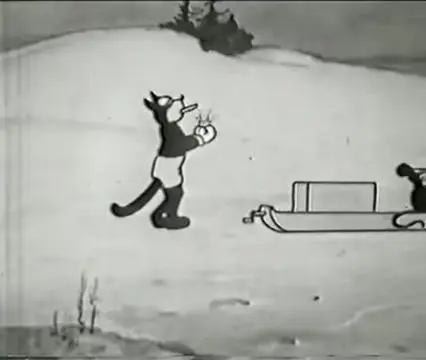
The film’s humor is not merely physical; it is also linguistic. The salesman’s patter, peppered with hyperbolic claims—"One sip and your headache will vanish like mist at sunrise!"—is a nod to the era’s advertising vernacular. This dialogue, while simple, carries an undercurrent of satire that resonates with modern audiences familiar with today’s over‑promised wellness products.
Comparatively, the narrative structure shares DNA with The Frozen North, where a lone wanderer navigates a hostile environment through wit and guile. Both films employ a solitary protagonist whose survival hinges on clever manipulation of the surrounding characters. However, where The Frozen North leans toward stark, almost existential tension, The Fable of the Traveling Salesman embraces levity, using the cat‑mouse duo as a conduit for farcical energy.
Another point of reference is Caste, which explores social stratification through a comedic lens. While Caste interrogates class divisions, our salesman’s scheme subtly critiques the power dynamics between itinerant merchants and isolated farmers, exposing how charisma can eclipse rational skepticism.

The film’s sound design, though limited to a piano‑driven score and occasional sound effects, is purposeful. The plink of a bottle cap, the rustle of hay, and the exaggerated thud of the cat’s landing are synchronized to the visual beats, reinforcing the comedic timing. The score, a jaunty ragtime motif, underscores the salesman’s optimism, while a minor key interlude accompanies Al Falfa’s momentary doubt, creating an auditory cue that mirrors his internal conflict.
From a thematic perspective, the short interrogates the nature of belief. Al Falfa’s eventual purchase of the remedy is less a testament to the product’s efficacy and more an illustration of how spectacle can override rational assessment. The cat’s feigned agony and the mouse’s solemn administration become a performative ritual that convinces the farmer of an invisible ailment’s existence.
The climax arrives when the salesman, cat, and mouse are on the brink of being exposed. A sudden gust of wind dislodges the bottle, spilling the remedy onto the ground. Al Falfa, initially outraged, pauses, watches the liquid seep into the earth, and then, in a moment of unexpected generosity, offers the salesman a modest sum for the “lost” potion. This resolution, while anticlimactic, reinforces the film’s underlying message: even in deception, there can be a strange form of reciprocity.
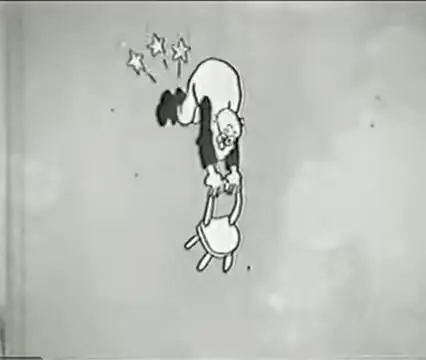
Visually, the final tableau is a study in color balance. The dark orange of the cat, the yellow of the mouse, and the sea‑blue of Al Falfa’s attire converge against the black backdrop, creating a harmonious triadic composition that feels both resolved and open‑ended.
In terms of legacy, The Fable of the Traveling Salesman occupies a niche between pure slapstick and narrative-driven animation. Its influence can be traced to later works such as Jiggs in Society, where a charismatic outsider manipulates a community for personal gain, and The Whip, which similarly employs a charismatic salesman archetype.
The film’s pacing, however, is not without critique. Certain sequences linger longer than necessary, particularly the extended cat‑acrobatic routine, which, while visually impressive, momentarily stalls narrative momentum. A tighter edit could have heightened the tension surrounding the salesman’s con, ensuring that the audience remains engaged throughout the entire arc.

Nevertheless, the short’s strengths outweigh its minor pacing issues. The animation’s fluidity, the clever interplay of color, and the layered satire combine to produce a work that feels both nostalgic and surprisingly contemporary. Its commentary on consumer gullibility predates modern discussions about fake news and viral marketing, making it a prescient piece of cinematic commentary.
For viewers seeking a broader context, The Tales of a Thousand and One Nights offers a comparative study in narrative framing, while Live Sparks provides a parallel in terms of kinetic animation and comedic timing.
The film’s artistic merit is further underscored by its meticulous attention to period‑appropriate design. The farmer’s tools, the barn’s wooden beams, and the salesman’s battered suitcase are rendered with a fidelity that grounds the fantastical elements in a recognizable reality. This grounding allows the audience to suspend disbelief and fully engage with the absurdity of the cat‑mouse performance.
In sum, The Fable of the Traveling Salesman is a masterclass in blending visual comedy with subtle social critique. Its use of color—dark orange for mischief, yellow for innocence, sea‑blue for stoicism—creates a visual language that speaks as loudly as its dialogue. The film invites repeated viewings, each time revealing new nuances in the salesman’s rhetoric, the animal duo’s choreography, and the farmer’s quiet resilience.
For scholars of animation history, the short serves as a touchstone for the evolution of character dynamics and narrative economy. For casual viewers, it offers a delightful escape into a world where a lanky salesman, a daring cat, and a clever mouse can turn a simple headache remedy into a theatrical spectacle that lingers long after the final frame fades to black.
IMDb —
1917
Community
Log in to comment.