DbcultAccessing Vault...
7.3/10
Senior Film Conservator
A definitive 7.3/10 rating for a film that redefined the boundaries of cult cinema. KIPHO remains a cornerstone of transgressive art.
Should you watch KIPHO today? Short answer: Yes, but only if you are prepared to treat a film as a historical artifact rather than a Friday night escape. This is not a movie in the sense of a story with a beginning, middle, and end; it is a five-minute lightning strike that illuminates the gears of the Weimar-era film industry.
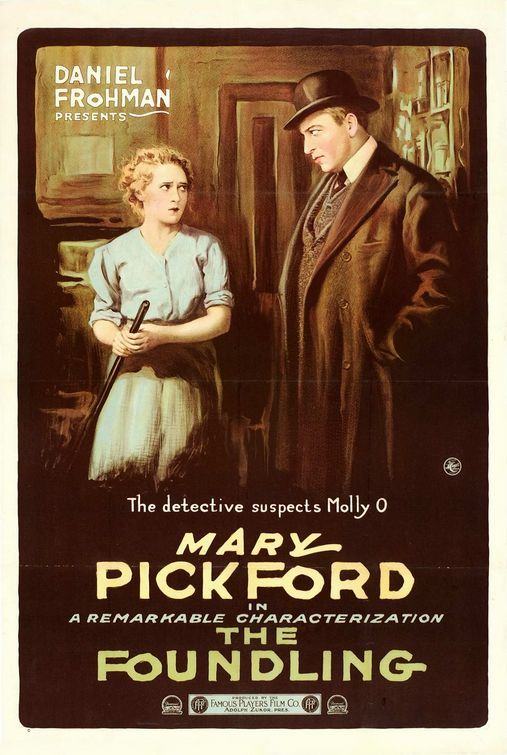
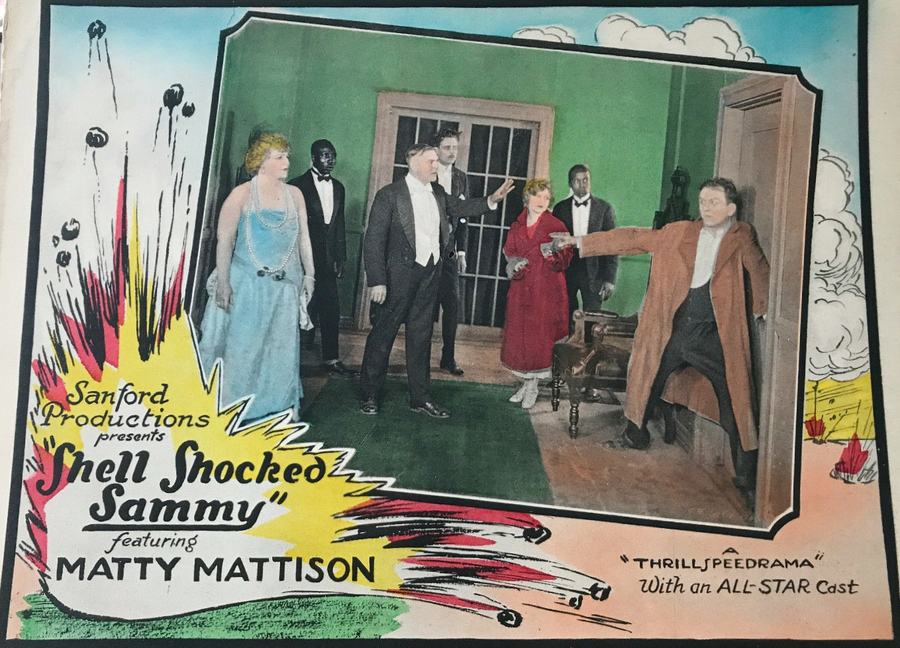
This film is for the avant-garde enthusiast, the student of German Expressionism, and anyone who finds the 'making-of' features more interesting than the movies themselves. It is absolutely not for someone looking for the narrative cohesion found in contemporaries like The Charm School or the traditional drama of Trilby.
1) This film works because it treats the camera as a physical tool that can literally push aside one reality to reveal another.
2) This film fails because its brevity prevents it from being anything more than a high-concept advertisement for the 1925 Berlin Film Exhibition.
3) You should watch it if you want to see the exact moment cinema realized it could be self-aware.
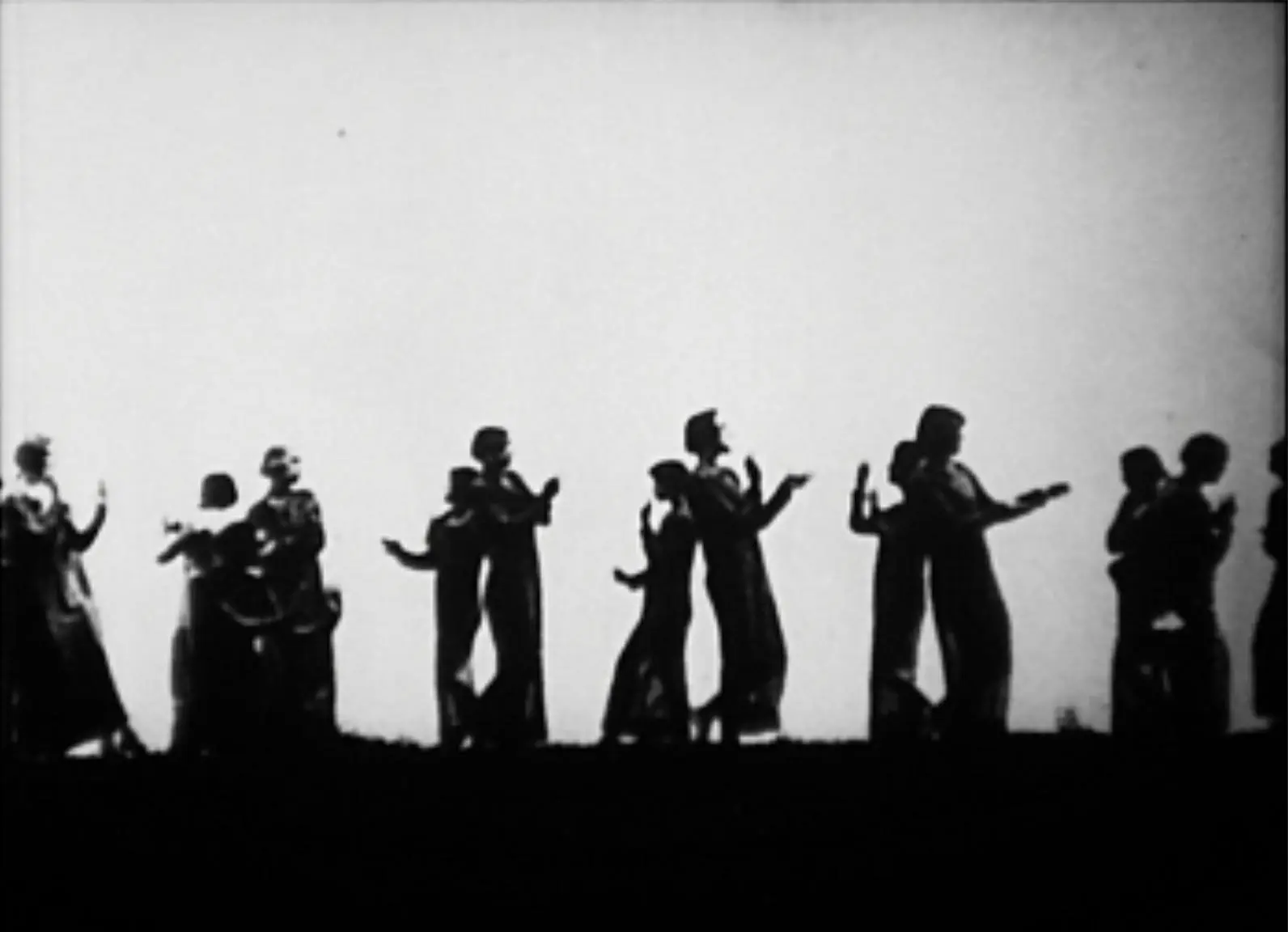
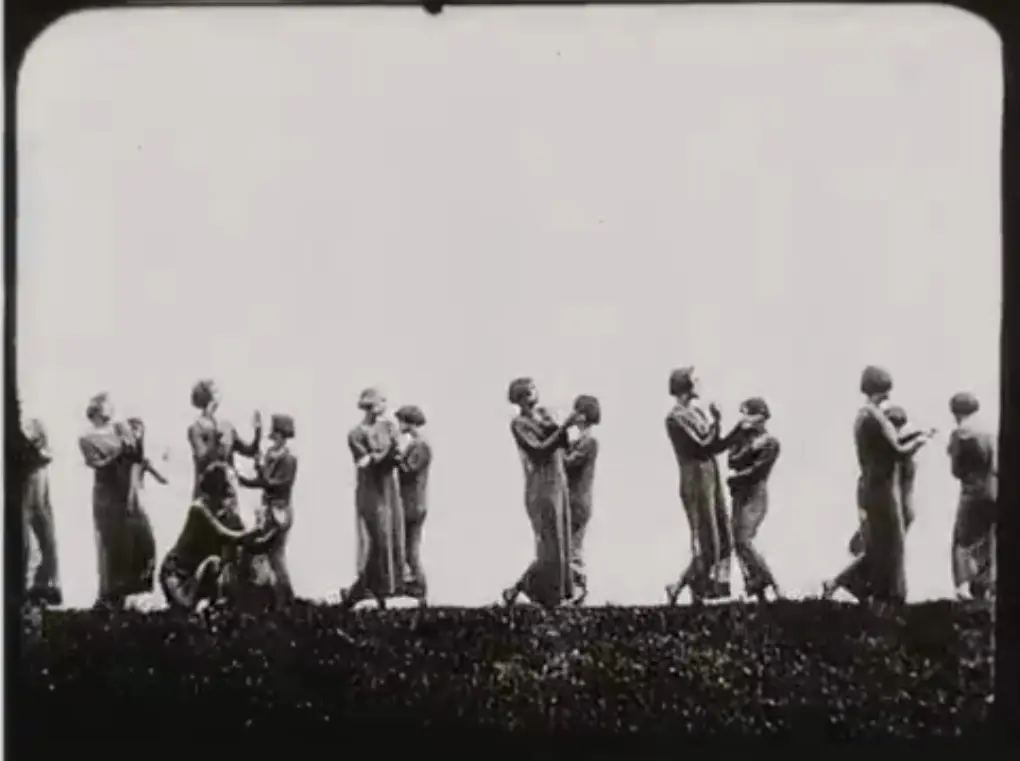
KIPHO begins with a visual lie. We see Siegfried and the dragon, a scene dripping with the heavy, romanticized heroism that defined early German national identity. But Julius Pinschewer isn't interested in the myth. He is interested in the lie. The dragon is a puppet, and the hero is an actor. By having the scene literally slide across the screen to reveal a construction site, Pinschewer performs a surgical strike on cinematic immersion.
In 1925, this wasn't just a clever transition; it was a radical statement. While films like The Secret of the Moor were trying to perfect the illusion of reality, KIPHO was busy tearing the wallpaper off the walls. The construction workers we see aren't actors playing workers; they are the actual labor force of the industry. This shift from the 'heroic' past to the 'industrial' present is jarring. It’s a flex. It tells the audience that the magic they see is bought with sweat and timber.
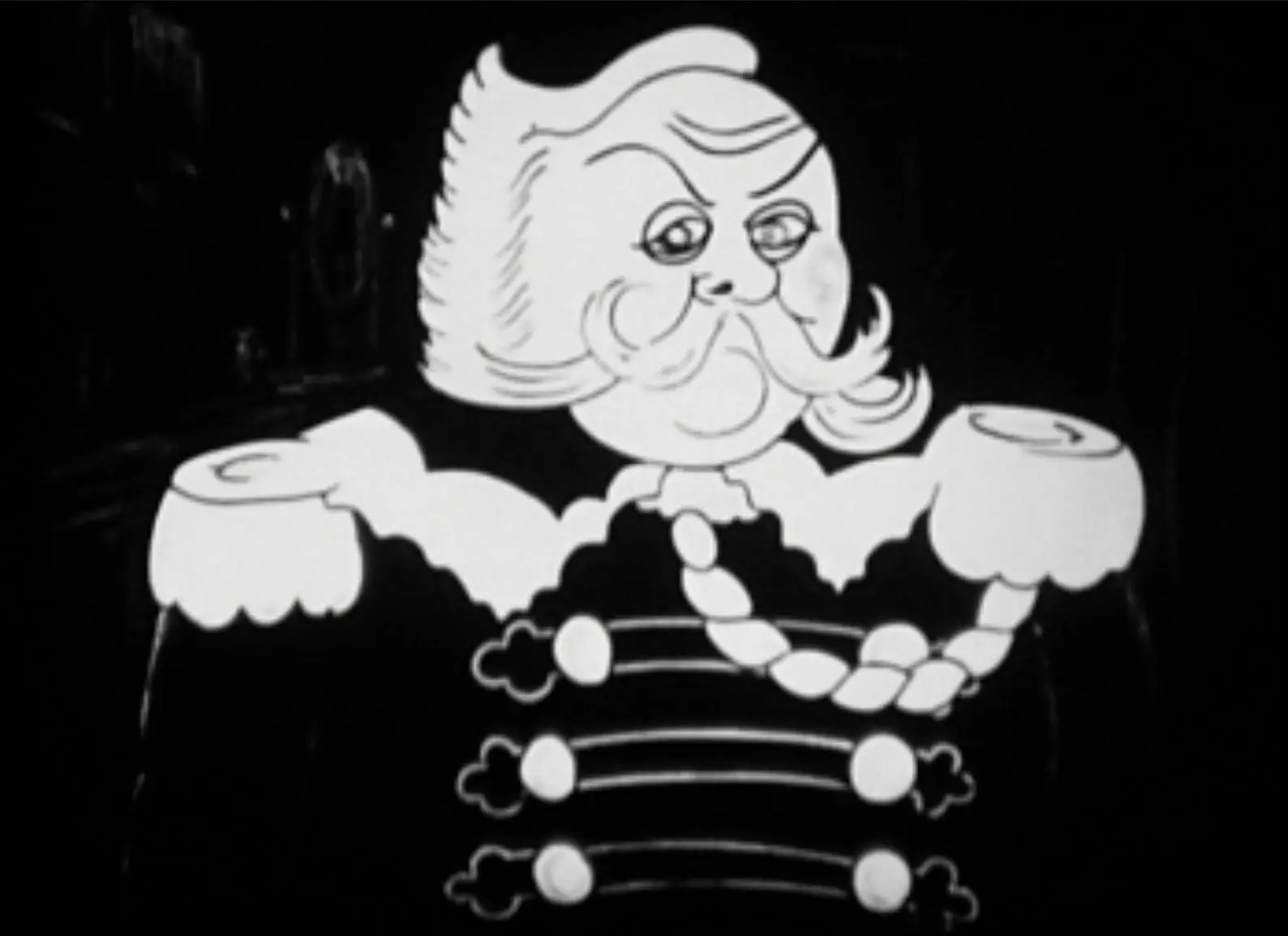
The cinematography here is utilitarian but purposeful. There is no soft focus or romantic lighting in the construction sequence. It is hard, bright, and structural. This contrast makes the eventual return to the 'fictional' world of Dr. Caligari even more impactful. It’s a cold, hard look at the machine. It works. But it’s flawed by its own lack of sentiment.
KIPHO is a modernist landmark because it utilizes the 'sliding' frame to break the fourth wall, exposing the movie set as an industrial product. It refuses to let the viewer get lost in the story, forcing them instead to acknowledge the labor and technology behind the image. This self-reflexivity was decades ahead of its time, prefiguring the meta-narratives of the French New Wave.
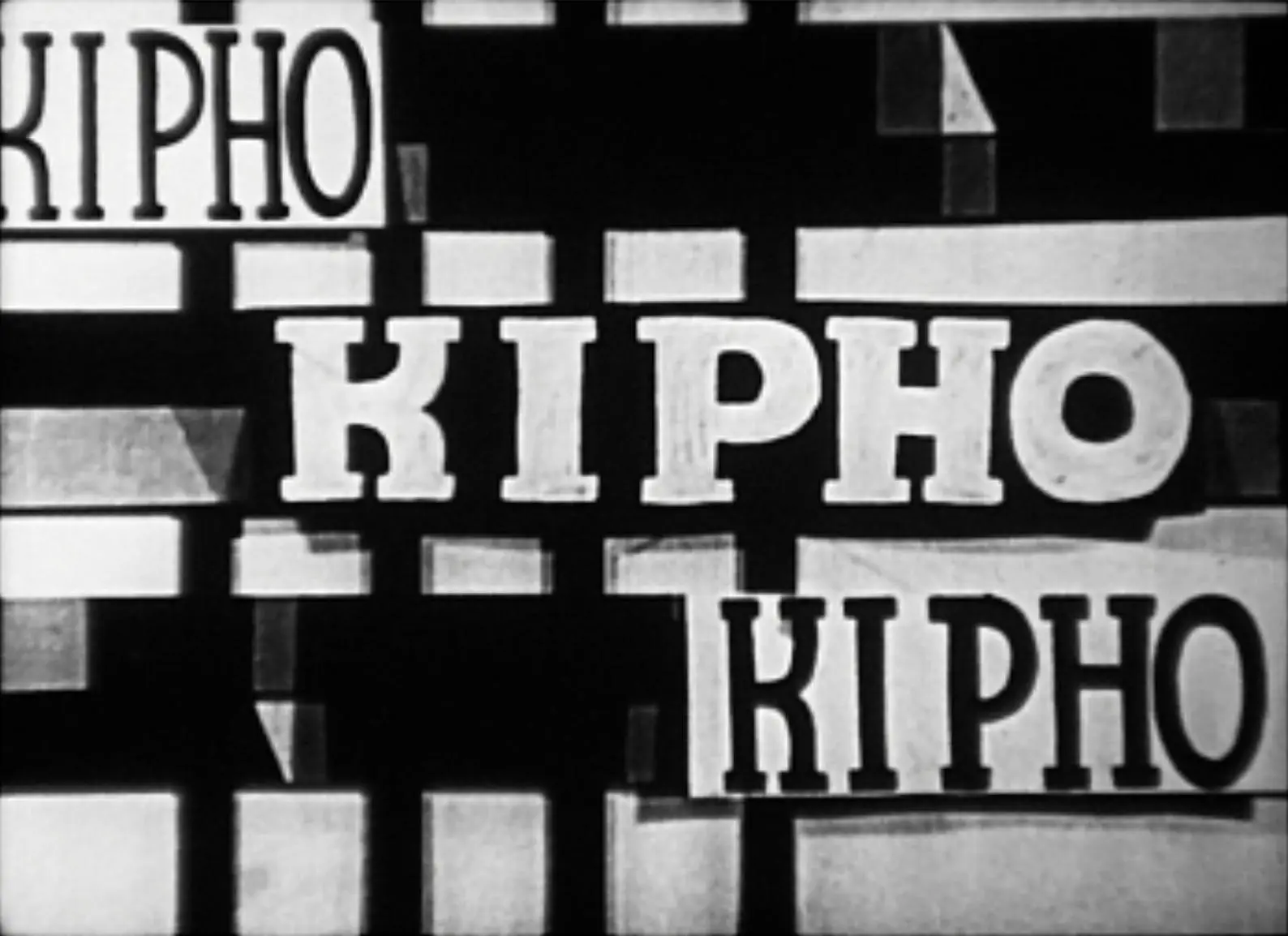
The middle segment of the film, focusing on the construction of a movie set, is where the true heart of KIPHO lies. In most films of the era, such as M'Liss, the environment is a backdrop designed to be ignored. In KIPHO, the environment is the protagonist. We see the scaffolding, the hammers, and the raw wood. There is a specific shot of a worker looking directly into the lens that feels like a challenge to the bourgeois audience of the 1920s.
Guido Sieber’s writing—though 'writing' is a loose term for such a visual piece—is evident in the conceptual flow. The choice to move from the 'old world' of dragons to the 'new world' of construction is a deliberate commentary on the Weimar Republic's modernization. It’s the sound of a hammer hitting a nail, drowning out the Wagnerian opera. It’s brutally simple, yet deeply layered.
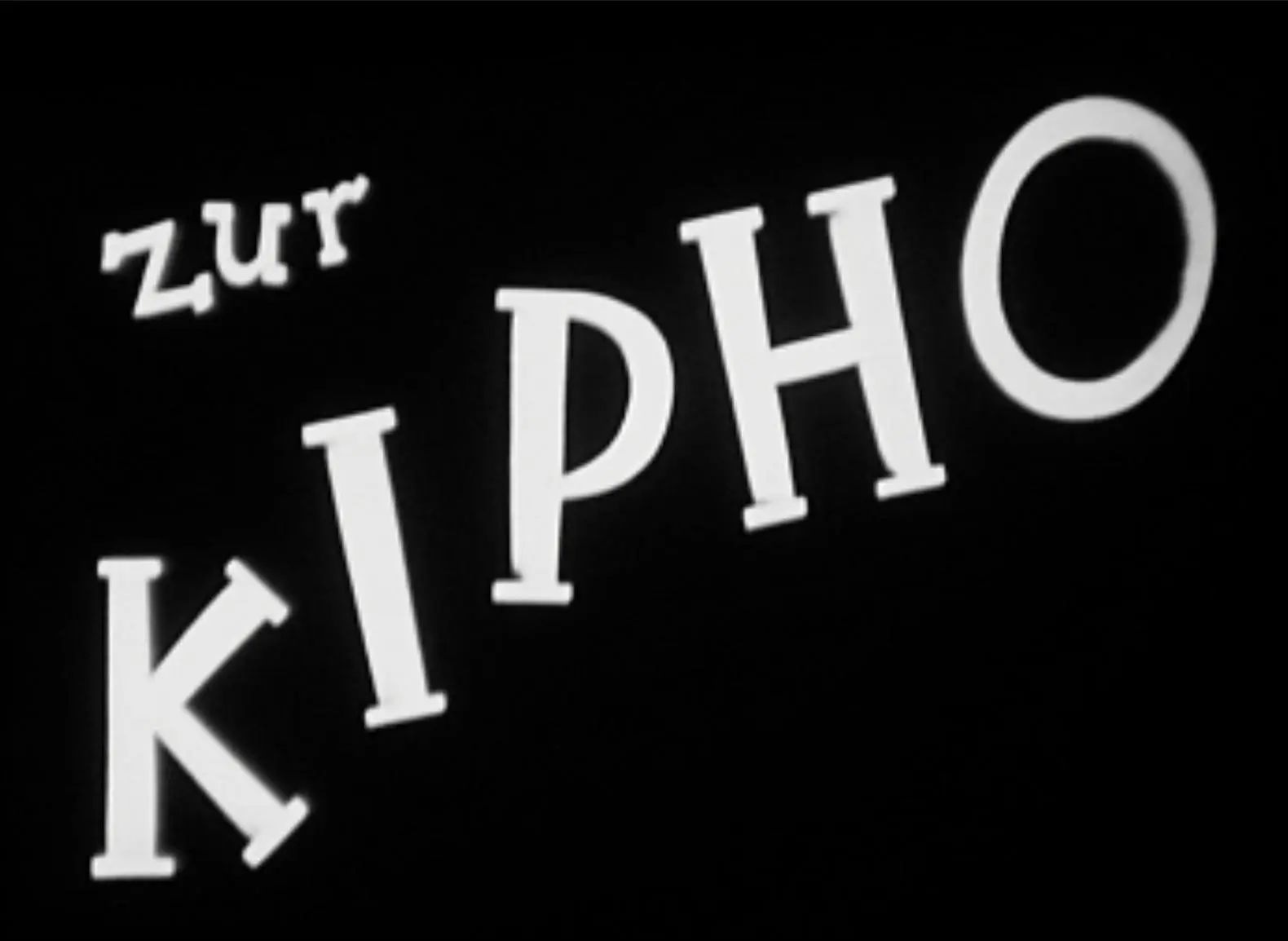
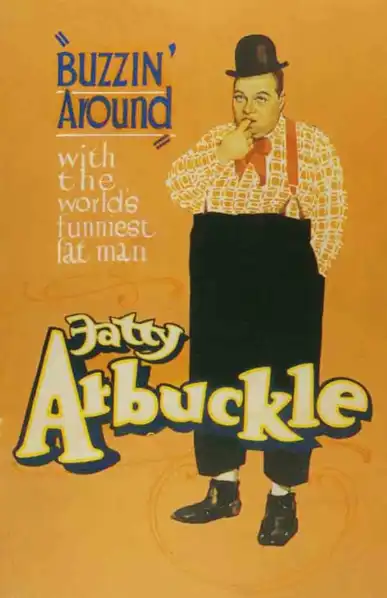
Compare this to the slapstick simplicity of Meyer from Berlin. Where Meyer seeks to entertain through character, KIPHO seeks to intellectualize through geometry. The way the planks of wood intersect on screen creates a rhythm that is almost musical. It’s a celebration of the mechanical over the biological. This is cinema as an extension of the factory, and it is fascinating to behold.
The film’s conclusion, an invitation into the world of Dr. Caligari, is where Pinschewer brings the experiment full circle. After showing us the 'truth' of the construction, he leads us back into a 'heightened' lie. But this isn't the heroic lie of Siegfried; it is the psychological, twisted lie of Expressionism. The tent of the sleepwalker represents the subconscious of the film industry itself.
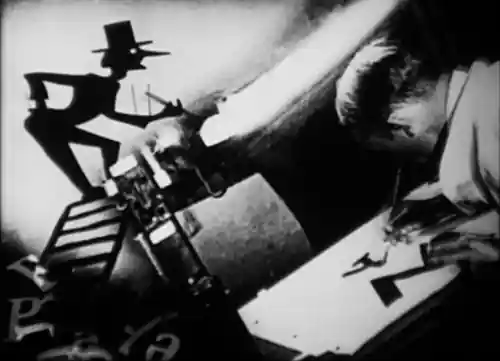
This transition suggests that even when we know how the sets are built, we are still drawn to the dream. We are all sleepwalkers. The use of Caligari as a touchstone is a brilliant marketing move for the exhibition the film was promoting, but it also serves as a thematic anchor. It links the industrial reality of the set-builders to the nightmare visions of the artists. It’s a haunting, circular logic that leaves the viewer feeling slightly unsettled.
The pacing here is frantic. The film doesn't breathe; it pantomimes. It’s a series of shocks. Unlike the slow-burn tension of The Bruce Partington Plans, KIPHO relies on the immediate impact of the cut. The final shot of the tent is iconic, not because of its beauty, but because of its context. We know what’s behind the canvas now, and that makes the canvas even more terrifying.
Yes, KIPHO is absolutely worth watching, but you must adjust your expectations. If you go in expecting a plot, you will be disappointed. If you go in expecting a five-minute masterclass in visual theory, you will be enthralled. It is a rare piece of film history that managed to be both a commercial for an exhibition and a piece of high art.
It lacks the character depth of Mrs. Leffingwell's Boots, but it makes up for it with sheer audacity. It is a film that demands you look at it, then demands you look at how it was made, then finally demands you wonder why you were looking in the first place. It’s a cerebral exercise that remains surprisingly fresh after nearly a century.
Pros:
The film features some of the most innovative editing of the mid-1920s. Its use of the 'meta' narrative predates modern trends by decades. The visual contrast between the mythic and the industrial is striking and intellectually stimulating. It serves as a perfect time capsule for the Berlin 'Kipho' exhibition.
Cons:
The film is incredibly short, leaving little room for thematic development. Julius Pinschewer’s focus on the 'advertisement' aspect can occasionally feel a bit heavy-handed. It requires a significant amount of historical context to truly appreciate, making it inaccessible to casual viewers.
KIPHO is a fascinating anomaly. It is a commercial that hates being a commercial. It is a myth that wants to be a machine. While it may not offer the narrative satisfaction of La tragica fine di Caligula imperator, it offers something much more rare: a glimpse into the self-awareness of a medium in its infancy. It is a cold, calculated, and brilliant piece of work that proves that sometimes, the most interesting part of the story is the frame it’s held in. Watch it for the history, stay for the audacity. It’s a short, sharp shock to the system that reminds us that cinema has always been a beautiful lie built on a foundation of hard labor.

IMDb 5.2
1931
Community
Log in to comment.