DbcultAccessing Vault...
6.5/10
Senior Film Conservator
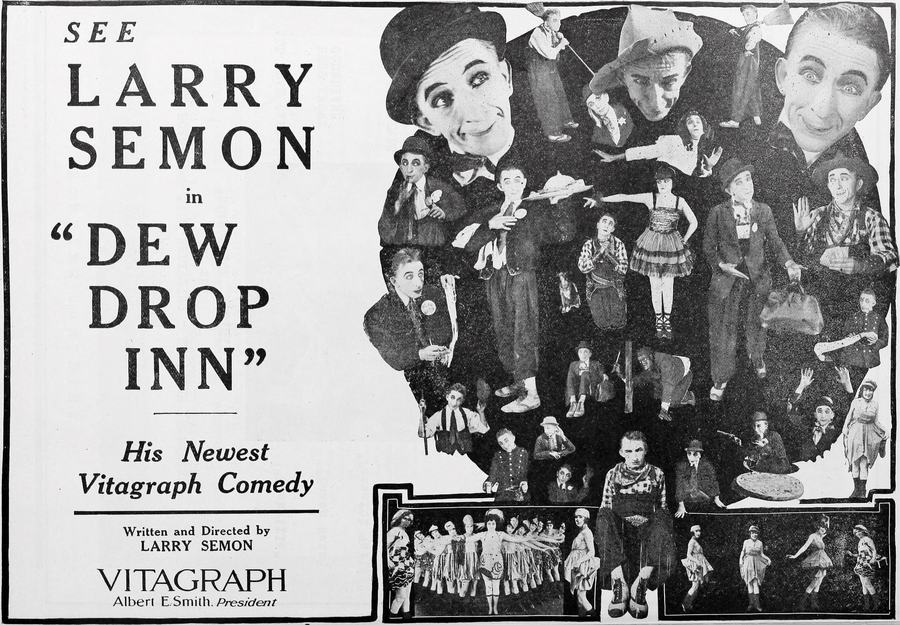
A definitive 6.5/10 rating for a film that redefined the boundaries of cult cinema. Dew Drop Inn remains a cornerstone of transgressive art.
Dew Drop Inn arrives like a forgotten reel unearthed from a dusty archive, its premise deceptively simple yet brimming with subversive potential. The film pits a hard‑nosed lawman—an archetype of early twentieth‑century American authority—against a cadre of moonshiners whose illicit trade fuels the rural economy. The chase, however, is abruptly interrupted when the marshal stumbles onto a film set overseen by a visionary female director, herself surrounded by an all‑female cast led by the luminous Lucille Carlisle. The collision of these two worlds ignites a cascade of comedic mayhem that feels both orchestrated and spontaneous.
From the opening frames, the director’s eye for composition is evident. The camera, though limited by the era’s technology, employs a series of low‑angle shots that elevate the lawman to a mythic stature, only to undercut his gravitas moments later with a pratfall into a barrel of moonshine. This visual irony is a recurring motif: authority is constantly juxtaposed with absurdity, a technique reminiscent of the slap‑slap rhythm found in The Biggest Show on Earth, yet filtered through a distinctly feminist lens.
The narrative structure is deliberately fragmented, echoing the chaotic energy of a film set in disarray. Scenes cut abruptly between the marshal’s relentless pursuit—complete with chase sequences that echo the kinetic energy of The Mystery Girl—and the director’s meticulous rehearsals, where actresses rehearse lines about empowerment while the moonshiners hide barrels behind the scenery. This intercutting not only heightens tension but also underscores a thematic duality: the pursuit of illegal spirits mirrors the director’s pursuit of artistic authenticity.
Lucille Carlisle’s performance is a masterclass in silent‑era expressiveness. Her eyes convey a fierce determination that transcends the film’s comedic veneer, offering a subtle critique of gender expectations. When the marshal barges onto set, demanding the moonshiners’ surrender, Carlisle’s character—playing a fictional actress within the film—responds with a theatrical flourish, gesturing to the camera as if to say, "You think you control the narrative?" This meta‑commentary is amplified by Larry Semon’s self‑referential cameo, where he winks at the audience, acknowledging the artifice of the situation.
Supporting players—William Hauber, Frank Alexander, and Frank Hayes—provide a robust ensemble that balances physical comedy with nuanced timing. Hauber’s lanky gait and exaggerated gestures recall the kinetic humor of I topi grigi, while Alexander’s burly presence offers a foil to the marshal’s wiry determination. Hayes, often relegated to background roles in his era, shines here as a moonshiner who inadvertently becomes a prop manager, moving set pieces with a deadpan seriousness that heightens the absurdity.
The film’s mise‑en‑scene is saturated with a palette that, while constrained to black‑and‑white, is hinted at through set design. The director’s choice of a rustic inn—complete with creaking floorboards and flickering lanterns—creates a claustrophobic arena where the chase and the shoot intertwine. The inn’s name, "Dew Drop," functions as a metaphor for fleeting moments of clarity amidst the fog of chaos, a theme that resonates throughout the narrative.
From a technical standpoint, the editing is surprisingly sophisticated for its time. Rapid cuts during chase sequences are interspersed with longer, static shots of the director’s rehearsals, allowing the audience to breathe before being thrust back into the frenzied pursuit. This rhythm mirrors the ebb and flow of a live theater performance, reinforcing the film’s meta‑theatrical commentary.
One cannot discuss Dew Drop Inn without acknowledging its place within the broader context of early feminist cinema. While contemporaneous works such as Her Right to Live tackled women’s rights through melodrama, Semon’s film employs comedy to subvert patriarchal authority. The female director’s presence on screen—rare for the 1920s—serves as a bold statement, positioning women not merely as subjects but as creators of narrative.
Thematically, the film explores the tension between tradition and modernity. The moonshiners represent an entrenched, illicit tradition, while the film crew embodies the burgeoning modernity of cinema. Their clash is not merely physical but ideological: the lawman’s rigid adherence to order is challenged by the fluid, improvisational nature of filmmaking. This dialectic is echoed in the film’s title itself; an "inn" is a place of temporary shelter, a liminal space where disparate travelers converge—a perfect allegory for the convergence of law, art, and gender politics.
In terms of pacing, the film maintains a brisk tempo, rarely allowing a moment of stillness to linger. The comedic set‑pieces—such as the infamous barrel‑roll scene where the marshal, chasing a moonshiner, tumbles into a prop barrel of fake moonshine, only to emerge drenched and disoriented—are choreographed with a precision that rivals later slapstick masterpieces like The Food Gamblers. Yet, beneath the surface slapstick lies a sophisticated critique of authority’s inability to adapt to new cultural forms.
The screenplay, penned by Larry Semon, is peppered with witty intertitles that double as meta‑commentary. One intertitle reads, "The law chases the spirit, but the spirit chases the camera," encapsulating the film’s central paradox. Semon’s dual role as writer and performer allows him to weave his comedic sensibilities seamlessly into the narrative, ensuring that humor never undercuts the film’s deeper messages.
When evaluating the film’s legacy, it is instructive to compare it with other works that blend genre conventions with social commentary. The City of Tears employs melodrama to explore urban alienation, while Race Suicide uses thriller tropes to interrogate existential dread. Dew Drop Inn occupies a unique niche, marrying slapstick comedy with a proto‑feminist agenda, thereby prefiguring later genre‑blending endeavors such as The Love That Lives.
Visually, the film’s use of light and shadow is noteworthy. The director employs high‑contrast lighting during chase scenes to accentuate the lawman’s silhouette against the moonlit backdrop, creating a chiaroscuro effect that adds dramatic weight to otherwise comedic moments. In contrast, the rehearsal scenes are bathed in softer, diffused light, evoking the intimacy of a theater rehearsal and underscoring the collaborative spirit of the female cast.
Sound, or the lack thereof, is leveraged cleverly. The absence of synchronized dialogue forces the film to rely on exaggerated physicality and expressive intertitles, a constraint that Semon turns into an advantage. The rhythmic clatter of barrels, the rustle of costumes, and the occasional whistling wind become a percussive soundtrack that guides the audience’s emotional response.
From a cultural standpoint, the film’s depiction of moonshiners is both sympathetic and satirical. While the lawman is portrayed as a caricature of overzealous authority, the moonshiners are given moments of humanity—sharing a communal meal, laughing around a fire—humanizing a group often vilified in contemporary media. This balanced portrayal invites viewers to question the binary of law versus outlaw, suggesting that both are participants in a larger theatrical performance.
In terms of influence, Dew Drop Inn can be seen as a precursor to later meta‑cinematic works that blur the line between film and reality, such as The Man and the Moment. Its self‑reflexive humor anticipates the post‑modern sensibilities of later decades, making it a hidden gem for scholars interested in the evolution of filmic self‑awareness.
Overall, the film succeeds on multiple fronts: it delivers relentless, well‑timed comedy; it offers a progressive portrayal of women in the film industry; and it engages with broader societal themes through a deceptively light‑hearted narrative. The synergy between the lawman’s chase and the director’s creative process creates a dynamic tension that propels the story forward, ensuring that each scene feels both inevitable and surprising.
For modern audiences, the film’s relevance endures. In an era where discussions about representation and gender equity dominate the cultural conversation, Dew Drop Inn stands as an early testament to the power of cinema to challenge entrenched norms. Its blend of slapstick, satire, and social critique offers a template for contemporary filmmakers seeking to entertain while provoking thought.
In conclusion, Dew Drop Inn is more than a relic of silent‑era comedy; it is a layered work that deftly intertwines law, art, and gender politics into a cohesive, riotous whole. Its legacy, though understated, reverberates through the annals of film history, reminding us that even in the earliest days of cinema, creators were already pushing boundaries and redefining what the medium could achieve.
IMDb —
1916
Community
Log in to comment.