DbcultAccessing Vault...
Cult Review
Senior Film Conservator
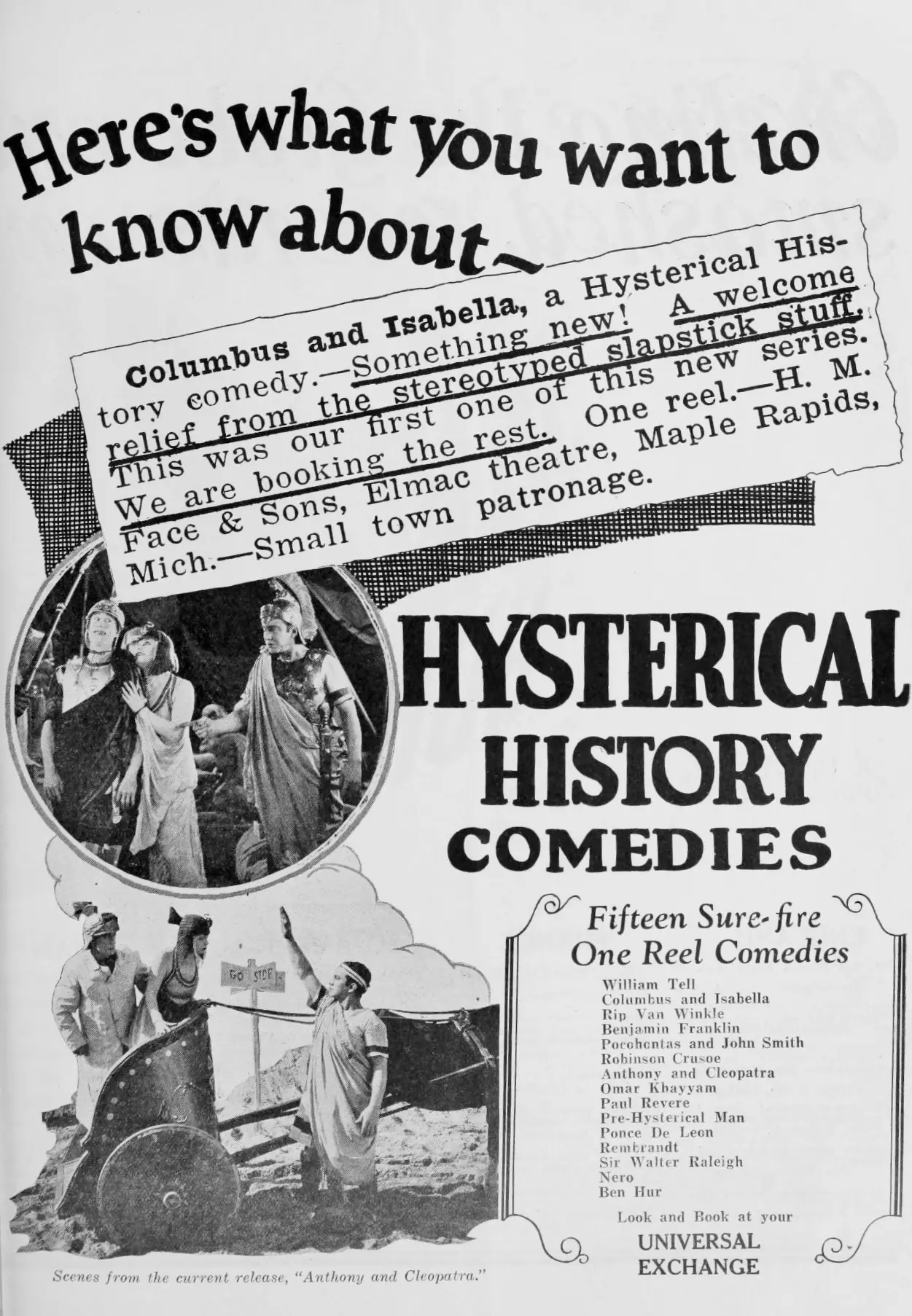
Stepping into the cinematic time capsule that is Anthony and Cleopatra (1913) feels less like observing a solemn historical epic and more like encountering a fever dream spun from the threads of ancient myth and burgeoning slapstick. This isn't the weighty, sweeping tragedy of Shakespeare, nor the opulent spectacle of later Hollywood interpretations. Instead, what we are presented with is a delightfully unhinged romp, a testament to the raw, unbridled creativity of early filmmaking, where narrative logic often took a backseat to the sheer joy of visual gags and anachronistic audacity. The film, starring the effervescent Ethel Teare as Cleopatra and the versatile Phil Dunham embodying both Anthony and Caesar (a remarkable feat of early dual-role acting, suggesting either budget constraints or a deliberate comedic choice), offers a unique lens through which to examine the burgeoning art form of moving pictures.
The narrative, as recounted, begins with an incident so utterly mundane, yet so profoundly impactful on the course of ancient history as imagined here, that it immediately sets the tone: a bee sting. Not a war, not a political maneuver, but a tiny insect's venom, concealed within a bouquet from Julius Caesar, derailing the majestic visage of Cleopatra. This opening alone should signal to any discerning viewer that this is not a film to be taken with historical gravitas. It's a whimsical, almost surrealist, departure from the established canon. The ensuing sequence, where Cleopatra's beauty doctor engages in a series of experimental facial reconstructions, trying out various nose shapes, serves as a brilliant piece of physical comedy. It’s a subtle yet cutting commentary on the often-absurd lengths to which society goes in pursuit of idealized beauty, even in the nascent days of cinema. Teare, even without spoken dialogue, must convey a spectrum of emotions: initial shock, then frustration, and finally, perhaps, a resigned amusement as her facial features are toyed with. The visual humor here, relying on exaggerated expressions and perhaps rudimentary special effects (or simply clever makeup and editing), would have been a crowd-pleaser, establishing Cleopatra not as an untouchable goddess, but as a surprisingly relatable figure plagued by common ailments, albeit with royal solutions.
The arrival of Anthony, portrayed by Phil Dunham, introduces the romantic entanglement, but again, with a distinct comedic twist. He doesn't merely vie for Cleopatra's attention; he 'cuts Caesar out,' a phrase that evokes a sense of casual, almost playground-level rivalry rather than a grand geopolitical struggle. This simplification of historical conflict into personal squabbles is a hallmark of the film's charm. The subsequent escape down the Nile in a 'two-oared galley' further underscores the film's humble, yet effective, production values. We are not witnessing a fleet of triremes, but a more intimate, almost domestic, flight, emphasizing the personal stakes over the imperial. This choice allows for a focus on the characters' immediate reactions and interactions, creating a sense of immediacy that grander productions might lose. The visual of two legendary lovers rowing themselves to freedom, perhaps with comedic struggles against the current or each other’s rowing styles, would have been delightful.
Caesar’s retaliation is perhaps the film’s most singularly bizarre and memorable element: he ‘sics his pet alligator’ on the fleeing couple. This is a masterstroke of absurdist comedy, a complete disregard for historical accuracy in favor of pure, unadulterated spectacle. The alligator, whether a real creature (a common, if dangerous, practice in early cinema) or a cleverly crafted prop, introduces an element of unexpected danger and thrilling chase. The boat breaking in half, a classic trope of early action sequences, heightens the drama, only for it to be deflated by Anthony’s heroic, yet still comedic, capture of the reptile. This moment perfectly encapsulates the film’s tonal tightrope walk: moments of genuine peril are quickly resolved with a touch of the ridiculous, ensuring that the audience remains engaged without ever taking the proceedings too seriously. It's a precursor to the kind of creature feature comedy we might see decades later, blending suspense with a wink and a nod.
The climax, or rather, the series of climactic non-climaxes, is where Anthony and Cleopatra truly distinguishes itself. The idea of the two rivals gambling for Cleopatra’s hand reduces millennia of political maneuvering and romantic intrigue to a simple game of chance. This satirical approach, stripping away the pomp and circumstance to reveal the base desires and competitive urges beneath, is remarkably prescient. It subtly critiques the commodification of women, even as it presents the scenario for comedic effect. However, before the dice can even fall, Cleopatra, in a move that solidifies her as an agent of her own destiny rather than a prize to be won, runs off with Ramesis in his 'Ford chariot.' This is the film’s most audacious anachronism, a gloriously defiant middle finger to historical accuracy. The sight of an ancient Egyptian queen speeding away in a modern automobile would have been utterly shocking and hilarious to contemporary audiences, a bold statement about the timelessness of human foibles and desires, rendered through a deeply modern lens.
The Ford chariot sequence is not merely a gag; it’s a profound commentary on the film's own relationship with time and tradition. It suggests a playful disdain for rigid historical adherence, prioritizing entertainment and surprise over educational accuracy. This kind of genre-bending and time-warping was rare but not unheard of in early cinema. One
IMDb 6.5
1903
Community
Log in to comment.