DbcultAccessing Vault...
Cult Review
Senior Film Conservator
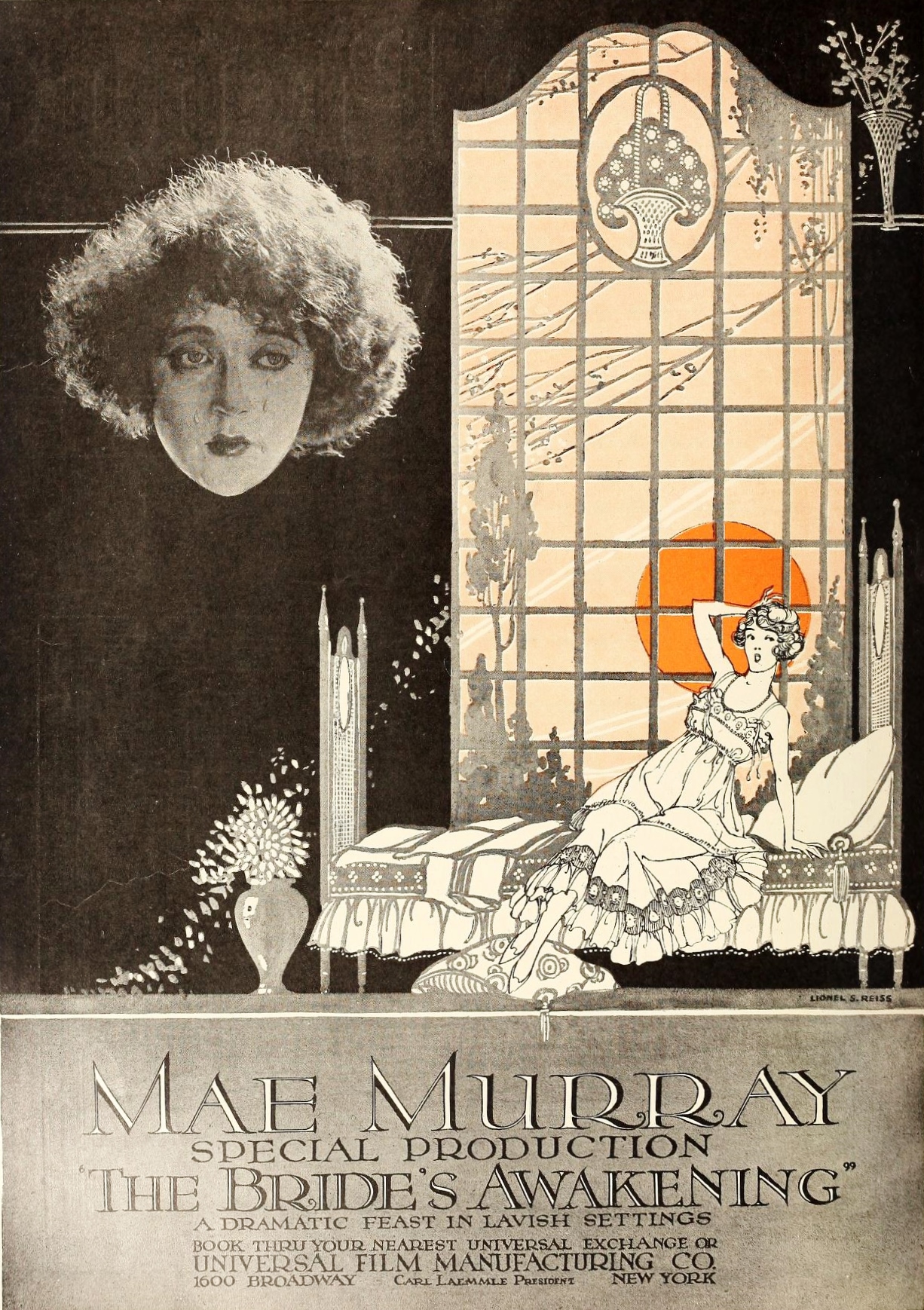
Picture, if you can, a ballroom drenched in chiaroscuro: chandeliers drip prisms onto parquet, yet every sparkle feels like a guillotine. Into this glimmering snare glides Richard Earle—Lew Cody’s brows arched like sabers—calculating the net worth of every smile. He weds Elaine Bronson, played by Mae Murray with the porcelain fragility of a Klimt muse, but commands her to wear silence as though it were wedding lace. Why? So his nights can still belong to Lucille Bennett, a married siren whose laughter ricochets off mahogany like forbidden jazz.
The film’s first reel unfolds like a perfumed ledger: each glance has a price, each kiss a lien. Director George Siegmann (better known as an actor in Birth of a Nation) opts for long, predatory takes, letting the camera linger until discomfort metastasizes. The result is a curio of early Hollywood: a morality play that secretly adores its own decadence.
Fate, tireless script-doctor, intervenes when Elaine’s coupé wraps around a lamppost. Enter Jimmy Newton—Ashton Dearholt’s shoulders squared like a comic-strip hero—who scoops her from the chassis amid flickering arc-lights. The rescue sequence, shot on location in a pre-dawn Los Angeles still unpaved, pulses with documentary urgency. Smoke coils from the radiator; a streetcar bell clangs off-screen; for twelve seconds the melodrama morphs into verité.
Jimmy’s bungalow, all chintz and California sun, becomes a counter-universe to Richard’s mausoleum of secrets. Note the set dresser’s touch: where Richard’s rooms sport oil portraits of men he’s ruined, Jimmy shelves dog-eared travel guides and a mandolin. The visual grammar is unmistakable—here, a woman might exhale.
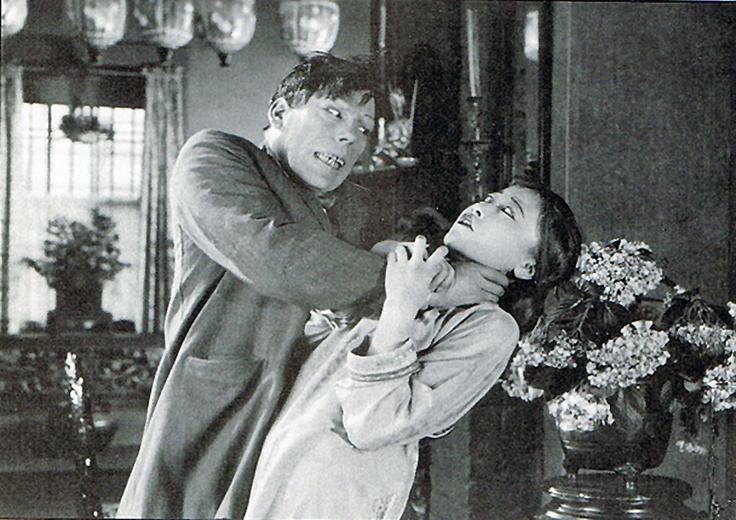
Richard’s discovery of the pair is staged like Grand Guignol: he storms in, silk scarf still fragrant with Lucille’s perfume, and unleashes a pugilistic waltz. The intertitle card—“You have made me a cuckold in my own bedroom!”—appears over a close-up of Elaine’s tear-pearled cheekbone. What follows is not the flailing hysterics common to 1918, but a calculated, almost surgical assault. Siegmann intercuts medium shots of Richard’s fists with extreme close-ups of Elaine’s eyes, dilating from terror to resignation. The effect is nauseatingly intimate; modern viewers will reach for the remote in self-defense.
Yet the film refuses victimhood. In the instant Elaine’s body slackens, Lucille appears—veil lifted like a widow’s shroud—revolver quivering in kid-gloved fingers. The gunshot is accompanied not by a cymbal crash but by a single frame of pure white, a subliminal flash that imprints itself on the retina. Richard collapses, his monocle fracturing against the floorboards: a miniature kaleidoscope of broken ambition.
Murray, often dismissed as a mere flapper ornament, delivers here a master-class in micro-expression. Watch her hands in the post-beating scene: they flutter like stunned birds, then settle into a surgeon’s calm as she buttons her blouse. The gesture says, “I will survive you in the very threads I wear.” It’s a moment that anticipates Joan Crawford’s brittle fortitude by a decade.
Cody, whose off-screen reputation for champagne-saturated soirées preceded him, weaponizes that louche magnetism. His Richard never telegraphs villainy; instead he seduces the audience, pausing mid-sentence to let a smile unfurl like a parchment of old debts. When he whispers “Money is the only honest thing between two people,” you almost nod—until you remember the bruises under Elaine’s powder.
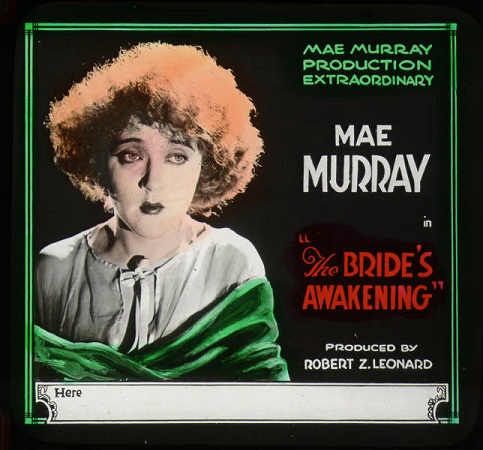
Selwynne, saddled with the “other woman” archetype, etches something far knottier: a bourgeois wife who discovers that her own gilded cage has been built from another woman’s bones. Her final walk toward the camera—revolver dangling, veil askew—feels like the birth of femme-noir. Compare it to Revelation (1918), where Elsie Ferguson’s courtesan finds redemption through self-immolation; Lucille’s path is more anarchic—she liberates not herself, but the woman she wronged.
Shot by Lucien Andriot, the film revels in fiscal metaphors of light. Richard’s study is lit from below, turning his cheekbones into debtor’s prison bars. Jimmy’s bungalow basks in top-heavy noon, a visual overdraft of hope. Most striking: the final image—Elaine and Jimmy on a ferry deck, sunrise welding them into one silhouette—was achieved by double-exposing the negative, a costly trick for 1918 independent Bluebird Photoplays. The studio balked; Andriot paid for the extra celluloid out of his own salary, gambling that posterity would reimburse him in acclaim. He was half-right—Photoplay praised the “hymn to incandescent dawn,” yet the negative was lost in the 1935 Fox vault fire.
F. McGrew Willis, who later sharpened Pride and the Devil into a Jacobean bloodbath, here tempers the arsenic with honey. His intertitles crackle with epigrammatic venom: “A secret marriage is a coffin with two lids.” The line lasts three seconds on-screen, yet it encapsulates the entire studio system’s attitude toward women—packaged, priced, interred.
Original release prints shipped with a cue sheet recommending “Hearts and Flowers” for the beating scene—an inadvertently grotesque wink. Contemporary restorations (MoMA 2016, Pordenone 2019) commissioned new scores: MoMA opted for a string quartet punctuated by typewriter clacks, suggesting Elaine as stenographer to her own doom; Pordenone chose prepared piano and bowed vibraphone, turning the gunshot into a resonant thud that vibrates the ribcage. Both versions circulate on the archive circuit; neither has reached Blu-ray, though rumor whispers of a 4K scan languishing in legal purgatory between Paramount heirs and a Swiss bank.
Set it beside The Bride’s Silence (a 1917 Universal quickie) and you’ll see how swiftly tropes ossify. That earlier film ends with the wife forgiving her bigamist husband because “a vow is a vow.” Siegmann’s version retorts with a pistol. Likewise, Souls Adrift traffics in marital deception, but its raft-bound finale drifts into spiritual mawkishness; Awakening keeps its feet on blood-spattered parquet.
Critics of the day—mostly male—praised the “piquant reversal” of a woman rescuing another woman, then shrugged it off as novelty. Yet the reversal is systemic: the bullet that kills Richard is figuratively fired by every female patron who ever subsidized a system that sold them wedding rings as handcuffs. In that sense, the film anticipates the 1922 murder of courtly swindler Joseph K. Thatcher by his mistress, a case that sold tabloids for months.
Only a 35mm print at UCLA and a 28mm Pathé scorch-mark at Cinémathèque Française remain. Both lack the final ferry scene; the negative burned, the memory persists in lobby cards showing Murray in a sailor-collar coat, eyes uplifted toward a dawn that no longer exists on celluloid. Yet cinephiles persist, trading Dropbox rips of the MoMA restoration like samizdat. Reddit threads dissect whether Lucille’s revolver is a Colt 1903 or a FN M1905; either way, the caliber is destiny.
If you crave the comfort of narrative closure, look elsewhere. The Bride’s Awakening ends on a question mark scorched into nitrate. Elaine’s engagement to Jimmy is less a happy ending than an armistice: the war between genders pauses, the ledger left open. Yet that very open-endedness makes the film thrum with uncanny life. In an era when algorithmic rom-coms propose that love is a metric of shared Spotify playlists, here is a relic that insists love is a currency whose mint lies between clenched teeth and loaded chambers.
Seek it out at a repertory screening; bribe the projectionist to leave the lights low. When the gunshot flash whites out the frame, you’ll feel the entire auditorium inhale. In that collective gasp, a century collapses. You are no longer a viewer; you are an accomplice, standing on that parquet while the perfume of gunpowder and gardenias settles into your coat. And as the ferry whistles from the missing final reel, you’ll understand why some silences detonate louder than any talkie ever could.
IMDb —
1920
Community
Log in to comment.