DbcultAccessing Vault...
Cult Review
Senior Film Conservator
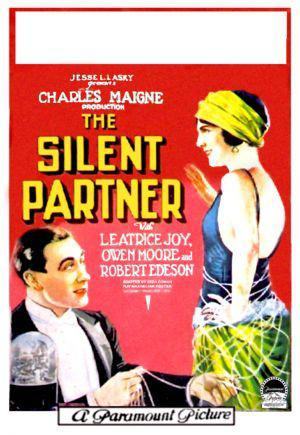
The year 1923 was a period of frantic economic expansion, a time when the silver screen began to reflect the burgeoning anxieties of the American middle class. In The Silent Partner, directed with a keen eye for the claustrophobia of the boardroom and the bedroom, we find a narrative that transcends the simple 'get-rich-quick' tropes of its contemporaries. This is not merely a tale of fiscal gain; it is a dissection of the power dynamics within a marriage tested by the mercurial whims of the stock market. Unlike the more rugged escapism found in The Long Trail, this film anchors itself in the psychological bedrock of Wall Street.
Owen Moore portrays George Coburn with a frantic energy that perfectly captures the hubris of the self-made man. His transition from a dutiful clerk under Ralph Coombes to a rogue speculator is handled with a nuanced descent into obsession. Moore’s performance suggests a man who views capital not as a tool for security, but as a metric of his own masculinity. This stands in stark contrast to the grounded, almost stoic presence of Leatrice Joy as Lisa. Joy, who frequently portrayed women of significant interior strength—reminiscent of the emotional weight seen in Love Never Dies—elevates the 'silent' wife from a secondary character to the film’s moral and financial anchor.
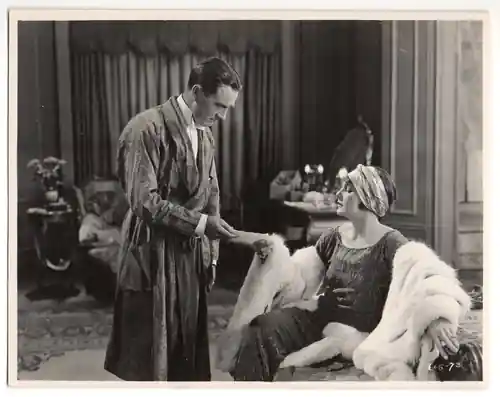
E.H. Calvert’s Ralph Coombes is a fascinating antagonist. He represents the old guard of the financial world—predatory, entitled, and deeply resentful of the upstart’s success. His machinations are not merely professional; they are intensely personal. The conspiracy he hatches with Jim Harker and Charles Nesbit is a masterclass in narrative tension. It mirrors the social stratification explored in The Upper Crust, where the elite use their influence to crush those who dare to climb the ladder without permission. Coombes’ obsession with Lisa adds a layer of 'social noir' to the proceedings, positioning him as a figure of genuine menace rather than a cartoonish villain.
The stock deal that serves as the film’s turning point is filmed with an almost documentary-like precision. The frantic signaling, the piles of discarded tape, and the sweat-beaded brows of the traders create an atmosphere of impending doom. It is here that the film’s editing shines, cutting between George’s desperate attempts to save his firm and Lisa’s quiet, methodical saving of her share. This duality is the heart of the film. While George is out 'hunting' in a manner that might remind viewers of the literal pursuits in The Man Hunter, Lisa is the one building the fortress that will ultimately survive the siege.
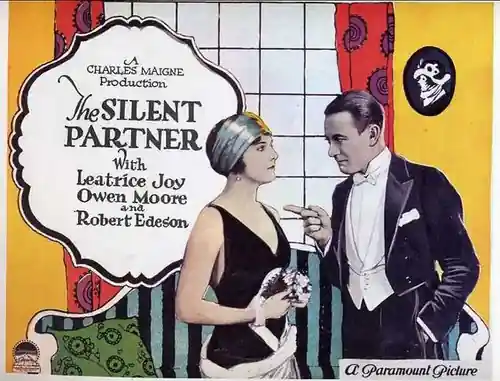
The script by Sada Cowan and Maximilian Foster is remarkably progressive for its time. By making Lisa the 'silent partner' who actually understands the value of a dollar better than her husband, the film subverts the 'helpless female' archetype. In many films of this era, such as Mary Regan, the female protagonist is often a pawn in the games of men. In The Silent Partner, Lisa is the only character with true agency. Her decision to hide her wealth from George is not an act of betrayal, but an act of profound foresight. She anticipates the crash before the market even wobbles.
This thematic depth is what separates this film from more standard melodramas like The Suburban Vicar. There is a grit here, a recognition that love alone cannot pay the rent. The film suggests that the modern marriage is a partnership in the most literal, corporate sense. When George loses his fortune and leaves, the film enters its most harrowing phase. The introduction of Gertie Page, played with a delightful deviousness by Patterson Dial, shifts the film into the territory of the 'vamp' movies, yet it never loses its grounding in financial reality. The plot to lure Lisa onto a ship to Europe is a classic 'out of sight, out of mind' tactic, but Lisa’s escape from the vessel is a cinematic high point, symbolizing her refusal to be exiled from her own life.
Visually, the film utilizes light and shadow to distinguish between the two worlds George inhabits. The brokerage offices are often bathed in a cold, high-key light that emphasizes the clinical nature of the business, while the Coburn home is shot with softer, warmer tones—until the financial ruin sets in. As the marriage dissolves, the lighting becomes harsher, more fragmented. This visual storytelling is as sophisticated as anything seen in international cinema of the time, perhaps even rivaling the grandiosity of Alexander den Store in its attempt to capture the scale of human ambition and failure.
The inclusion of cast members like Bess Flowers and Robert Schable provides a rich texture to the supporting world. Every character feels like they belong to a specific stratum of New York society. Even the bit parts, like the newsboys or the office clerks, contribute to a sense of a world in constant, exhausting motion—a theme that would be revisited in The War Extra. There is a sense that everyone is looking for an angle, a way to beat the system. George’s failure is not just his own; it is a failure of the 'on the level' mentality that the film subtly critiques. If one is truly On the Level in a crooked system, one is destined to lose.
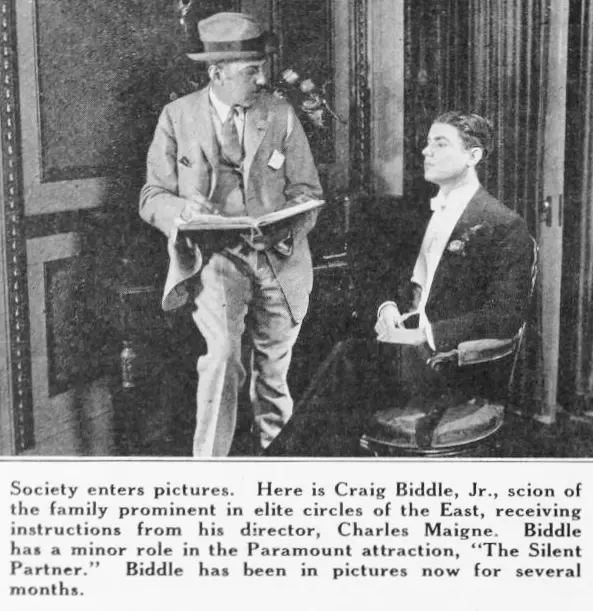
The final act of The Silent Partner is one of the most satisfying in silent cinema. When Lisa reunites with a broken George and reveals that they are far from destitute, it isn't just a 'happily ever after' moment. It is a moment of total vindication for the 'silent' partner. She has proven that her caution was not a lack of faith in him, but a profound understanding of the world he was trying to conquer. This ending avoids the moralizing often found in films like Prohibition, where the characters must be punished for their excesses. Instead, it offers a pragmatic path forward.
In comparison to the lighter fare of the time, such as Muggsy or the slapstick leanings of Ham an-, The Silent Partner demands a more intellectual engagement from its audience. It asks us to consider the cost of ambition and the necessity of a 'silent' resilience. Even when compared to the more fantastical elements of The Alien, this film feels more relevant to the modern viewer because the 'monster' here is not a creature, but the cold, unfeeling machinery of the market.
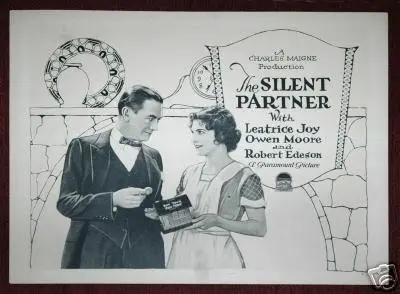
Ultimately, the film stands as a testament to the collaborative power of Sada Cowan’s writing and the expressive acting of the 1920s. It navigates the treacherous waters between 'beauty' and the 'rogue,' much like the characters in Beauty and the Rogue, but with a grounded realism that is rare for the era. Whether faced with a difficult choice as in Yes or No, Lisa Coburn chooses both: she chooses her husband and her independence. The Silent Partner is a forgotten gem that deserves a place in the pantheon of great American dramas, a film that speaks as loudly today about the fragility of wealth as it did a century ago.
Technical Note: The restoration of this film, while difficult given the era, highlights the incredible costume design and set pieces that defined the high-society aesthetic of the early twenties. The film’s pacing, though deliberate, ensures that the final revelation carries the maximum emotional and narrative weight.
IMDb —
1929
Community
Log in to comment.