DbcultAccessing Vault...
6.9/10
Senior Film Conservator
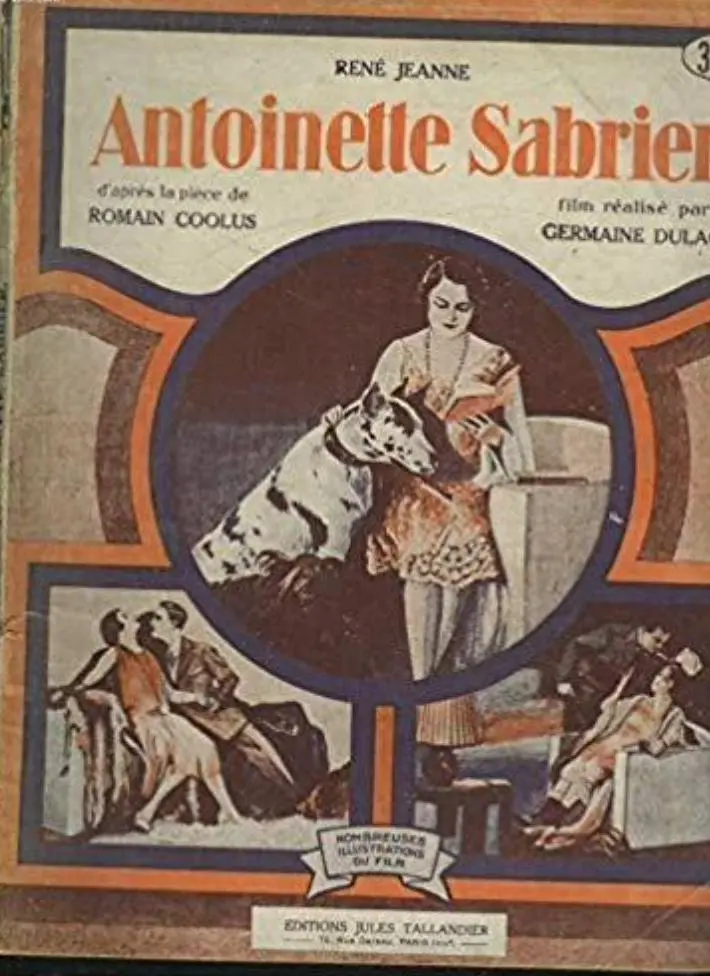
A definitive 6.9/10 rating for a film that redefined the boundaries of cult cinema. Antoinette Sabrier remains a cornerstone of transgressive art.
Is Antoinette Sabrier worth your time in an age of instant gratification? Short answer: Yes, but only if you are willing to look past the grain of the film to see the radical soul beneath it.
This film is for the cinephile who treats the screen like a mirror; it is for those who find more drama in a lingering close-up than in a car chase. It is definitively not for those who demand linear, high-octane storytelling or those who find the silence of pre-talkie cinema deafening.
1) This film works because it successfully translates the internal monologue of a woman into a visual language that feels startlingly modern, using montage not just for sequence, but for sensation.
2) This film fails because it occasionally remains too tethered to its theatrical roots, allowing certain dialogue-heavy sequences (conveyed via intertitles) to stall the visual momentum Dulac works so hard to build.
3) You should watch it if you want to see the exact moment when cinema stopped being a recording of a play and started being its own psychological art form.
When Germaine Dulac took on Romain Coolus's play, she wasn't looking to document a performance. She was looking to dismantle it. Unlike the more straightforward narrative approach seen in Nearly Married, Dulac uses the camera as an invasive tool. She is interested in the spaces between the lines. In the dinner party scene, the camera doesn't just sit and watch; it flickers. It catches the sweat on a brow, the tightening of a hand on a glass, the way Antoinette looks at her lover while her husband speaks of business.
This is associative montage at its most potent. Dulac cuts from a face to a flickering light, or from a smile to a shadow, creating a sense of unease that the script alone couldn't convey. It’s a technique that makes the film feel alive, even a century later. It works. But it’s flawed. The pacing in the second act leans heavily on the audience's familiarity with the source material, which can leave a modern viewer feeling slightly adrift in the specifics of the Sabrier family’s financial woes.
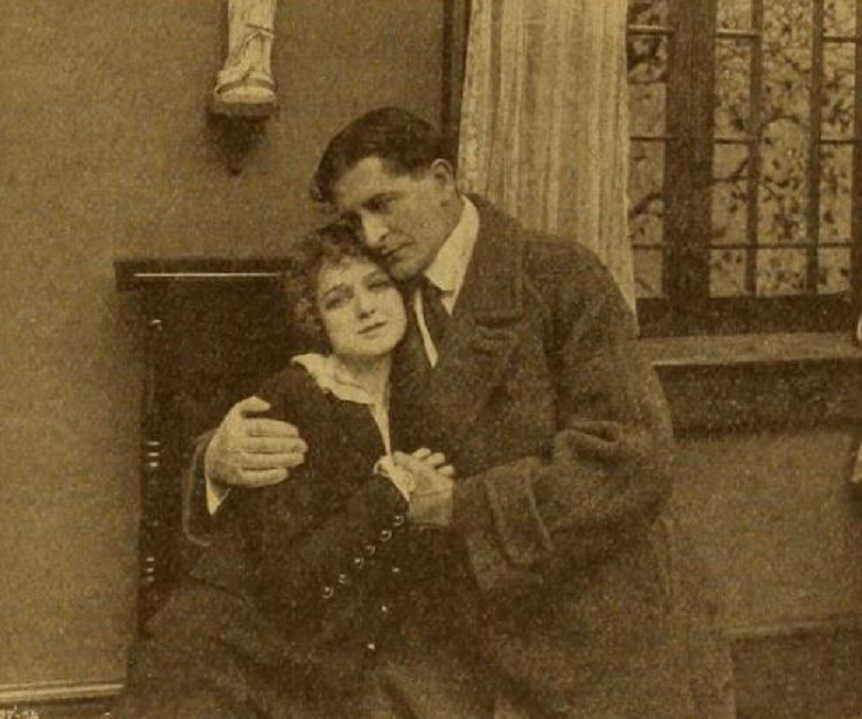
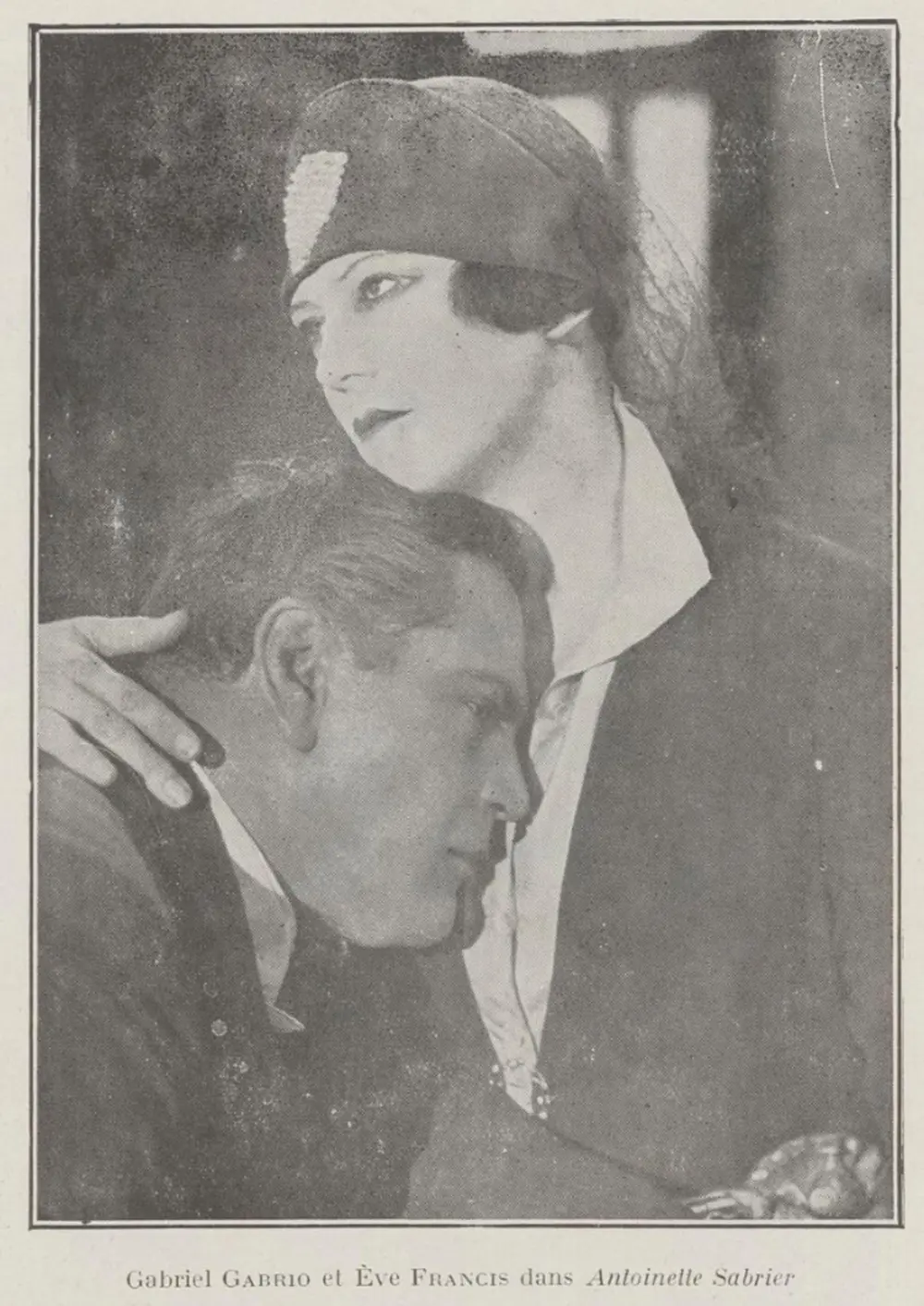
Ève Francis is the gravity that holds this film together. In an era where silent acting often defaulted to wild gesticulation—think of the heightened energy in The Mystic—Francis is a stone. Her face is a landscape of repressed desire. There is a specific moment where she stands by a window, the light cutting across her eyes, and through a subtle use of slow motion, Dulac stretches the second. We aren't just watching a woman think; we are feeling the weight of her decision. It is a masterclass in economy.
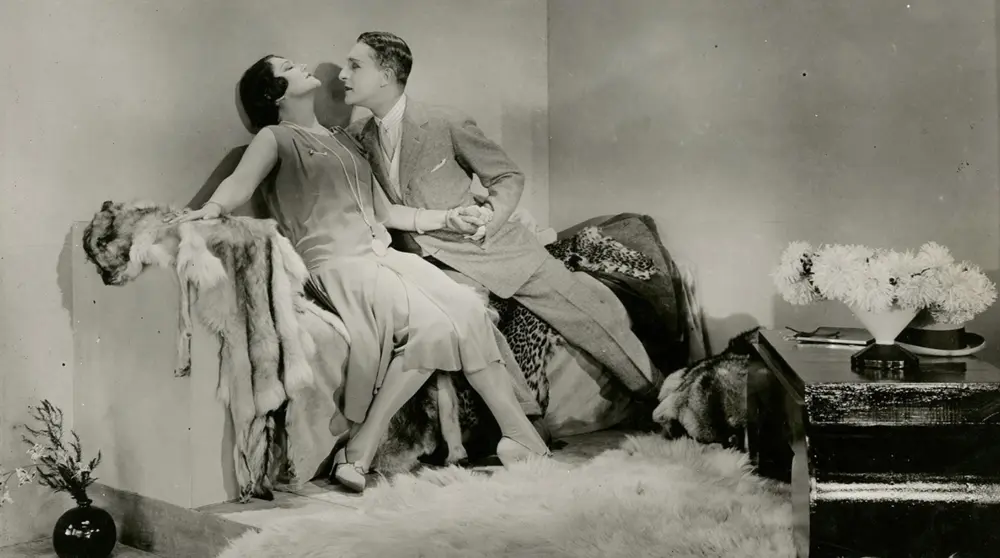
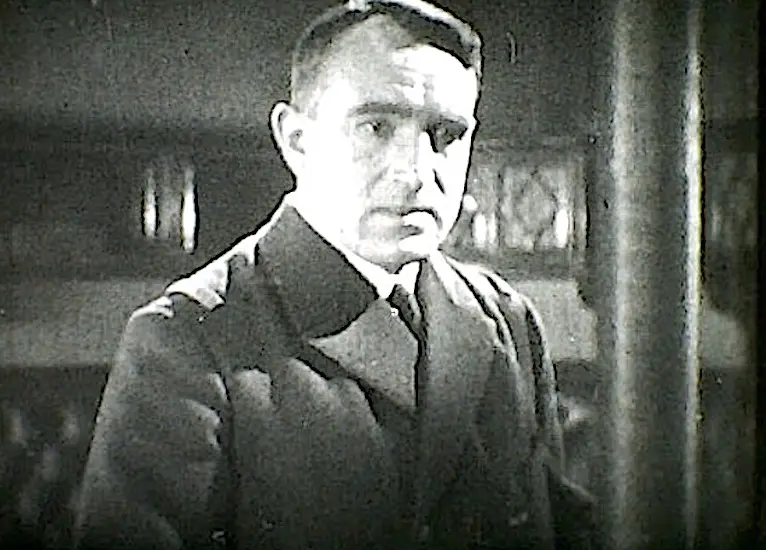
Contrast this with the masculine performances of Gabriel Gabrio and Paul Menant. They represent the two poles of Antoinette’s world: the security of the past and the danger of the future. While they are competent, they often feel like archetypes. Antoinette is the only truly three-dimensional human in the frame. This was a bold stance for 1928. It suggests that the men are merely obstacles or catalysts in Antoinette’s personal journey, rather than the protagonists of their own.
Dulac’s use of slow motion isn't a gimmick. It’s a revelation. In one sequence, where Antoinette is torn between a confrontation and a retreat, the film slows down just enough to make the air feel thick. It’s as if we are submerged in water with her. This is the hallmark of the Impressionist movement in French cinema, and here it is used to investigate the concept of "human intimacy."
The cinematography doesn't try to be beautiful in a traditional sense. It is atmospheric and often claustrophobic. The use of shadows in the Sabrier household reminds me of the visual tension in Conflict, where the environment becomes a character in itself. The house is a cage. The lover’s apartment is a temporary, fragile escape. Dulac uses these spaces to tell a story of entrapment that words would only diminish.
If you are interested in the evolution of feminist perspectives in media, Antoinette Sabrier is essential viewing. It doesn't offer easy answers. It doesn't punish its protagonist for her "liberation" in the way many films of the era did. Instead, it asks the audience to sit with her discomfort. It is a demanding film, but the rewards are found in its textures and its refusal to be a simple morality play.
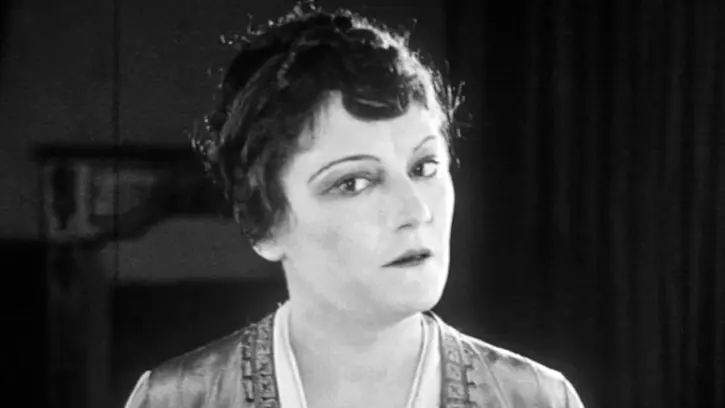
For those who enjoyed the character studies in Pretty Lady, this will feel like a more experimental, intellectually rigorous sibling. It is a film that requires your full attention. If you give it, you will find a portrait of a woman that feels more contemporary than many characters written today.
Pros:
- Groundbreaking visual techniques that predate the French New Wave.
- A nuanced, non-judgmental look at female desire and infidelity.
- Powerful, understated lead performance by Ève Francis.
- Exceptional use of lighting to create a sense of psychological entrapment.
Cons:
- The secondary male characters lack the depth of the protagonist.
- Some narrative transitions feel abrupt due to the age of the print and the editing style.
- Requires a high level of patience for silent-era pacing.
Antoinette Sabrier is a defiant piece of cinema. It is a bridge between the old world of theater and the new world of visual poetry. While it carries the dust of a century on its shoulders, the heart of the film beats with a relevance that is impossible to ignore. Germaine Dulac didn't just film a story; she captured a vibration. It is a haunting, occasionally difficult, but ultimately rewarding experience that proves cinema was capable of profound psychological depth long before it found its voice. This isn't just a movie; it's an intervention in the history of the female image. Watch it for the history, but stay for the raw, human truth that Dulac manages to pin to the screen.
IMDb 4.9
1930
Community
Log in to comment.