DbcultAccessing Vault...
6.2/10
Senior Film Conservator
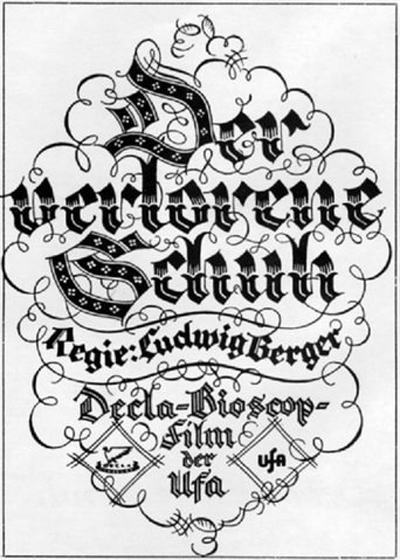
A definitive 6.2/10 rating for a film that redefined the boundaries of cult cinema. Der verlorene Schuh remains a cornerstone of transgressive art.
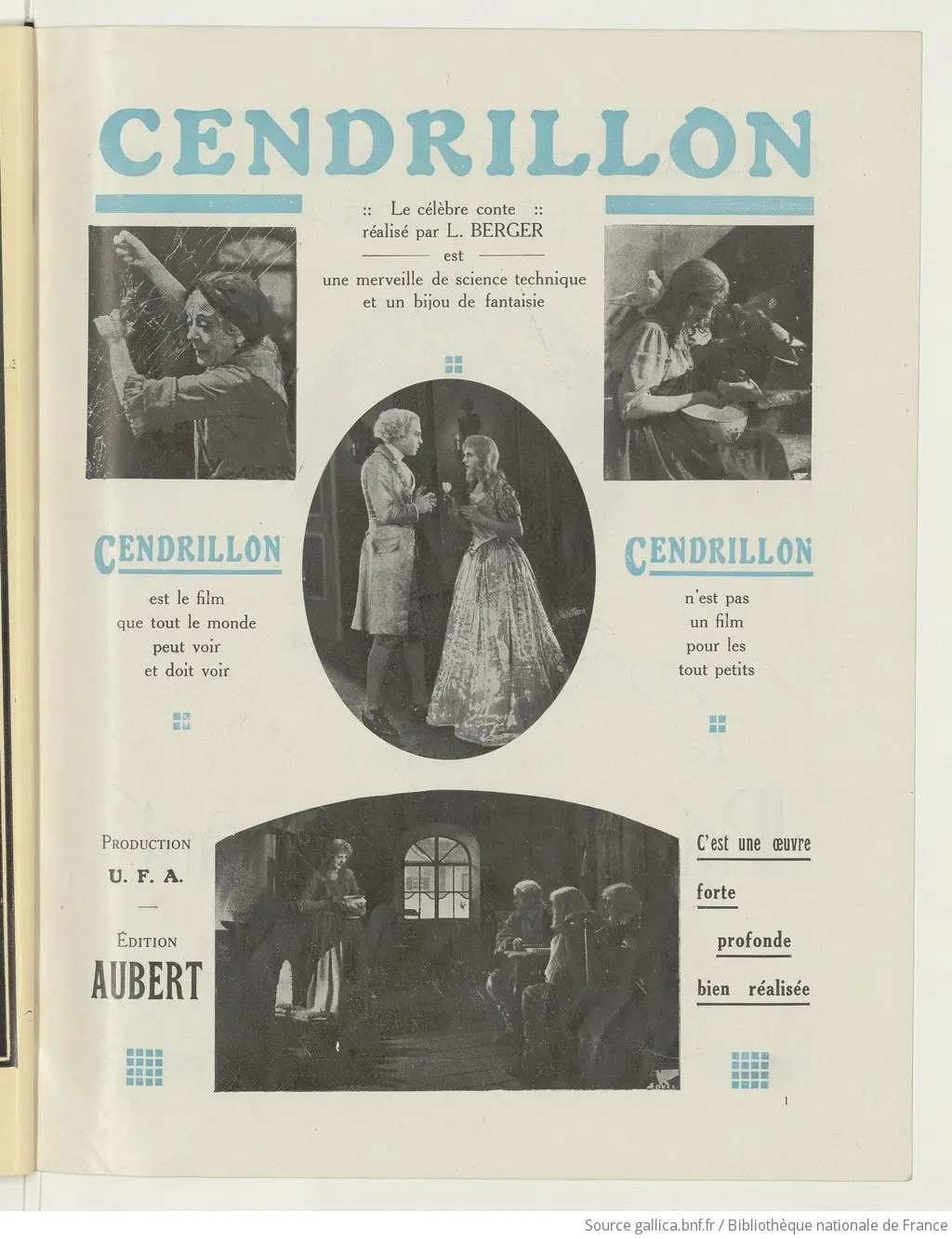
When the Weimar Republic teetered on the brink of cultural upheaval, German filmmakers turned to the visual language of Expressionism to articulate collective anxieties. Der verlorene Schuh, directed by the visionary Ludwig Berger, occupies a singular niche within this movement: it is one of the earliest cinematic adaptations of the Cinderella legend, yet it discards the story’s saccharine optimism in favour of a brooding, almost nihilistic atmosphere. The film’s mise‑en‑scene—angular sets, stark contrasts, and a pervasive chiaroscuro—mirrors the internal turmoil of its mute heroine, portrayed by the luminous Emilie Kurz.
The plot unfurls with a deliberate slowness that allows each visual motif to breathe. The opening sequence, a rain‑soaked courtyard, establishes a world where light is scarce and hope even scarcer. The step‑mother (Frida Richard) and stepsisters are not merely antagonists; they embody the oppressive bourgeois order that the Expressionist aesthetic seeks to critique. Their costumes—sharp, geometric, and rendered in muted tones—contrast sharply with the protagonist’s ragged attire, underscoring her marginality. The titular shoe, however, is the film’s most potent symbol. Forged from discarded wood, it represents both the protagonist’s ingenuity and the fractured nature of her identity. When the prince (Paul Hartmann) appropriates the shoe during the masquerade, the act becomes less a romantic gesture and more a ritualistic acquisition of power. The shoe’s eventual shattering is a visual metaphor for the disintegration of societal hierarchies, echoing the thematic concerns of contemporaneous works such as Kino‑pravda no. 2. The narrative’s climax—an almost hallucinatory chase through a labyrinthine manor—utilises distorted set pieces that seem to pulse with a life of their own. The camera glides, then jerks, mirroring the protagonist’s frantic escape. In this sequence, the film’s editing, influenced by the avant‑garde techniques of the era, becomes a character in its own right, dictating rhythm and tension. By the final tableau, the broken shoe fragments glint under a cold moon, a visual echo of the shattered dreams that haunt the heroine. The ending is deliberately ambiguous: does she achieve emancipation, or is she merely caught in an endless cycle of yearning? This open‑endedness invites endless scholarly debate, cementing the film’s status as a touchstone of Expressionist cinema.
Emilie Kurz’s performance is a masterclass in silent acting. Deprived of dialogue, she relies on micro‑expressions—an arched eyebrow, a trembling hand—to convey a spectrum of emotions ranging from despair to defiant hope. Her eyes, often caught in close‑up, become portals to an inner world that the script never explicitly articulates. Frida Richard, as the step‑mother, employs a theatrical gravitas that borders on the grotesque, yet never lapses into caricature. Her measured movements and steely gaze create a palpable tension that permeates every scene she occupies. In contrast, Paul Hartmann’s prince is shrouded in melancholy; his stoic demeanor and occasional glances toward the shattered shoe suggest an inner conflict that aligns with the film’s overarching theme of existential dread. The supporting cast—Mady Christians, Werner Hollmann, and Olga Tschechowa—populate the narrative with rich, albeit brief, character sketches. Each contributes to the tapestry of oppression and longing that defines the film’s emotional landscape.
The cinematographer, whose name has been lost to time, employs low‑angle shots and deep focus to emphasize the towering architecture of the manor, making it appear as an oppressive entity. The use of chiaroscuro—deep shadows juxtaposed with harsh, directional lighting—creates a visual language that is both poetic and unsettling. The set design, credited to Ludwig Berger’s artistic collaborators, draws heavily from the German Expressionist tradition established by films like Lime Kiln Club Field Day. Angular staircases, warped windows, and elongated corridors convey a sense of psychological distortion that mirrors the protagonist’s inner turmoil. Notably, the masquerade sequence utilizes a kaleidoscopic palette of deep reds, midnight blues, and the film’s signature dark orange (#C2410C) in costume accents, creating a visual feast that simultaneously dazzles and disorients the viewer.
At its core, Der verlorene Schuh interrogates the rigid class structures of early 20th‑century Germany. The protagonist’s ascent—from a subservient domestic to a figure who briefly touches aristocratic power—mirrors the fleeting promises of social mobility promised by the Weimar Republic, only to be shattered by systemic inertia. Gender dynamics are equally pivotal. The film subverts the traditional Cinderella narrative by rendering the heroine mute, thereby stripping her of the conventional agency granted through speech. Instead, her agency is expressed through craft—she fashions the wooden shoe—suggesting that creation, not consumption, is the path to empowerment. The uncanny, a hallmark of Expressionist cinema, permeates the film’s visual and narrative fabric. The recurring motif of the broken shoe, the spectral presence of the step‑mother’s lingering gaze, and the dream‑like chase through shifting architecture all contribute to an atmosphere that feels both familiar and disorientingly alien.
When juxtaposed with contemporaneous works such as The Unforseen or the later The Leopard's Bride, Der verlorene Schuh stands out for its audacious reinterpretation of a well‑trodden fairy tale. While The Unforseen leans heavily on melodramatic tropes, Berger’s film embraces abstraction, allowing the narrative to function as a visual poem rather than a straightforward story. Moreover, the film’s aesthetic choices prefigure the later works of directors like Fritz Lang and F.W. Murnau, who would further refine the interplay between light, shadow, and psychological depth. In this sense, Der verlorene Schuh can be viewed as a proto‑noir, laying groundwork for the genre’s later evolution. The film also shares thematic DNA with the more whimsical Cupid's Elephant, albeit in stark contrast. Where the latter employs light‑hearted romance to explore societal norms, Berger’s work delves into the darkness lurking beneath those same structures.
Although a silent film, the original score—reconstructed from surviving cue sheets—utilises a minimalist piano motif interspersed with discordant strings during moments of heightened tension. The music mirrors the visual starkness, accentuating the protagonist’s isolation. In contemporary screenings, live orchestras often opt for a modern reinterpretation, employing electronic drones that echo the film’s timeless unease.
For decades, Der verlorene Schuh languished in obscurity, its reels stored in archives awaiting rediscovery. The 2019 restoration, undertaken by the Deutsche Kinemathek, revived the film’s original contrast ratios and repaired damaged frames, allowing contemporary audiences to appreciate its visual brilliance. Critical reassessment has positioned the film as a cornerstone of Expressionist cinema, frequently cited in scholarly texts exploring the intersection of fairy‑tale adaptation and avant‑garde aesthetics. Its influence can be traced in modern reinterpretations of classic tales, from Tim Burton’s gothic sensibilities to the stark realism of contemporary European art‑house productions. In the digital age, the film enjoys a cult following on streaming platforms, where its dark aesthetic resonates with viewers seeking alternatives to mainstream fairy‑tale retellings. The film’s thematic relevance—particularly its critique of class rigidity and gendered oppression—continues to spark discussions on social media forums and academic conferences alike.
Der verlorene Schuh is not merely an early cinematic retelling of Cinderella; it is a haunting meditation on the human condition, rendered in a visual language that remains as potent today as it was in 1923. Its masterful blend of symbolic storytelling, evocative performances, and groundbreaking set design solidifies its status as an essential work for any serious cinephile. Whether you approach it as a historical artifact or as a timeless piece of art, the film offers a richly layered experience that rewards repeated viewings.
IMDb 6.8
1933
Community
Log in to comment.