DbcultAccessing Vault...
Cult Review
Senior Film Conservator
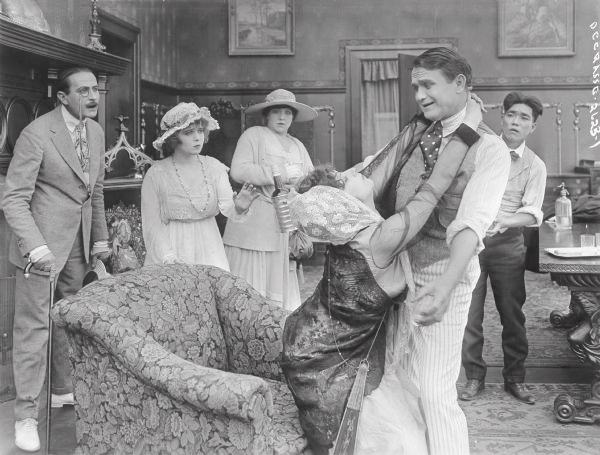
In the annals of early cinematic history, where the flickering light of the projector brought forth tales of heroism, villainy, and undying love, few genres captured the American imagination quite like the Western. These silent epics, often brimming with audacious stunts, moralistic undercurrents, and a palpable sense of adventure, served as a foundational pillar for Hollywood's burgeoning identity. Among these forgotten gems emerges 'Anything Once', a 1927 production that, despite its age, still pulsates with a vibrant, almost manic energy. It’s a film that encapsulates the era’s penchant for narrative exuberance, blending high-stakes drama with an almost farcical brand of comedy, all while delivering a surprisingly intricate plot that keeps the viewer on the edge of their seat, even a century later. This isn't just a simple cowboy flick; it's a testament to the storytelling prowess of its time, a rollicking ride that defies easy categorization and delivers on its promise of an unforgettable experience.
The narrative engine of 'Anything Once' is ignited by a classic Western trope: the bitter feud. 'Coyote' Crosby, the formidable proprietor of the sprawling 'Big Star' ranch, finds himself locked in a deadly contention with 'Horned Toad' Smith, an infamous Arizona outlaw whose claim to Crosby's land culminates in a fatal confrontation. The tragic news reaches Dorothy Stewart, Crosby's niece, and cousin to the dashing, if somewhat naive, Teddy Crosby. What follows is a testamentary bombshell: Crosby's will, a document steeped in eccentric stipulations, dictates that Dorothy and Teddy must marry to secure their inheritance of the ranch. This decree, rather than being a burden, surprisingly invigorates Teddy, who has long harbored a romanticized yearning for the untamed West. His journey into this new life is immediately complicated by the appearance of Teck and Kikal, two avaricious lawyers masquerading as executors. These conniving figures attempt to intimidate Teddy into selling the ranch at a pittance, regaling him with exaggerated, terrifying tales of 'Horned Toad' Smith. Far from being cowed, Teddy's adventurous spirit is stoked, and he defiantly embarks on the first train westward, eager to embrace the very experiences the lawyers hoped would repel him.
Simultaneously, a new player enters the fray: Paprika, a mysterious young woman with a legitimate claim against Crosby's estate. Her arrival in New York to confront Teddy sets off a chain of events that highlights the film's comedic timing and knack for misdirection. Missing Teddy at his apartment, she unwittingly crosses paths with Herbert Wendling, a fortune-hunting opportunist who, upon gleaning fragments of information from Paprika, craftily insinuates to Dorothy and her mother that Paprika has a scandalous history with Teddy. While Dorothy, ever loyal, dismisses these accusations, her mother’s skepticism is piqued. The subsequent revelation that Paprika traveled West on the same train as Teddy galvanizes them into action, prompting their immediate departure for the ranch to safeguard Dorothy's interests. This intricate web of misunderstandings, fueled by whispers and half-truths, forms the core of the film's delightful chaos, propelling characters across the country towards an inevitable, dramatic collision.
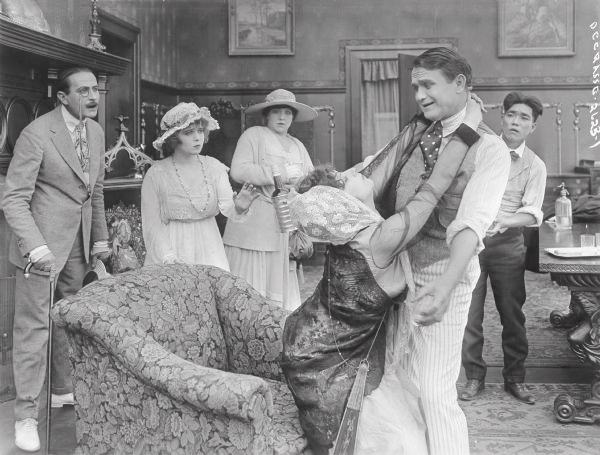
The cast of 'Anything Once' is a vibrant collection of archetypes, each contributing to the film’s unique flavor. Franklyn Farnum, in the role of Teddy Crosby, embodies the quintessential Easterner thrust into the rugged frontier. His arrival in evening clothes, a stark sartorial contrast to the dusty Western landscape, immediately establishes his fish-out-of-water status. Yet, Teddy isn't merely a comedic foil; he possesses an inherent pluck and a genuine longing for adventure that makes him an endearing protagonist. His transformation, from a dandy to a quick-witted hero, is a central arc, culminating in his surprising camaraderie with 'Horned Toad' Smith, a relationship born of shared experiences rather than knowledge of their opposing claims. This dynamic, where the hero and villain become unwitting friends, is a stroke of narrative brilliance, showcasing the film's willingness to subvert expectations.
Claire Du Brey's Dorothy Stewart is the steadfast moral compass of the narrative. Her unwavering belief in Teddy, even amidst the swirling rumors propagated by Herbert, anchors the romantic subplot. She is not merely a damsel in distress but a woman of conviction, willing to journey into the unknown to protect her interests and, more importantly, her heart. Her mother, while initially more susceptible to gossip, serves as a relatable representation of societal anxieties regarding reputation and propriety. Then there's the delightful enigma of Paprika, played by Lon Poff, whose presence is a catalyst for much of the film's comedic misunderstanding and eventual resolution. Her past entanglement with 'Horned Toad' adds another layer of intrigue, transforming her from a mere claimant into a pivotal figure in the ranch's future. Her character, though initially misunderstood, ultimately brings a surprising tenderness to the rugged narrative, reminding us that even in the Wild West, old flames can rekindle.
The villains, 'Horned Toad' Smith (H.M. Thurston) and the crooked lawyers Teck and Kikal (played by Raymond Wells and Lon Chaney respectively), provide the necessary antagonistic force. 'Horned Toad' is a classic Western outlaw, initially menacing but ultimately revealed to possess a surprising code of honor, especially in his interactions with Teddy. His character arc, from antagonist to eventual foreman and husband, is perhaps the most unexpected and satisfying transformation in the film, echoing themes seen in other Westerns where adversaries find common ground. Lon Chaney, even in a supporting role as one of the unscrupulous lawyers, likely imbued his character with the distinctive, menacing flair for which he was renowned, adding a layer of theatrical villainy to the proceedings. The cowardly Herbert Wendling, portrayed by William Dyer, serves as the perfect foil to Teddy's burgeoning courage. His consistent attempts to exploit situations for personal gain, culminating in his ludicrous hiding attempts during the gang raid, provide ample comic relief and highlight the stark contrast between true bravery and opportunistic pretense. The interplay between these diverse personalities creates a dynamic, often humorous, and always engaging cinematic experience, proving that even in the silent era, character depth could shine through.
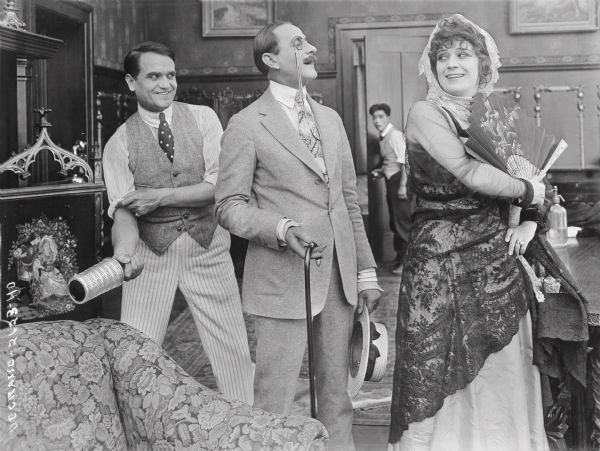
'Anything Once' is far more than a simple shoot-em-up. It delves into intriguing thematic territory, exploring the nature of identity, the allure of the unknown, and the surprising ways in which fate can intertwine lives. Teddy's initial romanticized view of the West, fueled by sensational tales, gradually gives way to a more pragmatic, yet still adventurous, understanding of frontier life. This journey of disillusionment and re-enchantment is a subtle but powerful undercurrent. The film also expertly plays with the concept of perception versus reality. The rumors about Paprika, the misidentification of Teddy by 'Horned Toad' and vice-versa, and the lawyers' fabricated stories all highlight how easily truth can be distorted, and how genuine connection can emerge from the most unlikely of circumstances. The film's resolution, where former adversaries not only make peace but become family, speaks to a deeper message of reconciliation and the possibility of forging new bonds, even after profound conflict. This is a common thread in many classic Westerns, where the harsh realities of the frontier often force individuals to set aside differences for the greater good, a theme perhaps explored with more gravity in films like The Conflict.
The narrative structure is remarkably complex for a silent film, juggling multiple plot threads—the inheritance dispute, the romantic misunderstandings, the villainous machinations of the lawyers, and the ongoing feud—with impressive dexterity. The pacing is relentless, moving from New York to the Arizona frontier with a sense of urgency that propels the story forward. The comedic elements, particularly Herbert's cowardly antics and the drunken Mexican gang's bumbling, are woven seamlessly into the dramatic tension, providing much-needed levity without undermining the stakes. The Fourth of July setting, with its inherent symbolism of independence and explosive celebration, serves as a fitting backdrop for the climax, where fireworks literally and figuratively punctuate the resolution of numerous conflicts. This kind of thoughtful integration of setting and plot is a hallmark of well-crafted cinema, regardless of its era, and sets 'Anything Once' apart from more formulaic genre entries, perhaps even surpassing the narrative simplicity of some contemporary action films like War Is Hell in its intricate plotting.
As a silent film, 'Anything Once' relies heavily on visual storytelling, and in this regard, it delivers with panache. The cinematography, though perhaps not groundbreaking by modern standards, effectively conveys the vastness of the Western landscape and the intimacy of its character interactions. The use of mise-en-scène to establish character, such as Teddy's initial evening attire versus his later Western garb, is particularly effective. Action sequences, from the initial ambush that claims Coyote's life to Teddy's spectacular rescue of Dorothy from the clutches of Pedro and his drunken gang, are staged with a dynamic energy that keeps the audience engaged. The branding iron scene, in particular, must have been a moment of intense suspense, showcasing the raw brutality that could exist in the Wild West, even if ultimately diffused by Teddy's quick thinking and Horned Toad's unexpected change of heart. These moments of heightened drama are punctuated by instances of pure visual comedy, such as Herbert's absurd predicament with Paprika during the raid, which serves to relieve tension and add layers to the film's multifaceted tone.
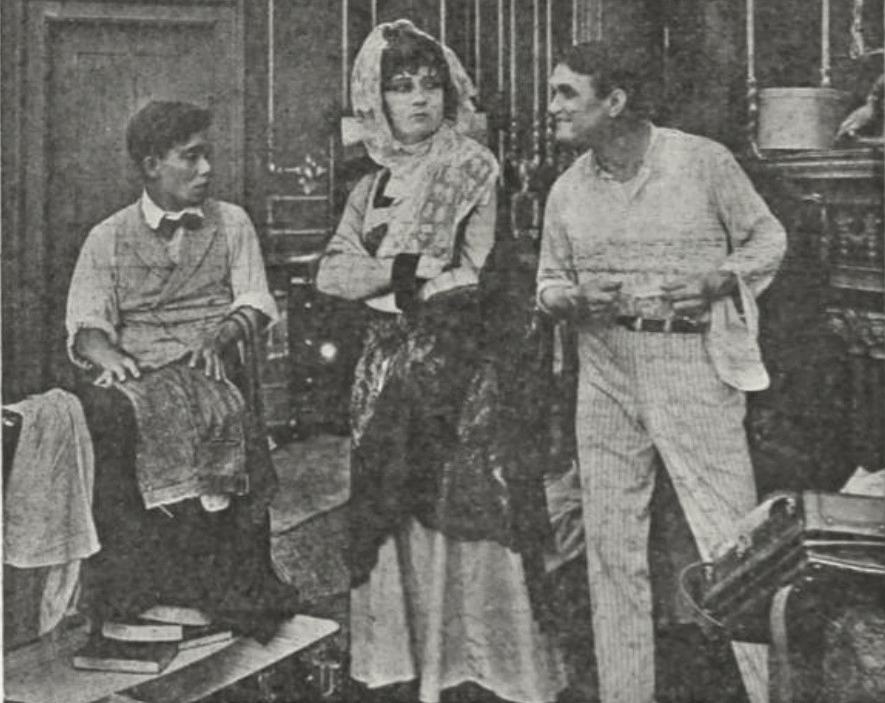
The performances, even without spoken dialogue, are imbued with expressive physicality and facial gestures that convey emotion and intent. Franklyn Farnum's Teddy likely showcased a range from bewildered naiveté to determined heroism, while H.M. Thurston's 'Horned Toad' would have transitioned from menacing outlaw to gruff but ultimately loyal friend through nuanced portrayal. Lon Chaney's presence, even in a smaller role as one of the nefarious lawyers, would have lent a distinct, almost theatrical menace to his character, demonstrating his mastery of silent acting. The film's ability to communicate complex emotional states and intricate plot developments through purely visual means is a testament to the skill of its director, William Parker, and the entire cast and crew. It serves as a reminder of the power of non-verbal communication in cinema, a lesson that contemporary filmmakers sometimes overlook. The visual grammar of films like 'Anything Once', while seemingly simplistic, is a sophisticated language of gestures, expressions, and carefully composed shots that speak volumes, much like the compelling visual narratives found in other compelling dramas of the era such as The Secret of the Storm Country.
In an era of rapid cinematic innovation, 'Anything Once' stands as a captivating example of a silent Western that transcended its genre conventions. It’s a film that masterfully blends action, romance, and comedy, offering a rich tapestry of human foibles and triumphs. The unexpected turns, from the initial will’s demands to the climactic poker game where Teddy wins not just the ranch but also 'Horned Toad's' clothes and his loyalty, demonstrate a playful subversion of typical Western tropes. The double wedding, uniting Teddy and Dorothy, and the surprisingly reformed 'Horned Toad' with Paprika, provides a satisfyingly wholesome conclusion, solidifying the film’s underlying message of community and redemption. This optimistic resolution, where even outlaws find love and a place within society, offers a refreshing contrast to the often stark morality plays of the genre, suggesting a more nuanced view of justice and second chances.
The film’s enduring appeal lies in its sheer entertainment value. It never takes itself too seriously, yet never sacrifices its dramatic stakes. The cowardly flight of Herbert Wendling back East, glad to escape the 'terrible West,' serves as a final comedic flourish, emphasizing the transformative power of the frontier on those brave enough to embrace it, and the utter failure for those who cannot. For modern audiences, 'Anything Once' offers a delightful glimpse into the vibrant storytelling of the silent era, a reminder of cinema's foundational power to transport and entertain. It showcases the incredible talent of its cast and crew, who, without the benefit of synchronized sound, crafted a narrative so compelling and characters so memorable that they continue to resonate. It's a film that proves, unequivocally, that in the boundless world of the Wild West, and indeed in the realm of storytelling, anything once truly is possible. If you appreciate the intricate dynamics of early cinema and the unique charm of the Western genre, this film is a must-see, offering a fascinating counterpoint to the more serious dramatic narratives of its time, much like the nuanced character studies found in A Woman Wills or the moral explorations of The Victory of Virtue.
IMDb —
1921
Community
Log in to comment.