DbcultAccessing Vault...
4.3/10
Senior Film Conservator
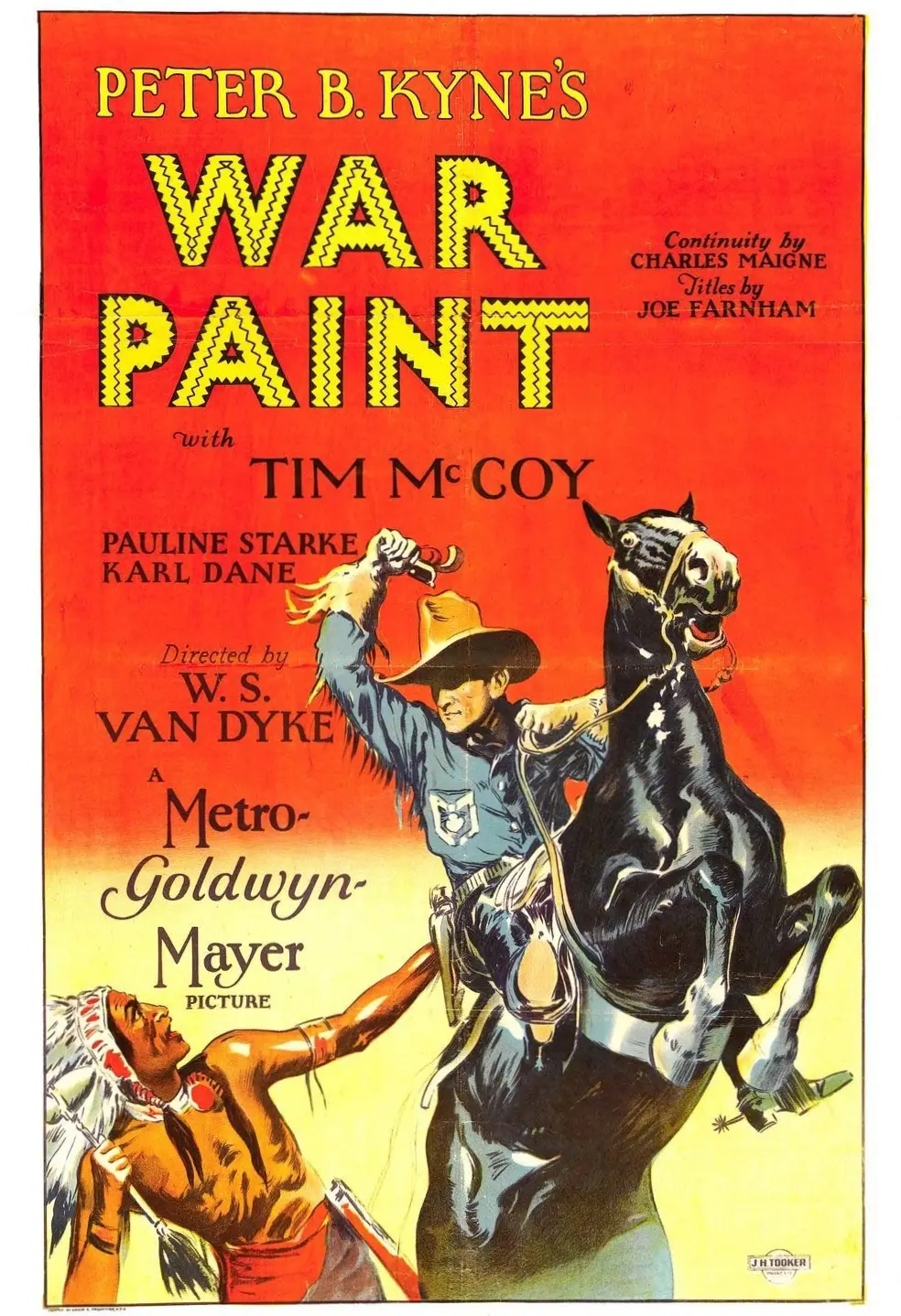
A definitive 4.3/10 rating for a film that redefined the boundaries of cult cinema. War Paint remains a cornerstone of transgressive art.
Is 'War Paint' worth watching today? Short answer: yes, but with significant caveats that demand a specific kind of viewer. This early Western, a silent film from 1926, offers a fascinating, if imperfect, window into a pivotal era of American cinema and its evolving, often problematic, portrayal of indigenous peoples.
It's a film for those with a deep appreciation for historical cinema, silent narratives, and the foundational elements of the Western genre. However, if you require modern pacing, nuanced character development through dialogue, or a strictly historically accurate depiction of Native American life, 'War Paint' is emphatically not for you. Its value lies in its historical context and its raw, unpolished charm, not in contemporary entertainment value.
The Western genre, even in its nascent stages, always grappled with themes of freedom, justice, and the untamed frontier. 'War Paint' embodies these foundational ideas, presenting a narrative that, while simplistic, taps into universal desires for autonomy. The film works because it captures a raw, visceral sense of movement and desperation, propelled by the silent film's reliance on visual storytelling.
This film fails because its narrative depth is limited by the conventions of its time, resulting in character motivations that often feel broad rather than deeply personal. The reliance on exaggerated facial expressions and physical action, while typical for silent cinema, can feel overwrought to modern eyes, hindering genuine emotional connection.
You should watch it if you are a film historian, a student of the Western genre, or someone curious about how cinema addressed complex social issues almost a century ago, even if imperfectly. It's a valuable artifact, less a thrilling ride and more a historical document.
The premise of 'War Paint' is deceptively simple: an Arapahoe chief, weary of the confines and indignities of reservation life, stages an escape with a handful of his most loyal warriors. This isn't just a physical breakout; it's an act of profound defiance, a desperate attempt to reclaim a lost way of life and the inherent dignity that comes with self-determination. The film, directed by W.S. Van Dyke and Charles Maigne, understands that this flight is born from a deep-seated unhappiness, even if it doesn't always articulate the nuances of that discontent with modern clarity.
The ensuing pursuit by a detachment of U.S. Cavalry, led by Captain Tim McCoy, forms the backbone of the narrative. This chase is not merely a cat-and-mouse game; it's a symbolic collision of two worlds, each operating under its own code and imperative. The cavalry's mission is order and control, to enforce the new reality, while the chief's mission is to resist that reality, to cling to the fragments of an older, freer existence. The vast, rugged landscapes serve as both a sanctuary and an unforgiving adversary for both parties.
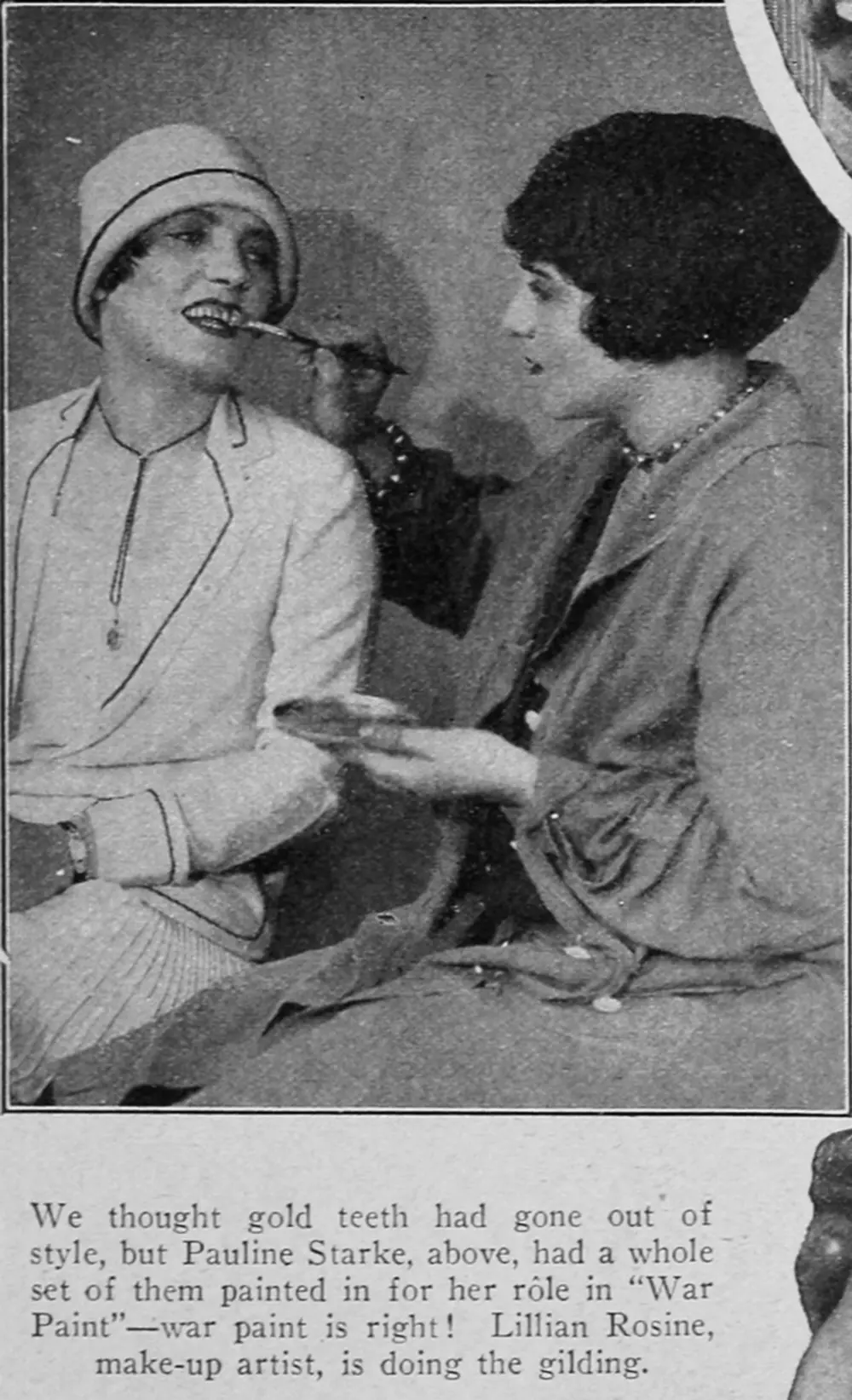
What makes this plot compelling, despite its age, is its inherent tragedy. There’s no easy victory, no clear-cut villain. Both sides are driven by what they perceive as right, creating a tension that transcends simple good-versus-evil dichotomies. While the film’s perspective is undeniably influenced by the era's prevailing attitudes, it manages to imbue the chief’s flight with a certain pathos, suggesting a deeper understanding of his plight than one might expect from a 1920s Western.
In silent cinema, acting is a delicate balance of physical expression and nuanced facial cues, a language often lost on contemporary audiences accustomed to dialogue-driven performances. 'War Paint' showcases this unique craft through its central figures. Iron Eyes Cody, portraying the Arapahoe Chief, delivers a performance marked by a stoic intensity. His eyes, in particular, convey a weariness and a fierce resolve that speaks volumes without a single uttered word. There's a particular scene where he surveys the reservation, a subtle slump in his shoulders communicating the crushing weight of his situation, far more effectively than any caption card could.
Whitehorse, as one of his loyal warriors, provides a powerful supporting presence, his loyalty etched into every defiant stance and protective gesture. The bond between the chief and his men is palpable, a testament to the actors' ability to project camaraderie and shared purpose through silent interaction. Their movements are deliberate, almost ritualistic, lending a gravitas to their rebellion that elevates it beyond mere escape.
On the opposing side, Tim McCoy, as the cavalry captain, embodies the duty-bound, yet not entirely unsympathetic, antagonist. McCoy, a real-life soldier and expert horseman, brings an authentic physicality to the role. His performance is less about overt emotion and more about steadfast determination and military precision. One notable sequence shows him meticulously tracking the chief, his focused gaze and precise hand gestures demonstrating a professional resolve, rather than overt malice. This portrayal helps to complicate the simple 'cowboys and Indians' trope, presenting a figure who is merely doing his job, albeit one that clashes directly with the chief's pursuit of freedom.
The ensemble cast, including J.W. Cody, Dick Botiller, and Charles Soldani, fill out the ranks of both the warriors and the cavalry, each contributing to the visual tapestry of the film. While individual character development is sparse, their collective presence creates a convincing sense of a world in conflict. The exaggerated gestures, typical of the era, might seem melodramatic to modern viewers, but they were essential for conveying emotion and intent to an audience without sound. It's a different kind of acting, one that demands a different kind of appreciation.
The visual language of 'War Paint' is perhaps its most enduring strength. W.S. Van Dyke and Charles Maigne's direction leverages the vast, untamed American West to its fullest potential. The cinematography, though black and white and lacking the technical sophistication of later eras, captures the grandeur and isolation of the landscape with remarkable efficacy. Wide shots of galloping horses across open plains are a recurring motif, emphasizing the scale of the pursuit and the insignificance of individual figures against nature’s backdrop.
There's a particular shot, early in the film, of the Arapahoe warriors silhouetted against a setting sun, their figures stark and defiant. This visual choice immediately establishes their struggle as epic, almost mythic. The film makes excellent use of natural light, creating dramatic contrasts between sun-drenched plains and shadowed canyons, which heightens the tension of the chase sequences. The pacing, while slower than modern action films, is effective for its time, allowing the audience to absorb the visual information and the emotional weight of each moment.
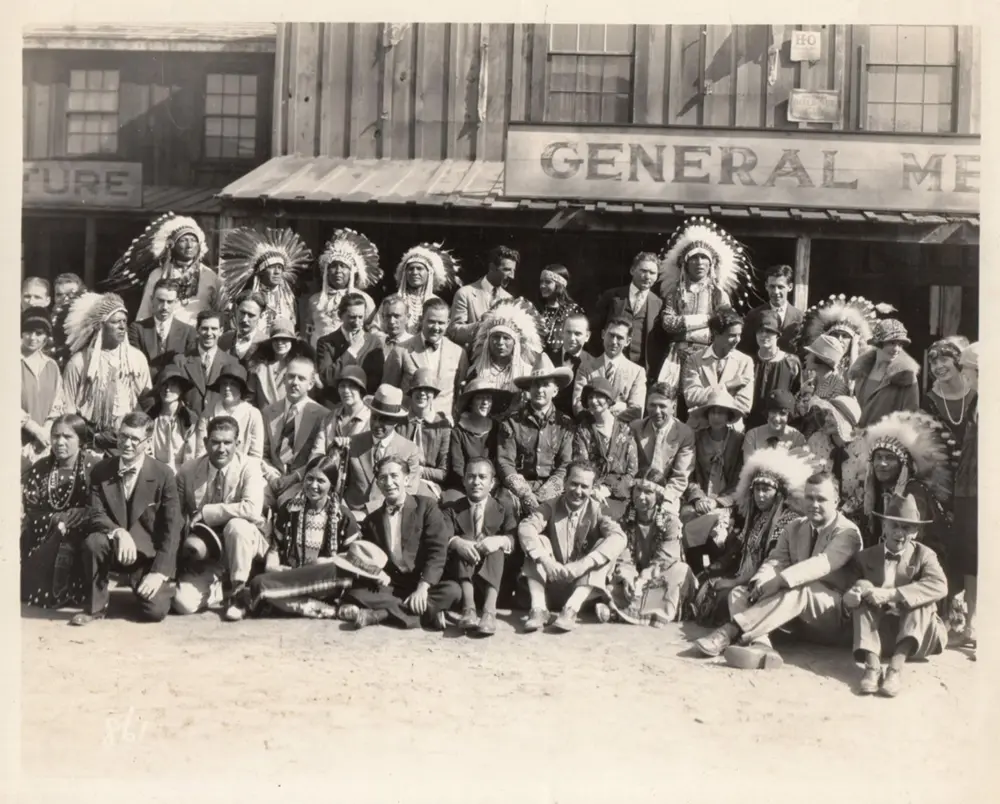
The action sequences, particularly the horse chases, are well-executed and convey a genuine sense of peril. Given the limitations of 1920s filmmaking, the stunts are impressive, relying on practical effects and skilled horsemanship. The camera work, while static by today's standards, is always purposeful, framing the action to maximize impact. The directors understood that without dialogue, the visuals had to tell the story, and they largely succeeded in creating a compelling, if visually straightforward, narrative through their lens.
'War Paint' exists as a fascinating, often uncomfortable, artifact of its time. It’s impossible to view a 1920s Western featuring Native American characters without acknowledging the deeply ingrained stereotypes and historical inaccuracies prevalent in early Hollywood. While the film attempts a degree of empathy for the chief's plight, it still frames the narrative through a distinctly Western gaze, portraying the cavalry's actions as a necessary, if sometimes regrettable, enforcement of order. This is a point of contention that must be addressed.
My unconventional observation is that, despite its limitations, 'War Paint' inadvertently becomes a powerful document of the vanishing frontier, not just in terms of landscape but also in terms of cultural clash. The silent format forces an interpretation that is less about what is said and more about what is seen and felt, allowing the viewer to project their own understanding onto the characters' motivations. This can be both a strength and a weakness, leaving room for both empathy and the perpetuation of outdated tropes.
The film's casting of actual Native American actors like Iron Eyes Cody, Chief Yowlachie, and Chief John Big Tree, while not entirely without its own complexities (Iron Eyes Cody himself had a complicated heritage), was a step towards authenticity compared to earlier films that often used white actors in 'redface.' However, the overarching narrative still falls into the trap of the 'noble savage' archetype, presenting a simplified view of complex cultures. It’s a film that demands a critical eye, appreciating its historical significance while simultaneously deconstructing its problematic elements. It works. But it’s flawed.
If you are a film enthusiast interested in the evolution of the Western genre and silent cinema, 'War Paint' is absolutely worth watching. Its historical value as an early example of Hollywood's treatment of indigenous themes is undeniable. For casual viewers seeking modern entertainment, however, its pacing and silent format may prove challenging. It offers a glimpse into a bygone era of filmmaking and societal perspectives, making it a significant piece for study rather than pure escapism.
'War Paint' is not a film for everyone, nor should it be approached as a purely entertaining diversion. Instead, it stands as a significant historical document, a compelling glimpse into the early days of American cinema and its evolving relationship with the Western frontier. Its raw power lies in its visual storytelling and the committed performances of its cast, particularly Iron Eyes Cody’s stoic chief. While its narrative and cultural representations are undeniably products of their time, and therefore require a critical lens, the film offers invaluable insights into the genre’s foundations and the silent era’s approach to complex themes.
It’s a film that sparks discussion, not just about its artistic merits, but about the very nature of cinematic representation and historical memory. For those willing to engage with its particular language and context, 'War Paint' offers a rich, if sometimes challenging, viewing experience. Its legacy, much like that of The Last Frontier or The Exiles, lies not in being a flawless masterpiece, but in its essential contribution to the cinematic tapestry of the American West. It’s a film that deserves to be seen, studied, and discussed, providing a crucial bridge between past and present understandings of a tumultuous era.
IMDb —
1914
Community
Log in to comment.