DbcultAccessing Vault...
3.3/10
Senior Film Conservator
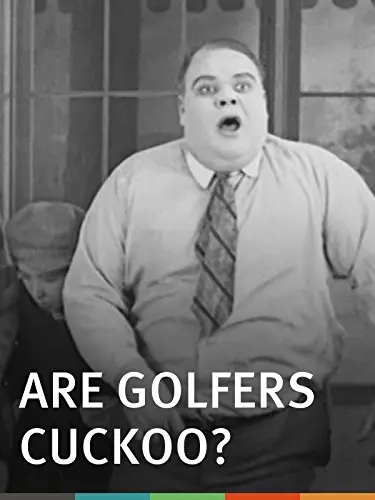
A definitive 3.3/10 rating for a film that redefined the boundaries of cult cinema. Are Golfers Cuckoo? remains a cornerstone of transgressive art.
Is 'Are Golfers Cuckoo?' worth watching today? Short answer: yes, but with significant caveats that ground its appeal firmly in its historical context rather than its pure comedic force. This film is an intriguing relic best suited for cinephiles, historians of early cinema, and those with a deep appreciation for the foundational elements of slapstick. It is decidedly not for viewers seeking modern comedic sensibilities, intricate plotlines, or high-definition spectacle.
This film works because of its unpretentious commitment to simple, physical comedy and its unique snapshot of early 20th-century leisure culture. Charles Dorety and Gene Layman, while not household names today, possess a raw, energetic chemistry that powers the film's core antics, offering a genuine, if rudimentary, sense of fun.
This film fails because its narrative is thin, its humor is often dated, and its technical execution, while competent for its era, offers little in the way of visual sophistication by contemporary standards. The 'havoc' promised by the plot often feels more like a series of disconnected gags than a cohesive comedic escalation, lacking the satirical bite one might hope for.
You should watch it if you are fascinated by the evolution of cinematic comedy, enjoy uncovering obscure gems, or simply want a light, undemanding diversion that offers a glimpse into a bygone era of filmmaking. It’s a curiosity, a historical document, and a brief, chaotic chuckle rolled into one.
Louis Weslyn’s 'Are Golfers Cuckoo?' doesn't waste time on complex exposition. It throws its protagonists, two unnamed 'boys' portrayed by Charles Dorety and Gene Layman, directly into the upper-crust world of the Biltmore Golf Club as caddies. The premise is straightforward: introduce working-class mischief into a bastion of privilege and observe the ensuing mayhem.
The film’s central conceit hinges on the inherent clash between the rigid etiquette of golf and the unbridled, often clumsy, energy of its young protagonists. This isn't a deep dive into social commentary, but rather a playful prodding of societal norms through physical comedy. The 'havoc' is less about calculated rebellion and more about accidental disruption, a series of misunderstandings and youthful exuberance that spirals just beyond control.
One memorable sequence, for instance, involves Dorety's character attempting to retrieve a golf ball from a particularly tricky sand trap. What begins as a simple task quickly devolves into a full-body wrestling match with the sand, showering an unsuspecting, impeccably dressed socialite with a fine spray of grit. It’s a moment that perfectly encapsulates the film's unpretentious brand of humor – simple, visual, and designed for an immediate, unthinking laugh.
The plot, while rudimentary, serves its purpose: to provide a canvas for the comedic duo’s antics. There’s no grand narrative arc, no character development to speak of, just a series of events tied together by the common thread of the boys’ presence and their knack for turning the mundane into the chaotic. This minimalist approach, while perhaps frustrating for modern viewers, was a hallmark of early comedic shorts, prioritizing gag over story.
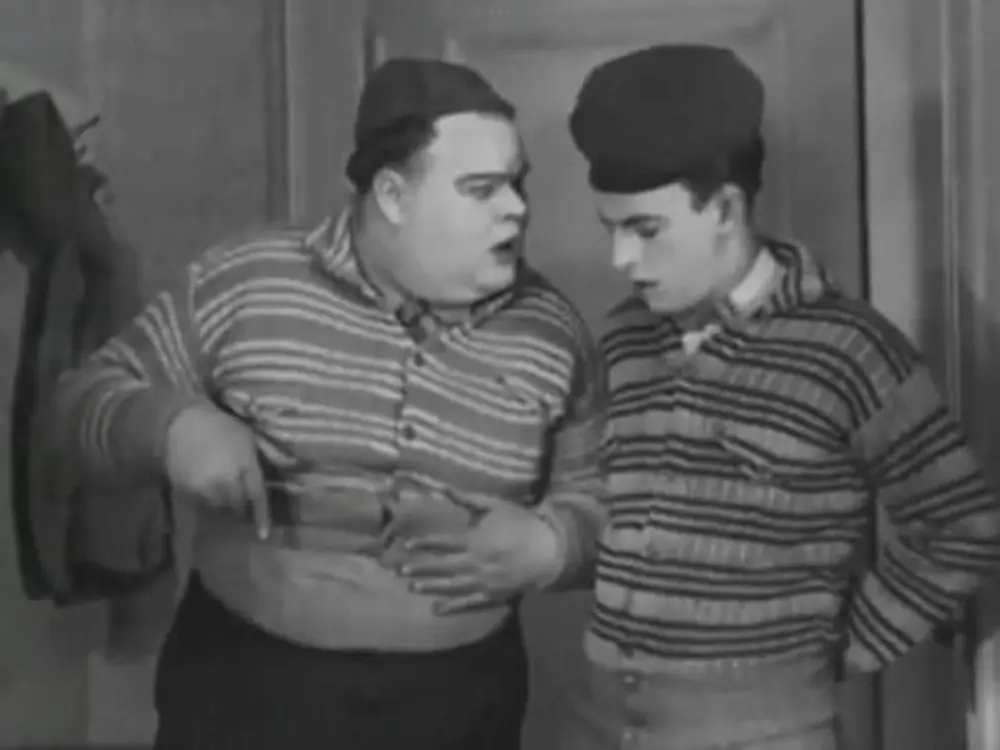
Charles Dorety and Gene Layman, the two central figures, are the engine driving 'Are Golfers Cuckoo?'. While their names may not resonate with contemporary audiences, their performances offer a fascinating glimpse into the physical comedy styles prevalent in the early days of cinema. They embody the archetypal mischievous duo, a precursor to many comedic pairings that would follow.
Dorety, often the more outwardly expressive of the two, brings a frantic energy to his role. His movements are broad, his facial expressions exaggerated – all necessary techniques to convey humor in an era where close-ups were less common and dialogue was non-existent. There's a particular scene where he attempts to carry an oversized bag of golf clubs, stumbling and nearly tripping over every obstacle, a classic bit of slapstick that he executes with commendable commitment.
Layman, on the other hand, often plays the slightly more grounded, though equally accident-prone, counterpart. His humor often comes from his reactions to Dorety’s more outlandish actions, or from his own quiet, almost accidental, acts of sabotage. A standout moment sees Layman’s character, tasked with polishing a set of clubs, inadvertently creating a reflective glare that blinds an irritable golfer mid-swing, sending his shot wildly off course. It’s a subtle, yet effective, piece of comedic timing.
Their chemistry, though not deeply explored through dialogue, is palpable. They work as a cohesive unit, bouncing off each other’s mishaps and often exacerbating the chaos. It’s a raw, unrefined form of acting that relies heavily on physical dexterity and an understanding of visual gags, something both actors clearly possessed. For those interested in the craft of early screen performance, their work here is surprisingly engaging, proving that charisma transcends the spoken word.
Louis Weslyn, as the writer, lays the groundwork for the comedic scenarios, but it's his direction that truly brings the 'cuckoo' aspect to life. Directing a silent, slapstick comedy requires a keen eye for visual storytelling and an understanding of comedic pacing. Weslyn demonstrates a capable hand in both.
The film’s pacing is brisk, typical of shorts from this period. Gags follow one another in relatively quick succession, ensuring that the audience remains engaged without dwelling too long on any single comedic beat. This rapid-fire approach prevents the thin plot from feeling stretched, maintaining a light, frothy tone throughout. It’s a directorial choice that understands the limitations and strengths of its medium.
Weslyn’s use of the Biltmore Golf Club as a setting is also noteworthy. He frames the expansive greens and the elegant clubhouse as a stark contrast to the boisterous energy of the caddies. This visual juxtaposition enhances the humor, making the boys' antics feel even more disruptive against such a pristine backdrop. While the camera work is largely static, typical of the era, Weslyn positions his actors effectively to maximize the visual impact of their physical comedy.
The tone is overwhelmingly lighthearted and farcical. There’s no malice in the boys’ actions, only a youthful exuberance that unintentionally leads to chaos. Weslyn ensures the humor remains innocent, never veering into truly destructive territory. Even when a golf cart ends up tangled in a flagstick, it’s played for laughs rather than genuine peril. This commitment to an amiable, innocent form of comedy is one of its enduring charms, separating it from more cynical modern fare.
The cinematography of 'Are Golfers Cuckoo?' serves as a functional, rather than artistic, element. Shot in what appears to be natural light on location, the film provides a surprisingly clear, if monochrome, window into a specific slice of early 20th-century American leisure. The Biltmore Golf Club itself becomes a character, its manicured lawns and stately clubhouse providing a visually rich backdrop for the antics.
The film largely employs wide shots, allowing the audience to take in the full scope of the physical comedy and the reactions of the surrounding golfers. This approach is practical for silent film, where body language and environmental context are crucial for conveying narrative and humor. While there are no elaborate tracking shots or dramatic angles, the clarity of the image is sufficient to appreciate the setting and the action.
One particularly interesting aspect is how the film captures the fashion and social customs of the time. The golfers, dressed in their period attire, provide an authentic visual texture. This isn't just a comedy; it's a living photograph of an era. The way the club members react to the caddies’ antics – a mixture of exasperation, bewilderment, and sometimes grudging amusement – offers a subtle anthropological insight into class dynamics of the period.
It's a testament to the raw, untamed spirit of early cinema that 'Are Golfers Cuckoo?' manages to be more than just a historical footnote; it’s a surprisingly effective, if rudimentary, precursor to the 'underdog disrupts the establishment' trope that would define decades of comedy. The simplicity of its visual language, far from being a drawback, underscores the purity of its comedic intent. It works. But it’s flawed.
Should you carve out time for 'Are Golfers Cuckoo?' in your busy schedule? Yes, especially if you possess a particular cinematic curiosity.
This film is a valuable artifact for understanding the genesis of screen comedy. It showcases the reliance on physical gags and broad performances that characterized the silent era. It’s short, punchy, and demands little from the viewer beyond an open mind and a willingness to appreciate humor from a different time.
However, it is crucial to temper expectations. This is not a film that will compete with modern blockbusters or even sophisticated contemporary comedies. Its humor is direct, its plot threadbare, and its technical artistry basic by today's standards. It’s an acquired taste, appealing most to those who find joy in the historical evolution of film.
If you enjoy exploring the roots of a genre, or if you're a student of film history, this is a charming, if slight, diversion. For a casual viewer simply seeking laughs, you might find its pace and style too antiquated.
Perhaps the most surprising element isn't the comedy itself, but the unexpected sense of nostalgia it evokes for a time when entertainment didn't require multi-million dollar budgets or complex CGI. It’s a purity that modern blockbusters rarely achieve.
'Are Golfers Cuckoo?' is not a film that will redefine your understanding of cinema, nor will it likely become a personal favorite unless your tastes lean heavily towards the obscure and historical. What it is, however, is a delightful, if fleeting, glimpse into the nascent days of cinematic comedy. Louis Weslyn, with his simple yet effective direction, manages to extract genuine chuckles from a premise that is as old as the game of golf itself: the disruption of order by chaos.
The film's most glaring flaw isn't its simplicity, but its missed opportunity to fully satirize the 'exclusive' world it inhabits. The chaos feels less like pointed social commentary and more like random mischief, leaving a slightly unfulfilled potential for deeper comedic resonance. However, to expect such depth from a short, silent comedy of this era would perhaps be unfair.
Ultimately, 'Are Golfers Cuckoo?' is a film that rewards the patient and the curious. It’s a historical document that happens to be genuinely amusing in parts. It stands as a testament to the enduring appeal of slapstick and the foundational work of early performers like Dorety and Layman. While it won't be everyone's cup of tea, for those willing to step back in time, it offers a charming, if slightly wobbly, swing at comedy. If you enjoyed other early films that explore comedic chaos, such as The Fable of the Traveling Salesman or even the physical antics seen in films like Three Jumps Ahead, you might find a quaint pleasure in this Biltmore Club caper. It’s a film that earns its place in the annals of cinema, not for its groundbreaking artistry, but for its unpretentious spirit and its ability to still elicit a smile, decades after its initial release.
IMDb 4.4
1930
Community
Log in to comment.