DbcultAccessing Vault...
Cult Review
Senior Film Conservator
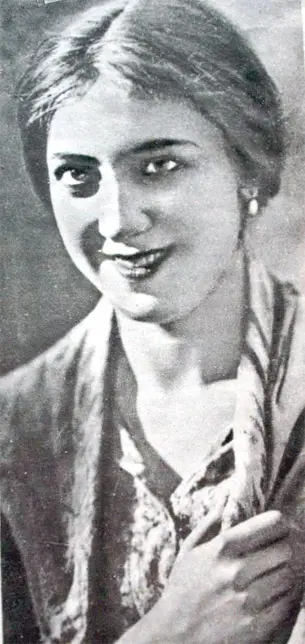
In the early years of the New Economic Policy (NEP), a period of relative liberalization in the Soviet Union, the film Chetyre i pyat unfolds as a gripping espionage thriller. The movie centers around Dmitry Gai, a brilliant Soviet pilot, played by Aleksandr Bahmeteev, who is fervently working on an invention of paramount military importance.
The atmosphere is tense, with Gai's friends, James and Natasha, portrayed by Tatyana Mukhina and Yelena Ilyushchenko, respectively, keeping a watchful eye on his work, ensuring that sensitive information does not leak out. This vigilant monitoring underscores the high stakes and the paranoia prevalent during the Soviet era.
However, the plot thickens with the introduction of Nellie and her accomplice, members of a mysterious group of five spies. They successfully breach the security of Gai's laboratory, making off with the invaluable blueprints. This pivotal moment in the film showcases the cunning and audacity of the antagonists, raising the stakes and propelling Gai into a relentless pursuit.
The cinematography and direction, courtesy of Georgiy Grebner, who penned the screenplay, adeptly capture the suspense and urgency of Gai's chase. As he navigates through the shadows, the audience is treated to a thrilling ride, replete with narrow escapes and daring moves.
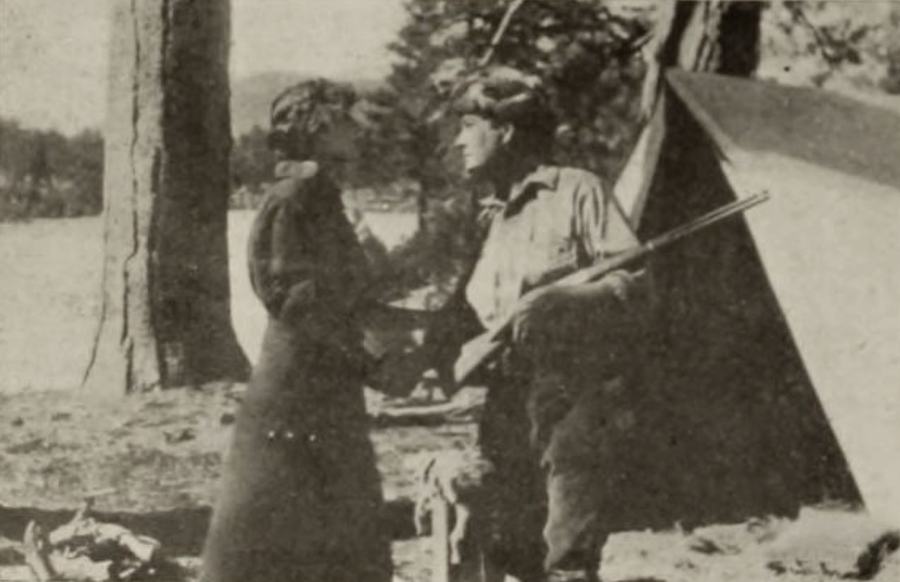
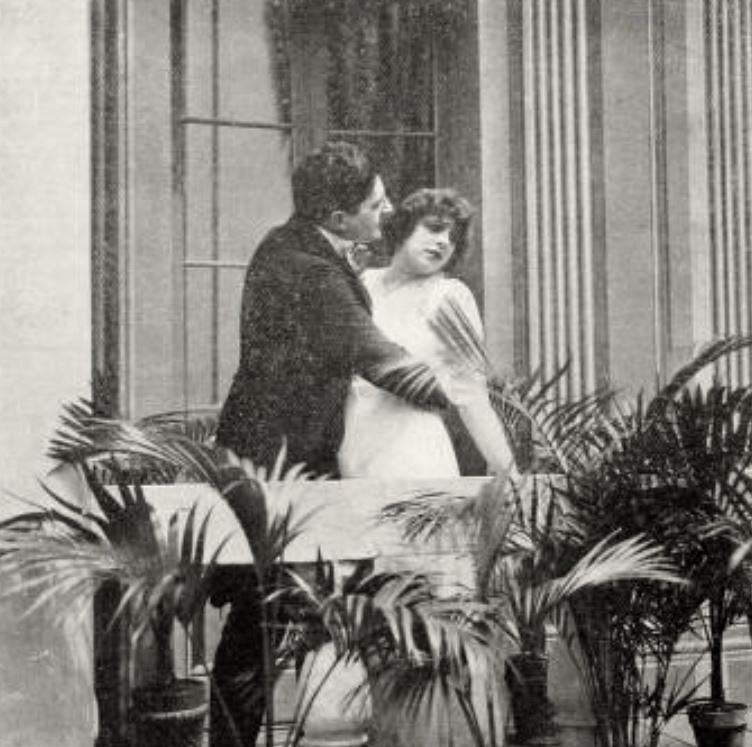
In analyzing Chetyre i pyat, one cannot help but draw comparisons to other films that masterfully blend elements of espionage, action, and drama. For instance, Honor Among Men shares a similar thematic concern with loyalty and deception, albeit within a different historical context. Similarly, His Royal Highness offers a compelling exploration of power dynamics and intrigue, though with a more pronounced focus on royalty and political maneuvering.
The character development in Chetyre i pyat is noteworthy, particularly in the portrayal of Gai and his companions. Their camaraderie and determination to protect their work reflect a microcosm of the larger Soviet ideals of the time, while also highlighting the personal costs of their professional endeavors.
Furthermore, the film's depiction of the espionage underworld, with its shadowy figures and clandestine operations, adds a layer of complexity to the narrative. It is here that Chetyre i pyat aligns with films like Oath-Bound and You Can't Fool Your Wife, which also delve into the themes of loyalty, betrayal, and the blurred lines between personal and professional obligations.
The technical aspects of the film, including its editing and score, contribute significantly to the overall atmosphere of tension and excitement. The pacing is well-balanced, oscillating between moments of high action and intervals of strategic planning and dialogue.
Upon reflection, Chetyre i pyat emerges as a cinematic gem that not only entertains but also provides a window into the socio-political climate of the early Soviet era. Its exploration of espionage, friendship, and the pursuit of innovation, set against the backdrop of a nascent economic policy, makes for a captivating viewing experience.
In conclusion, Chetyre i pyat stands as a testament to the enduring appeal of the espionage thriller genre, complemented by its historical significance and artistic merit. For fans of classic cinema and those interested in the intersection of politics and film, this movie is an absolute must-watch. Additionally, viewers who appreciate the works of Thunderclap and Gretna Green will likely find Chetyre i pyat to be a similarly engaging and thought-provoking experience.
Ultimately, the film's ability to balance action, drama, and historical context makes it a standout in its genre. As a piece of cinematic history, Chetyre i pyat continues to captivate audiences with its timeless themes and gripping narrative, solidifying its place as a beloved classic.
IMDb —
1915
Community
Log in to comment.