DbcultAccessing Vault...
Cult Review
Senior Film Conservator
Is "Crowning the Count" worth watching today? Short answer: Yes, but with significant caveats. This early Jess Robbins silent short is an energetic, if disjointed, dive into the origins of screen comedy, offering a valuable glimpse into the era's frantic pacing and physical humor. It's an absolute must-see for film historians, silent cinema enthusiasts, and anyone curious about the foundational elements of slapstick, especially those who appreciate the raw, unpolished charm of pre-code era shorts. However, it is decidedly not for viewers accustomed to modern narrative coherence, sophisticated character development, or polished production values; its rapid-fire gags and loose plot structure might test the patience of a casual contemporary audience seeking a more refined comedic experience.
This film works because: Its sheer, unadulterated commitment to physical comedy and the rapid-fire succession of gags, showcasing early filmmaking's experimental spirit.
This film fails because: Its narrative cohesion is almost non-existent, making it feel less like a story and more like a collection of loosely connected skits.
You should watch it if: You have a deep appreciation for the historical evolution of comedy, silent era performances, and the joy of simple, audacious slapstick.
Jess Robbins' "Crowning the Count" is less a film and more a comedic experiment, a rapid-fire succession of sight gags designed to elicit guffaws through sheer audacity. It belongs to that fascinating period of cinema where narrative sophistication was secondary to the immediate, visceral impact of physical comedy. What we witness is a raw, almost unbridled energy that prioritizes the laugh above all else, often at the expense of logical progression or character depth.
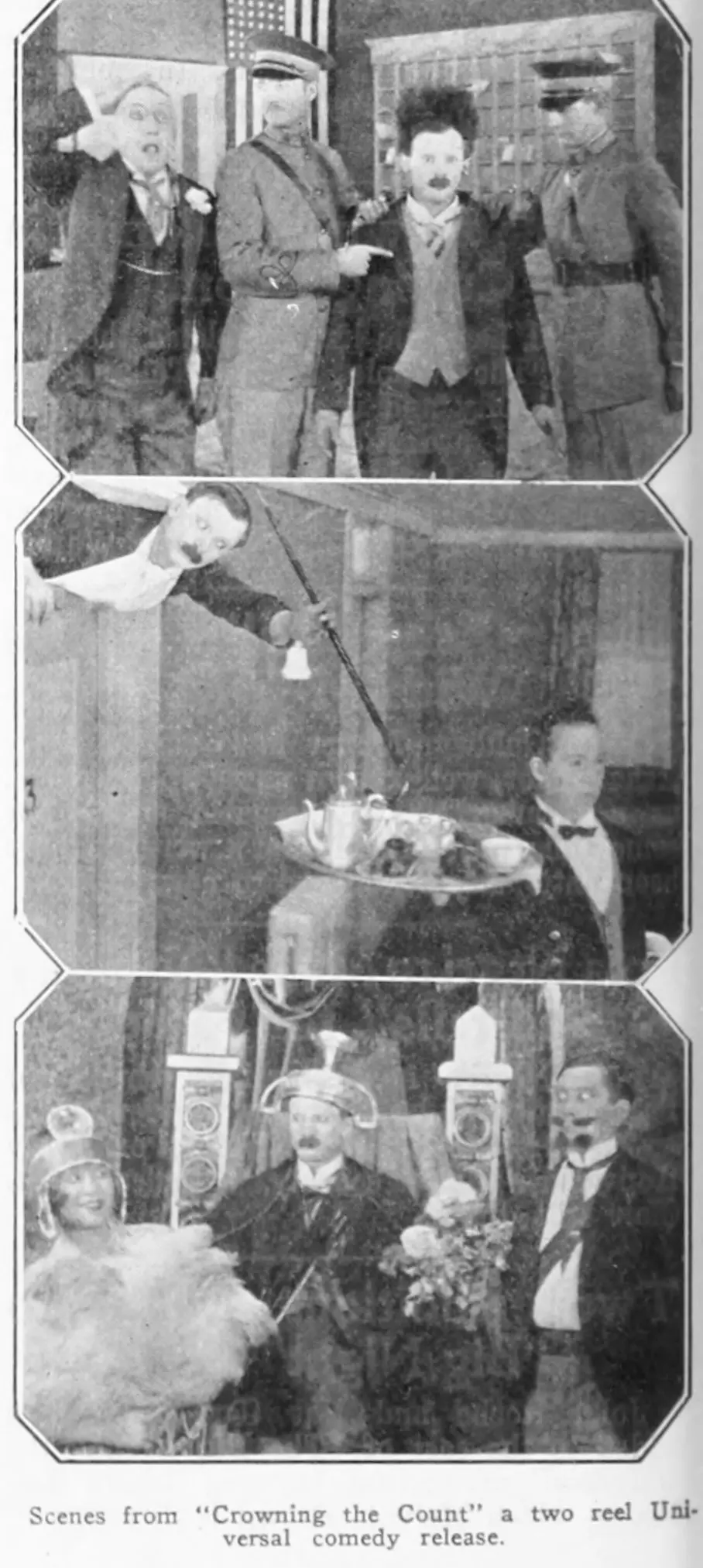
The central premise, if one can call it that, revolves around a hotel setting teeming with eccentricities. From the mysterious foreign gentleman whose sole purpose seems to be the anxious anticipation of an unseen "Count," to the young woman indignantly demanding a "bullfight" for her $2 room due to battling mice, the film immediately establishes a world where the rules of reality are delightfully bent. This isn't realism; it's a stage for exaggerated human folly, a precursor to the more refined comedic chaos of figures like Buster Keaton or Charlie Chaplin.
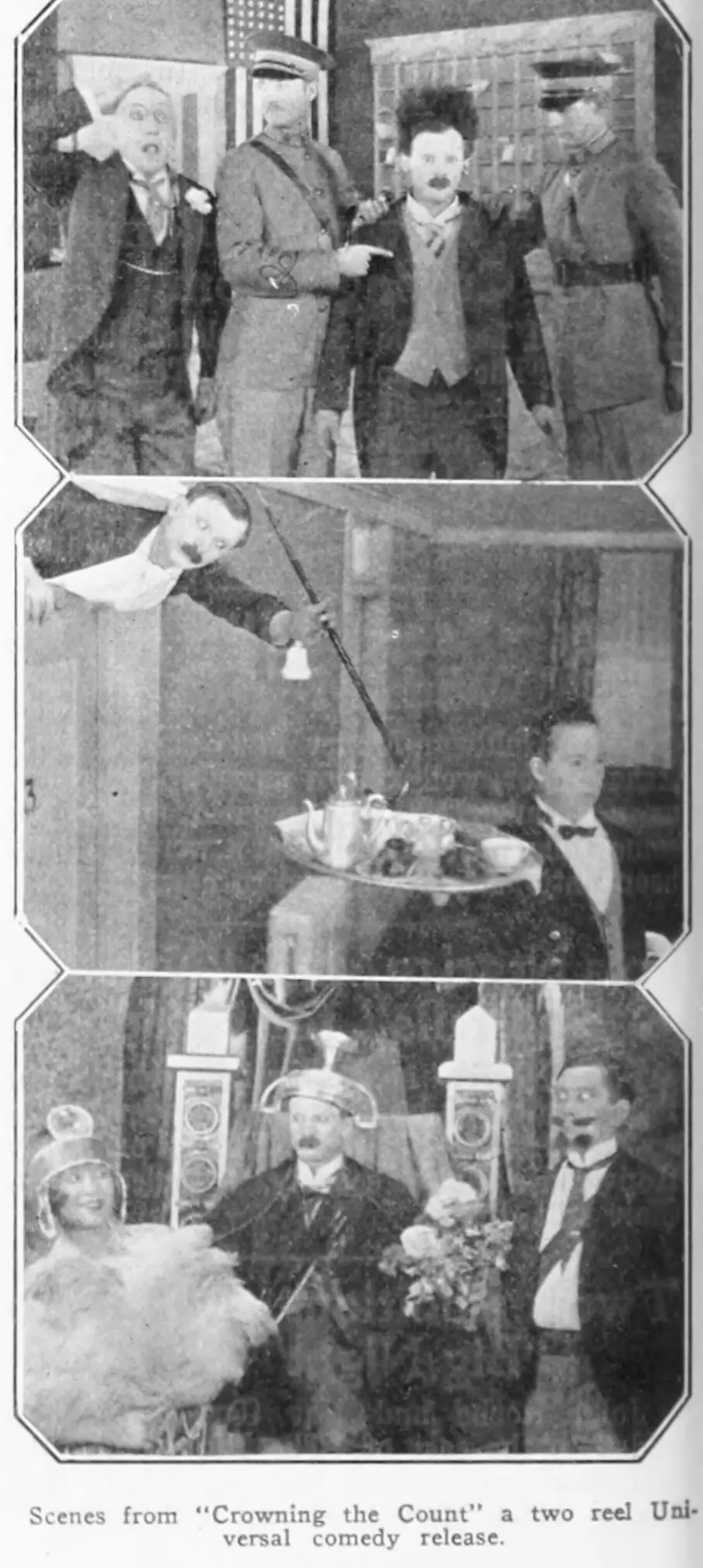
The star of this particular circus is undoubtedly the unnamed boarder, portrayed by Larry Rich, who owes four weeks' rent. His entire existence within the hotel appears to be a masterclass in elaborate evasion. Consider the scene where he takes a shower, not just with water, but with an umbrella for protection — a visual gag so wonderfully absurd it transcends its simplicity. It's a moment that perfectly encapsulates the film's spirit: a commitment to the ridiculous for the sake of a laugh, an almost childlike delight in visual non-sequiturs.
His subsequent breakfast gambit, ordering for a room across the hall and then spearing tidbits off the waiter's tray via the transom, is a brilliant piece of physical comedy. It's a meticulous, almost Rube Goldberg-esque setup for a single joke, demonstrating the ingenuity required to craft humor in a pre-sound era. The frustration, the precision, the eventual mishap with the butter and the waiter's hand — it’s all perfectly choreographed chaos, a testament to the early understanding of comedic timing without dialogue.
This film operates on a principle of escalating absurdity. Just when you think the boarder's schemes can't get more outlandish, he dons false whiskers to avoid being caught, only to be mistaken for the elusive "Count" by the mysterious gentleman. This particular twist, leading to the arrival of asylum keepers, feels like a sudden, jarring shift, yet it perfectly fits the film’s established tone of delightful delirium. It’s a narrative shortcut, yes, but one that serves the gag economy of the short film format.
The acting in "Crowning the Count," typical of its era, leans heavily into pantomime and physical exaggeration. Subtlety is not just absent; it’s actively avoided. Larry Rich, as the star boarder, is the undisputed focal point, a whirlwind of frantic energy and resourceful deception. His performance is less about conveying internal emotion and more about executing a series of precise, often acrobatic, movements designed to land a joke. When he spears food through the transom, his focus is absolute, his body language a caricature of cunning. This isn't Method acting; it's pure, unadulterated vaudeville transferred to the screen.
Rich’s commitment to the bit is admirable. His frantic attempts to retrieve the butter, culminating in him accidentally spearing the waiter, showcase a remarkable blend of physical comedy and a touch of desperation. He conveys the urgency of his character's predicament — four weeks' rent overdue is no laughing matter for the character, though it certainly is for the audience —
IMDb 6.9
1930
Community
Log in to comment.