DbcultAccessing Vault...
4.1/10
Senior Film Conservator
A definitive 4.1/10 rating for a film that redefined the boundaries of cult cinema. Árendás zsidó remains a cornerstone of transgressive art.
"Árendás zsidó," an evocative relic from the nascent years of Hungarian silent cinema, transcends its seemingly simple narrative to deliver a profound, if subtly etched, commentary on societal friction and individual resilience. This cinematic artifact, brought to life through the nuanced performances of Gyula Gál and Ica von Lenkeffy, among others, unfurls a narrative tapestry woven with threads of economic precarity, communal prejudice, and the indomitable human spirit. It’s a film that, despite the passage of a century, still resonates with a quiet power, compelling us to reflect on the enduring struggles of marginalized communities and the often-unseen battles fought in the shadows of power. Its historical significance is matched only by its artistic integrity, offering a rare glimpse into the formative period of European filmmaking, particularly from a region often overlooked in mainstream cinematic histories.
At its heart, "Árendás zsidó" chronicles the harrowing plight of Mendel, an elderly Jewish tenant farmer, whose life is inextricably bound to the fertile soil he has meticulously tilled for decades. His existence, a delicate balance of hard work and quiet dignity, is abruptly threatened by the callous machinations of István, the avaricious estate manager for the indifferent Baron Károly. With Mendel's lease nearing its expiration, István, driven by a potent cocktail of greed and latent prejudice, orchestrates a scheme to dispossess Mendel of his ancestral land. This isn't merely a matter of economic displacement; it is an existential crisis, a severing of roots that run deeper than any legal document can convey. The land is Mendel's legacy, his identity, and the sole inheritance for his devoted daughter, Leah, and her young child. The impending loss looms like a specter over their modest home, casting a long, chilling shadow on their future. The film masterfully establishes this profound connection between man and land, making Mendel's struggle not just a legal battle, but a deeply personal, almost spiritual one.
The film meticulously builds its dramatic tension, painting a vivid, if stark, portrait of rural life where power dynamics are acutely felt. Mendel, portrayed with understated gravitas by Gyula Gál, embodies the quiet stoicism of a man who has faced adversity before but now confronts a force far more insidious than the whims of nature – the calculated cruelty of man. Gál's performance is a masterclass in silent acting; his weary eyes, the slight tremble in his hands, and the subtle shifts in his posture convey a lifetime of struggle and an unshakeable moral compass. His initial attempts to reason, to appeal to a sense of justice or tradition, are met with bureaucratic indifference and thinly veiled hostility. The village itself becomes a microcosm of broader society, with some neighbors offering hesitant sympathy, while others, swayed by rumor or their own ingrained biases, remain aloof or even complicit in Mendel's impending ruin. This social stratification, subtly depicted through interactions and sidelong glances, adds layers of verisimilitude to the narrative, underscoring the pervasive nature of social and ethnic divisions of the era. The silent medium, in this instance, amplifies the unspoken tensions, making every gesture and facial expression speak volumes about the underlying societal currents.
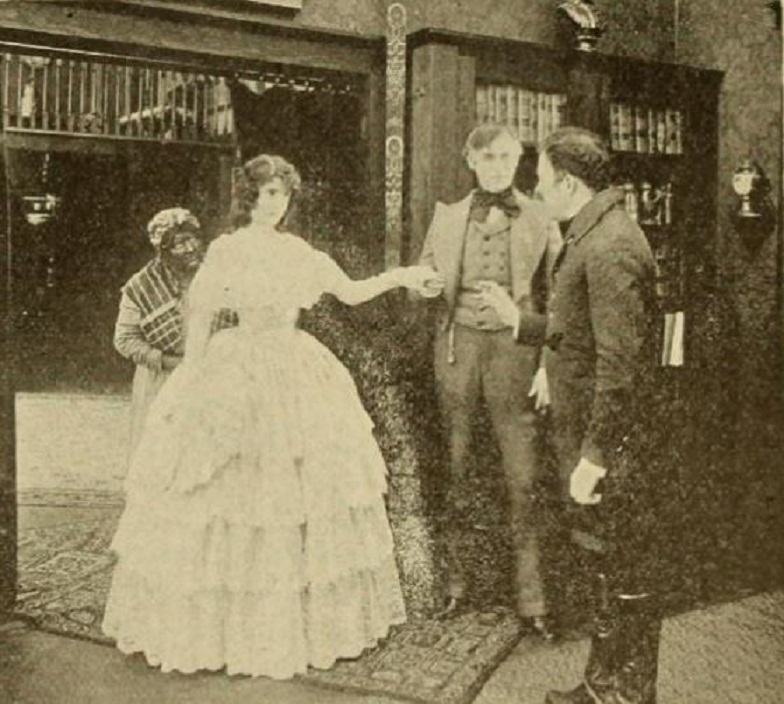
It is in Leah, played with compelling intensity by Ica von Lenkeffy, that the film finds its most active voice of resistance. Refusing to stand idly by as her father's life disintegrates, Leah embarks on a desperate quest for justice. Her journey is fraught with peril, a testament to the societal barriers faced by women in that era, particularly those from marginalized backgrounds. She navigates the labyrinthine corridors of the local administration, confronts the stony indifference of officials, and even dares to approach the Baron himself, only to be rebuffed with dismissive contempt. Her determination, however, is unyielding. She seeks out old records, poring over dusty ledgers and faded documents in the archives of the estate and the local church, hoping to unearth a forgotten clause, a hidden agreement, anything that might invalidate István's spurious claims. Lenkeffy's performance here is particularly noteworthy; she conveys a powerful blend of vulnerability and steely resolve, a silent scream against the injustice that threatens to engulf her family. Her character arc demonstrates a nascent form of female agency, a quiet defiance that challenges the patriarchal structures of the time. This portrayal resonates with the spirit of characters in films like Her Condoned Sin, where women often find themselves battling against overwhelming societal odds to protect their loved ones or their integrity.
The film cleverly utilizes visual storytelling to convey Leah's mounting frustration and the growing sense of urgency. Close-ups of her determined face, her weary but unwavering gaze, speak volumes without the need for intertitles, offering direct access to her internal struggle. The contrast between the lush, meticulously cultivated fields, representing Mendel's lifelong labor and the family's deep connection to the earth, and the sterile, imposing architecture of the Baron's estate or the magistrate's office, visually underscores the vast chasm between the oppressed and the oppressor. This visual language is a hallmark of early silent cinema at its best, and "Árendás zsidó" employs it with considerable skill, drawing the viewer into the emotional core of the characters' struggle. The cinematography, while technically rudimentary by modern standards, possesses an evocative quality, capturing the stark beauty of the Hungarian landscape and the grim realities of its inhabitants. The film’s aesthetic choices subtly reinforce its thematic concerns, creating a visual narrative that is both compelling and deeply affecting.
The narrative crescendos in a dramatic courtroom sequence, a public arena where Mendel's fate, and by extension, the integrity of the community, hangs precariously in the balance. István, confident in his manipulated evidence and the inherent bias of the system, presents his case with an air of smug superiority, his arguments meticulously crafted to exploit existing prejudices. Mendel, frail but resolute, stands beside Leah, who, against all odds, uncovers a crucial, long-forgotten document: a detailed, handwritten addendum to the original lease, signed by the Baron's deceased father, which explicitly grants Mendel perpetual tenancy under certain conditions, conditions he has always met. This revelation, dramatically presented, shatters István's carefully constructed deception. The tension in the court is palpable, captured through the shifting expressions of the onlookers – from disbelief to dawning realization, and finally, a surge of communal outrage against István's perfidy. The scene is a masterclass in building suspense through visual cues, as the camera subtly pans across the faces of the villagers, reflecting the shifting tides of justice.
The resolution, while not entirely triumphalist, offers a nuanced sense of justice. The court, compelled by the irrefutable evidence and the sudden shift in public sentiment, rules in Mendel's favor, albeit with certain stipulations that acknowledge the Baron's overarching authority. Mendel retains his land, but the victory is tinged with the weary knowledge that such battles are never truly over. The film concludes not with exuberant celebration, but with Mendel and Leah standing together on their land, the setting sun casting long shadows, a poignant tableau of endurance and the fragile nature of hard-won peace. It's a conclusion that avoids easy sentimentality, instead opting for a more resonant, realistic portrayal of life's complex victories. This bittersweet ending avoids the pitfalls of simplistic melodrama, offering a more profound reflection on the enduring struggle for dignity and belonging. It subtly suggests that while individual battles can be won, the larger forces of prejudice and power remain ever-present, requiring constant vigilance and resilience.
"Árendás zsidó" serves as a powerful historical document, offering an invaluable window into the social anxieties and prejudices prevalent in early 20th-century Hungary. The film boldly, for its time, tackles themes of anti-Semitism, class struggle, and the often-uneven scales of justice. It doesn't shy away from depicting the systemic disadvantages faced by certain groups, nor does it glorify their suffering. Instead, it presents a humanistic account, focusing on the dignity and resilience of its characters. This thematic depth elevates it beyond a mere melodramatic potboiler, placing it firmly within the burgeoning tradition of social realist cinema. The writers, Ilka Angyal and Iván Siklósi, demonstrate a remarkable foresight in crafting a narrative that addresses such sensitive and enduring societal issues with both empathy and critical insight.
Comparisons to other works of the era are inevitable and illuminating. While lacking the sprawling, almost operatic scope of Erich von Stroheim's monumental Greed, "Árendás zsidó" shares a similar unflinching gaze at the corrosive effects of avarice and societal indifference on the individual. Both films, in their distinct ways, explore the raw, often brutal realities of human existence when economic pressures collide with moral integrity. The quiet desperation and eventual defiance in "Árendás zsidó" echo the struggles for survival against overwhelming odds found in many early social dramas. Similarly, one might draw parallels to Paul Wegener's The Golem, not in terms of genre, but in its exploration of Jewish identity and community within a European context, albeit "Árendás zsidó" grounds its narrative in stark social realism rather than fantastical allegory. The film’s portrayal of a woman fighting for her family's rights also echoes the spirit of empowerment seen in narratives like Her Condoned Sin, where female protagonists navigate challenging social landscapes with remarkable fortitude. The universal resonance of these themes is what allows "Árendás zsidó" to transcend its specific historical moment and speak to contemporary audiences.
Beyond its socio-political commentary, "Árendás zsidó" holds significant artistic merit. The direction, attributed to Ilka Angyal and Iván Siklósi, demonstrates a keen understanding of visual narrative. Their ability to craft a compelling story primarily through imagery, gesture, and subtle mise-en-scène is commendable, especially considering the nascent stage of cinematic language at the time. The cinematography, though limited by the technology of its time, effectively uses natural light and carefully composed frames to enhance the emotional impact, often drawing the viewer's eye to significant details or character reactions. The performances, particularly from Gál and Lenkeffy, are remarkably restrained and authentic, avoiding the broad theatricality often associated with early silent films. Their ability to convey complex emotions – fear, hope, despair, and unwavering determination – through gesture and facial expression alone is a testament to their skill and the emerging sophistication of screen acting. The supporting cast, including Ilka Angyal herself, Jenö Balassa, and Giza Báthory, also contribute to the film's rich texture, creating a believable and dynamic ensemble.
The film's enduring resonance lies in its timeless themes. The struggle against injustice, the fight for one's home and heritage, the insidious nature of prejudice, and the power of communal solidarity are all elements that transcend specific historical contexts. While rooted in a particular time and place, "Árendás zsidó" speaks to universal human experiences. It reminds us that even in the face of overwhelming odds, the quiet courage of ordinary individuals can illuminate the path towards a more just world. It’s a film that demands to be rediscovered, not just as a historical curiosity, but as a compelling piece of cinematic art that continues to provoke thought and stir the conscience. Its preservation and accessibility are vital for understanding the broader tapestry of global film history and the diverse voices that contributed to its early evolution.
In an era where the grand narratives of Hollywood often overshadow the more intimate, socially conscious works of international cinema, "Árendás zsidó" stands as a poignant reminder of the power of storytelling to illuminate the human condition in all its complexity. Its legacy is not just in its pioneering status within Hungarian cinema, but in its unwavering commitment to portraying the struggles of the marginalized with empathy and truth. It is a film that, despite its age, feels remarkably contemporary in its exploration of themes that continue to challenge and define our societies today. Its quiet power leaves an indelible mark, urging viewers to reflect on the echoes of the past within the present, and to recognize the enduring spirit of those who fight for their place in the world.
IMDb 5.4
1928
Community
Log in to comment.