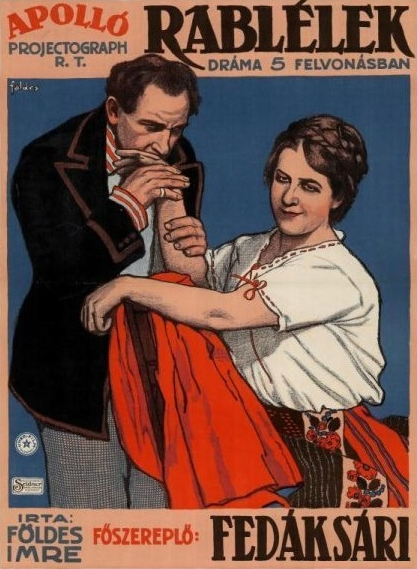
A Poignant Glimpse into Early Hungarian Cinema's Soul: Unearthing "Árendás zsidó" "Árendás zsidó," an evocative relic from the nascent years of Hungarian silent cinema, transcends its seemingly simple narrative to deliver a profound, if subtly etched, commentary on societal friction and individual resilience. ...

Comparing the cinematic DNA and archive impact of two defining moments in cult history.
Michael Curtiz

Michael Curtiz
Community
Log in to comment.
" A Poignant Glimpse into Early Hungarian Cinema's Soul: Unearthing "Árendás zsidó" "Árendás zsidó," an evocative relic from the nascent years of Hungarian silent cinema, transcends its seemingly simple narrative to deliver a profound, if subtly etched, commentary on societal friction and individual resilience. This cinematic artifact, brought to life through the nuanced performances of Gyula Gál and Ica von Lenkeffy, among others, unfurls a narrative tapestry woven with threads of econom..."
Deep dive into the cult classic
Discover similar cinematic experiences
A Directorial Spotlight on Michael Curtiz