DbcultAccessing Vault...
Cult Review
Senior Film Conservator
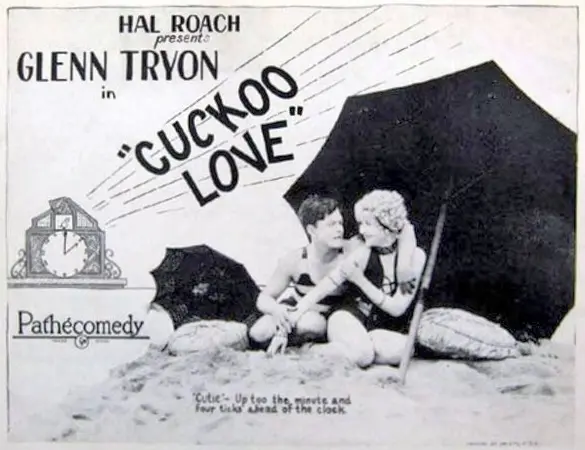
Is Cuckoo Love worth watching today? Short answer: yes, but only if you have a high tolerance for the frantic, claustrophobic logic of silent-era farces and the specific brand of chaos cultivated at Hal Roach Studios. This isn't a film for those seeking deep character arcs or modern narrative subtlety; it is a film for historians of slapstick and fans of the 'slow burn' frustration that defined early 20th-century comedy.
This film is for viewers who appreciate the kinetic energy of Glenn Tryon and the legendary facial contortions of James Finlayson. It is definitely not for anyone who finds 'misunderstanding-based plots' frustrating, as the entire 1926 production relies on characters refusing to have a single honest conversation for sixty minutes.
This film works because it understands the inherent comedy of social entrapment. This film fails because the central coincidence—the father marrying the hero’s ex—is so improbable it almost breaks the internal reality of the story. You should watch it if you want to see the foundational DNA of what would later become the Laurel and Hardy formula, specifically the use of domestic space as a battlefield.
In the world of Cuckoo Love, a photograph is never just a photograph. It is a weapon. When our hero receives a letter from his former flame, the film immediately establishes a tone of impending doom. The direction by the Roach team ensures that every object in the frame, from a simple piece of paper to a heavy piece of furniture, is a potential catalyst for disaster. Unlike the more dramatic approach seen in Her Silent Sacrifice, here the stakes are purely social and physical.
Cuckoo Love is a fascinating artifact of a time when comedy was transitioning from pure short-form gags to more complex, feature-length narratives. While it lacks the emotional depth of something like Puppy Love, it compensates with sheer, unadulterated speed. If you enjoy watching a human being slowly lose their mind while trying to maintain a veneer of respectability, this film is a mandatory watch.
The performances alone justify the runtime. Glenn Tryon has a specific type of nervous energy that feels modern, even a century later. He doesn't just walk into a room; he vibrates with the fear of being caught. When he is forced into the bride's boudoir by a rival's ruse, his physical comedy reaches a peak of desperate invention. It’s a performance that demands your attention, even when the script starts to thin out.
We cannot discuss Cuckoo Love without addressing James Finlayson. Known for his iconic 'double-take and fade away,' Finlayson plays the father with a hair-trigger temper and a literal gun. His performance is the anchor of the film's second half. He represents the ultimate obstacle: the irrational, armed patriarch. His jealousy isn't just a character trait; it’s a force of nature that drives the pacing of the final two acts.
Consider the scene in the garden. Finlayson’s character sees the hero talking to his new bride. In a modern film, this would be a moment of tension. In Cuckoo Love, it becomes a choreographed dance of avoidance. The way Finlayson uses his eyes—squinting in suspicion before exploding into action—is a masterclass in silent communication. It reminds me of the heightened reality found in Some Cave Man, where the physical expression of emotion is more important than the dialogue.
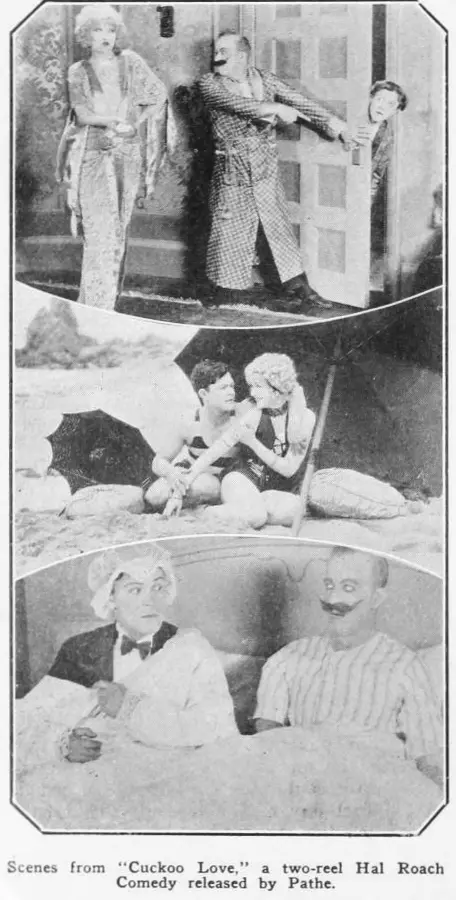
The third act of the film hinges on a classic 'bedroom farce' setup. The hero is tricked into the new bride's private quarters, a situation that, in 1926, was the height of scandalous comedy. The writers, Al Giebler and Hal Roach, lean heavily into the claustrophobia of the setting. Every door that opens is a threat; every closet is a temporary refuge that feels like a coffin.
The cinematography here is functional rather than artistic, but it serves the rhythm of the gags. By keeping the camera static and the framing wide, the director allows the audience to see the 'trap' before the characters do. This creates a sense of dramatic irony that is essential for this type of comedy. It lacks the visual sophistication of Lady Windermere's Fan, but it understands its own goals perfectly. It’s about the gag, not the lighting.
When placed alongside other films of the era, like The Frame-Up or Torchy's Frame-Up, Cuckoo Love stands out for its sheer density of conflict. While those films often rely on a singular criminal misunderstanding, Cuckoo Love layers personal, romantic, and familial betrayals on top of each other. It’s a messy film, but that messiness is curated.
One surprising observation: the film is remarkably cynical about marriage. The father’s quick trip to Palm Beach results in a marriage based on impulse, and the hero’s own engagement is treated as a fragile thing that can be shattered by a single photograph. It lacks the moral weight of A Certain Rich Man, opting instead for a world where everyone is slightly selfish and perpetually confused. It works. But it’s flawed.
Pros:
Cons:
While Cuckoo Love isn't often cited in the same breath as the works of Keaton or Chaplin, it represents the high-water mark of the 'studio comedy' of the mid-20s. It’s a film that was built for an audience that wanted to see people fall down, hide under beds, and get chased by angry men with guns. In that specific regard, it is a total success. It doesn't aim for the stars; it aims for the funny bone and hits it repeatedly.
"Cuckoo Love is a frantic, often exhausting reminder that the silent era was less about 'silence' and more about the deafening roar of physical chaos."
The film also serves as an interesting bridge to the sound era. You can almost hear the doors slamming and the guns firing. The visual language is so loud that dialogue cards almost feel redundant. It shares a certain 'wild' energy with Dikaya Sila, though focused on humor rather than drama. It is a testament to the Roach studio's ability to churn out high-quality entertainment that prioritized energy over everything else.
Cuckoo Love is a loud, sweaty, and occasionally brilliant piece of silent comedy. It is a film that demands you turn off your logical brain and enjoy the spectacle of a man being dismantled by his own past. While it doesn't have the soul of the greatest silent features, it has enough heart and humor to remain relevant for those who care about the history of the laugh. It’s a 7 out of 10 for the dedicated fan, and a 5 out of 10 for the casual viewer. Regardless, you won't forget the sight of James Finlayson with a shotgun in a garden anytime soon.
IMDb —
1920
Community
Log in to comment.