DbcultAccessing Vault...
2.2/10
Senior Film Conservator
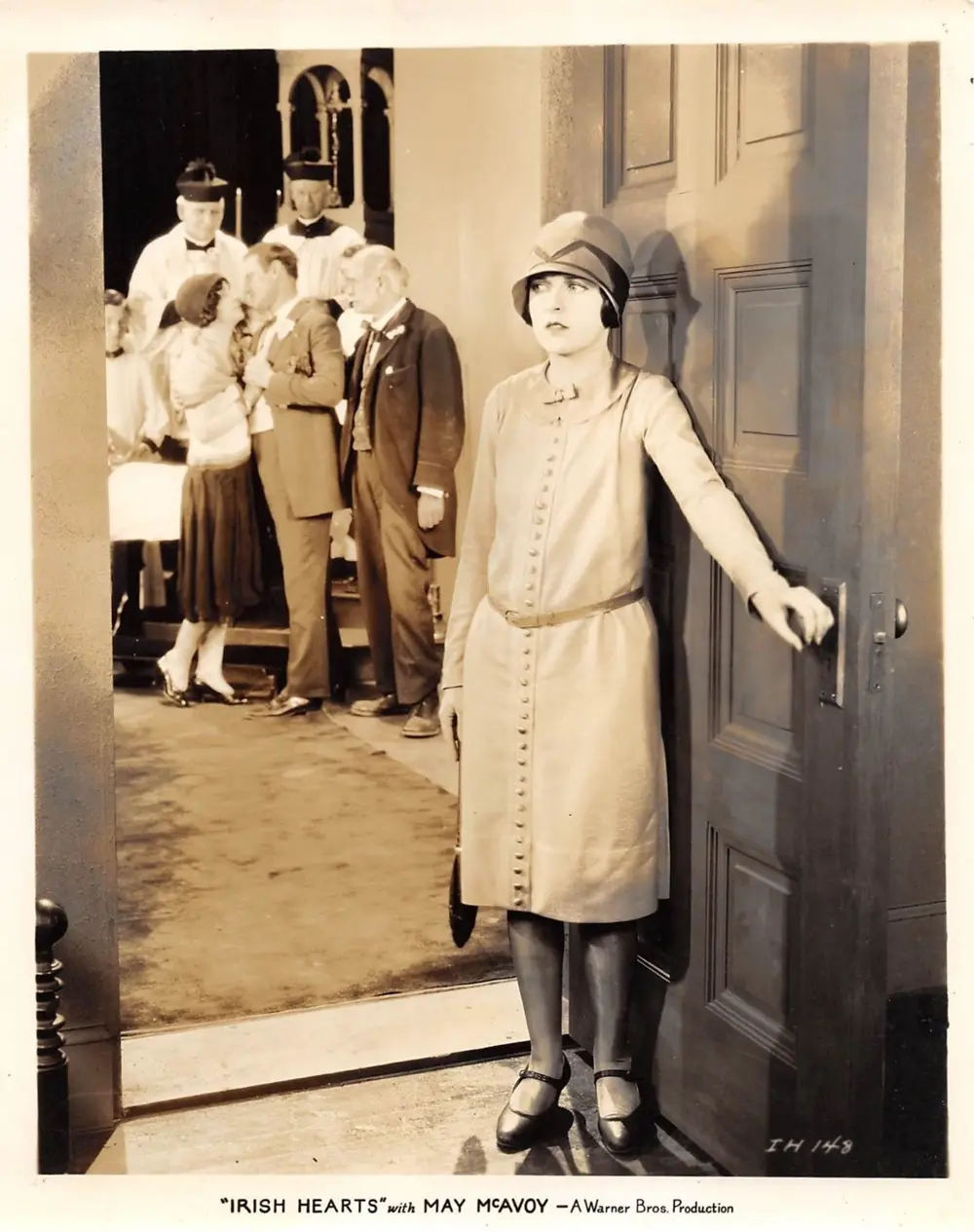
A definitive 2.2/10 rating for a film that redefined the boundaries of cult cinema. Irish Hearts remains a cornerstone of transgressive art.
Is 'Irish Hearts' worth watching today? Short answer: absolutely, especially if you appreciate the raw, unvarnished storytelling of early cinema, but it demands patience from modern viewers accustomed to rapid-fire narratives. This film is a hidden gem for cinephiles, historians, and those intrigued by the social dynamics of the 1920s immigrant experience, yet it will likely test the patience of anyone seeking a fast-paced, dialogue-driven contemporary drama.
From the outset, 'Irish Hearts' positions itself not merely as a romance, but as a window into a specific cultural moment. It’s a silent film, yes, but its emotional vocabulary speaks volumes.
To truly engage with 'Irish Hearts,' one must adjust their expectations. This isn't a film that will sweep you off your feet with dazzling effects or rapid-fire dialogue. Instead, it offers something arguably more profound: a glimpse into the human condition, stripped bare of contemporary cinematic artifice.
It works. But it’s flawed. The film's power lies in its commitment to character, even when those characters make frustratingly human choices.
This film works because: It delivers a remarkably authentic portrayal of immigrant struggles and the emotional complexities of a love triangle, anchored by a compelling central performance.
This film fails because: Its pacing can feel glacially slow by modern standards, and some of the melodramatic flourishes, while typical of the era, occasionally veer into caricature.
You should watch it if: You have a genuine interest in silent cinema, historical dramas about immigration, or character-driven narratives that prioritize emotional authenticity over plot pyrotechnics.
The story of Sheila, Emmett, and Rory is a classic romantic dilemma, elevated by its period setting and the undercurrents of economic struggle. Sheila (Kathleen Key) is introduced as a woman of considerable spirit, deeply devoted to Emmett (Jason Robards Sr.), a man whose charm is palpable but whose integrity feels perpetually on shaky ground. Their migration to America, along with Sheila’s father, is framed as a pursuit of opportunity, a common theme in films like The Narrow Street, but the reality quickly bites.
Emmett’s inability to maintain steady employment forces Sheila into the harsh reality of a restaurant job. This pivotal shift introduces Rory (Warner Richmond), a shipyard worker whose honest affection for Sheila provides a stark contrast to Emmett’s increasingly casual disinterest. The film builds its tension not through grand gestures, but through the subtle erosion of trust, culminating in Sheila's discovery of Emmett's dalliance with Clarice (May McAvoy), a quintessential 'flapper' embodying the new, liberated American woman. This isn't just about a broken heart; it's about the shattering of an idealized future.
The success of any silent film hinges on the ability of its cast to convey complex emotions without dialogue. In 'Irish Hearts,' the performances are largely effective, though some lean into the theatricality common to the era.
Kathleen Key, as Sheila, carries the emotional weight of the film with remarkable grace. Her portrayal is nuanced; we see her initial hope, her growing weariness, and ultimately, her quiet heartbreak. A particular scene where Sheila discovers Emmett’s betrayal, not through confrontation, but through a lingering shot on her face as she processes the truth, is particularly potent. Key’s eyes convey a world of shattered dreams, a raw vulnerability that transcends the silent medium. It’s a performance that grounds the film in genuine human experience, making her struggles feel deeply personal and relatable.
Jason Robards Sr. delivers Emmett with a compelling blend of charm and moral ambiguity. He’s not a mustache-twirling villain, but a man weakened by circumstance and perhaps, a lack of conviction. His early scenes with Sheila exude a believable affection, making his later transgressions all the more impactful. The way Robards uses subtle gestures and a shifting gaze to hint at Emmett’s inner conflict, or lack thereof, is quite sophisticated for the period. He embodies the kind of character who promises much but delivers little, a cautionary figure against blind devotion.
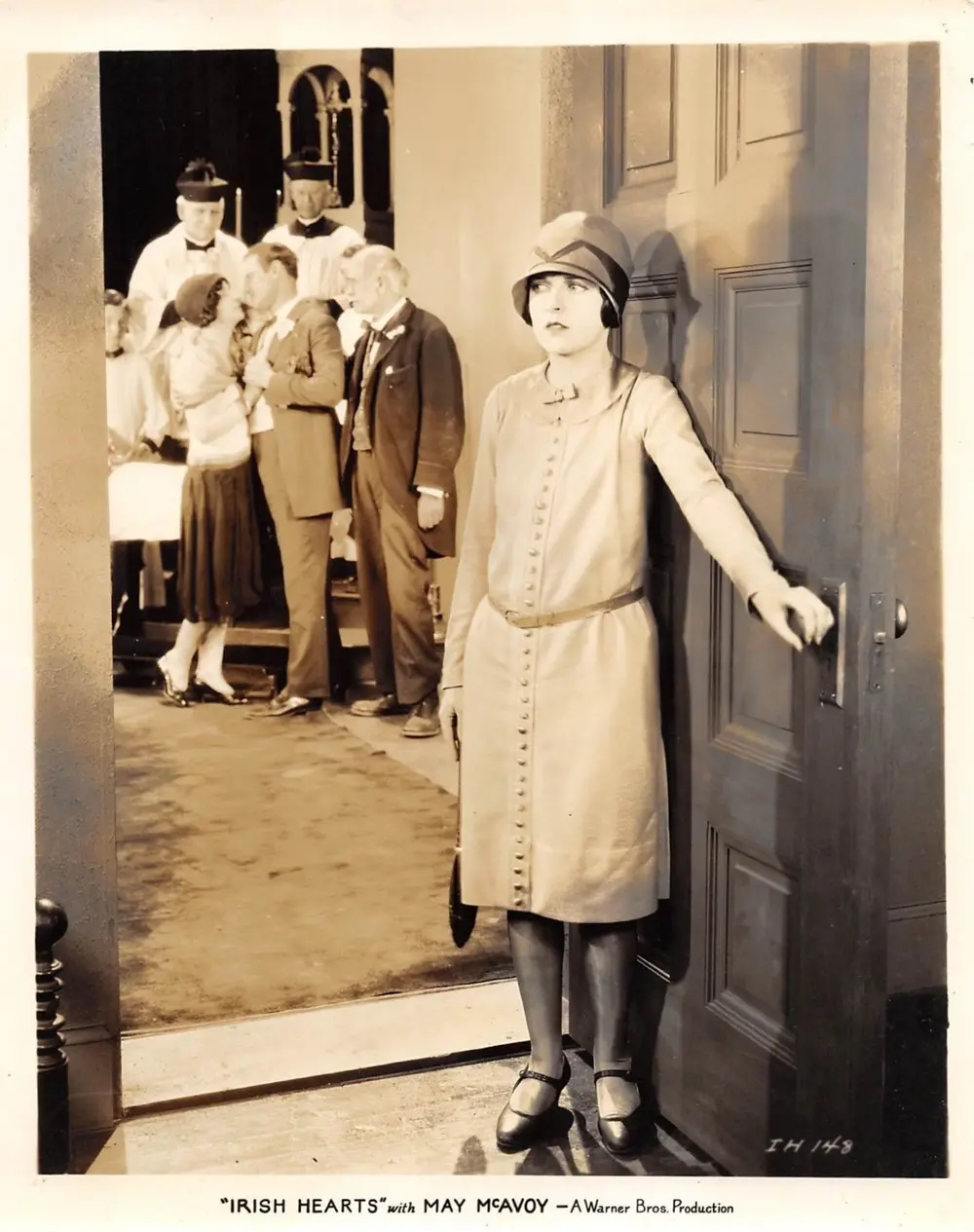
Warner Richmond's Rory is the moral compass of the film, a beacon of stability and genuine affection. While perhaps less flashy than Robards' Emmett, Richmond's quiet strength and earnestness are crucial. His gaze towards Sheila is consistently one of unwavering admiration, a stark contrast to Emmett's wandering eye. Rory represents the true 'American dream' – hard work, loyalty, and honest love. His performance, while understated, provides the necessary counterbalance for Sheila’s internal conflict to truly resonate.
May McAvoy as Clarice is a delightful, if somewhat stereotypical, 'flapper.' She embodies the carefree, slightly scandalous spirit of the Jazz Age, providing a vivid contrast to Sheila's more traditional demeanor. McAvoy’s performance is energetic, her movements and expressions perfectly capturing the modern woman of the era. She’s not inherently malicious, but rather a product of her time, a symbol of the temptations that could easily pull a man like Emmett away from his commitments.
While 'Irish Hearts' doesn't boast a credited director, the visual storytelling, likely a collaborative effort influenced heavily by writers Darryl F. Zanuck, C. Graham Baker, and Bess Meredyth, is competent and often insightful. The film makes effective use of its settings, contrasting the cramped, humble immigrant lodgings with the more opulent, if morally ambiguous, spaces inhabited by Clarice.
Cinematography, while not groundbreaking, serves the story well. There are moments of effective framing, particularly in close-ups that allow the actors’ expressions to shine. The visual language is straightforward, prioritizing clarity and emotional impact over stylistic flourishes. This directness, however, contributes to its authenticity. The scene where Sheila works tirelessly in the bustling restaurant, intercut with shots of Emmett enjoying himself elsewhere, is a simple yet powerful visual commentary on their diverging paths.
Beyond the romance, 'Irish Hearts' offers a poignant look at the immigrant experience. The struggle for work, the clash of Old World values with New World freedoms, and the search for belonging are all subtly woven into the narrative. Sheila's journey is as much about finding her footing in a new country as it is about choosing between two men. Her father's presence adds another layer, representing the generational gap and the weight of tradition. This thematic depth elevates the film beyond a simple love story, giving it a resonant social commentary, much like other dramas of the period, such as The Old Nest.
The film also explores the nature of loyalty. Is it owed to a person, or to a promise? Sheila’s unwavering devotion to Emmett, even in the face of his clear failings, speaks to a deep-seated sense of commitment, one that is ultimately challenged by self-respect and the promise of genuine affection from Rory. The true villain isn't Emmett's faithlessness, but the crushing weight of economic insecurity that forces these choices and exposes character flaws.
One of the biggest hurdles for modern viewers will be the pacing. Silent films operate on a different rhythm, often allowing scenes to unfold slowly, relying on extended reaction shots and intertitles to convey information. 'Irish Hearts' is no exception. There are moments where the narrative meanders, and the emotional beats are drawn out. However, this deliberate pace also allows for a deeper immersion into the characters' inner lives, a luxury rarely afforded in today's fast-cut cinema. It’s a meditative experience, if you allow it to be. If you're looking for something with the narrative drive of The Wolf Man, this isn't it.
The film’s tone is largely dramatic, with moments of heartfelt sincerity. While it flirts with melodrama, it generally manages to stay grounded thanks to Key’s earnest performance. It’s a film that asks for your patience, but rewards it with genuine emotional resonance.
Yes, 'Irish Hearts' is definitely worth watching, particularly for specific audiences. It offers a valuable historical perspective on the early 20th century immigrant experience in America. The performances, especially Kathleen Key's, are compelling and manage to convey deep emotion without spoken dialogue. It's a testament to the power of silent film as an art form. However, be prepared for a slower pace and the stylistic conventions of its era.
Breaking down the experience of 'Irish Hearts' into its constituent parts reveals a film with significant strengths and undeniable weaknesses.
In the grand tapestry of silent cinema, 'Irish Hearts' might not be a widely celebrated masterpiece, but it is undoubtedly a film with a beating heart. Its strength lies in its unassuming sincerity and its commitment to depicting the messy realities of love and life for immigrants in a new land. Kathleen Key's performance alone makes it a compelling watch, anchoring the narrative with a palpable sense of struggle and resilience. It's a film that requires a certain disposition – a willingness to slow down, to observe, and to empathize with characters whose struggles, though set a century ago, remain remarkably timeless.
While its pacing may test the patience of some, those who lean into its rhythm will find a quiet beauty and an enduring emotional core. 'Irish Hearts' is not just a historical curiosity; it’s a testament to the enduring power of simple, human stories, told with conviction. It’s a film that deserves to be rediscovered, not just for its place in cinematic history, but for the genuine emotions it still evokes. Don't expect fireworks, but do expect a quiet, affecting burn.
IMDb —
1924
Community
Log in to comment.