DbcultAccessing Vault...
7.4/10
Senior Film Conservator
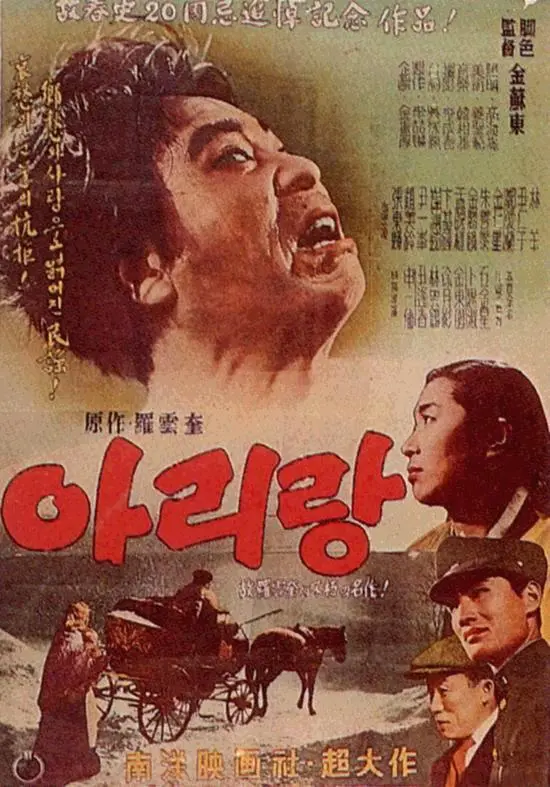
A definitive 7.4/10 rating for a film that redefined the boundaries of cult cinema. Arirang remains a cornerstone of transgressive art.
Short answer: Yes, but it requires a discerning audience ready to navigate a complex web of relationships and moral ambiguity. This film is a study in human nature, particularly in rural Korea, and is most enjoyable for those who appreciate nuanced storytelling and rich character development.
This film is not for the easily shocked or those who prefer straightforward narratives. However, if you enjoy films that challenge your perceptions and offer a deep dive into the human condition, 'Arirang' is a gem to be cherished.
This film works because of its profound exploration of family dynamics and the complexities of rural life in Korea. The performances are particularly strong, especially Il-seon Shin as the daughter, whose vulnerability and strength are perfectly balanced. The film’s ability to maintain tension and emotional depth throughout is a testament to the writing and direction.
This film fails because of its adherence to certain narrative conventions, which can sometimes feel predictable. The twists, while cleverly woven, are occasionally overshadowed by a slower pace that might not appeal to viewers seeking a more dynamic narrative. Additionally, the mental health of the son is not fully explored, which leaves this aspect of the story somewhat underdeveloped.
You should watch it if you are interested in a character-driven film that explores the nuances of rural life and the intricacies of human relationships. This film is ideal for those who appreciate films that offer a deeper emotional and psychological exploration of its characters.
The performances in 'Arirang' are particularly noteworthy, with Il-seon Shin delivering a nuanced portrayal of the daughter. Her performance captures the complexity of her character, balancing vulnerability and strength throughout the film. The supporting cast, including In-gyu Ju as the father and Tae-jin Kim as the mentally disturbed son, also contribute to the film’s emotional depth. However, the pacing can be somewhat uneven, which might affect the impact of certain performances.
Woon-gyu Na’s direction is meticulous, carefully crafting a film that is both visually and emotionally engaging. The rural setting is captured beautifully, with the cinematography highlighting the stark contrasts between the natural landscape and the tense domestic environment. The direction is particularly effective in building tension and suspense, which is crucial to the film’s overall impact.
The cinematography in 'Arirang' is striking, with scenes that capture the beauty and starkness of rural Korea. The use of natural light and the occasional close-ups emphasize the emotional intensity of the characters. However, the slower pacing occasionally leads to scenes that feel slightly underutilized, particularly in the opening and closing sequences.
The pacing of 'Arirang' is a double-edged sword. On one hand, it allows for a deep exploration of character and setting, creating a rich and immersive environment. On the other hand, the slower pace can sometimes feel tedious, particularly in scenes that are less critical to the plot. This is especially noticeable in the opening and closing scenes, which might feel drawn out for some viewers.
The tone of 'Arirang' is a delicate balance between suspense and realism. The film effectively sets up a sense of unease from the outset, which is maintained throughout. However, the tone can sometimes feel a bit flat, particularly in the more dialogue-driven scenes. This is not necessarily a criticism, as the film’s tone is well-suited to its narrative, but it might not appeal to those who prefer a more dynamic or high-octane experience.
While 'Arirang' may not be for everyone, it is a deeply rewarding film for those who appreciate nuanced storytelling and rich character development. The performances are strong, the direction is meticulous, and the film’s exploration of rural life and family dynamics is both compelling and thought-provoking. If you are looking for a film that challenges your perceptions and offers a deep dive into the human condition, 'Arirang' is worth watching.
It works. But it’s flawed. 'Arirang' is a deeply rewarding film for those who appreciate nuanced storytelling and rich character development. The performances are strong, the direction is meticulous, and the film’s exploration of rural life and family dynamics is both compelling and thought-provoking. If you are looking for a film that challenges your perceptions and offers a deep dive into the human condition, 'Arirang' is worth watching.

IMDb —
1920
Community
Log in to comment.