DbcultAccessing Vault...
6/10
Senior Film Conservator
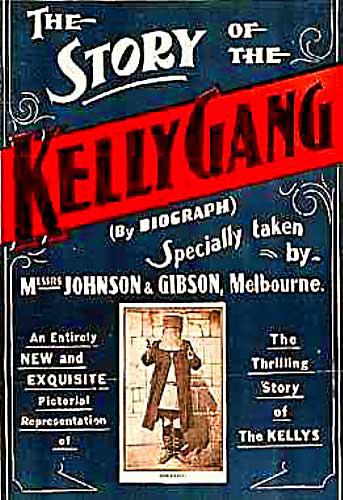
A definitive 6/10 rating for a film that redefined the boundaries of cult cinema. The Story of the Kelly Gang remains a cornerstone of transgressive art.
Stepping back into the nascent dawn of cinematic artistry, one encounters a spectral presence, a monumental shadow cast across the annals of film history: The Story of the Kelly Gang. This isn't merely a film; it's a foundational myth, a daring declaration of what cinema could be, etched into the very fabric of Australian identity and global storytelling. Its current form, a poignant collection of surviving fragments—barely 17 minutes of its original 70-minute runtime, interspersed with evocative stills—serves less as a complete narrative and more as an archaeological dig into the audacious ambitions of early 20th-century filmmakers. We are left to piece together the grand vision of Charles Tait and his collaborators, including the earnest performances of Elizabeth Tait, John Tait, Nicholas Brierley, and Norman Campbell, whose collective endeavor birthed the world’s first full-length narrative feature film.
Imagine, if you will, a world where moving pictures were largely novelties, brief glimpses of reality, or staged vignettes. The cinematic landscape of 1906 was dominated by actualités—documentary shorts capturing everyday life or significant events, like the brisk industrial scenes of Saída dos Operários do Arsenal da Marinha, or the festive crowds of A Rua Augusta em Dia de Festa. Even staged, longer-form productions often focused on single events, such as the various early boxing films like The Corbett-Fitzsimmons Fight or Reproduction of the Corbett and Fitzsimmons Fight, which, while extending beyond mere minutes, were essentially protracted recordings of a singular, albeit complex, action. These were feats of endurance for the camera, not intricate character studies or sprawling historical epics.
Then arrived The Story of the Kelly Gang, a seismic shift in ambition. Charles Tait, credited as the writer, along with the collective Tait family, dared to conceive a multi-act drama spanning years, chronicling the life and eventual demise of Ned Kelly, Australia's most enduring outlaw. This wasn't a short, sharp shock of moving images; it was a sustained narrative endeavor, demanding viewer investment in character arcs, plot developments, and the unfolding of a complex historical saga. This pioneering spirit, an almost audacious belief in the power of the moving image to tell stories on an epic scale, fundamentally redefined the potential of the medium. It moved cinema beyond the realm of mere spectacle or fleeting amusement into the hallowed ground of literature and theatre, albeit with its own unique visual grammar still in its infancy.
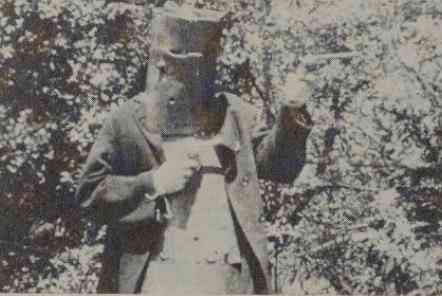
At the heart of this cinematic endeavor lies the compelling figure of Ned Kelly. A name synonymous with rebellion and folk heroism in Australia, Kelly's story is ripe for dramatization. Born into poverty, a victim of perceived police harassment and systemic injustice, he transformed from a petty criminal into an iconic bushranger, a symbol of defiance against colonial authority. His legend is a potent blend of Robin Hood-esque generosity, tactical brilliance, and tragic defiance, culminating in his famous homemade plate armor and the dramatic siege at Glenrowan.
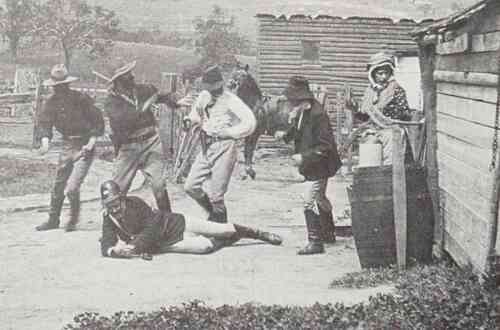
The film, even in its truncated state, attempts to capture this duality. It portrays the Kelly gang not merely as criminals but as men driven to extremes by circumstances, fighting for survival and a semblance of justice in a harsh, unforgiving land. The surviving scenes hint at dramatic confrontations, daring escapes, and the raw tension that defined the gang's existence. The choices made by Tait and his cast—to embody these figures, to recreate their struggles and their ultimate fate—speak volumes about the contemporary fascination with Kelly. It wasn't just history; it was living memory, a narrative still reverberating through Australian society. To commit this story to film, to immortalize it in a then-unprecedented format, was an act of cultural significance, solidifying Kelly's place in the national consciousness and demonstrating cinema's power as a myth-making machine.
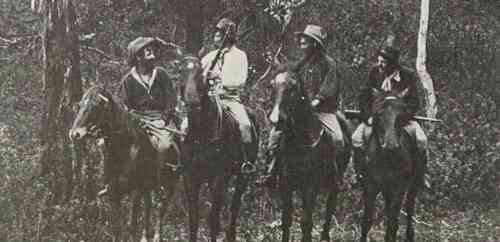
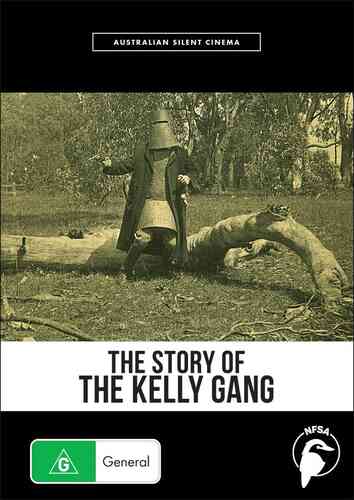
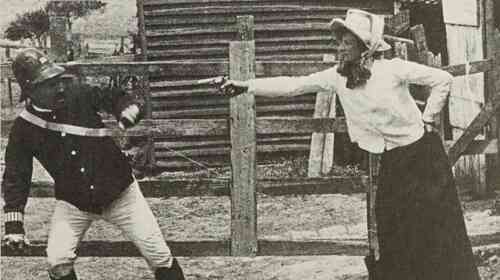
The tragedy of The Story of the Kelly Gang is its near-total disappearance. Only a fraction, approximately 17 minutes, along with a collection of production stills, offers us a window into its original grandeur. These fragments are invaluable, not just for their historical significance but for what they reveal about early filmmaking techniques. We see rudimentary but effective staging, a reliance on theatrical blocking, and the nascent understanding of cinematic continuity. The surviving segments often focus on key dramatic moments: the gang's confrontations with police, their daring robberies, and the iconic imagery of Kelly in his distinctive armor.
Despite the limitations of static cameras and the absence of close-ups (a technique still largely undeveloped), the film manages to convey a sense of action and urgency. The actors, likely drawn from local theatrical circles, perform with a directness that, while perhaps appearing melodramatic to modern eyes, was perfectly suited to the visual language of the era. Their gestures are broad, their movements deliberate, ensuring that the narrative beats could be understood even without intertitles (which were, of course, a crucial component of silent film storytelling). The use of natural landscapes, the sprawling Australian bush, provides an authentic backdrop, grounding the epic in a tangible reality that would have resonated deeply with contemporary audiences. It’s a testament to the ingenuity of these pioneers that, with such limited tools, they managed to craft a coherent and compelling narrative from such complex source material.
What truly elevates The Story of the Kelly Gang beyond a mere historical curiosity is its radical departure from the prevailing cinematic norms of its time. While other films might offer a series of disconnected scenes, or a single extended event, Tait's vision was holistic. This was a narrative arc, a journey with a beginning, middle, and end, a sustained engagement with character and consequence. This approach laid crucial groundwork for the development of narrative cinema as we know it. It demonstrated that audiences could and would invest in longer, more complex stories told through moving images.
Consider the contemporary landscape: films like Dressing Paper Dolls, while charming, existed purely as brief, whimsical novelties. Even more ambitious "actualités" like 69th Regiment Passing in Review simply documented an event without narrative intervention. Kelly Gang, by contrast, was an intentional construction of reality, a deliberate manipulation of time and space to serve a dramatic purpose. It embraced the dramatic potential of editing, even if in its rudimentary form, to connect disparate scenes and advance the plot. The film implicitly understood that sequential scenes, even if separated by time or location, could build a cohesive story. This was not merely documentation; it was creation. The very concept of a "feature film" was forged in this crucible of early Australian innovation, paving the way for the intricate storytelling structures we now take for granted.
The unfortunate fate of The Story of the Kelly Gang—its almost complete disintegration—serves as a stark,
IMDb —
1931
Community
Log in to comment.